
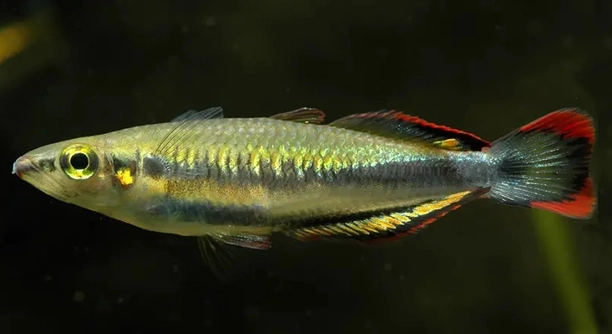
Have you ever noticed your rainbowfish swimming nervously in its tank, darting from one corner to another without settling down? Many aquarists overlook how essential hiding spots are for these colorful, active fish.
Rainbowfish require hiding spots to reduce stress and promote natural behaviors. Shelters provide security, allowing fish to rest, explore, and interact safely. A lack of adequate cover can increase aggression, weaken immunity, and negatively affect overall health and growth.
Providing well-planned hiding areas can transform your aquarium into a calmer, more engaging environment for your rainbowfish. These spots support both physical and emotional well-being.
Stress Reduction and Comfort
Rainbowfish are sensitive to their surroundings, and constant exposure without a safe place to retreat can make them anxious. Hiding spots give them a sense of security, reducing erratic swimming and signs of stress. Plants, rocks, or small caves allow them to feel protected while still being able to explore their tank freely. A calm fish is healthier, more active, and displays its natural colors better. Providing varied types of cover also helps mimic natural environments, encouraging natural behavior like resting, grazing, and social interaction. Over time, you’ll notice your rainbowfish spending more time exploring confidently rather than hiding out of fear. Even temporary hiding areas during changes, like water adjustments or new tankmates, can prevent sudden stress. Simple additions, like dense plants or small ornaments, can make a big difference in their overall well-being. Observing how they use these spaces gives insight into their comfort levels and tank satisfaction.
Providing these safe spaces allows rainbowfish to feel secure while maintaining an active, healthy lifestyle.
With consistent hiding areas, your rainbowfish can thrive in a less stressful tank environment. Fish will interact naturally and exhibit behaviors essential for long-term health, supporting both growth and immunity.
Territorial Behavior Management
Hiding spots help manage aggression between rainbowfish.
When rainbowfish are crowded or lack refuge, dominant individuals may stress weaker fish. Small caves, plant clusters, and floating shelters break lines of sight and reduce confrontations, giving everyone space to establish personal territory.
Adequate hiding spots prevent constant chasing and allow rainbowfish to settle into their preferred areas. Territorial disputes are common, especially when introducing new fish or when males compete during breeding periods. By strategically placing hiding areas, each fish can claim a small zone, decreasing overall tension. Overlapping territories become manageable, as the fish can retreat without conflict. Using both vertical and horizontal spaces in the tank further enhances comfort, allowing shy fish to escape notice while more dominant individuals patrol open areas. Plants not only provide cover but also mimic natural habitats, encouraging natural behaviors. Rocks and ornaments can serve as additional refuge points, letting fish feel protected. Structured hiding spots ultimately maintain social balance, reduce injuries, and foster a calmer, visually vibrant tank where rainbowfish can thrive together.
Breeding and Spawning
Hiding spots are essential during breeding. Rainbowfish use secluded areas to lay eggs and protect fry from being eaten by adults. Without cover, reproduction can be stressed or delayed.
Providing dense plants, caves, or leaf litter creates safe areas for spawning. Rainbowfish prefer areas where eggs are hidden from view and current is gentle. This allows adults to focus on breeding without distraction or stress. Fry survival improves significantly when eggs are placed in protected locations, as exposed eggs are more likely to be eaten. Separating adults from fry temporarily may help, but natural hiding spots are the most reliable method. Observing where your fish naturally gather or explore can guide the placement of these areas. Using a mix of artificial and natural elements ensures consistent availability of safe zones while keeping the tank visually appealing. This approach supports both reproductive success and long-term population health within your aquarium.
Consistent hiding areas improve breeding success, giving rainbowfish the confidence and security needed for healthy reproduction.
Even small, well-placed shelters can significantly increase fry survival rates. Dense plants or small caves prevent aggressive adults from accessing eggs, allowing young fish to grow safely. Hiding spots also reduce stress on parents, encouraging more frequent spawning and natural behaviors that are crucial for maintaining a balanced, thriving tank environment. Properly arranged shelters make a visible difference in both adult and fry activity.
Disease Prevention and Recovery
Hiding spots reduce stress-related illness in rainbowfish. Stress weakens immunity, making fish more susceptible to infections and parasites.
When a fish feels secure, it recovers faster from disease or injury. Providing calm, protected areas allows sick or injured rainbowfish to rest and regain strength without competition or harassment. During recovery, fish often isolate themselves naturally, so having accessible hiding spots supports this behavior. Plants, rocks, and caves also reduce exposure to aggressive tankmates, lowering the risk of secondary injuries or stress-induced relapse. A well-structured environment encourages normal feeding and swimming, which is essential for healing. Even minor additions, like floating plants or small ornaments, can make a noticeable difference in reducing stress levels, supporting the immune system, and speeding up recovery. By observing where fish choose to hide, you can better understand their health needs and provide targeted protection.
Thoughtful placement of shelters helps rainbowfish recover faster, maintain health, and prevent outbreaks, keeping the aquarium environment stable and balanced for all inhabitants.
Natural Behavior Expression
Hiding spots allow rainbowfish to display natural behaviors. They can explore, rest, and retreat when feeling threatened, which is essential for mental well-being.
Providing varied shelter types encourages curiosity and activity. Fish interact with their environment more freely, mimicking conditions in the wild.
Reduced Aggression
Shelters help minimize fighting among rainbowfish. Dominant fish are less likely to chase or harass others when there are escape routes and secluded areas. Careful placement of hiding spots creates balance, letting shy fish avoid conflict while still participating in normal social interactions.
Nighttime Safety
Rainbowfish use hiding spots to feel secure at night. Dark periods can make them vulnerable, so shelters offer protection and comfort during rest.
Stress Management During Tank Changes
When water conditions shift or new fish are introduced, hiding spots reduce immediate stress. Fish can retreat until they adjust, preventing panic, injuries, and unnecessary energy expenditure during transitions.
How many hiding spots does a rainbowfish need?
Rainbowfish thrive when they have multiple hiding spots. At least three to five well-distributed shelters are ideal for a standard aquarium. These can include caves, dense plants, or small decorations that create safe zones. Placement is important—spots should be spaced out to prevent overcrowding in one area and to allow shy fish to escape from more dominant tankmates. Observing how your fish use these areas helps determine if more or fewer hiding spots are needed. Providing a variety of types, heights, and textures keeps the environment engaging and reduces stress, which supports natural behaviors and overall health.
What materials are best for hiding spots?
Natural and safe materials work best. Live or silk plants, smooth rocks, and driftwood create realistic shelters without harming your fish. Avoid sharp edges or toxic decorations that could injure fins or release chemicals. Plastic plants are acceptable but ensure they are soft and do not have rough surfaces. Leaf litter or coconut shells can also provide temporary or seasonal hiding spots. Combining different materials adds variety, making the tank feel closer to a natural habitat. Observing your rainbowfish’s preferences can guide future adjustments, ensuring they consistently have safe areas to retreat, rest, or spawn without risk of injury or stress.
Can hiding spots prevent disease?
Yes, hiding spots help prevent stress-related diseases. When rainbowfish feel safe, they experience lower stress hormones, which strengthens immunity. Fish forced to swim in open, exposed areas constantly can become more susceptible to infections, fin rot, or parasitic outbreaks. During illness, sheltered areas allow fish to rest, recover, and avoid harassment from tankmates, which speeds up healing. Strategically placed hiding spots reduce crowding and aggressive behavior, further lowering disease risk. Consistent access to these safe zones supports healthier, more resilient fish, allowing them to maintain bright colors, normal activity levels, and stable eating habits even in challenging conditions.
Do hiding spots affect feeding?
Hiding spots do not prevent feeding but can change behavior. Rainbowfish may dart to shelters before or after eating, especially shy or new fish. Ensure food reaches all areas of the tank, including open spaces and near shelters. Floating or sinking pellets can be placed strategically to encourage natural foraging. Over time, fish become familiar with the tank layout and feeding routines, using hiding spots for security without skipping meals. Adequate lighting and a calm environment near feeding areas also help fish feel comfortable eating. Observation helps adjust feeding methods if some individuals seem hesitant due to nearby shelters.
Should all rainbowfish have access to the same hiding spots?
Not necessarily. Different fish may prefer different types of shelters depending on size, personality, or social status. Dominant fish may claim larger, more central areas, while shy fish favor corners, dense plants, or smaller caves. Providing a mix ensures every fish has a safe retreat without constant conflict. Watching interactions can guide adjustments—adding extra shelters in underused areas helps balance the social environment. A variety of heights, textures, and densities prevents competition and ensures all rainbowfish benefit from security, reducing stress, aggression, and territorial disputes while maintaining an active and natural tank atmosphere.
Can hiding spots help with new tank introductions?
Absolutely. Introducing new fish can trigger stress and aggression. Hiding spots give both new and established fish areas to retreat until they acclimate. This reduces chasing, bullying, and potential injuries. Temporary barriers or rearranged shelters can create neutral zones, letting fish adjust at their own pace. Overlapping hiding areas encourage exploration while maintaining safety. Newcomers gain confidence slowly, and existing fish maintain their territories without constant confrontations. Properly placed shelters also prevent bottlenecks near food or corners, which can otherwise create tension. Ensuring multiple, accessible hiding spots supports a smoother integration process and healthier, calmer interactions in the tank.
How often should hiding spots be rearranged?
Rearranging hiding spots occasionally can stimulate activity and reduce territorial disputes. Small changes every few weeks encourage exploration and mimic environmental shifts found in nature. Avoid large, sudden rearrangements, which can increase stress. Gradual adjustments allow rainbowfish to learn new routes, discover hidden zones, and reestablish territories naturally. Observing reactions helps identify preferred spots and less-used areas. Some fish may be sensitive to change, so minor tweaks like rotating plants or adding new small shelters are sufficient. Consistent, thoughtful rearrangement keeps the environment dynamic while ensuring safety and comfort, supporting both physical and mental well-being.
Are hiding spots necessary for all tank sizes?
Yes, hiding spots are beneficial regardless of tank size. Even in smaller aquariums, compact shelters or dense plant clusters create retreats and reduce stress. In larger tanks, multiple shelters prevent overcrowding and support natural schooling behavior. The principle is the same: provide security and structure. Properly sized hiding spots relative to the tank and fish ensure that every individual can retreat without competition. In both small and large setups, the right balance of cover and open swimming space promotes active, healthy rainbowfish while maintaining peaceful social dynamics. Observing how fish use these spaces helps optimize placement and quantity for the specific tank.
Do hiding spots impact tank cleaning?
Hiding spots can make cleaning slightly more challenging but are manageable with proper planning. Lightweight decorations, removable plants, and modular caves allow access without stressing fish. Avoid overly dense areas that trap debris, which can affect water quality. Routine maintenance ensures shelters remain clean and safe while still providing security. Observing how fish use shelters can help determine which spots need frequent attention and which remain undisturbed. Balancing cleanliness and fish comfort is key—well-maintained hiding spots support health, reduce stress, and encourage natural behaviors without compromising tank hygiene.
Can plants alone be enough hiding spots?
Plants can be sufficient if they are dense, varied, and placed strategically. Tall or bushy species provide cover, break sight lines, and mimic natural habitats. Combining multiple plant types at different heights creates vertical and horizontal retreats. Some rainbowfish may prefer specific plant clusters for resting or spawning. While plants offer security, adding a few solid shelters like caves or driftwood ensures variety and extra protection. Observing fish preferences helps determine if additional decorations are needed. Properly arranged plants alone can provide both aesthetic appeal and functional hiding spaces that support natural behavior, stress reduction, and social balance.
Providing hiding spots for your rainbowfish is more than just a decorative choice—it is essential for their overall well-being. Rainbowfish are naturally active and social, but they are also sensitive to their surroundings. Without safe areas to retreat, they can become stressed, which affects their behavior, health, and even coloration. Simple additions like small caves, driftwood, dense plants, or leaf litter give them places to hide, rest, and feel secure. These spaces allow shy fish to move freely without fear and let dominant fish maintain their territories without constant confrontation. Observing your fish’s interactions with these areas will help you understand their needs and preferences, guiding you to create an environment where they can thrive. Over time, you will notice calmer, more confident fish, which reflects their comfort in the tank.
Hiding spots also play a critical role in supporting natural behaviors and reproduction. Rainbowfish rely on secluded areas for spawning, and fry survival is greatly improved when eggs are laid in protected locations. Without cover, stress can delay breeding or reduce success rates. Additionally, shelters help fish recover from illness or injury. When a rainbowfish feels safe, it can rest and regain strength without interference from other tankmates. Even minor stress reduction improves immunity, feeding habits, and overall activity levels. Proper placement of hiding spots can also reduce aggression between fish by breaking sightlines and giving shy individuals space to escape. The combination of protection, behavioral enrichment, and stress management ensures that your rainbowfish can live a long, healthy life in a well-structured aquarium.
Maintaining hiding spots does not need to be complicated. Simple arrangements of plants, rocks, and ornaments provide functional and visually appealing retreats. Rotating or slightly rearranging these shelters every few weeks can encourage exploration and prevent boredom while maintaining stability for territorial fish. Even small tanks benefit from compact hiding areas, while larger tanks allow for a more diverse setup. The key is balancing open swimming space with secure zones. Watching how your rainbowfish use these areas will help you adjust placement and types of shelters over time. Thoughtful planning and regular observation ensure that every fish has access to safety, comfort, and stimulation, creating a healthier and more harmonious tank environment overall. Hiding spots are not just an accessory—they are a necessity for rainbowfish well-being, supporting both physical health and natural behaviors while making the aquarium a more enjoyable space to watch.

Hello,
If you enjoy the content that we create, please consider saying a "Thank You!" by leaving a tip.
Every little bit helps us continue crafting quality advice that supports the health, happiness, and well-being of pets around the world, for pets of all shapes, sizes, and species.
We really appreciate the kindness and support that you show us!