
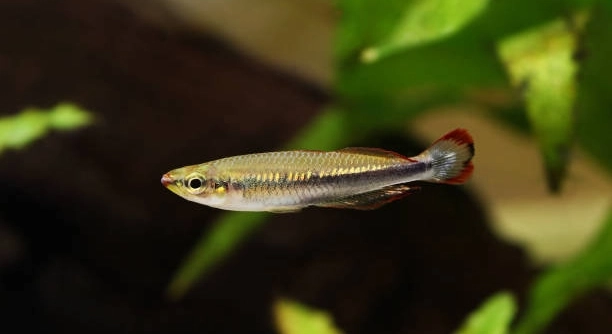
Keeping fish in a small tank can seem convenient, but many owners overlook the space needs of their aquatic pets. Fish need room to swim freely and express natural behaviors for a healthy life.
Fish showing signs of needing more space often display restricted swimming, unusual aggression, or changes in appetite. Limited tank size can cause stress, stunt growth, and impact overall health, making tank enlargement or relocation essential for their well-being.
Recognizing these signals early helps prevent long-term health problems and ensures your fish thrive in a comfortable environment.
Limited Swimming Space
Fish need enough room to move naturally. When a tank is too small, swimming becomes restricted, which can lead to stress and lethargy. In tight spaces, fish may bump into decorations or each other, causing injuries. Over time, restricted movement can also affect their muscle development and overall health. Some species, like goldfish or cichlids, require more horizontal space to explore and maintain normal activity levels. Even small, slow-moving fish benefit from open water, as they are better able to navigate, find food, and interact with their environment. A cramped tank also makes it harder to maintain water quality. Waste accumulates faster in small tanks, and limited water circulation can cause oxygen levels to drop. By providing adequate swimming space, you encourage natural behaviors and reduce stress-related illnesses. Observing how your fish use the tank can help determine if more space is needed.
Smaller tanks often cause fish to swim in tight circles or stay in one area, indicating discomfort.
When fish cannot swim freely, they may become less active and hide more frequently. They might bump into objects or exhibit erratic movements, signaling stress. Constricted space also leads to competition for territory, which can trigger aggression, especially among territorial species. Lack of swimming room can reduce exercise, affecting muscle tone and overall health. Fish may show slower growth rates or changes in coloration. A larger tank allows for better distribution of plants and decorations, giving fish areas to explore and rest. Increased water volume also improves oxygenation and dilutes waste, which helps maintain a stable environment. Watching their behavior daily can reveal early signs of stress, such as floating near the surface or rapid gill movement. Adjusting the tank size or layout can restore normal swimming patterns and improve their overall well-being.
Aggressive Behavior
Aggression can appear when fish feel cramped or threatened.
Overcrowded tanks often trigger chasing, nipping, or hiding, signaling a need for more space and separation between individuals.
Fish that act aggressively often do so because they feel restricted. Limited territory can cause frequent confrontations over space, food, or mates. Even non-territorial species may develop dominance hierarchies when confined, leading to stress for weaker fish. Aggression can manifest as chasing, biting, or constant displays of dominance. Providing a larger tank reduces tension and allows fish to establish their own territories without constant conflict. Adding hiding spots, plants, and decorations can also help break lines of sight and give fish places to retreat. Monitoring tank behavior closely helps identify which individuals are stressed or overpowered. Proper tank sizing prevents injuries, improves water quality by reducing stress-related waste, and promotes healthier growth. Fish in a well-sized environment are calmer, more active, and display natural behaviors more consistently. Adjusting the tank or reorganizing decorations can transform a tense environment into a more harmonious one.
Changes in Appetite
Fish may eat less or stop eating when their tank is too small. Stress and limited space often reduce their interest in food.
Restricted tanks can make fish feel constantly threatened or uncomfortable, which directly affects feeding behavior. Some fish hide more, avoiding areas where food is placed, while others may rush to eat but appear anxious. Reduced appetite can also lead to weight loss and weakened immune systems, making them more prone to disease. Over time, insufficient nutrition slows growth and affects overall vitality. Feeding smaller portions or adjusting the type of food might help temporarily, but addressing tank size is crucial. Fish thrive when they have room to swim freely, explore, and reach food without stress, so a larger tank often restores normal eating habits.
Observation is key, as sudden or consistent changes in appetite indicate that your fish might need a more spacious environment to feel secure.
Stress-Induced Health Issues
Cramped conditions increase the risk of illness and infection. Stress weakens immune systems, making fish more vulnerable to common diseases like fin rot or ich. Even minor injuries can become serious if healing is impaired due to persistent stress.
Small tanks also affect water quality, with toxins building up more quickly, further impacting fish health. Poor circulation, low oxygen levels, and higher ammonia concentrations can exacerbate illness. Fish under stress may show unusual behaviors such as rapid gill movement, flashing against surfaces, or erratic swimming patterns. These signs often indicate environmental stressors, with limited space being a primary factor. Improving tank size and adding hiding spots reduces stress, encourages natural behavior, and supports a stronger immune system. Regular monitoring of water parameters combined with adequate space promotes long-term health and prevents chronic conditions. Addressing both the tank environment and behavioral signs ensures a healthier, calmer fish population.
Tank crowding also disrupts social dynamics, leading to constant skirmishes and dominance struggles. Fish deprived of sufficient space may show repeated aggression or excessive hiding, further weakening their health. Ensuring each fish has personal territory helps reduce stress-related illnesses and improves overall vitality.
Stunted Growth
Inadequate tank size often prevents fish from reaching full size. Limited swimming space and high stress levels slow physical development.
Stunted growth occurs when fish cannot move freely or access sufficient nutrition due to crowding. Growth rates are closely linked to environmental conditions, including space, water quality, and oxygen availability. Smaller tanks limit the ability to maintain stable conditions, which directly impacts metabolic functions necessary for growth. Fish in cramped tanks may also experience skeletal deformities or reduced muscle tone. Stress hormones released from overcrowding can suppress appetite and slow organ development, compounding the problem. Upgrading to a larger tank allows fish to swim naturally, access food easily, and grow at a normal pace. Proper tank size supports both physical and behavioral health, ensuring fish reach their potential size without compromising well-being.
Providing additional space and reorganizing tank layout helps correct growth issues while promoting healthier activity levels and improved immunity.
Hiding More Often
Fish in small tanks tend to hide frequently. Limited space makes them feel unsafe and stressed.
Constant hiding can prevent them from feeding properly or interacting naturally. Providing more room and hiding spots helps them feel secure and encourages normal behavior.
Rapid Gill Movement
Rapid gill movement often signals stress or low oxygen levels. Cramped tanks reduce water circulation, causing breathing difficulties.
Fish forced to breathe faster may show signs of fatigue or lethargy. Improving tank size and water flow restores normal oxygen levels and reduces stress, supporting overall health.
Restless Swimming
Fish that swim frantically or repeatedly circle the tank are often stressed. Small spaces prevent them from exploring freely, increasing anxiety.
Loss of Color
Dull or faded coloration can indicate stress or poor environmental conditions. Crowded tanks often contribute to weakened health and reduced vibrancy in fish.
How do I know if my fish needs a bigger tank?
Fish show several clear signs when they need more space. Restricted swimming, frequent hiding, aggression, or restless swimming are strong indicators. Changes in appetite, faded colors, or slower growth can also signal that the tank is too small. Observing their daily behavior and comparing it to their normal patterns helps identify stress.
Can a small tank cause health problems for fish?
Yes, small tanks often lead to stress, which weakens the immune system. This makes fish more prone to diseases like fin rot, ich, or bacterial infections. Limited space also restricts movement, affecting muscle development and growth. Poor water quality in a small tank further contributes to illness, as toxins accumulate faster and oxygen levels drop.
What are the best solutions if my tank is too small?
Upgrading to a larger tank is the most effective solution. A bigger tank allows fish to swim freely, establish territories, and interact naturally. Adding plants, rocks, or hiding spots can help temporarily, but space remains the key factor. For long-term health, ensure proper filtration, water circulation, and regular maintenance.
Can overcrowding cause aggression among fish?
Overcrowding often leads to aggressive behavior, especially in territorial species. Fish may chase, nip, or dominate others constantly. Limited space increases stress, triggering dominance struggles and frequent confrontations. Providing a larger tank with clear territories reduces tension, allows fish to establish their own space, and prevents injuries or chronic stress.
How does tank size affect growth?
Tank size directly influences growth. Fish in cramped environments may experience stunted growth due to restricted movement and limited access to food. High stress levels and poor water conditions further inhibit development. Larger tanks support natural behavior, proper nutrition, and sufficient oxygen, allowing fish to reach their full size without compromising health.
What can I do to improve a small tank temporarily?
If a larger tank isn’t immediately possible, rearranging decorations or adding hiding spots can reduce stress. Increasing water circulation and performing frequent water changes improves oxygen levels and cleanliness. Feeding smaller, more frequent meals helps fish access food without competition. These steps alleviate stress, but long-term health still depends on adequate space.
Are some fish more affected by small tanks than others?
Yes, certain species are more sensitive to limited space. Active swimmers like goldfish or cichlids need larger areas to move and explore. Territorial or aggressive species also require enough room to establish boundaries. Small tanks impact both physical health and social behavior, making careful planning essential for these types of fish.
How often should I observe my fish for stress signs?
Daily observation is ideal. Watching how your fish swim, eat, and interact helps identify early stress indicators. Changes in behavior, such as hiding, erratic swimming, or rapid gill movement, should be addressed immediately. Consistent monitoring ensures timely intervention, preventing long-term health problems.
Does water quality change faster in small tanks?
Yes, toxins and waste build up more quickly in smaller tanks, causing stress and health issues. Ammonia, nitrites, and nitrates reach harmful levels faster, reducing oxygen and increasing susceptibility to disease. Regular water testing, filtration, and partial water changes are essential to maintain a safe environment.
Can tank decorations help if the space is limited?
Decorations can provide hiding spots and visual barriers, reducing stress from overcrowding. Plants, rocks, or artificial caves help fish feel secure and establish territories. While decorations improve comfort, they cannot replace the need for adequate swimming space, which remains critical for health and normal behavior.
How quickly should I upgrade to a larger tank?
As soon as you notice signs of stress, restricted movement, or aggression, upgrading is recommended. Early action prevents stunted growth, illness, and behavioral issues. Planning for a larger tank in advance ensures a smooth transition, giving fish space to thrive while maintaining water quality.
What is the minimum space requirement for common freshwater fish?
Requirements vary by species. Small fish like tetras may need at least 10 gallons, while goldfish often require 20 gallons or more per individual. Active species benefit from longer tanks, and territorial fish need sufficient room to establish boundaries. Adequate space ensures healthy behavior, growth, and reduced stress.
Can changing the tank layout reduce stress?
Yes, reorganizing plants and decorations creates separate zones, reducing confrontations. Hiding spots allow shy or stressed fish to retreat safely. Adjusting the layout can temporarily improve comfort, but overall tank size remains the most critical factor for long-term health and natural behavior.
Does stress from a small tank affect lifespan?
Chronic stress from limited space shortens lifespan. Stress weakens immunity, slows growth, and increases vulnerability to disease. Providing ample space, proper nutrition, and clean water helps fish live longer, healthier lives while maintaining natural behavior and vibrant colors.
How can I encourage fish to explore a larger tank?
Introduce plants, rocks, and varied structures to create interest in the new space. Place food in different areas to encourage movement and exploration. A gradual transition and careful observation help fish adapt comfortably, reducing stress while promoting activity and natural behavior.
What signs show that a larger tank is helping?
Improved swimming patterns, normal appetite, reduced aggression, and vibrant colors indicate the fish are thriving. Fish become more active, establish territories comfortably, and display natural behaviors. Regular observation confirms that stress levels are lower and overall health is improving in the upgraded environment.
How important is tank filtration in larger tanks?
Filtration is crucial regardless of size. Larger tanks still require proper water circulation and waste removal to maintain quality. A well-functioning filter ensures oxygen levels remain stable, toxins are minimized, and fish stay healthy. Combined with adequate space, filtration supports optimal growth, behavior, and immunity.
Can I keep multiple fish in a larger tank safely?
Yes, larger tanks allow for more individuals if species compatibility is considered. Adequate space reduces territorial disputes and stress, while proper filtration and maintenance support water quality. Monitoring behavior and providing hiding spots ensures a harmonious environment for multiple fish.
How do I balance tank decorations with swimming space?
Arrange decorations to create zones without blocking open swimming areas. Provide hiding spots and visual barriers while keeping enough open water for movement. This balance ensures fish feel secure but still have the room needed for exercise, growth, and natural behavior.
What long-term benefits come from upgrading tank size?
Fish experience improved health, reduced stress, and more natural behavior. Growth rates normalize, aggression decreases, and vibrant colors return. Better water quality and oxygen levels support immunity, while observation becomes easier. Overall, a properly sized tank ensures a stable environment for long-term well-being.
How do I transition fish to a larger tank safely?
Acclimate fish slowly by matching water parameters in the new tank. Gradually introduce them to the new environment over several hours. Add decorations and hiding spots to ease adjustment. Monitoring behavior and water quality during the first days ensures a smooth, low-stress transition.
Can frequent water changes help in small tanks temporarily?
Yes, regular water changes reduce toxins and improve oxygen levels. They help maintain cleaner conditions and alleviate stress temporarily. However, water changes cannot replace the benefits of a properly sized tank, which is essential for long-term health, behavior, and growth.
How do I monitor my fish’s stress levels effectively?
Watch for hiding, erratic swimming, rapid gill movement, loss of color, or reduced appetite. Observe interactions with other fish for aggression or avoidance. Consistent daily checks allow early detection of stress, letting you make changes before long-term health is affected.
Does tank location affect fish stress in small tanks?
Yes, placement matters. Tanks near high-traffic areas, loud noises, or direct sunlight can increase stress. Positioning the tank in a quieter, stable environment reduces additional pressure on fish already limited by space. Proper lighting and temperature consistency further support their comfort and well-being.
How do I choose the right larger tank for my fish?
Consider species, adult size, swimming needs, and social behavior. Longer tanks benefit active swimmers, while territorial fish need extra horizontal space. Evaluate filtration, ease of maintenance, and placement options. Ensuring the new tank meets these requirements promotes healthy growth, reduced stress, and natural behavior.
How long does it take for fish to adjust to a larger tank?
Adjustment varies by species and individual temperament. Most fish show signs of comfort within days, including calmer behavior, normal swimming, and regular feeding. Some shy or stressed individuals may take weeks to fully explore and establish territory. Patience and observation ensure a smooth transition.
What if my fish still show stress after upgrading?
Check water quality, temperature, and filtration. Ensure decorations provide hiding spots and visual breaks. Observe for illness or injury that may cause discomfort. Additional environmental adjustments or splitting aggressive individuals can help reduce ongoing stress, allowing all fish to thrive in the new space.
How often should I upgrade tank size as fish grow?
Plan for growth in advance, especially for fast-growing or long-lived species. Gradual upgrades prevent crowding and stress. Regularly assess fish size, swimming behavior, and tank capacity to ensure they always have adequate space throughout their lifespan.
Can tankmates affect stress in small tanks?
Yes, incompatible species or overcrowding increase aggression and competition. Limited space amplifies these issues, causing frequent stress and hiding. Choosing compatible fish and providing enough room for all individuals helps maintain calm behavior and reduces the risk of injury or illness.
How do I maintain water quality in a larger tank?
Larger tanks require consistent filtration, regular water changes, and monitoring of ammonia, nitrites, nitrates, and pH. Adequate circulation, aeration, and cleaning reduce toxins and support oxygen levels. Maintaining stable water conditions ensures fish stay healthy and stress-free.
What role does temperature play in fish stress?
Incorrect temperatures increase stress, affecting appetite, activity, and immunity. Small tanks are more prone to rapid fluctuations. Using a reliable heater or chiller and monitoring with a thermometer ensures a stable environment, supporting comfort and normal behavior.
Can proper feeding routines reduce stress in small tanks?
Yes, feeding smaller portions more frequently reduces competition and ensures all fish get enough nutrition. Avoid overfeeding, which can deteriorate water quality. While this helps temporarily, sufficient tank space remains the primary factor for long-term health.
How can I encourage shy fish to explore more space?
Gradually introduce new decorations, hiding spots, and feeding locations to create interest. Avoid sudden changes and allow them time to adapt. Observing behavior ensures they feel secure while slowly becoming more active and confident in the larger environment.
Does tank size affect breeding behavior?
Yes, limited space can inhibit spawning, aggression regulation, and territorial behavior necessary for breeding. Larger tanks provide proper conditions, including space for nest building, territory establishment, and reduced stress, supporting natural reproductive behavior.
Can lighting affect fish stress in small tanks?
Bright or inconsistent lighting increases anxiety, especially in cramped tanks. Gentle, consistent lighting mimics natural conditions and reduces stress. Providing shaded areas or plants also helps fish feel secure while maintaining normal activity.
Are there signs of stress specific to certain species?
Yes, some species show unique stress behaviors. Betta fish may flare excessively, cichlids may dig constantly, and tetras may school tightly. Recognizing these species-specific signs helps determine when additional space or environmental adjustments are necessary.
How do I balance tank size with filtration needs?
Ensure the filter can handle the volume of the larger tank. Proper filtration removes waste, maintains oxygen levels, and supports water quality. A well-sized filter combined with adequate space ensures healthy conditions and reduces stress for all fish.
Can tank size affect fish lifespan?
Smaller tanks often shorten lifespan due to chronic stress, poor water quality, and limited growth. Properly sized tanks promote long-term health, stable behavior, and reduced disease, allowing fish to live longer, healthier lives.
How can I prevent stress when adding new fish?
Quarantine new fish, introduce them gradually, and ensure the tank has enough space. Monitor interactions and provide hiding spots to minimize aggression. Adequate space and careful integration reduce stress and help maintain harmony among all inhabitants.
Does water current affect fish stress in small tanks?
Strong or inconsistent currents in small tanks can increase stress and tire fish. Adjustable flow and proper circulation are essential. Larger tanks allow natural swimming patterns and reduce the negative impact of currents on behavior and comfort.
Can rearranging tank decorations help long-term in larger tanks?
Yes, occasionally changing layouts keeps fish engaged, provides new territories, and reduces boredom. This supports natural exploration while ensuring sufficient swimming space remains, maintaining comfort, reducing stress, and promoting healthier behavior.
How do I know when it’s time to upgrade again?
Watch swimming behavior, growth, and social interactions. Signs like restricted movement, aggression, or hiding indicate more space is needed. Regular assessment ensures fish always have adequate room to thrive and reduces the risk of health problems.
Can a tank upgrade improve overall tank maintenance?
Yes, larger tanks dilute waste more effectively, stabilize water parameters, and make it easier to maintain consistent conditions. Improved circulation, filtration, and space reduce stress while supporting healthier, more natural behavior.
What is the best long-term approach for healthy fish?
Provide adequate space, stable water conditions, proper filtration, compatible tankmates, and environmental enrichment. Regular observation, timely upgrades, and attention to behavior ensure fish remain healthy, active, and stress-free throughout their lives.
How does space influence fish social behavior?
Adequate space allows fish to establish territories, reduce aggression, and interact naturally. Crowded conditions create dominance struggles and constant stress. Larger tanks promote calmer social interactions, healthier relationships, and more natural group dynamics.
Can tank size affect feeding behavior?
Yes, cramped tanks increase competition for food, leading to stress and unequal nutrition. Larger tanks reduce competition, allow fish to reach food comfortably, and encourage normal eating patterns, supporting growth and vitality.
What are the most common mistakes with tank size?
Underestimating adult size, overcrowding, and relying on decorations instead of open space are common errors. Proper planning, observation, and choosing the right tank prevent stress, aggression, and health problems while supporting natural behavior.
How do I prevent future stress as fish grow?
Monitor growth, behavior, and water quality regularly. Upgrade tanks proactively, adjust decorations, and maintain filtration. Providing sufficient space, proper nutrition, and compatible tankmates ensures long-term comfort and reduces stress throughout their lifespan.
Can stress from a small tank be reversed?
Yes, upgrading the tank, improving water quality, and providing hiding spots can reverse stress effects. Appetite, color, and behavior often improve within days or weeks. Early intervention ensures fish regain health and display natural behaviors in a spacious, comfortable environment.
How important is consistency in tank conditions?
Consistency in temperature, lighting, water quality, and space reduces stress. Fish thrive in predictable environments where their needs are met, promoting health, natural behavior, and longer lifespans. Sudden changes increase anxiety and compromise well-being, especially in smaller tanks.
What additional tips help maintain fish comfort in larger tanks?
Provide multiple hiding spots, maintain stable water parameters, monitor social dynamics, and feed appropriately. Encourage exploration with varied decorations while leaving open swimming space. Consistent observation ensures stress is minimized and fish remain healthy, active, and comfortable.
How do I ensure my fish continue to thrive after upgrading?
Maintain proper water quality, monitor behavior, adjust tank decorations, and feed correctly. Ensure all fish have access to space and territories. Regular observation and timely maintenance support long-term health, growth, and natural behavior in their new environment.
What are early signs that a tank is becoming too small again?
Restricted swimming, increased hiding, aggression, reduced appetite, and dull colors indicate limited space. Monitoring behavior regularly ensures timely upgrades before health or growth is compromised, maintaining a healthy, stress-free environment.
Can larger tanks reduce maintenance efforts in the long run?
Yes, larger tanks stabilize water parameters, dilute waste, and reduce stress-related health problems. While initial setup is more involved, maintenance becomes easier, and fish thrive in a balanced, spacious environment.
How can I prevent future overcrowding?
Plan for adult size, space needs, and social behavior before adding new fish. Avoid overstocking, provide enough swimming room, and maintain proper filtration. Proactive planning ensures a healthy, stress-free environment over time.
What long-term impact does tank size have on fish behavior?
Adequate space promotes natural swimming, social interaction, and exploration. Crowded conditions increase stress, aggression, and hiding, negatively affecting behavior. Proper tank size ensures fish remain active, calm, and display natural instincts consistently throughout their lives.
Can tank size affect coloration long-term?
Yes, stress from small tanks often dulls colors. Providing more space, reducing aggression, and improving water quality restores vibrancy. Healthy, unstressed fish display brighter, more consistent coloration, reflecting their overall well-being and comfort in the environment.
How important is observation after upgrading the tank?
Observation ensures fish adapt well, behave naturally, and maintain health. Monitoring for stress, aggression, appetite, and color changes helps detect issues early. Continuous attention supports long-term well-being and allows adjustments to optimize the environment.
Can stress affect reproduction in small tanks?
Yes, stressed fish may avoid mating or fail to establish territories needed for breeding. Adequate space and low-stress conditions are essential for successful reproduction, allowing natural behaviors to occur.
What role does space play in long-term fish happiness?
Sufficient space reduces stress, allows exploration, supports social interactions, and promotes healthy behavior. Fish in spacious environments live longer, remain active, and show natural colors, making space a key factor in their overall well-being.
How can I tell if a tank upgrade was successful?
Fish swim freely, eat normally, display vibrant colors, and show less aggression. Calm, active, and natural behavior indicates that the new environment meets their physical and social needs. Observation confirms a successful upgrade.
Are certain decorations better for larger tanks?
Yes, larger tanks benefit from a mix of open swimming areas and scattered hiding spots. Plants, rocks, or caves create territories without restricting movement, encouraging exploration while maintaining comfort and reducing stress.
Can a larger tank reduce the frequency of water changes?
Larger tanks dilute waste more effectively, slowing toxin buildup. While regular water changes remain necessary, they can be less frequent compared to small tanks, making maintenance easier while supporting healthier fish.
What environmental factors matter most when upgrading a tank?
Space, water quality, oxygen levels, hiding spots, and compatible tankmates are critical. Stable temperature, lighting, and filtration complement these factors, ensuring fish remain healthy, comfortable, and display natural behavior.
How do I ensure all fish benefit from a larger tank?
Provide ample swimming space, multiple hiding spots, and clear territories. Monitor interactions to prevent aggression and ensure all fish can access food. Proper layout and maintenance allow every individual to thrive comfortably.
Can tank size influence feeding competition?
Yes, larger tanks reduce crowding at feeding areas, preventing stress and ensuring equitable access to food. Fish
Providing enough space for your fish is one of the most important steps in keeping them healthy and happy. Small tanks can create stress, limit movement, and even affect their growth over time. Fish in cramped environments may show aggression, hide more often, lose appetite, or display dull colors. All of these behaviors are signs that the tank is not meeting their basic needs. Observing your fish regularly allows you to notice these changes early and take action before health problems develop. A larger tank gives them room to swim freely, explore their surroundings, and interact in ways that are natural to their species.
Upgrading a tank is not just about physical space. It also helps improve water quality and reduces stress-related health issues. Small tanks accumulate waste more quickly, leading to higher levels of toxins and lower oxygen levels. This can weaken the immune system and make fish more vulnerable to diseases. In a properly sized tank, water circulation improves, oxygen levels remain stable, and waste is diluted more effectively. Along with providing hiding spots, plants, and decorations, an upgraded tank creates a more comfortable environment where fish can feel secure. These environmental improvements lead to calmer behavior, better feeding habits, and healthier growth. Fish in larger tanks are more likely to display natural behaviors and maintain their vibrant colors.
Regular monitoring and proper maintenance remain essential, even with a larger tank. Observing behavior, checking water parameters, and adjusting decorations as needed help ensure all fish continue to thrive. Tankmates should be compatible, and feeding routines should support the needs of every fish. Adequate space combined with clean water, proper oxygenation, and attention to social interactions creates an environment where fish can live longer and healthier lives. Upgrading a tank requires planning and investment, but the benefits for your fish are clear. Giving them room to move, explore, and grow is the simplest way to promote their overall well-being and maintain a peaceful, balanced aquarium.

Hello,
If you enjoy the content that we create, please consider saying a "Thank You!" by leaving a tip.
Every little bit helps us continue crafting quality advice that supports the health, happiness, and well-being of pets around the world, for pets of all shapes, sizes, and species.
We really appreciate the kindness and support that you show us!