
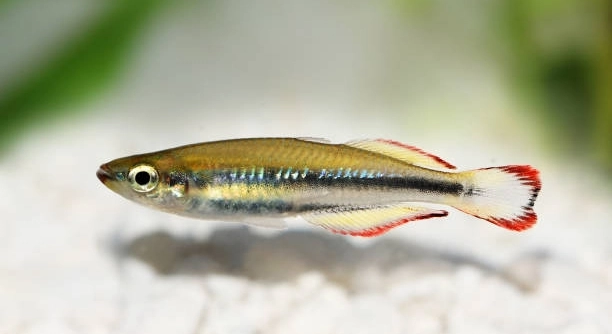
Have you ever wondered how gentle lighting shifts influence the comfort of rainbowfish in their aquarium, helping them feel steady and safe as their environment changes around them in a calm and predictable way daily.
Rainbowfish prefer gradual lighting changes because their visual and neurological systems respond better to slow shifts in illumination, which reduce stress and maintain natural circadian rhythms that influence behavior, feeding efficiency, and overall physiological balance within controlled aquatic environments safely.
This gentle approach reveals deeper insights into their daily needs, guiding you toward creating a setting that supports calm behavior.
How Light Affects Rainbowfish Behavior
Rainbowfish respond to lighting changes in ways that shape how they explore, settle, and interact with their surroundings. When light shifts slowly, their bodies adjust without strain, allowing them to move with steady rhythms. Sudden brightness can startle them, pushing their stress levels upward and interrupting their natural habits. A soft transition mimics sunrise and sunset, which supports their internal timing and makes them feel grounded in a stable pattern. This simple adjustment helps them maintain clear colors, calm movement, and predictable feeding behavior. It also encourages them to stay active without becoming overwhelmed. When you offer a gentle lighting plan, you help them feel secure during each part of the day. This peaceful adjustment supports better health and keeps them from hiding too often. Over time, these small changes create a reliable atmosphere that suits their needs, letting them live comfortably in a balanced and steady environment each day.
Slow lighting shifts also help rainbowfish maintain steady breathing patterns, which lowers tension and keeps their bodies functioning smoothly. This gentle approach supports calm activity and prevents sudden disruptions that may affect feeding or social behavior, creating a more comfortable setting for their daily routines in a steady supportive space.
Understanding how light affects rainbowfish will help you shape a stable environment that feels natural to them. When their surroundings shift at a gentle pace, they react with smoother patterns that support long term comfort. This simple adjustment can influence color expression, feeding consistency, and activity levels in practical ways. By keeping transitions soft, you reduce the chance of startling them or interrupting their daily rhythm. These small decisions contribute to a calm environment, letting you observe their behavior with more clarity and ease. Over time, you will notice stronger balance as their stress remains lower and their habits stay steady.
Setting Up a Gentle Lighting Routine
Creating a gentle lighting routine begins with choosing equipment that allows smooth transitions between dim and bright settings. This helps rainbowfish adjust without sudden shocks, supporting calm behavior throughout the day and night. A steady approach keeps their environment predictable and reduces unnecessary tension in their daily patterns and routines.
To set up lighting that supports rainbowfish comfort, start by using a programmable system that shifts brightness slowly over several minutes rather than flipping instantly from dark to light. This step creates a smoother start and end to their day, reducing strain on their eyes and nervous system. Aim for gentle changes during morning and evening periods, allowing them to adjust at a pace that feels steady. Midday light can be brighter, but keeping transitions soft prevents them from reacting with sudden darting or hiding. Many aquarists find that pairing gradual lighting with consistent feeding times improves overall stability, since rainbowfish rely on routine to feel secure. When your lighting setup mirrors natural patterns, you help them follow rhythms that promote healthy activity without unnecessary stress. It can also improve color display, making their movements look more vibrant and calm. Over time, this approach leads to a more peaceful aquarium where rainbowfish swim with confidence. By focusing on controlled lighting shifts, you create an environment that supports their wellbeing and keeps your setup reliable. These thoughtful adjustments offer long lasting benefits that shape healthier habits and maintain a balanced atmosphere that continues to support their comfort each day with care.
Light Timing and Daily Stability
Consistent timing helps rainbowfish settle into predictable patterns that support calm behavior. When light changes follow the same schedule each day, they adjust with ease and maintain steadier habits that shape their comfort and overall balance in simple and reliable ways.
A fixed lighting schedule reduces confusion by giving rainbowfish clear signals for activity and rest. Their bodies follow natural rhythms when light rises and fades at regular times. Keeping these patterns steady helps them avoid unnecessary tension, especially during feeding or social interactions. When timing stays consistent, they respond with gentle movement and remain active without sudden shifts that might disrupt their routine. This approach also supports their color expression and makes their behavior easier to observe. With each day following a reliable pattern, they learn what to expect and respond with calmer reactions.
Maintaining stable lighting repetitions allows rainbowfish to feel secure in their environment. With predictable cues guiding their day, they settle into habits that support long term comfort. Their internal rhythms stay balanced when sudden changes are avoided, which helps them conserve energy and remain alert without overstimulation. This simple consistency promotes healthy activity levels and reduces the chances of hiding or darting. Over time, the steady structure encourages confidence as they explore their space with smoother patterns.
Choosing the Right Equipment
Selecting soft transition lighting equipment gives you better control over brightness shifts and helps rainbowfish adjust comfortably. Systems that allow gradual changes create a more natural flow in the aquarium. This reduces stress responses and supports healthier behavior that remains steady during different times of the day.
Equipment with programmable features offers reliable control over timing and intensity, shaping a more balanced environment for rainbowfish. Units that include dimming functions allow you to create slow transitions that mirror natural cycles. This prevents sudden shocks that might overwhelm their senses. Look for fixtures designed to shift brightness in small increments, since this supports smoother movement patterns and encourages consistent feeding behavior. Many setups also pair well with timers, which help maintain regular lighting periods without manual adjustments. When your equipment follows stable patterns, rainbowfish adapt with ease, showing calmer swimming and more vibrant coloration. Consistent lighting also supports their internal rhythms, keeping them aligned with daily cues that help regulate energy use and activity. This thoughtful approach improves their comfort and creates a steady environment that remains supportive each day.
Gradual Light Increases
Slowly increasing light in the morning helps rainbowfish wake naturally and reduces stress. Sharp changes can startle them, while gentle adjustments encourage calm swimming and exploration, supporting their overall comfort and well-being throughout the day in a predictable and stable environment.
Evening dimming should be gradual as well, signaling the approach of rest. This helps rainbowfish settle, reduces erratic behavior, and supports their internal rhythms. When both morning and evening shifts are soft, their daily cycle remains smooth, making them less likely to hide or become tense during transitional periods in the aquarium.
Avoiding Sudden Brightness
Sudden bursts of light can cause immediate stress reactions in rainbowfish, triggering darting or hiding. They respond better to gradual adjustments, which allow their eyes and nervous systems to adapt naturally. Managing light intensity carefully supports calmer behavior and reduces long-term stress in the aquarium environment.
Combining Lighting With Routine
Pairing gradual lighting changes with consistent feeding and activity times strengthens rainbowfish comfort. When daily routines are predictable, they learn to associate cues with specific behaviors, supporting healthier patterns. Stability in both light and routine enhances calm behavior, color vibrancy, and overall aquarium harmony, creating an environment where they thrive naturally.
Monitoring Fish Response
Observing rainbowfish during light transitions is key to ensuring adjustments are effective. Gentle shifts should be reflected in calm swimming, normal feeding, and active exploration. Noticing their reactions allows small corrections, helping maintain a supportive environment that aligns with their natural rhythms and needs.
FAQ
Why do rainbowfish need gradual lighting changes?
Rainbowfish rely on their visual and neurological systems to interpret their surroundings. Sudden light shifts can trigger stress responses, including hiding, darting, or erratic swimming. Gradual lighting changes allow their eyes and nervous system to adapt slowly, helping them maintain calm behavior, stable feeding patterns, and balanced daily activity without unnecessary tension. This approach also supports natural circadian rhythms, ensuring their bodies remain aligned with day-night cycles even in an artificial environment. Over time, gentle transitions create a predictable setting, reducing stress hormones and promoting vibrant coloration and consistent movement.
How long should lighting transitions take?
A transition of 15 to 30 minutes is generally effective for most rainbowfish species. This timing gives their eyes time to adjust and allows behavioral patterns to remain steady. Rapid changes of just a few seconds may cause startling reactions, while overly long shifts can be less noticeable but are usually safe. Using programmable lights with dimming features ensures that transitions stay consistent, helping rainbowfish associate light shifts with daily routines naturally. Observing their responses during these periods can help fine-tune timing for the specific species and aquarium setup.
Can sudden light damage rainbowfish health?
While brief exposure to sudden bright light is unlikely to cause physical harm, repeated or intense shocks can increase stress levels. Prolonged stress affects feeding behavior, immune function, and overall energy balance. Gradual lighting reduces these risks by allowing fish to adjust naturally without triggering fight-or-flight responses. Over weeks, stable lighting habits contribute to stronger health outcomes, better color expression, and more predictable activity. Maintaining soft transitions is a preventative measure that ensures rainbowfish remain calm and comfortable, lowering the chances of stress-related illnesses in captivity.
What equipment works best for gradual lighting?
LED fixtures with programmable dimming features are ideal for gradual lighting. They allow you to set precise brightness increments and schedules that mimic natural day-night cycles. Timers can automate these adjustments, maintaining consistency even when you are away. Some advanced systems offer customizable color temperature changes, which can further enhance the sense of natural light. Choosing reliable equipment ensures that transitions occur smoothly, supporting the fish’s comfort and well-being. Additionally, soft lighting reduces algae growth and helps maintain visual clarity in the aquarium, benefiting both fish and caretakers.
Should lighting changes align with feeding times?
Yes, aligning gradual lighting shifts with feeding times helps reinforce routine and predictability. Fish learn to associate specific light levels with feeding and activity periods, promoting regular eating behavior. This approach minimizes sudden bursts of activity or stress during meal times. Maintaining consistent cues strengthens their internal rhythms and supports calmer swimming and social interaction throughout the day. When combined with steady lighting patterns, synchronized feeding schedules enhance overall comfort and help rainbowfish feel secure in their environment, reducing the likelihood of sudden hiding or erratic movements.
How can I tell if the lighting is too fast?
Signs that lighting changes are too rapid include darting, frequent hiding, or clustered swimming near shelter areas. Some fish may show rapid gill movement or color fading as stress responses. If these behaviors appear during transitions, it’s a clear indicator that adjustments are too abrupt. Slowing the rate of change and observing subsequent behavior often resolves these issues. Tracking their response over several days helps identify an ideal pace for each species, ensuring that lighting shifts consistently promote calm behavior rather than creating tension or unpredictability.
Do rainbowfish need darkness at night?
Yes, complete or near-complete darkness at night supports their circadian rhythm and encourages rest. Prolonged light exposure can disrupt sleep cycles, leading to stress and irregular activity patterns. Gradual dimming into darkness at evening signals the end of the day, promoting natural rest behavior. Avoiding abrupt lights-off moments ensures they settle comfortably without startling. Darkness also helps maintain their immune health and conserves energy, making it an essential component of a stable lighting routine. Pairing darkness with gradual morning light creates a reliable day-night cycle that supports long-term well-being.
Is it necessary to adjust lighting for different species in the same tank?
Yes, species-specific preferences can influence how fish respond to light. Some rainbowfish may tolerate slightly brighter or dimmer conditions than others. Observing behavior and adjusting lighting increments can help accommodate multiple species without creating stress. Maintaining a balance between visibility and comfort ensures all fish in the aquarium remain calm, active, and healthy. Flexible, programmable lighting systems make these adjustments possible, supporting diverse species while preserving a consistent day-night cycle.
How does gradual lighting affect breeding behavior?
Gradual lighting can support natural breeding cues by mimicking sunrise and sunset patterns, which influence hormonal and behavioral responses. Sudden lighting changes may interfere with mating behavior or reduce spawning activity due to stress. Smooth transitions help fish recognize environmental patterns and promote more predictable interactions, encouraging courtship and egg-laying in a calm and supportive environment. By aligning lighting schedules with natural rhythms, you create conditions that enhance reproductive success without compromising comfort or health.
Can aquarium plants benefit from gradual lighting too?
Yes, gradual lighting helps plants adjust to light intensity without shock, promoting steady photosynthesis. Sudden brightness or prolonged extremes can stress plant tissues, slowing growth. Slow transitions support both flora and fauna, creating a balanced ecosystem. Healthy plants contribute to oxygen levels, water quality, and overall habitat stability, which in turn benefits rainbowfish. Combining plant-friendly lighting with gradual shifts ensures the aquarium thrives as a whole, creating a supportive environment for all living organisms inside.
Final Thoughts
Maintaining a calm and healthy environment for rainbowfish is largely influenced by how their lighting is managed. Gradual changes in illumination help them adjust smoothly to daily shifts in their surroundings. When light increases or decreases slowly, it prevents sudden stress reactions, which can include darting, hiding, or unusual swimming patterns. Over time, consistent, gentle transitions create a predictable atmosphere that aligns with their natural circadian rhythms. Rainbowfish thrive when their environment feels steady, and lighting is a simple but powerful tool to achieve this. It affects not only their behavior but also their overall health, including color expression, feeding habits, and energy levels. By paying attention to how they respond to light, caretakers can make adjustments that support long-term comfort and well-being.
Implementing a gradual lighting routine is straightforward but requires careful observation. Using programmable LED systems or timers allows light to shift incrementally, avoiding sudden brightness or darkness. Morning and evening transitions should be smooth, giving rainbowfish time to acclimate naturally. This steady approach encourages calm swimming, more active exploration, and stable social interactions. Pairing lighting with consistent daily routines, such as feeding or cleaning schedules, further reinforces predictability. Fish learn to associate light changes with specific activities, making them feel secure in their habitat. Over weeks, these small adjustments reduce stress responses and create a more harmonious aquarium environment. Observing behavior during transitions helps identify the right pace for individual species or groups, ensuring that changes are effective and supportive.
Gradual lighting is not only beneficial for the fish but also for maintaining the overall balance of the aquarium. It helps plants grow steadily by preventing light shock and supports other aquatic life that shares the space. By carefully managing light, you create an ecosystem where rainbowfish can thrive alongside plants and other species. Predictable day-night cycles encourage natural behavior, promote healthy feeding patterns, and minimize stress-related problems. Over time, the aquarium becomes a more stable and visually appealing environment. Paying attention to these small but significant details reflects a thoughtful approach to fishkeeping, ensuring that rainbowfish live in comfort while maintaining vibrant colors and active behavior. Consistency, observation, and gradual adjustments form the foundation for a well-balanced habitat that supports both the health of the fish and the longevity of the aquarium ecosystem.

Hello,
If you enjoy the content that we create, please consider saying a "Thank You!" by leaving a tip.
Every little bit helps us continue crafting quality advice that supports the health, happiness, and well-being of pets around the world, for pets of all shapes, sizes, and species.
We really appreciate the kindness and support that you show us!