
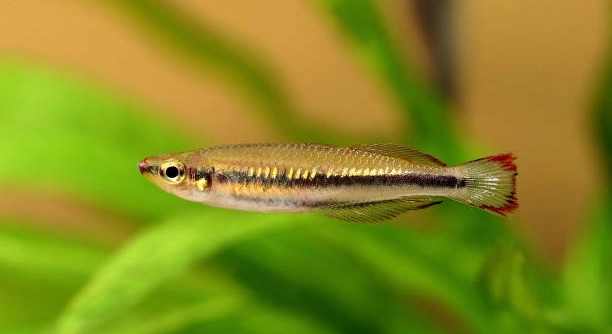
Rainbowfish are colorful and lively, making them a joy to watch in home aquariums. Many hobbyists enjoy observing their behaviors, especially when pairs form. Pairing can create more dynamic interactions and a harmonious tank environment.
Encouraging pairing in rainbowfish requires providing a suitable environment with ample space, hiding spots, and balanced nutrition. Ensuring compatible male-female ratios and stable water conditions promotes natural pairing behaviors and supports overall health and reproductive readiness.
Learning these techniques will help maintain a healthy aquarium while fostering natural behaviors. Small adjustments can make a significant difference in encouraging rainbowfish to pair successfully.
Setting Up the Perfect Tank
Creating the right environment is key for rainbowfish pairing. A spacious tank with plenty of plants and hiding spots helps reduce stress and encourages natural behavior. Filtration and water circulation should be efficient but not too strong, as rainbowfish prefer gentle currents. A substrate of fine gravel or sand mimics their natural habitat and allows them to explore freely. Lighting should be moderate, highlighting their colors without causing excessive heat or algae growth. Water parameters must remain stable, with a pH between 6.5 and 7.5 and temperatures around 24–28°C. Regular partial water changes keep the environment healthy, which is crucial for encouraging mating behaviors. Adding floating plants or dense vegetation creates secluded areas where pairs can feel safe, increasing the likelihood of forming bonds. Observing how the fish interact helps identify compatible pairs early. Attention to tank layout, cleanliness, and plant placement all contribute to a stress-free and supportive environment for rainbowfish.
Proper tank conditions prevent aggression and support pairing naturally, reducing the need for constant intervention.
Consistency in temperature, pH, and hiding spaces promotes comfort. Over time, rainbowfish show clearer signs of bonding and pairing behaviors. Maintaining these elements is essential for ongoing success.
Nutrition and Health
Balanced diets are crucial for encouraging rainbowfish to pair. Feeding a mix of high-quality flakes, pellets, and occasional live or frozen foods ensures optimal health and vitality. Nutrient-rich diets enhance coloration, which plays a role in mate attraction. Overfeeding or sudden dietary changes can cause stress and illness, reducing pairing activity. Supplements such as vitamins or carotenoids can improve reproductive readiness and overall energy levels. Monitoring each fish’s intake prevents dominant individuals from monopolizing food, supporting fair growth and development. Healthy fish are more likely to engage in courtship displays and form lasting pairs. Treating minor health issues early, such as fin damage or parasites, avoids disruptions to natural pairing behaviors.
Nutrition alone isn’t enough; environment and compatibility matter as well.
Combining proper diet with clean water, appropriate tank mates, and secure hiding areas ensures rainbowfish remain active, healthy, and ready to pair. Observing their feeding habits can provide insights into overall well-being and compatibility. Maintaining a consistent feeding schedule helps reduce stress and aggression, allowing fish to focus on social interactions rather than competition. Varied diets stimulate interest and energy, prompting more active swimming, chasing, and display behaviors that precede pairing. Careful attention to health supports not just immediate pairing but long-term stability, giving rainbowfish a better chance of successful mating. Over time, a combination of good nutrition, tank setup, and compatible companions creates a calm and engaging environment, allowing natural behaviors to flourish. By addressing both diet and habitat, you set the stage for rainbowfish to pair confidently and thrive within their aquarium setting.
Observing Pairing Behavior
Rainbowfish often show subtle signs when pairing. Males display brighter colors and swim closer to chosen females, while females may respond with slight movements or follow the male’s lead. These interactions indicate interest and compatibility between fish.
Watching these behaviors regularly helps you understand which pairs are forming naturally. Males may chase or circle females gently, signaling courtship, while females may respond by staying nearby or exploring the same areas. Some pairs might prefer secluded spots near plants or decorations. Documenting these patterns allows adjustments to tank conditions, ensuring stress-free environments that encourage bonding and reduce conflicts. Over time, recognizing these cues helps maintain a harmonious tank where pairing is more likely to succeed.
Not all interactions lead to successful pairing immediately. Some rainbowfish may test multiple partners before settling. Environmental comfort, consistent feeding, and minimal disturbances play a key role in whether observed behaviors develop into lasting pairs.
Encouraging Natural Pair Formation
Placing multiple males and females together increases the chance of natural pair selection. Avoid forcing specific pairings, as this can cause stress and aggression. Providing ample space and visual barriers supports healthy interactions and reduces competition.
Allowing rainbowfish to choose partners naturally encourages stronger bonds. Males often court several females initially, displaying fin flares and swimming patterns. Females may observe and respond selectively, creating natural selection for compatible pairs. Ensuring stable water conditions and minimal disturbances supports these interactions, while hiding spots let shy fish feel secure. Gradually, compatible pairs spend more time together, showing coordinated swimming, synchronized feeding, and protective behaviors around plants or open spaces. Observing these natural patterns helps maintain harmony, promoting successful pairing without intervention. Maintaining a balanced sex ratio and removing overly aggressive individuals further enhances pairing opportunities and reduces stress in the tank.
Creating Hiding Spots
Dense plants, rocks, and decorations provide rainbowfish with safe areas to retreat. These hiding spots reduce stress and encourage natural behaviors, making pairing more likely to occur.
Providing multiple secluded areas allows shy or less dominant fish to avoid conflict. When fish feel secure, they are more likely to interact with potential partners, swim freely, and display courtship behaviors.
Water Quality and Stability
Maintaining stable water conditions is essential for rainbowfish pairing. Regular monitoring of temperature, pH, and ammonia levels prevents stress and supports healthy social behavior. Consistent partial water changes and proper filtration keep the environment clean, allowing natural courtship and bonding to occur more readily.
Monitoring Aggression
Some aggression is normal, but persistent chasing or nipping can disrupt pairing. Intervening when needed helps maintain harmony.
FAQ
How do I know if my rainbowfish are pairing?
Pairs often swim together, showing coordinated movements and spending more time in close proximity. Males display brighter colors and may perform gentle chasing or fin flaring. Females respond by staying nearby or exploring shared spaces. Observing repeated interactions over several days helps confirm pair formation.
Can I force rainbowfish to pair?
Forcing pairing usually causes stress and aggression. It is better to provide a comfortable environment with sufficient space, hiding spots, and a balanced male-to-female ratio. Allowing natural selection encourages stronger bonds and healthier interactions. Patience is key for successful pairing.
What is the ideal tank size for encouraging pairing?
A minimum of 30 gallons is recommended for a small group. Larger tanks provide more room for swimming, territories, and hiding areas, reducing competition and stress. Space allows multiple potential pairs to form naturally without overcrowding or conflict.
How important is water temperature for pairing?
Stable temperatures between 24–28°C support activity, health, and courtship behaviors. Sudden fluctuations can stress fish, reduce energy levels, and delay pairing. Maintaining consistent heating and monitoring regularly ensures fish remain comfortable and ready to interact.
What foods help promote pairing behavior?
A mix of high-quality flakes, pellets, and occasional live or frozen foods supports overall health and coloration. Supplements like vitamins and carotenoids improve vitality and reproductive readiness. Healthy, well-fed fish are more likely to display courtship behaviors and form lasting pairs.
Do hiding spots really influence pairing?
Yes. Secluded areas reduce stress and give shy or less dominant fish a chance to feel secure. Plants, rocks, and decorations allow fish to escape aggression, explore safely, and spend time with preferred partners without constant interruptions from others.
How long does it take for rainbowfish to pair?
Pairing time varies. Some fish form bonds in a few days, while others take several weeks. Consistency in water quality, feeding, and tank layout accelerates the process. Observing interactions regularly helps track which pairs are developing naturally.
What signs indicate a strong pair bond?
Strong pairs swim together consistently, share feeding spaces, and display coordinated behaviors like circling or synchronized movements. They often choose the same hiding spots and show minimal aggression toward each other, demonstrating compatibility and trust.
How do I handle aggression during pairing?
Some chasing is normal, but persistent nipping or stress requires intervention. Rearranging decorations, adding hiding spots, or temporarily separating overly aggressive individuals can restore harmony. Balancing male-to-female ratios also reduces competitive tension.
Can pairing improve breeding success?
Yes. Natural pair formation encourages healthier courtship and increases the likelihood of successful spawning. Compatible pairs show synchronized behaviors that indicate readiness, and providing optimal tank conditions supports egg-laying and fry survival.
Are there differences in pairing behavior among rainbowfish species?
Yes. Some species are more territorial or social, affecting how they form pairs. Observing species-specific behaviors, such as chasing patterns or display intensity, helps in creating suitable conditions tailored to their needs.
Is it necessary to remove other fish during pairing?
Not always. Most rainbowfish can pair in community tanks if space and hiding areas are sufficient. Removal may only be needed if aggression is severe or one fish prevents a potential pair from forming.
How do I maintain a healthy pair long-term?
Consistent water quality, a balanced diet, and adequate space are key. Regular observation ensures that aggression or health issues do not disrupt the pair. Maintaining stable conditions allows fish to continue bonding and displaying natural behaviors over time.
What role does lighting play in pairing?
Moderate lighting enhances coloration, which can attract mates and encourage courtship displays. Avoid overly bright or harsh lighting that stresses fish. Soft lighting with gradual day-night transitions supports natural activity and pairing behaviors.
Can pairing occur in newly established tanks?
It is possible, but established tanks with stable water conditions are more successful. New tanks may have fluctuating parameters, which can stress fish and delay pairing. Patience and careful monitoring improve chances of natural pair formation.
How do I know when a pair is ready to spawn?
Pairs ready to spawn display close swimming, mutual interest in plants or flat surfaces for egg-laying, and consistent courtship behaviors. Females may appear fuller as eggs develop, while males remain brightly colored and active. Providing optimal conditions supports successful spawning.
Are all rainbowfish compatible for pairing in the same tank?
Compatibility depends on species, temperament, and sex ratios. Aggressive or highly territorial species may require separate tanks. Observing interactions and adjusting tank composition ensures peaceful pairing and reduces stress.
How often should I observe my rainbowfish for pairing behavior?
Daily observation is ideal, even for a few minutes. Tracking behaviors over time helps identify natural pairs, detect stress, and adjust tank conditions as needed to support bonding. Consistent monitoring improves long-term success in pairing and breeding.
Can stress prevent pairing?
Yes. Stress from poor water quality, overcrowding, sudden changes, or aggressive tank mates can inhibit courtship. Providing a stable, calm environment with sufficient hiding areas encourages natural behaviors and reduces disruptions to pairing.
Do males compete for females, and how should I manage it?
Some competition is normal. Providing multiple hiding spots, plants, and enough females reduces aggressive encounters. Observing interactions helps identify overly dominant males that may need temporary separation to maintain balance and prevent stress to potential pairs.
What if my rainbowfish never pair?
Not all fish will pair successfully. Differences in temperament, health, or tank conditions can prevent bonding. Ensuring optimal environment, nutrition, and space gives the best chance, but some individuals may remain solitary despite ideal care.
Are there behavioral cues before spawning?
Yes. Pairs often spend more time together, inspect surfaces for eggs, and show increased activity. Males may chase gently and flare fins, while females may respond by following and selecting sites. Recognizing these cues indicates readiness for reproduction.
Can older rainbowfish still form pairs?
Yes, though younger fish may bond more quickly. Older fish require stable conditions and patience. Maintaining health and comfort encourages natural pairing behaviors even in mature individuals.
How important is observation versus intervention?
Observation is crucial. Intervening too early can disrupt natural selection. Only adjust tank conditions or separate fish when aggression or stress becomes a problem. Letting pairs form naturally produces stronger bonds and healthier interactions.
What environmental changes most affect pairing?
Sudden temperature shifts, poor water quality, overcrowding, or lack of hiding spots can delay or prevent pairing. Maintaining consistency in these factors supports natural behaviors and encourages healthy pair formation.
Are visual barriers helpful for shy rainbowfish?
Yes. Plants, rocks, or decorations allow timid fish to retreat and observe potential mates safely. Visual barriers reduce stress, prevent constant chasing, and increase the likelihood of successful pairing.
How can I encourage a hesitant female to pair?
Providing ample hiding spots, reducing male aggression, and maintaining calm conditions helps shy females feel secure. Healthy diet and stable water conditions also support energy levels and readiness for courtship.
Does pairing require a specific male-to-female ratio?
A slightly higher number of females than males often works best. This reduces stress and competition among males, allowing natural pair formation without excessive aggression or dominance issues.
Can a pair split after forming?
Yes, stress, illness, or aggressive tank mates can disrupt bonds. Maintaining stable water, adequate space, and careful monitoring minimizes the risk of a pair separating.
Is it normal for pairs to interact differently than other fish?
Yes. Paired rainbowfish often swim together, share feeding spaces, and show coordinated behaviors, unlike non-paired fish. These interactions indicate compatibility and strengthen social bonds.
How do I prepare the tank for breeding once a pair forms?
Ensure water quality is optimal, provide plants or spawning surfaces, and reduce disturbances. A calm, stable environment supports courtship, egg-laying, and fry survival, increasing breeding success.
Can stress from other species interfere with pairing?
Yes. Aggressive or territorial tank mates can prevent rainbowfish from bonding. Providing hiding spots, separating incompatible species, or using a species-only tank helps maintain natural pairing behaviors.
What is the role of social interaction in pairing?
Rainbowfish rely on visual cues, displays, and swimming patterns to form pairs. Healthy social interactions allow them to select compatible partners naturally, enhancing courtship and bonding.
Do rainbowfish require specific lighting schedules for pairing?
Consistent day-night cycles with moderate lighting support activity, coloration, and natural behaviors. Sudden or irregular lighting can stress fish, reducing pairing chances.
How do I know if a pair is compatible long-term?
Long-term compatibility is shown through consistent swimming together, minimal aggression, shared feeding, and synchronized behavior over time. Stable conditions and careful observation help maintain these bonds.
What is the best approach if multiple pairs form in one tank?
Ensure adequate space, hiding spots, and resources to reduce competition. Observe interactions to prevent aggression, but multiple pairs can coexist if the environment supports their needs.
How does tank decoration influence pairing?
Plants, rocks, and visual barriers provide security, encourage exploration, and allow natural courtship behaviors. Thoughtful decoration supports comfort, reduces stress, and increases pairing success.
Can seasonal changes affect pairing behavior?
Yes. Temperature fluctuations or altered light cycles can influence energy levels and readiness. Maintaining consistent conditions helps rainbowfish continue natural courtship and bonding regardless of seasonal shifts.
Is patience essential for pairing?
Absolutely. Some pairs form quickly, others take weeks. Providing stable conditions, observing behavior, and allowing natural selection ensures healthier, longer-lasting bonds.
How often should I feed rainbowfish to support pairing?
Feeding two to three times daily with a balanced diet ensures energy, health, and vibrant coloration. Consistent nutrition supports courtship displays, activity, and overall readiness for pairing.
What role do color displays play in pairing?
Bright, vivid colors attract mates and signal health. Males display colors during courtship, while females may respond selectively. Enhancing diet and maintaining water quality supports these visual cues.
Can environmental stress undo pairing progress?
Yes. Aggression, poor water quality, or sudden changes can disrupt bonds. Consistent monitoring and stable conditions protect formed pairs and encourage continued natural behaviors.
Are there warning signs of incompatible pairs?
Persistent chasing, hiding, or avoidance suggests incompatibility. Sometimes pairs fail to bond due to temperament or environmental stress. Adjusting tank conditions or separating individuals may be necessary.
How long do paired rainbowfish typically stay together?
Pairs can remain bonded for months or years with stable conditions, good nutrition, and minimal stress. Compatibility and healthy environment determine the longevity of the bond.
Can pairing occur in community tanks with other species?
Yes, if space, hiding spots, and compatible species are present. Stress from aggressive or territorial fish can hinder pairing, so careful observation and tank arrangement are necessary.
Is it normal for pairs to have preferred areas in the tank?
Yes. Pairs often select favorite spots near plants or decorations for safety and comfort. Respecting these choices reduces stress and supports continued bonding.
How do I track pairing progress effectively?
Daily observation, noting interactions, swimming patterns, and proximity helps track bond development. Recording behaviors over time shows which pairs are forming and how stable they are.
Do water changes impact pairing behavior?
Gradual, consistent water changes maintain stable conditions, supporting health and courtship. Sudden or large changes can stress fish, temporarily reducing pairing activity.
How can I encourage pairing if fish are shy?
Provide hiding spots, maintain calm conditions, reduce aggressive individuals, and ensure consistent nutrition. Security and comfort allow shy fish to interact and select compatible partners naturally.
Are males or females more influential in pairing formation?
Both play roles. Males display courtship behaviors and colors, while females respond selectively, signaling compatibility. Successful pairing requires mutual interest and interaction from both sexes.
Can pairing success be improved with tank rearrangement?
Yes. Rearranging plants and decorations can reduce aggression, create new hiding spots, and encourage exploration. This supports natural selection and improves chances of compatible pair formation.
What is the best way to separate aggressive individuals without harming pairs?
Temporarily isolating dominant or overly aggressive fish in a separate tank or section reduces stress on others. After monitoring and adjustment, they can be reintroduced carefully if appropriate.
Does water hardness affect pairing behavior?
Moderate hardness supports general health and comfort. Extreme hardness or softness can stress fish, reduce activity, and interfere with natural courtship and bonding behaviors.
Are there signs that a pair is ready to spawn?
Pairs often show synchronized swimming, increased activity, and interest in plants or surfaces for egg-laying. Males may flare fins and chase gently, while females respond by following and inspecting areas for eggs.
Can pairing behavior be observed at night?
Rainbowfish are primarily active during daylight. Pairing behaviors mostly occur in the day, though subtle interactions may continue at night if lighting mimics natural cycles.
Do juvenile rainbowfish pair differently than adults?
Juveniles rarely form lasting pairs. Pairing behaviors are more pronounced in mature fish with developed coloration and social awareness. Adult fish display courtship, bonding, and synchronized behaviors necessary for successful pairing.
Is temperature variation between day and night important for pairing?
Small natural fluctuations mimic wild conditions and support activity, but extremes can stress fish. Stable overall temperatures with minor variations are best for encouraging natural pairing.
How often should tank equipment be checked to maintain pairing success?
Filters, heaters, and thermometers should be checked weekly to ensure stable water quality and temperature. Proper functioning prevents stress and supports consistent pairing behaviors.
Can pairing be influenced by the number of fish in the tank?
Yes. Too few fish limit partner options, while overcrowding increases stress and aggression. Balanced group sizes encourage natural selection, reduce competition, and support healthier pair formation.
Are there visual cues that a female prefers a specific male?
Yes. Females may spend more time near one male, follow him, or respond to his displays with synchronized swimming. These behaviors indicate compatibility and potential pairing.
Can a pair form if fish are from different batches or sources?
Yes, if they are compatible in temperament and size. Gradual introduction and monitoring reduce aggression and allow natural selection to determine pair formation.
How do I maintain water pH to support pairing?
Keeping pH stable between 6.5 and 7.5 prevents stress and supports health. Regular testing and adjustments help maintain ideal conditions for natural pairing and courtship behaviors.
Does overcrowding prevent pairing?
Overcrowding increases stress, competition, and aggression. Sufficient space, hiding spots, and balanced ratios allow fish to interact naturally and select compatible partners.
Are there signs of stress that indicate pairing may be hindered?
Hiding, rapid breathing, loss of color, or aggressive chasing suggest stress. Addressing water quality, space, and aggression improves conditions and encourages pairing.
How important is consistency in feeding times?
Regular feeding reduces stress, supports energy levels, and encourages natural activity. Consistent nutrition helps rainbowfish engage in courtship and bonding behaviors more reliably.
Do all males display the same intensity of color during pairing?
No. Individual temperament, health, and diet influence display intensity. Brighter males are more likely to attract females, while less vivid males may need time or optimal conditions to show colors.
Can pairing behavior change over time?
Yes. Pairs may strengthen, weaken, or split depending on stress, health, or environmental changes. Maintaining stable conditions and monitoring interactions supports lasting bonds.
Is it necessary to track water parameters daily for pairing success?
Daily checks are helpful but weekly monitoring is often sufficient if parameters are stable. Consistency ensures health and minimizes stress that could disrupt pairing behaviors.
How do I encourage interaction in a large tank?
Providing multiple hiding spots, open swimming areas, and a balanced number of males and females promotes exploration and natural courtship behaviors, supporting the formation of compatible pairs.
Can sudden changes in lighting or environment affect pairing?
Yes. Abrupt changes can stress fish, reduce activity, and interrupt bonding. Gradual adjustments and stable conditions encourage continued interaction and pairing.
How does tankmate selection influence pairing success?
Peaceful and compatible tankmates reduce stress and aggression, allowing rainbowfish to focus on courtship. Aggressive or territorial species can disrupt interactions, so careful selection is essential for pairing.
Are there behavioral signs that a male is too dominant?
Persistent chasing, nipping, or monopolizing hiding spots indicates dominance. Temporary separation or environmental adjustments help maintain balance and prevent disruption of potential pairs.
How do I know if a female is receptive to a male?
She may follow the male, respond to displays, or choose shared areas. Coordinated swimming and reduced avoidance behaviors indicate receptiveness and compatibility.
Can adding more females improve pairing success?
Yes. A slightly higher number of females reduces competition among males, allowing natural selection to occur and increasing the likelihood of successful pair formation.
Do rainbowfish prefer certain types of plants for hiding and pairing?
Dense, leafy plants provide security and reduce stress. Floating plants or tall stems create visual barriers, giving shy fish confidence to interact and bond naturally.
How often should I adjust decorations to encourage pairing?
Adjustments should be minimal and gradual. Frequent changes can stress fish, but occasional rearrangement can create new hiding spots, reduce aggression, and promote natural selection of compatible pairs.
Is it normal for pairs to swim apart sometimes?
Yes. Paired fish may explore separately but return to their partner. Temporary separation is natural and does not indicate incompatibility.
Can pairing success vary between tank-bred and wild-caught rainbowfish?
Yes. Tank-bred fish often adapt more easily and show stronger courtship behaviors, while wild-caught fish may require more time to adjust and form bonds.
What is the role of visual displays in maintaining a pair?
Visual cues like color brightness, fin flaring, and synchronized swimming reinforce bonds, signal health, and maintain mutual interest between paired fish.
How do I know if a pair is ready to lay eggs?
Pairs exhibit close swimming, inspection of surfaces, and increased activity. Females may appear fuller, and males remain vibrant and attentive. Providing plants or spawning surfaces encourages egg-laying.
Can stress from water changes interfere with spawning?
Yes. Sudden, large changes can disrupt courtship and bonding. Gradual, partial water changes maintain stability and encourage natural spawning behaviors.
Do rainbowfish form lifelong pairs?
Not always. Some maintain long-term bonds, while others may separate due to stress, aggression, or environmental changes. Stable conditions support longer-lasting pairings.
Is it normal for a pair to chase other fish together?
Yes. Coordinated chasing can occur as part of territorial or courtship behaviors. As long as aggression does not escalate, this behavior is typical in paired rainbowfish.
**Can pairing
Final Thoughts
Encouraging pairing in rainbowfish requires attention to several key aspects of their care. Tank setup, water quality, diet, and space all play an important role in helping fish feel secure and healthy. A well-planned environment with plenty of hiding spots, plants, and decorations allows fish to explore without stress. Stable water conditions, including temperature, pH, and cleanliness, create comfort, which is essential for natural behaviors to appear. Observing interactions over time helps identify compatible pairs while ensuring that aggression or dominance does not interfere with bonding. Providing a balance of males and females reduces competition and allows natural selection to take place, which supports stronger and longer-lasting pairs.
Diet is another major factor in pairing success. Rainbowfish need a mix of high-quality flakes, pellets, and occasional live or frozen foods to maintain energy and vitality. Good nutrition improves coloration, which is an important part of courtship. Supplements such as vitamins or carotenoids enhance health and reproductive readiness. Fish that are well-fed and healthy are more likely to engage in natural behaviors, swim actively, and display courtship actions such as fin flaring or coordinated swimming. Consistency in feeding schedules also reduces stress and allows fish to focus on interactions with potential mates rather than competing for food.
Patience and careful observation are essential throughout the pairing process. Some pairs form quickly, while others may take weeks to show interest in each other. Allowing rainbowfish to choose their partners naturally generally results in stronger bonds and a more harmonious tank. Aggression, stress, or sudden environmental changes can interfere with pairing, so gradual adjustments and minimal disturbances are necessary. Over time, maintaining stable conditions, observing behavior, and supporting health through proper nutrition will help rainbowfish form and maintain successful pairs. These steps create a balanced, comfortable environment that encourages natural interactions, promotes breeding readiness, and supports long-term well-being for every fish in the tank.

Hello,
If you enjoy the content that we create, please consider saying a "Thank You!" by leaving a tip.
Every little bit helps us continue crafting quality advice that supports the health, happiness, and well-being of pets around the world, for pets of all shapes, sizes, and species.
We really appreciate the kindness and support that you show us!