
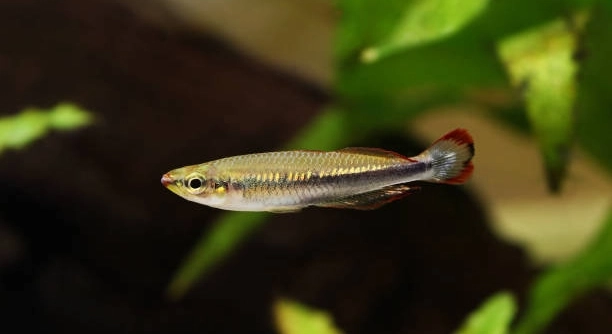
Have you ever wondered how to prepare your aquarium before bringing home new fish, making sure everything feels calm and comfortable so your new additions can settle into their new environment without unnecessary stress or confusion?
Before introducing new fish, the essential steps involve stabilizing water chemistry, establishing a proper nitrogen cycle, quarantining new arrivals, and ensuring compatibility among species, creating a controlled environment that reduces stress and supports long term health within the aquarium ecosystem.
These early preparations support a smoother transition for your new fish and help create a peaceful environment where they can adjust with ease.
Test and Stabilize Water Parameters
Preparing your aquarium begins with making sure the water parameters are steady and safe, since this creates the base your new fish will rely on from day one. I like to take my time during this step because small changes can make a big difference later. Start by checking pH, ammonia, nitrite, and nitrate levels with a reliable test kit, and adjust them slowly if anything seems off. Giving the tank a little extra attention now helps prevent sudden shifts that could bother sensitive fish. It also gives you a clear idea of how well your filtration system is working. When everything stays consistent for several days, you can feel more confident that your tank is ready for the next steps. This simple routine supports a stable environment that your new additions will appreciate once they arrive and begin settling into their new space. It keeps stress levels much lower.
Testing your water regularly lets you spot issues before they affect your new fish, giving you time to correct anything that might cause stress. Keeping parameters stable makes the entire tank feel calmer and more predictable, which helps your new additions settle in smoothly from the start of their stay.
Allowing the tank to stabilize also prepares you for the small adjustments that may come with everyday care. I find that when water values move slowly and predictably, the rest of the setup becomes easier to manage. This step helps your filter bacteria stay active, your plants remain steady, and your overall environment function in a balanced way. It also reduces the chance of sudden surprises once your new fish arrive. By checking the numbers and making gentle corrections, you support a tank that feels safe and steady, giving your incoming fish the calm space they need to settle fully.
Set Up a Proper Quarantine Tank
Setting up a quarantine tank helps protect your main aquarium from unwanted problems while giving new fish a safe place to adjust. This separate space lets you observe their behavior, monitor eating habits, and check for signs of stress or illness before allowing them into your established tank at home.
A quarantine tank is one of the most helpful tools you can use when preparing to add new fish, since it gives you full control over their early care. I like to keep this tank simple, with a small filter, heater, and hiding spots that help fish feel comfortable. Using this separate space allows you to watch for symptoms such as clamped fins, odd swimming patterns, visible spots, or a lack of appetite. If anything appears unusual, you can take action without affecting your main setup. Maintaining stable water conditions in the quarantine tank is important because stressed fish often react strongly to even small changes. Daily checks let you catch concerns early and treat them gently. This period also helps new fish recover from travel and adjust to your feeding routine. Taking the time to quarantine prevents possible spread of issues that could harm the community you already have. When the fish look active, eat well, and show steady behavior for a couple of weeks, you can move them with confidence. This step keeps your main aquarium healthy and stable, offering a smooth transition that supports long term wellness. It also builds a safer environment for every future addition.
Ensure the Tank Is Fully Cycled
Making sure your tank is fully cycled protects new fish from harmful spikes that could cause stress or illness. I focus on giving the beneficial bacteria enough time to develop, since this helps create a stable environment that supports healthy behavior and steady feeding habits once the fish arrive safely.
A fully cycled tank keeps toxic substances under control by allowing bacteria to process waste efficiently. I like to test the water every day during this phase, watching for ammonia and nitrite to drop to zero as nitrate rises slowly. This tells me the bacteria are working well. Taking time here prevents sudden swings that could overwhelm new fish. It also gives you a clear picture of how your filter performs under normal conditions. When the cycle is complete, the tank becomes much more predictable, allowing new fish to adjust without dealing with unexpected changes or unstable water values today.
Maintaining the cycle is just as important as establishing it, since daily habits can affect stability. I prefer feeding lightly and removing uneaten food to keep waste levels manageable. This helps beneficial bacteria stay active without becoming overwhelmed. Regular testing allows you to catch early shifts before they grow into bigger concerns. Clean the filter gently so the bacteria remain intact. A tank with a consistent cycle supports healthy breathing, steady movement, and calmer behavior once new fish enter. Keeping everything stable before adding them helps reduce stress and gives them a smoother start as they explore their new space.
Prepare Compatible Tankmates
Choosing compatible tankmates prevents conflict and creates a calmer space for newcomers. I take time to compare sizes, behaviors, and activity levels so the tank stays balanced. Understanding how each species reacts to territory, feeding times, and social dynamics helps reduce tension once new fish arrive. This simple step keeps the environment steady and reduces unnecessary stress for everyone already living in the tank, allowing new additions to settle without pressure from others in peace.
Selecting compatible species also helps maintain a stable environment for long term care. I like to watch how existing fish interact before adding new ones, since this reveals any territorial patterns that might cause issues. Matching activity levels keeps fast swimmers from stressing slower fish. Size differences matter as well because larger species may intimidate or accidentally harm smaller newcomers. Feeding styles should be considered so everyone gets enough food without competition. Taking a moment to understand these factors shapes a peaceful aquarium that stays balanced even as new fish settle in. A thoughtful selection process creates a safer space with fewer conflicts and supports a healthier transition for every addition. This simple planning step keeps the entire tank calmer and more predictable each day.
Arrange Proper Hiding Spots
Adding hiding spots helps new fish feel secure as they adjust to their surroundings. I like using plants, caves, or small decorations that create quiet areas. These spaces reduce stress and make it easier for shy or sensitive fish to settle without feeling overwhelmed or exposed.
Keeping several hiding places spread across the tank also prevents territorial issues, since each fish can claim its own spot. This simple setup supports calmer behavior and smoother introductions. A few well placed shelters give new additions a chance to rest, explore slowly, and adjust at their own pace without disturbance.
Clean and Prepare Equipment
Cleaning equipment prevents unwanted buildup that could affect water quality. I like rinsing filters, wiping glass, and checking heaters and air pumps so everything works properly. Avoid using harsh chemicals, since they can linger and harm sensitive fish. A simple warm water rinse keeps equipment safe and ready for use. Consistent maintenance also helps the tank run smoothly once new fish arrive. Clean tools ensure strong water flow, steady temperature, and clear surfaces for healthy bacterial growth. Preparing everything early makes the transition easier and reduces small issues that might cause stress later.
Check Temperature Consistency
Keeping the temperature steady helps new fish adapt comfortably. Even small swings can create stress, so I monitor the heater closely and make adjustments slowly. A consistent temperature creates a calmer environment where new additions can settle without sudden shifts affecting their behavior or health.
FAQ
How long should I quarantine new fish before adding them to the main tank?
A quarantine period of two to four weeks is usually enough to observe new fish for signs of stress, illness, or unusual behavior. I like giving them this extra time because it helps me catch problems early without risking the health of the main tank. During this period, I watch their appetite, swimming patterns, and overall condition. If everything stays normal, they are usually ready to move. Keeping the quarantine tank calm, clean, and consistent makes the process smoother. This simple step protects both new arrivals and the established community in the long run.
What signs should I look for during quarantine?
During quarantine, I watch for things like clamped fins, white spots, color fading, labored breathing, or unusual swimming. Anything that seems off usually tells me the fish needs extra care. I check their appetite daily, since refusing food can signal stress or illness. Clear eyes, steady movement, and normal curiosity are good signs. If I notice something concerning, I prefer treating them in the quarantine tank instead of risking the main aquarium. This close monitoring helps prevent issues from spreading and gives new fish a better chance to recover comfortably.
Why is cycling the tank so important before adding new fish?
Cycling lets beneficial bacteria establish themselves so they can process waste safely. Without this step, ammonia and nitrite levels rise quickly, which can harm or overwhelm new fish. I like taking time to ensure these levels stay at zero before adding anything. A fully cycled tank supports healthy breathing, steady movement, and calm behavior because the water chemistry stays predictable. This stability helps new fish adapt more comfortably and reduces stress during the first few days when they are still adjusting to their new surroundings.
How can I tell if my tank is fully cycled?
Regular testing makes this much easier. When ammonia and nitrite remain at zero for several days while nitrate rises gently, the tank is usually cycled. I also check stability by lightly feeding the tank or adding a small amount of ammonia to see if the system processes it quickly. A tank that handles this without sudden spikes is generally ready. Once everything stays consistent, it creates a safe environment where new fish can settle without facing harsh changes in water quality.
What should I do if my water parameters fluctuate before adding new fish?
If I notice shifts, I avoid rushing the process. I prefer making small adjustments, such as partial water changes, reducing feeding, or checking my filter for buildup. Allowing the tank to settle naturally helps bacteria recover and keeps the cycle intact. When parameters stop changing, I feel more confident about adding new fish. Stabilizing the tank ensures they enter a calm and steady environment rather than one that might stress them right away.
How can I reduce stress when introducing new fish?
I start by keeping the lights low, moving slowly, and giving them time to explore the tank at their own pace. I also avoid feeding immediately, since allowing them to rest helps them adjust better. Providing hiding spots, maintaining stable water parameters, and keeping the environment quiet all make the transition easier. Small comforts like these help new fish feel safer and more relaxed as they adjust.
Should I rearrange the tank before adding new fish?
Rearranging decorations can help reduce territorial behavior from existing fish. I like shifting a few plants or caves so no one feels like a certain spot belongs to them. This resets the environment slightly and helps everyone adjust together. It creates a fairer space where new additions can settle without immediate pressure.
Final Thoughts
Preparing a tank for new fish takes patience, attention, and a calm mindset, but each step brings you closer to a stable and peaceful aquarium. I find that giving myself enough time to check water quality, watch equipment, and confirm that everything is steady makes the entire experience feel smoother. When the environment is well balanced, new fish adjust with far less stress, and you get to enjoy watching them explore the space you created with care. It helps to remember that fish depend heavily on consistent conditions, and even simple routines can make a big difference. Every small task, from testing the water to rearranging small decorations, shapes a home where fish can thrive. When you stay patient and observant, you build a safer environment that protects both your current fish and any future additions you plan to bring in.
I also think it feels reassuring to know that many potential issues can be avoided through preparation rather than reaction. Taking time to quarantine new arrivals, compare species, and confirm compatibility reduces conflict and health risks before they ever begin. This keeps your main tank calmer and prevents disruptions that might unsettle the fish you already care for. It is easier to treat health concerns in a smaller space, and early observation often helps you catch subtle signs that might otherwise go unnoticed. Your routine might feel slow at times, but it builds confidence in the long run because you can trust the steps you followed. The more careful you are during preparation, the more comfortable your fish will be once they enter the main aquarium.
Bringing new fish into a prepared tank feels rewarding because you know you have taken every practical step to give them a healthy start. Watching them settle, explore hiding spots, and begin interacting with their surroundings brings a sense of quiet satisfaction. It reminds you that your planning and steady approach create an environment where each fish can grow and behave naturally. A well prepared tank stays balanced, and this balance benefits every future choice you make for your aquarium. With a thoughtful setup, consistent maintenance, and gentle observation, your tank becomes a stable home that supports long term health. Taking these steps not only protects your new additions but also strengthens the overall harmony of your aquarium for years to come.

Hello,
If you enjoy the content that we create, please consider saying a "Thank You!" by leaving a tip.
Every little bit helps us continue crafting quality advice that supports the health, happiness, and well-being of pets around the world, for pets of all shapes, sizes, and species.
We really appreciate the kindness and support that you show us!