
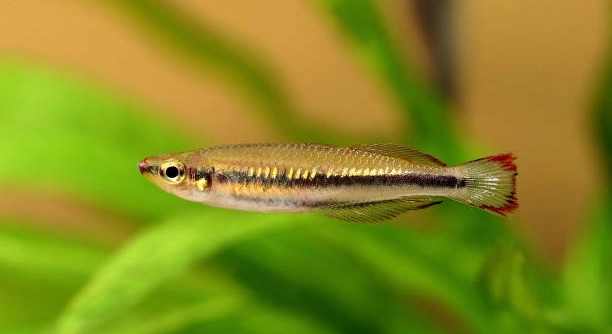
Watching rainbowfish swim in their tank can be calming, yet their movements often hide subtle messages. Observing them carefully can help you understand their moods, social interactions, and overall health in a gentle, friendly way.
Rainbowfish exhibit behaviors that indicate stress, social hierarchy, feeding patterns, and breeding readiness. Careful observation of fin movements, color changes, swimming patterns, and interactions with tank mates allows aquarists to interpret these signals accurately for informed care decisions.
Learning these subtle signs can improve your connection with rainbowfish and enhance the harmony within your aquarium community.
Observing Color Changes
Rainbowfish often shift colors subtly, and these changes reveal a lot about their condition. Bright, vibrant colors usually signal good health, a comfortable environment, and readiness to interact. Dull or faded tones may indicate stress, illness, or poor water conditions. Watching for gradual changes in hue can help you detect problems early. Temperature, lighting, and diet all influence coloration, so maintaining consistent conditions is essential. Social dynamics also play a role—dominant fish often display more intense colors, while submissive ones may appear paler. Paying attention to these variations allows you to respond appropriately, whether adjusting tank settings, checking water quality, or observing interactions more closely. Over time, you can learn each fish’s normal patterns, making deviations easier to spot. Understanding color signals helps improve care routines and creates a healthier, more balanced environment.
Color changes are a reliable indicator of rainbowfish wellbeing, reflecting stress levels, social status, and overall environmental comfort within the tank.
Noticing these shifts early can prevent health issues and improve tank harmony, allowing your rainbowfish to thrive naturally.
Reading Swimming Patterns
Smooth, coordinated swimming usually indicates comfort and security, while erratic movements often point to stress or illness. Observing how your rainbowfish interact with each other and with objects in the tank provides insight into their mental and physical state. Fish that hover near the surface, dart quickly, or isolate themselves may need attention. Tracking these patterns over time helps identify normal behavior and recognize when changes occur, prompting timely interventions. Swimming patterns also reveal social hierarchy, feeding readiness, and reactions to environmental changes, including new tank mates or rearranged decorations. By noting speed, direction, and position, you can better interpret moods and needs. A calm, rhythmic swim often shows satisfaction, while sudden bursts of motion suggest alertness or discomfort. Understanding these patterns helps create an environment that encourages natural behavior, supports health, and reduces stress among the fish.
Swimming patterns provide crucial information about social interactions, stress, and environmental adaptation, helping you maintain a balanced aquarium.
Tracking movement over weeks allows you to detect subtle shifts, anticipate problems, and tailor care practices. Consistent observation reveals preferences for tank zones, interactions with plants or decorations, and feeding behaviors. Over time, you will notice how different fish respond to changes in water temperature, lighting, or social groupings. Some may seek shelter more often, while others patrol open areas confidently. Recognizing these tendencies helps you structure the tank in a way that encourages natural swimming and reduces conflicts. Additionally, observing how rainbowfish react to each other’s movements clarifies social hierarchy and feeding order. Combining these observations with color cues and fin behavior provides a comprehensive understanding of each fish’s wellbeing. This attentive approach fosters healthier, happier fish and minimizes the risk of disease or stress-related issues.
Watching Fin Movements
Rainbowfish use their fins to communicate moods and intentions. Raised fins often show alertness or dominance, while clamped fins may indicate stress or discomfort. Gentle flicks during swimming can signal relaxation. Observing these subtle movements helps identify health and social status quickly.
Fin movement reflects both emotional state and physical condition. Rapid fin flicks or trembling may indicate irritation from water quality or aggressive tank mates. Slightly drooping or folded fins can point to illness, injury, or fatigue. By noting how fins behave during feeding, interaction, and resting, you can better assess each fish’s wellbeing. Fin posture is closely linked to confidence and hierarchy within the tank, with dominant fish displaying more prominent, spread fins. Monitoring these details regularly allows early intervention when something seems off.
Certain fin behaviors also indicate reproductive readiness. Males may flare their dorsal or anal fins during courtship, while females show subtler adjustments. Observing fin patterns alongside color changes and swimming style offers a fuller understanding of mood, stress levels, and social dynamics. Even minor differences between individuals can reveal hierarchy, compatibility, and potential tension within the tank. Using fin movement as a guide enhances overall care and helps maintain harmony among rainbowfish. Careful observation creates a safer environment and reduces the likelihood of conflict or illness, keeping your fish active and thriving over time.
Noticing Feeding Behavior
Rainbowfish often display distinct behaviors during feeding, signaling appetite and health. Quick, eager swimming toward food shows hunger, while hesitation or avoidance may indicate stress or illness. Observing feeding routines gives insight into individual needs.
Feeding behavior reveals much about overall wellbeing. Fish that consistently eat without hesitation are usually healthy, while sudden disinterest can point to water quality issues, dietary imbalances, or illness. Monitoring the order in which fish approach food shows social hierarchy and dominance patterns. Some fish may chase others away or hoard food, while submissive ones wait patiently. Differences in feeding speed and technique can indicate strength, health, and confidence. Watching how each fish consumes pellets, flakes, or live food helps identify potential problems early and ensures that all tank members receive proper nutrition.
Certain rainbowfish may nibble at plants or explore the substrate before eating, reflecting natural curiosity and instinct. Tracking these small details along with social interactions during feeding gives a clearer picture of each fish’s comfort and health. Over time, you will notice which fish are more aggressive, which are more cautious, and how they respond to changes in diet or feeding times. Using feeding behavior as a guide allows adjustments to tank conditions, diet, and group dynamics, supporting the wellbeing of all rainbowfish in the aquarium.
Understanding Social Interactions
Rainbowfish often establish social hierarchies through subtle displays. Dominant fish may chase others lightly or swim confidently in open areas, while submissive fish keep to the edges or hide behind plants. Observing these interactions helps identify relationships and stress levels.
Body posture and proximity indicate comfort and hierarchy. Fish that swim close together calmly are usually bonded, while aggressive or defensive postures signal tension. Monitoring how rainbowfish approach or avoid each other during feeding, swimming, and resting times reveals their social structure. Recognizing these patterns ensures a balanced environment, reduces conflict, and helps you respond appropriately to aggression or stress within the tank.
Recognizing Breeding Signals
Male rainbowfish often show intensified colors, flared fins, and active swimming around females. Females respond subtly, sometimes adjusting their position or displaying gentle movements. Tracking these behaviors over time helps identify readiness for breeding.
Monitoring Resting Behavior
Rainbowfish rest by slowing movements and hovering in calm areas. Noticing changes in resting patterns can reveal stress, illness, or environmental discomfort.
FAQ
How can I tell if my rainbowfish is stressed?
Stress in rainbowfish often shows through changes in color, clamped fins, or erratic swimming. Fish may hide more often, eat less, or avoid social interaction. Observing these signs early allows you to adjust water quality, tank conditions, or social groupings to reduce stress effectively.
Why is my rainbowfish swimming erratically?
Erratic swimming can result from poor water conditions, illness, or sudden environmental changes. Check for ammonia, nitrite, or nitrate levels, and ensure temperature and pH are stable. Observing interactions with tank mates also helps identify if aggression or social hierarchy issues are causing discomfort.
What do color changes in rainbowfish mean?
Color changes indicate mood, health, and social status. Bright colors usually signal confidence and health, while faded tones may suggest stress, illness, or poor water conditions. Males often intensify color when courting females, so combining color observations with behavior gives a clearer understanding of wellbeing.
How do I know if my fish is ready to breed?
Males display bright colors, flared fins, and active chasing of females. Females respond subtly, sometimes adjusting their position or moving gently around males. Consistent observation over time helps identify readiness and reduces stress during breeding attempts.
Why are some rainbowfish hiding more than others?
Hiding behavior often reflects submission, stress, or a need for shelter. Submissive fish avoid confrontation with dominant tank mates. Providing plants, caves, or hiding spots helps reduce tension and allows shy fish to feel secure, maintaining harmony within the tank.
How can I tell if my rainbowfish is healthy?
Healthy rainbowfish are active, swim smoothly, display vibrant colors, and eat consistently. Fins should be upright and intact. Observing regular swimming patterns, social interactions, and feeding behavior provides a reliable measure of overall health. Deviations from these behaviors may signal illness or environmental issues.
Why is my fish not eating as usual?
A decrease in appetite can indicate stress, poor water quality, or illness. It may also relate to changes in diet or competition with other fish. Monitoring feeding behavior alongside water parameters ensures fish receive proper nutrition and prevents long-term health problems.
How can I prevent aggression in rainbowfish?
Aggression often arises from overcrowding or dominance disputes. Maintain appropriate group sizes, provide hiding spots, and monitor interactions during feeding. Observing fin movements and chasing behavior helps you identify early signs of tension and intervene before it escalates.
Do rainbowfish communicate with each other?
Yes, through fin movements, color changes, swimming patterns, and positioning. Dominant fish display raised fins and bright colors, while submissive fish keep low profiles. Recognizing these subtle cues helps you understand social dynamics and maintain a balanced environment.
How do I know if my rainbowfish are comfortable in the tank?
Comfort is shown through smooth swimming, consistent color, active feeding, and calm resting in open areas. Fish that avoid stress-related hiding or erratic movements indicate a suitable and stable environment. Regular observation ensures you can make adjustments to maintain their comfort and wellbeing.
Can resting behavior indicate health issues?
Yes, resting patterns reveal stress, illness, or environmental discomfort. Fish that hover unusually, remain inactive for long periods, or separate from the group may need water checks, tank adjustments, or closer monitoring to prevent problems.
How often should I observe my rainbowfish?
Daily observation is ideal to track color, fin movement, swimming patterns, and social interactions. Consistent monitoring helps catch early signs of stress or illness, allowing prompt adjustments to tank conditions and care routines.
What is the best way to monitor multiple behaviors together?
Combine observations of color, fins, swimming, feeding, and resting. Keeping notes or mental records of changes over time helps detect trends, identify issues, and ensure the fish are thriving in a harmonious tank environment.
Are certain behaviors more important to watch than others?
All behaviors—color, fins, swimming, feeding, resting, and social interaction—offer insight into health and wellbeing. Prioritize patterns that deviate from normal routines, as these often indicate stress, illness, or environmental problems that require attention.
How long does it take to understand my rainbowfish’s normal behavior?
With daily observation, most owners recognize typical patterns within a few weeks. Knowing each fish’s usual colors, swimming habits, and social tendencies allows quicker detection of changes, improving care and preventing potential problems.
Final Thoughts
Observing rainbowfish is a rewarding way to understand their needs and moods. Each movement, color change, and interaction carries meaning, and taking the time to notice these signs can make a real difference in their wellbeing. Maintaining a consistent environment with proper water conditions, lighting, and diet is essential for their health. Rainbowfish respond to stability, and small adjustments in care can prevent stress and illness. Over time, watching their behavior becomes easier, and subtle cues become more obvious. You begin to recognize which fish are confident, which are shy, and how social hierarchies influence their daily routines. Paying attention to these details helps ensure that every fish in the tank thrives and interacts in a balanced, healthy way.
Understanding rainbowfish behavior also improves the relationship between you and your aquarium. While they do not show affection in the same way as mammals, they communicate through actions that reflect comfort, stress, or curiosity. Recognizing patterns such as fin movements, swimming styles, and feeding habits allows you to respond appropriately, whether it means adjusting the tank, offering more hiding spaces, or observing for health issues. Fish that are observed carefully and consistently often show more natural, relaxed behavior. Noticing these small changes can prevent larger problems, and it becomes easier to anticipate needs before they escalate. This ongoing observation creates a calm and harmonious environment, benefiting both the fish and your experience as a caretaker.
Finally, patience and attention are key. Rainbowfish do not reveal all their signals at once, and some behaviors may be easy to miss at first. Taking time to watch them daily and noting changes in color, social interaction, or swimming patterns builds a stronger understanding of their habits. Even small details, such as resting in a particular area or the way a male flares its fins during courtship, provide valuable insight. Over weeks and months, these observations help you create a stable, healthy, and comfortable home for your rainbowfish. With consistency and care, you can support their natural behaviors, improve overall health, and enjoy a more engaging, interactive aquarium. Observing rainbowfish is a continuous process, and the effort invested in learning their behaviors rewards you with a thriving, dynamic, and peaceful tank environment.

Hello,
If you enjoy the content that we create, please consider saying a "Thank You!" by leaving a tip.
Every little bit helps us continue crafting quality advice that supports the health, happiness, and well-being of pets around the world, for pets of all shapes, sizes, and species.
We really appreciate the kindness and support that you show us!