
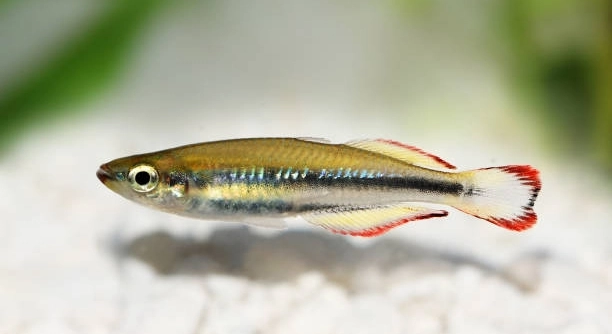
Are your tank routines feeling a bit stale or repetitive lately? Many aquarium owners find themselves following the same steps without noticing small improvements that could make a big difference in their tank’s health.
Improving a tank routine can be achieved through simple, consistent adjustments. Regular water testing, scheduled cleaning, and careful monitoring of fish behavior contribute significantly to maintaining a balanced and healthy aquatic environment. Attention to detail ensures long-term success.
Small changes can lead to noticeable improvements, making the tank environment more stable and enjoyable for both you and your fish. Exploring these methods will make caring for your tank easier and more effective.
Establish a Consistent Cleaning Schedule
Keeping a consistent cleaning schedule for your tank is one of the most effective ways to maintain water quality and fish health. I found that setting specific days for partial water changes and substrate vacuuming makes a huge difference. Algae buildup is easier to manage when tackled weekly, and decorations stay free of slime. Testing water parameters during these cleanings helps catch issues early before they escalate. Even a small routine of checking filters, removing debris, and wiping down glass keeps the tank environment balanced. Over time, it becomes second nature, and fish seem more active and healthy. Consistency reduces stress for both the fish and the owner.
A consistent cleaning schedule helps prevent sudden water problems and keeps fish healthier overall. Small, regular tasks are better than occasional deep cleans, which can shock the ecosystem.
Sticking to a weekly or biweekly schedule ensures all aspects of the tank are addressed. It reduces the buildup of harmful compounds like ammonia and nitrites. Fish benefit from predictable conditions, which lowers stress and supports growth. Over time, this habit prevents more serious maintenance issues, saving both time and effort. Even adjusting small details, such as the duration of vacuuming or filter cleaning, improves overall tank stability. A predictable routine also allows you to monitor fish behavior closely. Any unusual changes are noticed quickly, making it easier to act before problems worsen. Regular maintenance keeps both water clarity and fish health optimal. This steady approach builds a healthier environment without overwhelming anyone, creating a smooth and manageable tank care process.
Monitor Fish Behavior Daily
Observing your fish every day helps catch health issues early. Small changes in movement or appetite can signal a problem before water tests show it.
Daily observation is key to preventing serious issues. Fish behavior gives immediate clues about tank conditions.
Noticing subtle shifts in swimming patterns, color, or feeding habits allows quick adjustments to feeding, filtration, or water parameters. Even minor stressors, like overcrowding or incompatible tank mates, can be detected early. Keeping a simple log of behavior changes helps track trends over time. By watching closely, you also learn each species’ normal patterns, making deviations easier to spot. These observations support better decisions for feeding schedules and tank layout. Monitoring daily prevents small problems from escalating into emergencies, keeping the environment stable. It also improves your connection with the fish, making care feel more personal. This daily habit is simple but highly effective for maintaining a healthy, thriving tank.
Optimize Filtration
A well-maintained filter is essential for clear water and healthy fish. Cleaning it regularly and replacing media as needed keeps the system working efficiently. Overloaded filters can reduce oxygen levels and stress fish.
Keeping your filter clean prevents debris buildup and maintains proper flow. I learned that rinsing sponges and checking intake tubes weekly keeps performance steady. Avoid over-cleaning or using tap water with chlorine, as it can kill beneficial bacteria. Proper placement also matters—filters should circulate water evenly without creating strong currents that stress fish. Regular monitoring ensures mechanical, chemical, and biological filtration are all functioning. Adjusting flow or adding extra media can address specific tank needs, like heavily stocked tanks or species sensitive to water quality. A reliable filter reduces the risk of sudden water problems and supports stable conditions for fish. Proper filtration is the foundation of any low-maintenance tank routine.
Even small adjustments to filter setup make a noticeable difference. For example, upgrading to a higher-capacity filter or adding bio-media improves water quality significantly. Watching how water moves through the tank can reveal dead spots where debris accumulates, and repositioning the filter often fixes these areas. Combining mechanical and biological filtration ensures waste is efficiently removed while beneficial bacteria thrive. Some tanks benefit from additional circulation pumps or sponge filters, especially in densely stocked setups. By optimizing filtration, maintenance becomes easier, water remains clearer, and fish health improves steadily. This approach supports a balanced, low-stress environment for all tank inhabitants.
Adjust Feeding Practices
Overfeeding is a common mistake that leads to water problems and unhealthy fish. Feeding small amounts prevents waste buildup and keeps fish active.
Feeding carefully helps maintain water quality. I noticed that using measured portions twice daily reduces leftovers, preventing algae growth. Avoid giving food that sinks too quickly or clumps, as uneaten bits decay and raise ammonia levels. Rotate diets with pellets, flakes, or frozen foods to ensure balanced nutrition. Some species need grazing throughout the day, while others thrive on scheduled feedings. Watching how much your fish eat within a few minutes helps gauge proper portions. Feeding practices directly influence water chemistry and fish vitality.
Changing feeding routines improves both tank cleanliness and fish health. When I started monitoring consumption, I discovered some fish were more aggressive feeders, leaving others hungry. Spreading food evenly and targeting species-specific needs prevents competition and stress. Using feeding tools like tweezers or automatic feeders adds control, especially for small or shy species. Adjusting quantity based on tank size and stocking density ensures waste stays minimal. Consistent, thoughtful feeding reduces ammonia spikes, limits algae growth, and supports strong, healthy fish. Over time, fish develop predictable behavior, and the tank remains stable without extra interventions. This strategy makes daily care smoother and more effective.
Maintain Proper Water Temperature
Stable water temperature keeps fish healthy and reduces stress. Sudden fluctuations can lead to illness or weakened immune systems.
Using a reliable heater and thermometer helps maintain consistent conditions. I check readings daily to catch small changes early. Placement of the heater matters for even heat distribution.
Test Water Regularly
Regular testing of ammonia, nitrites, nitrates, and pH ensures the tank environment is safe. Weekly testing helps detect problems before they affect fish health. I keep a simple log to track trends, making adjustments easier and maintaining a stable environment.
Clean Decorations and Plants
Algae and debris can accumulate on decorations and plants. I remove and gently scrub them during water changes to keep surfaces clean and maintain water quality.
Rotate Lighting
Adjusting light duration prevents algae overgrowth and supports plant health. I keep a timer to maintain consistent light cycles, balancing brightness and dark periods effectively.
FAQ
How often should I change the water in my tank?
Changing water regularly keeps the tank clean and fish healthy. I usually replace about 20-30% of the water weekly. This removes excess waste and maintains balanced water chemistry without shocking the fish. Smaller, frequent changes work better than large, infrequent ones.
What is the best way to feed multiple species in one tank?
Different fish have different feeding habits. I separate food types and distribute them to areas where each species feeds best. Watching them eat ensures all fish get their share. Rotating pellets, flakes, and frozen food helps meet nutritional needs without overfeeding.
How do I know if my filter is working properly?
A functioning filter keeps water clear and circulation steady. I check the flow rate, listen for unusual sounds, and inspect for trapped debris weekly. Cleaning media without killing beneficial bacteria helps maintain efficiency. Adding a backup filter is useful for larger tanks.
Can I use tap water directly in my tank?
Tap water often contains chlorine or chloramines, which are harmful to fish. I always treat tap water with a dechlorinator before adding it to the tank. Testing pH and hardness after treatment ensures water conditions remain safe for all species.
How can I prevent algae growth?
Algae thrives in excess light and nutrients. I control lighting duration with a timer and avoid overfeeding. Cleaning decorations, vacuuming substrate, and using live plants help absorb nutrients that algae would otherwise use. Algae-eating fish or snails also keep growth manageable.
What signs indicate my fish are stressed?
Stress can show through erratic swimming, loss of color, hiding, or refusing food. I watch daily for these signs and check water parameters immediately. Adjusting temperature, reducing crowding, or improving hiding spots often helps fish calm down quickly.
How do I handle sick fish?
Isolation is key. I move sick fish to a quarantine tank to prevent spreading disease. Observing symptoms like fin rot, white spots, or lethargy helps determine treatment. Medication and water changes in the quarantine tank usually improve recovery rates.
Is it necessary to use a timer for lighting?
Consistent light cycles reduce stress and support plant growth. I use a timer to maintain a balance of about 8-10 hours of light per day. This consistency prevents sudden changes that can encourage algae or disrupt fish behavior.
What is the best way to introduce new fish to a tank?
I acclimate new fish slowly to avoid shock. Floating the bag for temperature equalization, then gradually adding tank water over 20-30 minutes helps them adjust. Observing them during the first hours ensures they settle in without stress or conflict.
How do I keep track of water parameters efficiently?
I use test kits weekly and note results in a simple log. Recording pH, ammonia, nitrites, and nitrates over time helps spot trends early. Digital testers are convenient, but regular manual testing is effective and ensures a healthy environment.
Can I mix plants and fish safely?
Yes, but I choose species that coexist well. Some fish may nibble on plants, so I select hardy species or fast-growing plants. Live plants improve oxygen levels and help absorb waste, creating a healthier ecosystem for both fish and plants.
How do I know if my tank is overstocked?
Overstocking leads to poor water quality and stressed fish. I follow the general guideline of one inch of fish per gallon, while considering adult size. Monitoring behavior, aggression, and water parameters also helps determine if the tank is at capacity.
Should I feed fish every day?
Daily feeding is fine if portions are small. I feed twice a day, ensuring all food is eaten within a few minutes. Skipping a day occasionally can help prevent overfeeding and keep water quality stable.
How do I maintain a planted tank?
Regular trimming, removing dead leaves, and controlling light duration are key. I fertilize as needed and keep substrate clean. Healthy plants compete with algae and create a balanced environment that benefits both fish and the tank ecosystem.
What are signs my water chemistry is off?
Cloudy water, strong odors, algae blooms, and stressed fish are clear indicators. I test pH, ammonia, nitrites, and nitrates immediately. Early detection allows quick adjustments like partial water changes or filter maintenance to restore balance.
How do I reduce tank odor?
Regular cleaning, removing uneaten food, and maintaining the filter are essential. I also vacuum substrate during water changes and ensure proper aeration. Avoiding overstocking and overfeeding keeps odor minimal and the tank pleasant.
How important is substrate maintenance?
Substrate can trap debris and waste. I vacuum it lightly during water changes to remove buildup without disturbing beneficial bacteria. A clean substrate prevents harmful compounds from accumulating and helps maintain overall water quality.
What should I do if a fish dies unexpectedly?
Remove the fish immediately to prevent contamination. I check water parameters and inspect other fish for signs of illness. Understanding the cause helps prevent further losses and keeps the tank stable for remaining inhabitants.
Can I use tap water additives safely?
Yes, but only according to instructions. I use dechlorinators, pH stabilizers, and beneficial bacteria boosters when necessary. Overuse can harm fish, so careful measurement is crucial. Proper additives maintain water quality without introducing stress.
How do I know if my tank plants need nutrients?
Yellowing leaves, stunted growth, or holes are signs. I dose liquid fertilizers or root tabs based on plant type. Healthy plants improve oxygen and water quality, benefiting the fish while keeping algae growth in check.
How can I reduce stress when rearranging the tank?
I move decorations slowly and avoid sudden changes in territory. I also give fish hiding spots and minimize handling. Gradual adjustments help them adapt without aggression or stress.
Is it necessary to quarantine plants before adding them?
Yes, quarantine prevents introducing pests or algae. I rinse new plants and keep them separate for a few days. Observing for snails, algae, or disease before planting protects the main tank’s health.
How do I maintain stable pH levels?
I monitor pH regularly and use buffers if needed. Sudden shifts are harmful, so gradual adjustments are best. Regular water changes and proper substrate selection also help maintain a stable environment.
What is the easiest way to prevent fish fighting?
Choosing compatible species and providing enough space is key. I add hiding spots and plants to reduce territorial disputes. Observing interactions daily ensures any aggression is addressed quickly, keeping all fish safe.
How can I encourage natural behavior in fish?
Providing proper hiding spots, open swimming areas, and varied food encourages natural activity. I watch which areas fish prefer and adjust tank layout to support their instincts. This improves both health and well-being.
Are automatic feeders worth using?
Yes, especially for busy schedules. I set small, consistent portions to prevent overfeeding. Automatic feeders maintain routine even when away, reducing stress and keeping water quality stable.
How do I prevent fish from jumping out?
I use a secure lid and leave no gaps. Some species are more prone to jumping, so observing behavior and adjusting cover helps prevent accidents. Proper lighting and calm water surface also reduce jumping.
Can I mix saltwater additives in a freshwater tank?
No, freshwater species cannot tolerate saltwater additives. I only use products formulated for freshwater tanks. Using the wrong additives can harm fish, plants, and beneficial bacteria.
How do I know if my tank lighting is adequate?
Healthy plant growth and normal fish behavior indicate proper lighting. I use timers to maintain consistent cycles and adjust intensity based on plant and fish species needs. Proper lighting supports growth and reduces algae issues.
What is the best way to clean the tank glass?
I use a soft algae scraper or magnet cleaner. Avoid harsh chemicals that could contaminate water. Cleaning regularly improves visibility and maintains the tank’s appearance without disturbing fish.
How do I control water hardness?
Testing is key. I adjust hardness gradually using proper buffers or by blending tap water with RO water if necessary. Stable hardness supports fish health and prevents stress or disease.
Can I keep live plants with aggressive fish?
Yes, but I choose sturdy species or protect delicate plants with decorations. Aggressive fish may uproot or nibble plants, so placement and plant type are important for long-term survival.
How do I manage a heavily stocked tank?
Frequent water changes, strong filtration, and careful feeding help manage higher fish density. I monitor behavior and water parameters closely, adjusting care routines to prevent stress and maintain water quality.
What is the best way to acclimate fish from different water conditions?
Gradual introduction is essential. I add tank water to the transport bag slowly over 20-30 minutes, allowing fish to adjust to temperature and chemistry. Monitoring during the first hours ensures safe adaptation.
How can I reduce stress during maintenance?
Performing tasks slowly and avoiding sudden movements helps. I keep fish in mind when rearranging or cleaning, using temporary hiding spots if necessary. Calm, consistent care reduces stress for everyone in the tank.
What is the ideal temperature range for tropical fish?
Most tropical fish thrive between 74-80°F. I maintain consistent temperature with a reliable heater and thermometer. Small fluctuations are manageable, but sudden changes can stress or harm fish.
How do I prevent filter blockages?
Regular cleaning of intake tubes and sponges prevents clogs. I also remove large debris during water changes. Proper maintenance ensures steady water flow and protects fish from stagnant areas.
Can I reuse old filter media?
Yes, but I rinse it gently in tank water during maintenance. Avoid tap water, which kills beneficial bacteria. Reusing media supports biological filtration and reduces startup time for new tanks.
How do I know if my tank is under-cycled?
High ammonia or nitrite levels indicate incomplete cycling. I test water regularly and avoid adding many fish too quickly. Patience and proper monitoring ensure a fully established biological filter before stocking heavily.
What is the best way to introduce live food?
I rinse and inspect live food before feeding. Adding it in small amounts prevents leftovers and supports natural hunting behavior. Live food encourages activity and provides essential nutrients for fish.
How do I maintain a clean substrate in a planted tank?
I vacuum around plants carefully to remove debris without disturbing roots. Regular water changes and trimming dead leaves prevent buildup. Clean substrate supports plant health and reduces harmful compounds.
What should I do if algae keeps returning?
I check light duration, feeding habits, and nutrient levels. Removing excess algae, balancing lighting, and maintaining consistent care usually control regrowth. Adding algae-eating species helps keep it in check naturally.
How do I ensure my fish get enough oxygen?
Proper filtration, water circulation, and live plants help maintain oxygen levels. I avoid overcrowding and check for stagnant areas, ensuring fish have access to well-oxygenated water at all times.
Can I use household items for tank maintenance?
Only safe items designed for aquariums should be used. I avoid soaps, chemicals, or abrasive cleaners that could harm fish or plants. Proper tools make maintenance safer and more effective.
How do I handle sudden changes in water parameters?
Partial water changes and careful monitoring help stabilize the tank. I adjust slowly to avoid shocking fish, ensuring that pH, ammonia, nitrites, and nitrates return to safe levels steadily.
What is the most important aspect of daily tank care?
Observing fish and checking water parameters consistently. I watch behavior, monitor water, and address small issues immediately. Daily attention prevents problems and supports a healthy, thriving tank.
How do I prevent diseases in my tank?
Quarantining new fish and plants, maintaining clean water, and avoiding overstocking are essential. I also watch for early signs of illness and act quickly to treat affected fish. Consistent care reduces the risk of outbreaks.
Can I use tap water conditioners with sensitive species?
Yes, but always follow dosage instructions carefully. I ensure the conditioner neutralizes harmful chemicals without affecting delicate fish. Proper preparation prevents stress and supports long-term health.
How do I maintain a peaceful tank environment?
Choosing compatible species, providing hiding spots, and monitoring behavior helps. I adjust stocking density and tank layout to reduce aggression, ensuring all fish live in a calm, stable environment.
What is the easiest way to prevent overfeeding?
Measure portions carefully and observe feeding times. I feed small amounts that fish can consume within minutes, reducing waste and maintaining water quality. Consistency helps prevent nutrient spikes and algae growth.
How do I prevent sudden ammonia spikes?
Regular water changes, proper filtration, and careful feeding reduce waste buildup. I also avoid overstocking and monitor water parameters to catch early signs of ammonia increases, ensuring a safe environment for fish.
How do I maintain plant growth in low-light tanks?
I choose low-light tolerant species and fertilize appropriately. Occasional trimming and proper substrate support healthy growth. These adjustments help maintain a green, balanced tank even with limited lighting.
How can I reduce tank maintenance time?
Consistency and planning make tasks easier. I clean filters and substrate on a set schedule, monitor water parameters regularly, and avoid overstocking. Efficient routines reduce stress and keep the tank healthy with less effort.
What is the best way to clean filter media?
Rinse media gently in tank water to preserve beneficial bacteria. I avoid harsh scrubbing or tap water. Regular maintenance ensures the filter continues to support biological filtration effectively.
How do I know if my fish are getting proper nutrition?
Healthy fish are active, maintain bright colors, and show normal growth. I observe feeding habits and rotate diets to ensure balanced nutrition, adjusting food types as needed for each species.
What should I do if my tank develops cloudy water?
Testing water parameters is the first step. I perform partial water changes and check filtration. Cloudiness can result from excess waste, bacterial bloom, or substrate disturbance, all of which are manageable with proper care.
How do I prevent substrate from compacting?
Gentle vacuuming and occasional stirring prevent compaction. I also plant rooted species strategically to allow water flow and aeration, maintaining a healthy substrate environment for both plants and beneficial bacteria.
Can I use fertilizers with fish in the tank?
Yes, if used carefully. I follow dosage instructions and choose plant-safe products that do not harm fish. Proper fertilization supports plant health while keeping water safe.
How do I know if my heater is accurate?
Using a reliable thermometer, I compare readings at different tank spots. Small adjustments ensure consistent temperature. Checking regularly prevents overheating or cold spots that could stress fish.
How do I prevent fish from eating plants?
I choose species that do not nibble on plants or provide hardy plants resistant to grazing. Adding decorations or floating plants also diverts attention from delicate vegetation.
What is the best way to introduce live rock or decorations?
Rinse thoroughly and inspect for pests. Gradually adding them allows the tank to adjust and prevents sudden changes in water chemistry. Proper preparation keeps fish and plants safe.
How do I manage biofilm on surfaces?
Regular cleaning and maintaining proper flow reduce biofilm buildup. I gently scrub decorations and glass without disturbing beneficial bacteria. Balanced nutrients and light also help control growth.
Can I mix freshwater and brackish species?
No, freshwater and brackish fish have different salinity needs. Mixing them can cause stress or death. I select species with similar requirements to maintain a stable, healthy tank.
How do I prevent sudden fish deaths after water changes?
I match water temperature and chemistry before adding it. Gradual changes reduce shock. I also monitor fish closely after water changes to catch any early signs of stress or illness.
How do I handle cloudy or discolored water after adding new fish?
Partial water changes and checking filter function help. Cloudiness often comes from disturbed substrate or bacterial bloom. Monitoring parameters ensures water returns to normal without harming fish.
How can I reduce the smell of a fish tank?
Regular water changes, proper feeding, and filter maintenance are key. I remove debris and maintain substrate cleanliness. Balanced care minimizes odors and keeps the tank environment healthy and pleasant.
How do I keep fish from hiding too much?
Providing a mix of open swimming areas and hiding spots encourages activity. I observe behavior to ensure fish feel safe but are also engaging with the tank environment. Proper lighting and flow also help.
Can I keep shrimp or snails with fish?
Yes, but I choose compatible species. Some fish may prey on them, so I provide hiding spots. Shrimp and snails help with algae control and contribute to tank balance.
How do I handle sudden water cloudiness after adding new plants?
Rinsing plants thoroughly before planting reduces debris. I perform partial water changes to remove particles. Monitoring water parameters ensures stability during plant introduction.
What is the easiest way to prevent fish boredom?
Varying environment and enrichment supports natural behavior. I rearrange decorations occasionally, rotate feeding spots, and provide hiding places. Active, engaged fish stay healthier and exhibit natural behaviors consistently.
How do I prevent uneven plant growth?
Proper lighting, fertilization, and pruning ensure all plants receive adequate nutrients. I rotate decorations or adjust placement to maximize light exposure and maintain even growth throughout the tank.
How do I manage leftover food in the tank?
I feed only what fish consume within minutes. Using a siphon or net, I remove uneaten food promptly to prevent decay and maintain water quality. Proper feeding prevents nutrient spikes and algae growth.
How do I maintain a balanced ecosystem in the tank?
Consistent maintenance, monitoring water parameters, and choosing compatible species are key. I maintain plants, control algae, and avoid overstocking. Balanced care supports long-term health for both fish and plants, creating a stable environment.
How do I prevent pH swings after water changes?
I match new water to existing parameters and add buffers if necessary. Gradual adjustments prevent stress. Monitoring pH before and after changes ensures a stable environment for fish and plants.
How do I handle aggressive behavior between fish?
I separate aggressive individuals if needed, provide hiding spots, and adjust stocking density. Observing interactions daily helps maintain a calm, peaceful tank environment for all species.
What is the best way to clean filter tubing?
I use flexible brushes or pipe cleaners to remove debris. Regular cleaning prevents blockages and maintains steady water flow without harming beneficial bacteria.
How do I maintain stable nitrate levels?
Partial water changes, live plants, and careful feeding help control nitrates. I test weekly to ensure levels remain safe. High nitrate levels can stress fish and encourage algae growth.
How can I reduce algae on glass?
Regular wiping with a soft scraper, controlling light duration, and managing nutrients helps. I also use algae-eating fish or snails to maintain clean surfaces naturally.
How do I handle fish that stop eating?
I check water parameters and reduce stressors. Offering a variety of food types or temporarily isolating the
Maintaining a tank can feel like a lot at first, but it becomes easier with a consistent routine. Paying attention to small details, such as water changes, feeding habits, and filter maintenance, makes a big difference in the long run. I have found that when these tasks are done regularly, the tank environment becomes more stable and fish show fewer signs of stress. Even simple actions, like checking water parameters or gently cleaning decorations, support a healthier ecosystem. Over time, these routines turn into habits that require less effort, but still provide a balanced and thriving home for all the tank inhabitants. A predictable schedule allows both the fish and the tank owner to feel more comfortable and confident in the care process.
One of the most important aspects of tank care is observation. Watching fish behavior, plant growth, and water clarity can give clues about potential problems before they become serious. I pay attention to changes in swimming patterns, appetite, and coloration because these small details often indicate shifts in water quality or fish health. Monitoring these factors regularly helps catch minor issues early, reducing the chance of major setbacks. Observation also allows for adjustments in feeding routines, tank layout, and light cycles, ensuring that the tank environment continues to meet the needs of all its inhabitants. By combining observation with consistent maintenance, it is possible to create a tank that is both visually appealing and healthy for the fish.
Finally, patience and consistency are key. Tank care is not something that produces instant results; improvements happen gradually over time. I have learned that small, steady actions, such as trimming plants, adjusting water conditions, or rotating decorations, have a cumulative effect on the overall health of the tank. Rushing or skipping maintenance often leads to stress for the fish and water quality issues. By focusing on gradual improvements and keeping routines simple, it is possible to maintain a tank that remains stable and enjoyable. Following these practices makes the process manageable and reduces the risk of unexpected problems. Over time, caring for the tank becomes a rewarding and straightforward activity that benefits both the fish and the owner, creating a peaceful and thriving aquatic environment.

Hello,
If you enjoy the content that we create, please consider saying a "Thank You!" by leaving a tip.
Every little bit helps us continue crafting quality advice that supports the health, happiness, and well-being of pets around the world, for pets of all shapes, sizes, and species.
We really appreciate the kindness and support that you show us!