
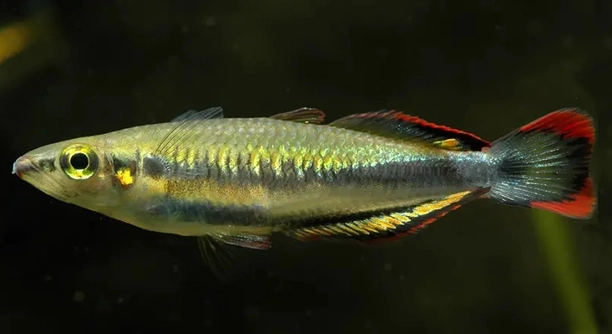
Do you ever notice your rainbowfish becoming more active or skittish around certain times in their tank? Tank cleaning days can bring subtle changes to their environment, and these sensitive fish may react in small, noticeable ways.
Rainbowfish often respond to tank cleaning days through increased alertness, temporary hiding, or slight changes in swimming patterns. Such reactions are typically short-term and linked to environmental disruption, water movement, and unfamiliar stimuli during the cleaning process.
Observing these behaviors helps maintain a calm, healthy environment while keeping your rainbowfish comfortable during maintenance.
How Rainbowfish Notice Changes in Their Tank
Rainbowfish are highly sensitive to shifts in their environment. When you clean their tank, even small changes in water movement, scent, or placement of decorations can catch their attention. These fish rely on stable surroundings to feel secure, so a sudden alteration can trigger heightened awareness or brief hiding. Their eyes and lateral lines are tuned to detect vibrations and water currents, so a swish of a net or rearranged gravel can make them pause. Over time, rainbowfish may become accustomed to regular cleaning if it is done consistently and calmly. Observing their reactions helps you adjust your cleaning methods to reduce stress, like moving slowly, keeping lighting steady, and maintaining familiar scents by returning ornaments to their usual spots. By paying attention to these cues, you create a tank that feels predictable and safe, encouraging more natural swimming and feeding behaviors.
Temporary changes in behavior are normal and usually resolve within hours after cleaning.
Keeping a consistent cleaning schedule with gentle movements allows rainbowfish to regain comfort quickly. They learn to anticipate the brief disruption and return to normal activity sooner. Avoid sudden large changes, and maintain water parameters to minimize stress. Providing hiding spots or plants can also help fish feel secure, reducing the intensity of their reactions. Over time, careful observation allows you to understand individual differences, as some rainbowfish are naturally bolder while others are more cautious. These small adjustments improve overall tank health and help your fish thrive without prolonged anxiety.
Reducing Stress During Tank Maintenance
Preparing the tank before starting can make cleaning less stressful for rainbowfish.
Slow, deliberate movements and partial water changes help minimize sudden disturbances. Remove only what is necessary and avoid excessive rearrangement of decorations or gravel. Keeping water temperature and chemistry consistent reduces shock. Using gentle filtration and careful netting prevents accidental injury. Plan cleaning during the same time of day to maintain routine, which provides predictability. Observing the fish during cleaning allows immediate response if stress signs appear. Ensuring all equipment is ready in advance prevents hurried actions that may startle them. Avoid cleaning multiple tanks simultaneously to reduce noise and vibrations. Returning fish to the tank calmly, without splashing, further limits stress. Incorporating live plants provides natural hiding spaces and mimics their preferred habitat. Consistency and attention to detail make maintenance less intrusive, allowing rainbowfish to adapt comfortably over time.
Regular cleaning is vital for healthy water quality, but it can challenge sensitive fish. Rainbowfish may show temporary changes in behavior, including reduced feeding or hiding. Understanding their natural instincts helps you anticipate reactions and adjust cleaning routines accordingly. Consistent partial water changes, gentle netting, and careful handling of decorations prevent unnecessary stress. Observing behavior before, during, and after cleaning provides insights into individual temperaments and environmental preferences. Plants, rocks, and ornaments offer refuges that allow fish to feel secure, reducing anxiety. Even simple steps, like maintaining temperature and light consistency, make a difference in their comfort. Over time, rainbowfish associate routine maintenance with minimal threat, returning quickly to normal swimming and social behaviors. Proper tank care not only keeps water parameters optimal but also supports the fish’s mental well-being, creating a more stable and thriving habitat for all aquatic life.
Timing and Frequency of Tank Cleaning
Cleaning too often can stress rainbowfish, while too infrequent maintenance affects water quality. Striking a balance ensures a healthy, stable environment and prevents sudden disturbances that may trigger hiding or erratic swimming.
A weekly partial water change usually works well for most rainbowfish tanks. This keeps nitrate levels low and maintains clear water without shocking the fish. Over-cleaning decorations or substrate can remove beneficial bacteria and disrupt the ecosystem. Observing fish behavior after maintenance helps determine if the frequency is appropriate. Adjustments may be needed depending on tank size, number of fish, and plant coverage. Consistency in timing also helps fish anticipate routine disruptions and feel more secure.
Keeping a predictable schedule reduces stress and encourages natural feeding patterns. Small changes in water chemistry are easier to manage with regular maintenance. Rainbowfish adapt faster when cleaning is done calmly and routinely. Proper timing ensures long-term tank health and supports the fish’s overall comfort and activity levels.
Tools and Techniques That Minimize Stress
Using gentle tools prevents sudden disturbances and injury to rainbowfish. Soft nets, low-suction siphons, and careful water removal are essential for safe maintenance.
Rushing or using aggressive equipment can create strong currents, startling the fish. Partial water changes with slow flow prevent rapid temperature and chemical shifts. Avoid scraping too vigorously, which can damage surfaces and stir up debris excessively. Organize all tools in advance to reduce frantic movements during cleaning. Placement of decorations should remain consistent, allowing fish to feel familiar surroundings. Watching their reactions helps you adapt your approach over time. Plants and hiding spots further reduce stress by giving rainbowfish refuge during disturbances.
Proper techniques make maintenance less intrusive and help rainbowfish adjust quickly. Keeping movements slow and predictable encourages calm behavior. Using appropriate tools, maintaining water stability, and respecting their natural environment ensures fish remain healthy and confident in their tank. Gradual acclimation to routine cleaning fosters a safe, comfortable habitat that promotes normal social and swimming behaviors. Observing individual fish responses allows tailored adjustments, improving overall tank care and minimizing stress for sensitive species like rainbowfish.
Observing Rainbowfish During Cleaning
Watching rainbowfish while cleaning helps you notice stress signals early. Subtle changes in swimming or hiding patterns indicate they are adjusting to temporary disturbances.
Paying attention to body language, fin positions, and interactions with other fish provides insight. Quick responses like darting or freezing suggest sensitivity to movement or water changes.
Adjusting Cleaning Methods for Sensitive Fish
Altering cleaning routines can make a big difference for sensitive rainbowfish. Gradual water changes, gentle netting, and minimal rearrangement of ornaments reduce stress. Consistent timing helps fish anticipate maintenance, and keeping familiar scents in the tank supports a stable environment. Observing their reactions after each cleaning guides further adjustments.
Using Plants and Hiding Spots
Live plants and decorations provide safe spaces during maintenance. They allow rainbowfish to retreat and feel secure while you clean the tank.
FAQ
Do rainbowfish get stressed during tank cleaning?
Yes, rainbowfish can experience temporary stress during cleaning. They are sensitive to changes in water movement, scent, and visual cues. Even minor disturbances, like rearranging decorations or moving a net quickly, can cause hiding or erratic swimming. Stress usually subsides once the environment stabilizes.
How can I tell if my rainbowfish is stressed?
Signs include hiding more than usual, swimming frantically, or staying near the bottom or corners of the tank. Fin clamping, reduced feeding, or unusual aggression toward tank mates are also indicators. Monitoring behavior before, during, and after cleaning helps identify stress levels.
How often should I clean the tank?
Partial water changes once a week work well for most rainbowfish tanks. Avoid over-cleaning decorations and substrate, as this can remove beneficial bacteria. Adjust frequency depending on tank size, fish population, and plant coverage, keeping changes consistent to minimize stress.
Should I rearrange decorations during cleaning?
Minimize rearrangement to prevent disorientation. Rainbowfish rely on familiar surroundings to feel secure. If rearrangement is necessary, move items slowly and return them to similar positions to reduce anxiety. Hiding spots and plants should remain consistent for comfort.
Can I reduce stress with hiding spots?
Yes, live plants, rocks, and ornaments offer refuge during maintenance. Fish can retreat to these areas while you clean, helping them feel secure. Providing multiple hiding options ensures all fish have a safe space, particularly if some are more timid.
Does water temperature affect their response to cleaning?
Sudden changes in temperature can increase stress. Keep water temperature stable during cleaning and avoid replacing large volumes at once. Gradual partial water changes help maintain chemical balance and reduce shock, keeping rainbowfish calm.
Do rainbowfish adapt to regular cleaning?
They can adapt if maintenance is predictable, gentle, and consistent. Over time, they learn to anticipate brief disturbances and return to normal swimming and feeding behavior quickly. Observing individual reactions allows you to fine-tune your routine.
Are some rainbowfish more sensitive than others?
Yes, temperament varies by individual. Some may react strongly to minor disturbances, while others remain calm. Tailoring cleaning methods to accommodate both bolder and timid fish improves overall tank harmony.
Can I use equipment to make cleaning less stressful?
Soft nets, low-suction siphons, and gentle brushes reduce sudden disturbances. Organize tools before starting and avoid rushing. Using equipment that minimizes water agitation and noise helps fish adjust calmly to the process.
What if my rainbowfish stops eating after cleaning?
Temporary appetite loss is common after maintenance. Monitor behavior and provide usual food in smaller amounts. If eating does not resume within a day or two, check water parameters to ensure no underlying issues. Maintaining consistent routines helps prevent prolonged feeding disruption.
Does lighting affect their reaction to cleaning?
Bright or sudden changes in lighting can startle rainbowfish. Keep lights on a consistent schedule and avoid flickering or strong direct light during cleaning. Gradual light adjustments reduce stress and allow fish to feel secure in their environment.
How long do stress behaviors last after cleaning?
Most rainbowfish return to normal within a few hours after maintenance. Duration depends on tank conditions, individual sensitivity, and how gentle the cleaning was. Providing familiar surroundings, hiding spots, and consistent water parameters speeds recovery.
Is there a way to prepare rainbowfish for cleaning days?
Yes, maintaining a predictable schedule, consistent water parameters, and slow movements during cleaning helps fish anticipate maintenance. Observing reactions over time allows you to refine techniques to minimize stress. Gradual acclimation fosters comfort and normal behavior.
Can multiple fish react differently during the same cleaning?
Absolutely. Some fish may hide immediately, while others continue swimming or feeding. Individual temperament, age, and health influence reactions. Providing enough space and hiding areas ensures all fish feel safe during tank maintenance.
Do partial water changes matter more than full tank cleaning?
Yes, partial changes maintain water quality without shocking the fish. Full tank cleaning can remove beneficial bacteria, alter water chemistry, and increase stress. Regular partial changes balance cleanliness with comfort, supporting both fish health and natural behaviors.
Are there long-term effects of stressful cleaning?
Frequent, abrupt, or aggressive cleaning can lead to prolonged anxiety, reduced feeding, or weaker immune responses. Consistent, gentle maintenance minimizes these risks and supports long-term well-being. Observing behavior and adjusting routines is key to preventing lasting stress.
Should I clean all parts of the tank at once?
No, splitting tasks reduces disturbance. Clean sections sequentially and perform partial water changes gradually. This limits sudden environmental changes and helps rainbowfish remain calm. Consistency in approach fosters familiarity and comfort.
Can stress during cleaning affect breeding behavior?
Yes, highly sensitive fish may pause breeding or hide more during maintenance. Maintaining predictable routines, safe spaces, and stable water conditions encourages normal reproductive behavior. Ensuring minimal disruption supports both general health and breeding activity.
Does tank size influence rainbowfish stress during cleaning?
Smaller tanks can increase stress due to limited space, while larger tanks allow fish to avoid disturbances more easily. Adjust cleaning techniques according to tank size, moving slowly and minimizing water turbulence to keep rainbowfish calm.
What are the easiest ways to make cleaning less stressful long-term?
Maintain a regular schedule, use gentle tools, minimize rearrangement, provide hiding spots, and keep water parameters stable. Observing individual behavior over time allows gradual improvements, helping rainbowfish adapt to maintenance and thrive.
How quickly should I resume feeding after cleaning?
Feed once fish return to normal swimming behavior. Offer smaller portions initially and monitor for acceptance. Maintaining routine feeding times reassures fish and encourages recovery from brief stress.
Rainbowfish are sensitive creatures, and their reactions during tank cleaning are natural and temporary. Even small changes in their environment, like moving decorations or stirring the water, can trigger hiding or unusual swimming patterns. Observing these behaviors allows you to understand how your fish respond to disturbances and adapt your cleaning routine accordingly. Maintaining consistency in how and when you clean the tank helps rainbowfish feel more secure, reducing stress over time. Providing familiar surroundings, gentle movements, and calm water changes ensures that maintenance does not disrupt their normal activity or feeding habits.
Keeping water quality stable is essential for rainbowfish health, and routine cleaning plays a key role in this. Partial water changes, slow removal of debris, and careful handling of decorations maintain a balanced ecosystem without causing shock. Using soft nets, low-suction siphons, and minimal rearrangement of ornaments allows fish to continue swimming naturally during cleaning. Incorporating live plants and hiding spots provides secure areas where fish can retreat if they feel uneasy. Over time, rainbowfish learn to anticipate brief disruptions and quickly return to normal behavior. Observing individual reactions also helps you tailor your approach, as some fish are naturally more cautious while others are bolder and less affected by changes.
Long-term care of rainbowfish depends on a combination of clean water, predictable routines, and attention to their comfort. Avoid over-cleaning or making sudden large changes, as these can cause prolonged stress and affect feeding or social behavior. Consistency in lighting, water temperature, and placement of tank elements helps fish feel secure and supports their overall well-being. Regular observation and gentle maintenance create an environment where rainbowfish can thrive, showing natural swimming patterns, normal feeding, and social interaction. By understanding their sensitivity and adjusting your cleaning habits, you can ensure a healthy, calm, and balanced tank that meets both the fish’s needs and your care standards.

Hello,
If you enjoy the content that we create, please consider saying a "Thank You!" by leaving a tip.
Every little bit helps us continue crafting quality advice that supports the health, happiness, and well-being of pets around the world, for pets of all shapes, sizes, and species.
We really appreciate the kindness and support that you show us!