
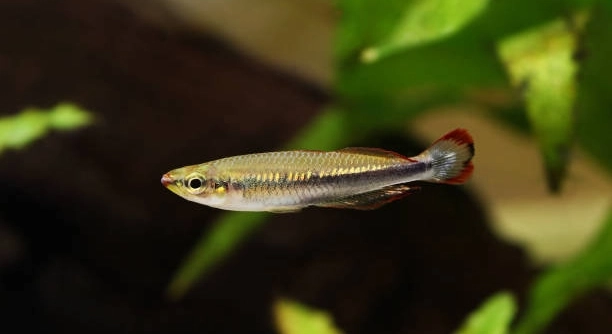
Have you ever thought about how rainbowfish react when you look at them closely in their tank, noticing the shifts in their behavior and the ways they seem to acknowledge your presence in their space.
Rainbowfish can detect eye contact through visual cues that signal attention, allowing them to adjust their responses based on familiarity and environmental context. Their perception relies on motion sensitivity, spatial awareness, and learned associations shaped by interactions within their habitat.
This topic opens the door to understanding how these fish interpret signals from their surroundings, offering insight into daily behaviors.
How Rainbowfish Perceive Visual Attention
When you spend time observing rainbowfish, it becomes clear that their sharp vision shapes much of their daily behavior. They notice shifts in light, slight movements near the glass and even the way you angle your face toward them. These details guide how they react, whether they stay close to the front of the tank or move toward plants for shelter. Their attention is influenced by patterns they learn over time, making each interaction feel a little different. Watching them respond in subtle ways can help you understand how sensitive they are to visual signals. It also shows how much they rely on their surroundings to feel secure. As you get used to their habits, you start picking up the tiny clues that reveal what catches their interest the most. This simple awareness builds a calm connection that makes caring for them feel more thoughtful and steady in your home.
Their ability to notice your gaze depends on how clearly they can read movement and contrast in their environment. When your eyes linger on them, they often adjust their position slightly, responding to the attention with cautious interest shaped by their natural instincts as they learn from daily care routines.
Understanding how rainbowfish react to eye contact can make your time with them feel more meaningful and steady. They depend on small visual signals to decide whether to stay calm or retreat to safer areas. When you approach the tank gently and keep your movements smooth, they tend to remain relaxed. Over time, they learn which interactions feel safe, helping them build a sense of consistency in their space. Paying attention to these reactions can guide you toward creating a peaceful setting that supports their natural behaviors without overwhelming them and encouraging steady growth in their daily routines each day.
Why Eye Contact Matters for Their Behavior
Eye contact influences how rainbowfish gauge safety inside their tank, shaping subtle behaviors that reflect their comfort and awareness. They rely on clear visual cues to decide when to stay visible and when to retreat, responding gently to calm and predictable movement around them in a steady and consistent way.
Because rainbowfish use vision as a major guide, the way you present yourself near the tank can influence their responses throughout the day. They watch outlines, shadows and the pace of your movements, building a sense of what feels normal in their space. When you move slowly and keep your posture relaxed, they tend to stay close to the front of the tank, showing a calm willingness to interact. Quick or unpredictable gestures can make them pull back, which is a natural reaction based on their instinct to avoid potential threats. By giving them a stable routine with soft lighting and smooth activity around their tank, you support their ability to read signals without stress. Over time, they begin to recognize patterns that help them stay at ease, especially when you offer care in a steady and predictable manner. This understanding helps you shape an environment that allows them to thrive comfortably. Remaining mindful of your presence gives them space to adjust, and it teaches you how to respect the delicate rhythm they follow each day. With consistent handling and calm routines, your interactions become clearer to them, supporting healthier behavior and a peaceful atmosphere around their shared habitat daily.
Subtle Signals Rainbowfish Respond To
Rainbowfish pay close attention to movement near their tank, reacting to shadows, eye focus and small shifts in posture. These signals guide how they move through their space, shaping when they stay visible and when they retreat toward calmer, sheltered areas.
Their reactions rely on how clearly they can process visual cues around them. Smooth motions help them remain steady, while sharp gestures often push them toward hiding spots. As they learn your patterns, they start recognizing which signals feel safe. This learning process shapes their everyday behavior and creates a quiet rhythm that supports their comfort. Watching these reactions closely can help you understand what they find reassuring, giving you the chance to adjust your approach. Over time, this creates a simple and natural routine that encourages them to stay calm in their environment.
Because they read signals so quickly, even slight changes can shift their mood. Light reflections, hand placement and the way you stand near the tank influence their comfort. When these details stay consistent, they relax more easily. When they shift too suddenly, their instinct pushes them to move away. Noticing these patterns helps you support their well-being.
How Environment Shapes Their Reactions
Tank layout and lighting affect how rainbowfish read visual signals. Clear, steady lighting reduces harsh reflections, making it easier for them to understand movement outside the glass. Plants and hiding spots help them feel protected, giving them a safe place to retreat when something feels unfamiliar or too abrupt.
A stable environment strengthens their ability to interpret visual cues without stress. When the tank is well arranged, they navigate confidently and adjust to your presence with ease. Smooth lighting, quiet surroundings and balanced spacing help them focus on movement without confusion. As they grow used to this consistency, they begin responding with greater calmness. This stability also gives them room to develop familiar patterns, making your presence feel predictable and safe to them. By maintaining a gentle routine near the tank and keeping their surroundings organized, you support their natural behavior while helping them stay relaxed.
Influences That Shape Their Comfort
Rainbowfish depend on steady movement around their tank to feel secure, and even small disturbances can shift their behavior. Keeping your motions smooth helps them stay calm and encourages them to remain near the front without pulling back suddenly.
They also react to changes in sound and lighting, responding more gently when everything stays consistent. Sudden shifts can cause stress, while a quiet and predictable setting supports their natural ease. Paying attention to these details helps you maintain a peaceful environment they can trust each day.
How Interaction Builds Familiarity
Repeated exposure to gentle movement helps rainbowfish understand your presence in a calm way. They begin noticing the patterns you create, learning which behaviors signal comfort and which ones prompt caution. With time, they respond more softly, staying visible longer and showing a relaxed posture in their space. This familiarity grows through steady habits, clear lighting and thoughtful approaches that never overwhelm them. When you stay patient and consistent, they adjust with greater confidence, allowing your interactions to feel smoother and more natural.
Recognizing Their Subtle Changes
As rainbowfish grow comfortable, their movements become easier to read, showing small signs of ease or hesitation. Noticing these shifts helps you respond in a way that keeps them relaxed and supports their sense of safety inside the tank.
FAQ
Can rainbowfish really notice when I’m looking at them?
Yes, rainbowfish can detect visual cues that signal attention. They notice motion, changes in lighting, and even small shifts in your posture near the tank. While it’s not exactly the same as human eye contact, they can interpret your presence and adjust their behavior accordingly, often moving closer or retreating based on perceived attention. Over time, they learn which interactions are consistent and safe, allowing them to respond more predictably.
Do all rainbowfish react the same way to eye contact?
No, reactions vary depending on species, age, and individual temperament. Some may approach the front of the tank and remain visible when you look at them, while others might hide behind plants or decorations. Younger fish or new additions to a tank often show more caution. Individual personalities also influence responses, meaning some rainbowfish are naturally bolder and more responsive to your presence, while others remain shy regardless of repeated exposure.
Does tank environment affect their ability to notice me?
Absolutely. Lighting, reflections, and tank layout play major roles in how clearly rainbowfish can perceive movement outside the tank. Strong reflections or sudden changes in light can confuse them, while steady lighting and calm surroundings allow them to read visual signals more easily. Plants, decorations, and hiding spots also influence how safe they feel. A consistent and well-structured environment encourages them to interact more comfortably with humans observing them.
Will repeated eye contact make them stressed?
Not necessarily, if it’s done gently and predictably. Sudden or aggressive movements toward the tank can startle them, but slow, consistent observation helps them learn your patterns. Over time, repeated exposure to calm, steady attention can make rainbowfish more comfortable with your presence. They begin recognizing routine patterns, which reduces stress and allows them to show natural behaviors without retreating unnecessarily.
How can I encourage positive interactions?
Move slowly and avoid abrupt gestures near the tank. Keep your lighting consistent, and maintain a quiet environment. Offering predictable feeding times and handling routines also helps. Over time, rainbowfish associate these calm interactions with safety. Providing plants and shelters gives them control over their space, letting them decide when to approach or hide. This balance of gentle attention and environmental stability fosters trust without forcing responses.
Do rainbowfish understand human emotions?
Not in the same way humans do, but they are sensitive to visual cues and patterns. They respond to calm, predictable movements more positively, while sudden, jerky actions may trigger caution or hiding. Their responses are based on instinct and learning rather than emotional understanding. Observing their behavior over time allows you to gauge comfort levels and adjust your approach, helping you create a peaceful setting where they thrive.
How long does it take for them to recognize me?
It varies based on individual fish and frequency of interaction. Some may respond to your presence within days if you maintain calm, consistent routines, while others may take weeks to feel comfortable. Regular, gentle observation, combined with predictable feeding and care, helps them recognize familiar patterns faster. Patience and consistency are key to fostering recognition and relaxed behavior.
Can they distinguish between different people?
Rainbowfish can learn to differentiate based on visual cues like size, shape, and movement patterns. They often respond more confidently to people who interact with them regularly using calm, predictable gestures. New or sudden movements from strangers may trigger cautious responses. By spending time near the tank with consistent, gentle behavior, rainbowfish gradually learn who is safe and familiar in their environment.
Are there risks if I over-observe them?
Yes, excessive or rapid movements near the tank can stress rainbowfish, even if your intentions are gentle. Overly frequent or abrupt observation may cause them to hide or exhibit restless swimming. Limiting interactions to calm, steady periods ensures they remain comfortable. Maintaining predictable routines supports their well-being and helps them stay relaxed while adjusting to your presence naturally.
Do they respond differently during feeding times?
Yes, feeding increases attention and activity. Rainbowfish often approach the front of the tank and show heightened responsiveness to movement and visual cues. Predictable feeding schedules help them associate your presence with positive outcomes. Over time, this can make them more confident in approaching when they see you, strengthening gentle, stress-free interaction patterns.
Final Thoughts
Rainbowfish are sensitive little creatures that respond to the visual cues around them more than most people realize. Watching them closely over time reveals how they react to subtle movements, shifts in lighting, and even the way you hold yourself near the tank. These responses are not exactly the same as human eye contact, but they show that the fish are aware of attention and presence. They often adjust their swimming patterns, stay closer to plants, or come forward depending on how safe and comfortable they feel. Observing these behaviors patiently allows you to understand their preferences and adapt your approach to meet their needs. This awareness can make caring for them feel more connected and intentional. The way they interpret visual signals reflects both instinct and learned behavior, which makes each interaction unique and informative.
Creating a stable environment is just as important as paying attention to your own movements. Consistent lighting, quiet surroundings, and carefully arranged plants help rainbowfish feel safe and reduce stress. When everything in their tank is predictable, they can focus on reading the signals they notice from humans and their surroundings. Sudden changes in light, reflections, or motion can make them nervous, causing them to hide or swim erratically. On the other hand, a calm and steady setting encourages natural behavior, allowing you to see how they respond to observation without pushing them into stress. Even small changes, like adjusting the position of a decoration or how you approach the tank, can make a noticeable difference in their comfort levels. Paying attention to these factors shows respect for their natural instincts and helps them feel secure in a way that strengthens overall well-being.
Interacting with rainbowfish over time helps them become more familiar with your presence, and patience is key. Gentle observation, combined with predictable routines such as feeding or tank cleaning, allows them to recognize patterns and feel at ease. Some fish may take longer to adjust than others, but maintaining consistency helps build a sense of stability they can trust. Understanding that they rely on visual cues, movement, and environmental stability makes it easier to predict how they will react, minimizing stress and enhancing the experience of observing them. By creating a steady, calm, and thoughtful environment, you can foster a peaceful setting where rainbowfish feel comfortable and secure. These small adjustments and mindful interactions not only improve their behavior and health but also make observing and caring for them more rewarding over time.

Hello,
If you enjoy the content that we create, please consider saying a "Thank You!" by leaving a tip.
Every little bit helps us continue crafting quality advice that supports the health, happiness, and well-being of pets around the world, for pets of all shapes, sizes, and species.
We really appreciate the kindness and support that you show us!