
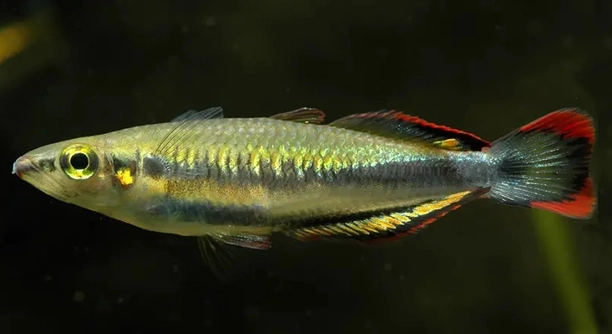
Many rainbowfish owners notice shifts in their pets behavior that signal growing tension in the tank, and understanding these signs early helps create a calmer environment that supports their bright colors and gentle nature day.
Anxiety in rainbowfish commonly arises from unstable water parameters, inadequate space, abrupt environmental changes, aggressive tankmates, excessive noise, inconsistent lighting, and poor diet quality, which together disrupt physiological balance and behavioral stability, increasing stress vulnerability across developmental stages within habitats.
These insights help you understand stress in your rainbowfish, guiding small changes that support a calmer environment and steadier comfort.
Unstable Water Conditions
Keeping rainbowfish calm starts with maintaining steady water conditions that support their sensitive nature. When the water shifts too quickly in temperature or chemistry, they react with visible stress that can change how they swim, eat or interact. I have noticed how even small fluctuations can make them skittish, especially when the tank is in a busy part of the home. Clean water with stable parameters gives them the security they need to show their colors and move with confidence. Regular tests help you stay ahead of sudden changes, and gentle adjustments prevent overwhelming them with rapid shifts. It is easy to underestimate how much these details matter, but rainbowfish depend on consistency more than many people realize. When the water stays calm and predictable, they settle into a comfortable rhythm that keeps their behavior steady and their stress low. This simple attention helps them feel safe every single day.
Stable water keeps rainbowfish relaxed by reducing the stress that comes from sudden changes in temperature, pH or cleanliness. When these elements remain consistent, their movements stay calm, their appetite stays steady, and their overall comfort improves in a way that supports long term health in their daily tank life.
Understanding how water stability affects your rainbowfish helps you prevent stress before it grows. When you pay attention to small signs like faded colors or jumpy movements, you can respond early and keep the tank peaceful. I have found that gentle routines make a big difference, especially when the home has regular noise or activity nearby. Keeping a simple maintenance schedule gives you predictable results that support your fish without overwhelming you with tasks. With steady care, your rainbowfish feel secure, move with ease, and settle into a healthier pattern that reflects the care you put into their environment daily.
Aggressive Tankmates
Rainbowfish become anxious when housed with tankmates that chase, nip or dominate shared spaces. Constant tension makes them hide, lose color and eat less. A calm community setup with compatible species reduces unnecessary pressure and lets them maintain natural movement patterns that support their overall stability in the tank daily.
Aggressive behavior from other fish can disrupt the calm rhythm rainbowfish rely on to feel secure. When they are paired with species that dart quickly, guard territory or show unpredictable reactions, their stress rises steadily throughout the day. I have seen rainbowfish retreat to corners or hover near the surface when they feel threatened, and these changes often signal that something in the social mix needs attention. Choosing peaceful companions helps protect their comfort, but observing the tank after each introduction is just as important. Some fish behave differently once placed in a new space, and rainbowfish react instantly to those shifts. Giving them open swimming areas, tall plants and visual breaks offers a sense of protection that reduces pressure from more assertive fish. Rearranging decor can also interrupt territorial patterns that create unnecessary conflict. When you create a balanced space with species that match their calm nature, the tank becomes easier to manage and your rainbowfish settle into smoother habits. Their colors brighten, their feeding improves and their activity looks more natural. A thoughtful community plan supports their emotional stability in a way that keeps the aquarium peaceful and helps them thrive with dependable ease in their daily life.
Abrupt Environmental Changes
Sudden changes in the tank can unsettle rainbowfish quickly, especially when lights, water flow or decorations shift without warning. Their behavior becomes jumpy, and they may hide more often as they try to understand what changed around them.
When the environment changes too quickly, rainbowfish lose the sense of stability they depend on each day. I have seen how even a simple shift in lighting can make them scatter or freeze. Adjustments should be gradual, giving them time to adapt without feeling overwhelmed. Slow transitions help them stay calm, especially when you move decorations or modify filtration. When everything changes in small steps, they respond with steady movement instead of panic. This approach supports their comfort and keeps their stress levels low.
Frequent rearranging or sudden adjustments can interrupt the predictable patterns rainbowfish rely on. They feel secure when their surroundings remain familiar, and consistency helps them settle into healthier habits. I have noticed that leaving the tank layout mostly unchanged helps them navigate with ease and reduces hesitation during feeding or swimming. Even routine care becomes smoother when they know what to expect. Gentle lighting changes, steady filtration and careful handling of plants or structures create a calm environment that lets their behavior stay balanced. These small choices help them feel safe and grounded every day.
Excessive Noise
Loud or sudden sounds near the tank make rainbowfish tense and reactive. They may dart around quickly or hide for long periods, trying to escape the vibration and movement caused by noise in the surrounding space.
Noise sensitivity in rainbowfish grows when the tank is placed in an active area of the home. I have seen them flinch with every unexpected sound, especially when footsteps or music create strong vibrations. Their behavior becomes unsettled, and feeding routines may shift because they stay wary. Placing the tank in a quieter spot or using a stable stand helps soften the noise that travels through the glass. Creating a calmer space supports their comfort, allowing them to swim with more confidence and stability throughout the day.
xxxxxxxxxxxxxxxxxxx
Inconsistent lighting can unsettle rainbowfish because they depend on steady rhythms to feel secure. When lights switch on or off abruptly, their movements become nervous and their colors may fade. I have seen them hide more often when the lighting pattern changes without warning, disrupting their daily comfort at times.
Bright or shifting lights can add steady stress to rainbowfish, especially when placed in active rooms. I notice their reactions becoming sharp whenever reflections or sudden brightness appear. Keeping light levels gentle and predictable helps them move calmly, eat without hesitation, and rest comfortably throughout the day in their tank.
xxxxxxxxxxxxxxxxxxx
Poor diet quality affects rainbowfish by interrupting their natural energy levels and creating stress that builds slowly over time. When their food lacks balanced nutrients, they may swim irregularly, show faded colors or react nervously to simple movements around the tank. I have noticed how inconsistent feeding routines also play a role, especially when they receive too much food or long gaps between meals. Keeping their diet steady helps them feel more secure, and offering small portions prevents leftover food from clouding the water. A simple feeding schedule supports their comfort and keeps their behavior calm throughout the day daily.
xxxxxxxxxxxxxxxxxxx
Limited space makes rainbowfish uneasy because they need open room to swim without pressure. When the tank is too small, they may crowd together, react nervously or display faster movements. Giving them enough space supports smoother behavior, calmer interactions and healthier patterns that reflect their need for steady comfort daily.
FAQ
Why do rainbowfish become stressed so easily?
Rainbowfish react strongly to changes because they rely on consistent surroundings to stay comfortable. When something shifts too quickly, they become alert and tense. I have noticed how even small changes in lighting, noise or water movement can influence their behavior. Their sensitivity makes them quick to show signs of discomfort, and this often appears as hiding, rapid swimming or fading color. Understanding how delicate they can be helps you respond early when something feels off. Stable routines, soft handling during maintenance and a calm environment help them feel grounded. This steady approach supports their comfort and keeps their behavior balanced throughout their daily life in the tank.
How can I tell if my rainbowfish is anxious?
Stress signs appear in different ways, but many of them are easy to spot once you know what to look for. I have seen anxious rainbowfish show faster breathing, duller colors, jittery movement or frequent hiding. Some may avoid eating or swim in short bursts. These signs often tell you something in the tank is affecting their sense of safety. Watching their usual habits makes changes easier to detect, and small shifts often point to something that needs attention. When you respond quickly, you help prevent the stress from growing, keeping their overall health steady. Simple care adjustments, like reducing noise or checking water quality, help them return to calmer behavior.
What tank setup helps rainbowfish stay calm?
A comfortable setup starts with open swimming space, steady filtration and soft lighting. I find that rainbowfish settle better when they have room to move without obstacles crowding them. Adding plants along the sides gives them hiding spots without blocking their natural paths. A stable heater and gentle flow also help them feel secure because the environment stays consistent. Keeping the tank away from loud areas prevents sudden noises or vibrations from startling them. When their surroundings feel predictable, they show smoother movement and brighter colors. This kind of steady environment supports their comfort and encourages healthier long term patterns.
How often should I feed rainbowfish to reduce stress?
Feeding them small portions one to two times a day helps keep their energy steady. Overfeeding leads to leftover food, which clouds the water and increases stress. Underfeeding can make them restless. I have seen how predictable routines make them feel safe. When they know feeding times, they stay calmer throughout the day. Offering a balanced diet keeps them active without overwhelming their system. Consistency is key, and sticking to a simple schedule helps avoid unnecessary tension in the tank. Clean food handling and small amounts reduce waste, keeping the water clearer and more comfortable for them.
Can tankmates influence rainbowfish stress levels?
Yes, tankmates play a major role in how relaxed your rainbowfish feel. I have seen them become jumpy when kept with territorial species that chase or nip. Even mildly pushy fish can make them uneasy, especially in smaller tanks. Choosing peaceful companions keeps the environment calm. It is helpful to observe interactions after adding new fish because behavior can shift once they settle in. Adding plants or decorations for visual breaks also protects rainbowfish from constant pressure. A balanced tank community leads to smoother movement, steady feeding and brighter color. When the social environment stays gentle, rainbowfish show healthier habits.
What changes should I avoid to prevent stress?
Avoid making sudden adjustments to lighting, temperature or tank layout. Rainbowfish adapt better when changes happen slowly. I have learned that even quick movements around the tank can startle them. Keeping maintenance routines gentle and predictable reduces tension. It helps to avoid loud activity near the tank as well. Gradual transitions allow rainbowfish to stay calm, maintain their usual swimming patterns and keep their colors bright. Keeping their environment steady supports their overall well being.
Final Thoughts
Caring for rainbowfish becomes much easier when you understand how sensitive they are to changes in their surroundings. They depend on steady routines, calm spaces and predictable conditions to feel safe. I have noticed how quickly their mood shifts when something small changes in the tank, and this shows just how important consistency is for them. When their environment stays stable, they move with soft, smooth motions that show comfort. Their colors stay bright, and they interact more naturally with the space around them. Paying attention to lighting, noise and water conditions makes a noticeable difference in how relaxed they appear each day. Even simple adjustments, like keeping the room quieter or maintaining a regular cleaning schedule, help them settle into a healthier pattern. These little steps make caring for them feel less overwhelming and more rewarding, especially when you begin to see how much calmer they become over time in a peaceful tank.
Rainbowfish thrive when you give them a space that feels secure and predictable. When they know what to expect, their behavior stays calm, and they can move freely without hesitation. I find that creating a gentle environment helps them trust their surroundings more easily. They show this through steady swimming, better feeding habits and clear signs of comfort in their daily routine. It is helpful to watch how they react after small changes, because their behavior often tells you when something needs attention. If they hide more or become jumpy, it usually means their environment needs a bit more stability. Responding early helps prevent stress from growing into bigger issues. A clean tank, steady lighting and peaceful tankmates form the foundation that keeps them comfortable. When these elements work together smoothly, the aquarium becomes a place where they can settle in without tension. Over time, you begin to see how much they rely on that sense of stability to stay balanced.
Supporting their wellbeing is not complicated when you take things slowly and stay consistent. You do not need to create a complicated setup to keep rainbowfish healthy. What matters most is giving them space, gentle routines and an environment that feels safe. I have learned that small choices shape their comfort in big ways. Little changes like keeping noise levels low or using soft lighting help them feel secure each day. Offering them a balanced diet, watching their interactions and maintaining stable water conditions give them the foundation they need to stay strong and steady. When you stay patient and observant, your rainbowfish respond with calmer movement, brighter color and healthier habits. Their comfort reflects the care you put into their environment, and creating that sense of ease becomes a fulfilling part of keeping them happy in your home.

Hello,
If you enjoy the content that we create, please consider saying a "Thank You!" by leaving a tip.
Every little bit helps us continue crafting quality advice that supports the health, happiness, and well-being of pets around the world, for pets of all shapes, sizes, and species.
We really appreciate the kindness and support that you show us!