
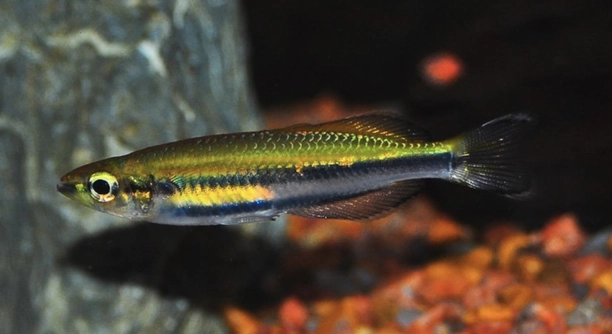
Rainbowfish are vibrant and active members of home aquariums. Their bright colors and graceful swimming make them a joy to watch, but like many creatures, they may respond to their environment in subtle ways that affect behavior.
Rainbowfish can exhibit signs of boredom when exposed to repetitive environments or limited stimulation. Lack of enrichment, small tank spaces, or minimal interaction can reduce their activity levels and alter natural behaviors, highlighting the importance of variety and environmental complexity for their well-being.
Providing diverse surroundings and occasional changes in their tank can enhance rainbowfish activity and overall health, supporting a more engaging and dynamic environment for them.
Understanding Rainbowfish Behavior
Rainbowfish are naturally active and social creatures that thrive in environments that mimic their natural habitat. In a home aquarium, they often swim in schools, exploring open spaces and interacting with other fish. When their environment lacks variety, such as a tank with the same decorations and limited hiding spots, they may begin to show signs of reduced activity. Over time, this can appear as a form of boredom, where the fish swim less or linger in one area. Providing different plants, rocks, or ornaments can encourage movement and curiosity. Changes in lighting, gentle water flow, and occasional rearrangement of tank items can also stimulate their senses. Observing their behavior regularly helps detect early signs of disinterest or stress. Offering a variety of foods, both live and prepared, also encourages natural hunting instincts and keeps feeding time engaging. Attention to these details can make a noticeable difference in their daily behavior and overall health.
Small adjustments in tank setup, like adding plants or changing decoration layout, can revive activity and curiosity.
Consistent monitoring and occasional environmental changes are key to maintaining an active, healthy school of rainbowfish. Providing enrichment is not just about aesthetics; it directly impacts their well-being. Simple additions like floating plants, tunnels, or varied substrates create areas for exploration. Rotating decorations or introducing new, safe elements encourages swimming and investigation. Interactive feeding, such as placing food in different locations, can stimulate natural foraging instincts. Social interaction within a group is also important; rainbowfish are more active in schools, and observing how they move together can indicate their comfort level. A well-thought-out environment reduces stress, supports natural behaviors, and can even enhance coloration. Maintaining clean water and stable conditions complements these efforts, ensuring fish remain healthy and engaged. By addressing these factors, their habitat becomes dynamic, encouraging a range of behaviors that reflect their natural tendencies, ultimately creating a vibrant and lively aquarium.
Signs of Boredom in Rainbowfish
Reduced swimming, lingering in one spot, or ignoring enrichment items are common signs of boredom.
Bored rainbowfish may lose interest in activities they normally enjoy. They can become less responsive to feeding or social interactions. Identifying subtle behavioral changes early allows adjustments to their environment. Simple interventions, like rearranging tank items, increasing visual stimuli, or adding new plants, can re-engage their curiosity. Monitoring these behaviors regularly ensures their mental and physical well-being.
Environmental monotony affects rainbowfish behavior more than many realize. When tanks remain unchanged for long periods, fish may swim less and interact minimally with their surroundings. Lack of hiding spots, varied textures, or visual interest can lead to a decline in natural behaviors. Even minor changes, such as shifting rocks or introducing floating plants, can reignite activity. Feeding routines also play a role; offering a mix of live, frozen, or prepared foods in different locations encourages foraging. Social dynamics within the school are equally important. Observing how fish interact can highlight issues like dominance or stress. Addressing these factors systematically helps maintain a stimulating environment, promoting both health and natural activity levels. A proactive approach ensures rainbowfish remain lively, vibrant, and engaged.
Enrichment for Rainbowfish
Adding plants, rocks, and tunnels creates areas for exploration. Rotating decorations occasionally keeps the environment fresh and encourages movement.
Environmental enrichment is essential for rainbowfish well-being. Simple additions, like floating plants or small caves, provide hiding spots and stimulate curiosity. Rearranging tank elements every few weeks prevents monotony. Feeding strategies also support engagement; scattering food or offering live insects encourages natural foraging. Observing how fish respond to these changes shows which additions are most effective. These small efforts can significantly boost activity levels. Enrichment does not need to be elaborate—consistent, thoughtful changes help rainbowfish stay active, mentally stimulated, and healthy in their habitat. Maintaining water quality and proper lighting complements these adjustments, ensuring a stable environment that supports natural behaviors and enhances their vibrant colors.
A diverse tank environment encourages swimming, exploration, and interaction within the school. Changes in decoration and feeding patterns keep rainbowfish active.
Feeding Variety
Offering a mix of live, frozen, and flake foods prevents routine feeding boredom. Rotating types and presentation methods keeps meals interesting.
Rainbowfish benefit from a varied diet that mimics natural feeding patterns. Live foods like brine shrimp or daphnia stimulate hunting instincts, while frozen and flake foods ensure nutritional balance. Providing food in different locations and at varying times encourages movement and activity. Overfeeding or sticking to one type of food can reduce interest and lead to lethargy. Observing how fish respond to new food items helps refine feeding routines. Combining diet variety with environmental enrichment ensures that both mental and physical stimulation are maintained. These practices support growth, coloration, and overall vitality, keeping rainbowfish lively and engaged daily.
Feeding routines that mix food types and locations enhance natural behaviors and maintain energy levels.
Tank Size and Space
A larger tank allows rainbowfish to swim freely and explore. Crowded conditions can cause stress and reduce activity levels.
Providing enough space supports natural schooling behavior. A tank with sufficient depth and length encourages movement, interaction, and exploration, which prevents stagnation and maintains overall health.
Social Interaction
Rainbowfish are social and thrive in groups. A small school of at least six encourages natural behaviors.
Interaction within the school reduces stress and promotes activity. Fish observe each other, coordinate swimming, and engage in subtle social cues. Isolated fish may become less active, while those in a well-sized group display vibrant colors and more dynamic movement, reflecting better mental and physical health.
Water Quality
Clean, stable water is essential. Regular testing and partial water changes maintain optimal conditions.
Lighting and Environment
Proper lighting enhances activity and coloration. Gradual changes simulate natural day-night cycles.
FAQ
Can rainbowfish get bored if their tank never changes?
Yes, rainbowfish can show signs of boredom when their environment remains static. They are naturally active and curious, and a repetitive tank with no new hiding spots, plants, or visual interest can lead to reduced swimming, less interaction with their school, and a decline in natural behaviors. Small changes like moving decorations or adding floating plants can help stimulate activity. Observing how they respond to these adjustments is a good way to measure their engagement and overall well-being.
How many rainbowfish should I keep together?
Rainbowfish are schooling fish and thrive in groups. A minimum of six fish is recommended to encourage natural social behaviors. Smaller groups or isolated individuals may become stressed or less active, leading to dull coloration and reduced interaction. Larger groups can provide more dynamic movement, which promotes both physical activity and mental stimulation. Watching how they interact within the school can help determine if the group size is appropriate.
What types of enrichment work best for rainbowfish?
Plants, rocks, tunnels, and varied substrates work well. Rearranging these elements periodically keeps the tank environment dynamic and prevents monotony. Floating plants, small caves, and decorative ornaments encourage exploration and hiding, which supports natural instincts. Even subtle changes, like moving a rock or adding a new plant, can stimulate curiosity. Interactive feeding methods, such as scattering food or hiding treats in different areas, complement environmental enrichment and encourage foraging behavior.
Can feeding routine impact boredom?
Yes, feeding routines can affect engagement. Providing a mix of live, frozen, and flake foods ensures variety and stimulates natural foraging instincts. Offering food at different locations or times encourages movement and exploration. Sticking to one type of food or feeding in the same spot repeatedly can lead to disinterest and reduced activity. Paying attention to how rainbowfish respond to different foods helps refine feeding strategies and keeps them engaged.
Do rainbowfish need a large tank to stay active?
Tank size directly impacts activity levels. A larger tank allows for more swimming space and better interaction within the school. Crowded or small tanks can increase stress, reduce natural movement, and limit exploration. Depth, length, and overall volume contribute to a stimulating environment. Proper spacing between decorations and open swimming areas encourages movement, while maintaining water quality ensures the tank remains safe and comfortable.
How important is lighting for rainbowfish activity?
Lighting affects both behavior and coloration. Gradual day-night cycles simulate natural conditions and encourage normal activity patterns. Consistent lighting helps regulate biological rhythms and promotes swimming and exploration. Bright, harsh, or inconsistent lighting can cause stress, while dim or stagnant conditions may reduce activity. Combining appropriate lighting with environmental enrichment supports overall mental and physical health.
What signs indicate a rainbowfish is bored?
Reduced swimming, lingering in one area, ignoring enrichment items, and decreased interaction with the school are common indicators. Coloration may appear dull, and feeding response can diminish. Monitoring behavior regularly helps identify early signs, allowing adjustments to tank layout, enrichment, or feeding strategies to maintain stimulation and well-being.
Can social interaction prevent boredom?
Yes, interaction within a school is vital. Rainbowfish coordinate movements, display social behaviors, and respond to each other’s cues. Isolation or inadequate group size can lead to inactivity, stress, and lack of natural behavior. A well-sized school encourages dynamic movement, vibrant coloration, and overall engagement.
How often should I rearrange the tank or decorations?
Minor changes every few weeks are effective. Moving plants, rocks, or ornaments slightly prevents monotony without stressing the fish. Frequent drastic changes are unnecessary and can cause temporary stress, while small, gradual adjustments keep the environment stimulating. Observation helps determine the right frequency for each setup.
Does water quality influence boredom?
Yes, poor water conditions increase stress and reduce activity. Maintaining clean, stable water with regular testing, partial water changes, and proper filtration ensures fish remain healthy and active. Combining water quality maintenance with enrichment and social interaction promotes both mental and physical engagement.
Can temperature fluctuations affect activity levels?
Stable water temperature is important for normal behavior. Sudden changes can stress rainbowfish, reducing swimming, interaction, and feeding. Keeping the tank within the recommended temperature range for the species supports consistent activity and overall well-being.
How can I tell if enrichment is working?
Increased movement, exploration, interaction with decorations, and active foraging are good signs. Rainbowfish may investigate new hiding spots, swim more energetically, and respond eagerly to feeding. Observing these behaviors indicates the tank environment is stimulating and engaging.
Is it necessary to rotate enrichment items?
Yes, rotating decorations, plants, and feeding locations prevents boredom. Even small changes encourage curiosity and exploration. Regular observation helps identify which items or arrangements best stimulate activity. Balanced rotation ensures the environment remains dynamic without causing stress.
Do rainbowfish prefer live or prepared foods?
A combination works best. Live foods stimulate hunting instincts, while frozen or flake foods provide nutritional balance. Alternating types and presentation methods encourages engagement and reduces feeding monotony, keeping rainbowfish active and healthy.
How long does it take for rainbowfish to show signs of boredom?
Behavioral changes can appear within days or weeks depending on tank conditions and group size. Monitoring swimming patterns, social interaction, and feeding response helps detect early signs, allowing timely adjustments to enrichment, tank setup, and feeding routines.
Can lighting and enrichment together reduce boredom?
Yes, combining proper lighting with environmental enrichment enhances activity. Gradual day-night cycles and varied decorations or hiding spots support natural behavior, encouraging swimming, exploration, and interaction within the school. This combination promotes both mental stimulation and physical health.
What is the simplest way to prevent boredom?
Provide a varied environment, maintain a proper school size, rotate enrichment, and offer a diverse diet. Observing behavior ensures ongoing engagement and well-being.
Do rainbowfish ever lose interest in toys or plants?
They may ignore static objects over time if the environment never changes. Rotating or adding new elements encourages renewed exploration and interaction.
Can feeding in different locations improve activity?
Yes, placing food in varied spots encourages movement, foraging, and engagement with the environment, mimicking natural behaviors.
How does tank size affect schooling behavior?
Larger tanks allow coordinated swimming, reduce stress, and promote natural interactions. Crowded conditions limit movement and can reduce interest in surroundings.
Are floating plants more stimulating than grounded ones?
Both provide value. Floating plants create cover and visual interest, while rooted or anchored plants offer hiding spots and exploration areas. Variety enhances engagement.
Does temperature stability affect mental stimulation?
Stable temperatures support normal activity levels and prevent stress-induced inactivity, helping fish remain curious and engaged with their surroundings.
Can enrichment impact coloration?
Yes, active, engaged rainbowfish often display brighter colors. Stimulating environments support health and natural vibrancy.
Is social hierarchy a factor in boredom?
Yes, dominance or stress within a group can influence activity levels. Balanced schools encourage more movement and interaction.
How long should new enrichment be left before changing again?
A few weeks is sufficient. Observe reactions before making further adjustments.
Do rainbowfish respond differently to live versus artificial decorations?
Yes, natural textures and plants often stimulate more exploration, while artificial items still provide hiding spots and structure.
Can lighting schedules mimic natural habitats?
Gradual light changes simulating dawn and dusk encourage normal activity patterns and reduce stress.
Is observing behavior more important than rearranging items frequently?
Yes, careful observation ensures changes target engagement without causing unnecessary stress, supporting well-being.
How do I know if feeding adjustments are effective?
Active swimming, energetic foraging, and bright coloration indicate successful feeding strategies and improved engagement.
Do rainbowfish enjoy interaction with humans?
They may respond to presence and movements, but stimulation mainly comes from their environment and social group rather than direct human interaction.
Can a combination of factors prevent boredom?
Yes, using proper tank size, enrichment, diet variety, social interaction, lighting, and water quality together maintains engagement and overall health.
Are some species more prone to boredom than others?
Behavioral tendencies vary, but rainbowfish generally benefit from environmental changes and social groups to remain active and stimulated.
Does water flow affect activity?
Moderate flow encourages swimming and exploration. Too strong or too weak currents can reduce natural movement and engagement.
How do I track changes in behavior?
Observe swimming patterns, interaction with decorations, feeding response, and coloration. Regular notes help identify boredom signs early.
Is enrichment temporary or ongoing?
Ongoing enrichment with gradual changes maintains curiosity, activity, and overall well-being throughout their lifespan.
Can multiple strategies be combined effectively?
Yes, combining varied diet, environmental changes, lighting, and social interaction ensures rainbowfish remain active, healthy, and engaged consistently.
What is the key takeaway for preventing boredom?
Balanced care with attention to tank setup, diet, social group, and environmental stimulation keeps rainbowfish healthy, active, and vibrant.
How often should I reassess the tank environment?
Regularly, every few weeks or when changes in behavior are noticed, to maintain engagement and overall well-being.
Rainbowfish are lively and colorful fish that bring energy to any aquarium. Their behavior can reflect the quality of the environment around them, and small changes can have a noticeable impact. They are naturally curious and active, and without proper stimulation, their activity levels may decrease. Observing their behavior regularly helps identify signs of boredom, stress, or discomfort, which allows for timely adjustments to improve their overall well-being. Factors such as tank size, social interaction, environmental enrichment, diet, and water quality all influence how engaged and healthy these fish remain. A well-maintained tank with proper lighting, clean water, and thoughtful placement of plants and decorations supports natural behaviors. By paying attention to these details, rainbowfish can remain active, vibrant, and mentally stimulated.
Environmental enrichment is a key aspect of keeping rainbowfish healthy and engaged. Adding plants, rocks, and tunnels creates opportunities for exploration and hiding, which mirrors their natural habitat. Rearranging decorations or introducing new items every few weeks keeps the environment dynamic and prevents routine monotony. Feeding strategies also play an important role in maintaining activity. Offering a variety of foods, such as live, frozen, and flake options, encourages foraging and stimulates natural instincts. Feeding in different locations and varying presentation methods encourages movement and exploration. These combined efforts support both mental and physical health, ensuring that rainbowfish remain lively and responsive. Even minor adjustments, like moving a rock or introducing floating plants, can have a positive effect. Regular monitoring of behavior helps determine which changes are most effective in keeping the fish engaged.
Social interaction is equally important for rainbowfish. They are schooling fish and thrive in groups of at least six, which allows them to display natural behaviors, coordinate swimming, and interact within the school. Isolated fish or those in too-small groups may become less active, show dull coloration, and experience higher stress levels. Providing enough space for swimming and allowing them to interact freely promotes well-being and enhances their natural vibrancy. Maintaining stable water conditions and a suitable temperature range further supports activity and reduces stress. Overall, a combination of proper social structure, environmental enrichment, varied feeding, and careful observation ensures rainbowfish remain healthy, active, and engaged. By attending to these factors, their tank becomes not just a habitat, but a stimulating and balanced environment that encourages natural behavior and long-term vitality.

Hello,
If you enjoy the content that we create, please consider saying a "Thank You!" by leaving a tip.
Every little bit helps us continue crafting quality advice that supports the health, happiness, and well-being of pets around the world, for pets of all shapes, sizes, and species.
We really appreciate the kindness and support that you show us!