
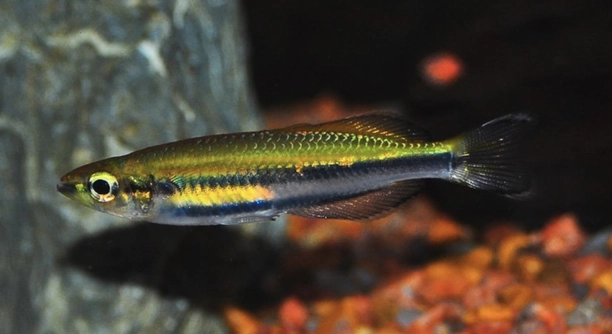
Have you ever noticed your rainbowfish swimming closely together after spawning? These colorful fish have fascinating behaviors that can change after mating. Observing them can reveal small shifts in their interactions and swimming patterns.
Rainbowfish can display territorial behavior after mating, especially males. This behavior involves defending a chosen area or hiding spots to protect eggs and fry. Territoriality helps ensure offspring survival and reduces conflicts with other fish in the same tank.
Watching these subtle behaviors can help you create a balanced environment for your rainbowfish. Understanding their habits ensures a healthier and calmer aquarium for everyone.
Understanding Rainbowfish Territorial Behavior
After mating, rainbowfish often show subtle changes in behavior, particularly males. They may patrol specific areas of the tank more actively and display flaring or chasing toward other fish. This territorial instinct is tied to protecting eggs or fry from potential threats. Females usually become less aggressive but may still move cautiously around nesting areas. Observing these behaviors helps you understand their natural tendencies and ensures proper tank management. Providing enough space and hiding spots reduces stress and keeps interactions from escalating. Overcrowding can trigger constant chasing and tension, so tank size is important. Decorations, plants, and rocks allow fish to claim small areas without interfering with others. Even minor changes, such as rearranging tank features, can influence how territories are maintained. Knowing these behaviors helps in planning feeding and monitoring mating pairs. Proper care and observation can prevent injuries and maintain a calm environment for your rainbowfish.
Territorial behavior typically peaks just after mating and gradually decreases once eggs are safe or fry are swimming independently.
Creating a tank setup that respects their space encourages natural interactions. Proper layout, plants, and open swimming areas reduce aggression. Observing fish over time helps anticipate behavior changes, ensuring a balanced and safe environment for all inhabitants.
Managing Aggression in the Tank
Aggression after mating is normal but manageable with careful observation.
Providing multiple hiding spots, visual barriers, and adequate space can reduce stress-induced conflict. Separating overly aggressive individuals temporarily may be necessary to prevent harm. Regularly monitoring water quality and feeding schedules also minimizes tension. Adjusting tank decorations or rearranging plants occasionally helps diffuse established territories, allowing fish to settle without constant confrontation. Introducing compatible tank mates and avoiding overcrowding maintains peace and supports overall health. Patience and consistency in observing and managing their behavior ensure rainbowfish thrive while exhibiting natural instincts.
Feeding and Territory
Rainbowfish can become more protective around feeding areas after mating. Males may chase others away from food to ensure their mates or fry get priority.
Maintaining a consistent feeding routine helps reduce stress and aggression. Distributing food in multiple spots allows all fish to eat without conflict. Using sinking pellets or flake food spread across the tank prevents dominant fish from monopolizing meals. Observing which areas are claimed during feeding can help you understand territorial boundaries and adjust tank layout. Balanced nutrition keeps fish healthy, reduces irritability, and supports egg and fry development. Paying attention to behavior while feeding is key to maintaining harmony in the tank.
Overfeeding or sudden changes in diet can trigger more aggressive displays. Fish become more competitive when food is scarce or unfamiliar. Offering variety gradually helps them adjust and reduces unnecessary conflicts. Careful observation allows you to spot which fish dominate feeding zones and which need more access, ensuring all members thrive without constant disputes.
Tank Setup for Harmony
Proper tank setup directly affects rainbowfish behavior after mating. Providing space, plants, and hiding spots reduces territorial stress.
Positioning decorations to create natural boundaries helps fish feel secure. Open swimming areas and vertical structures allow them to move freely while claiming small territories. Rocks, driftwood, and plants can break line-of-sight, preventing constant chasing. Adjusting the layout periodically can help diffuse tension and prevent long-term dominance by aggressive males. Observing how fish interact with their environment allows you to fine-tune the tank setup, ensuring a calmer, healthier habitat for mating pairs and the whole community.
Recognizing Signs of Stress
Rainbowfish may show stress through rapid swimming, hiding, or loss of color. These behaviors often indicate tension from territorial disputes after mating.
Keeping an eye on these signs is important. Early detection allows adjustments in tank setup or fish management to reduce stress and prevent injuries.
Separating Aggressive Individuals
When aggression escalates, temporarily separating overly dominant fish can protect others. Use a tank divider or a quarantine tank to give space without disrupting the entire group. Regular monitoring ensures fish remain healthy and calmer after reintegration.
Supporting Fry Survival
Providing dense plants or spawning mops gives fry safe hiding spots. This reduces predation and allows them to grow without constant harassment.
Monitoring Long-Term Behavior
Tracking rainbowfish behavior over weeks helps understand patterns. Noting aggression peaks, territory changes, and feeding dominance guides better tank management decisions.
Why do rainbowfish become territorial after mating?
Rainbowfish show territorial behavior after mating mainly to protect their eggs or fry. Male rainbowfish are instinctively driven to guard the area where eggs are laid, keeping rivals and other fish away. This behavior ensures higher survival chances for their offspring. Territorial displays can include chasing, flaring fins, and patrolling a specific area. Even in community tanks, these behaviors are natural and usually temporary. Understanding this instinct helps you manage the tank without trying to suppress normal fish behavior.
Do all rainbowfish species display the same level of territoriality?
Not all rainbowfish species behave the same way after mating. Some species, like the Boesemani rainbowfish, may be more aggressive and protective, while others, like the Turquoise rainbowfish, show milder territorial tendencies. Differences depend on size, temperament, and breeding instincts. Observing your specific species is key to knowing when intervention may be necessary. Adjusting tank layout, adding hiding spots, and monitoring interactions helps accommodate these species-specific behaviors without causing unnecessary stress.
How long does territorial behavior usually last?
Territorial behavior is usually strongest immediately after mating and lasts until the eggs hatch or fry are free-swimming. This period can range from several days to a few weeks. Once offspring are less vulnerable, male aggression often decreases naturally. During this time, providing multiple hiding spots and visual barriers can prevent prolonged conflicts. Consistent observation helps ensure aggression does not escalate unnecessarily and that all fish maintain good health and well-being.
Can territorial behavior harm other fish in the tank?
Yes, excessive territorial behavior can lead to stress, injuries, or even death in other fish. Chasing, nipping, or repeated dominance displays may cause weaker fish to hide constantly or lose appetite. Monitoring aggression levels and intervening when necessary helps prevent harm. Simple adjustments like rearranging tank décor, adding plants, or temporarily separating aggressive individuals can maintain a safer environment. Early attention ensures harmony and reduces stress-related health issues among the fish.
What tank setup reduces post-mating aggression?
A well-planned tank reduces aggression naturally. Include dense plants, rocks, and driftwood to break line-of-sight and create multiple territories. Open swimming areas combined with hiding spaces allow fish to claim zones without constant confrontation. Occasionally rearranging decorations can diffuse established territories and prevent long-term dominance. Maintaining water quality and providing consistent feeding routines further reduces stress and territorial disputes. Observing fish interactions in this setup helps maintain a calm and balanced environment.
How can I manage feeding during territorial periods?
Feeding can trigger aggression if dominant fish claim food. Spread food across multiple areas and use sinking pellets or flakes to ensure all fish eat. Smaller portions delivered gradually help prevent competition. Watching fish during feeding reveals territorial boundaries and highlights which individuals may need more access. Balanced nutrition supports calm behavior and overall health, especially during post-mating territorial periods. Adjustments based on observation can keep meals peaceful.
Do females become territorial after mating?
Females are generally less aggressive than males but may show mild territorial tendencies around spawning areas. They may avoid high-traffic zones and claim hiding spots for themselves or fry. Females’ subtle behaviors are usually less intense but still worth monitoring. Providing ample space and hiding areas supports females’ comfort and reduces conflicts with males or other tank inhabitants.
When is it necessary to separate rainbowfish?
Separation is needed if aggression becomes harmful or persistent. Use a tank divider or quarantine setup to isolate dominant fish temporarily. This protects weaker individuals and allows tension to settle. Reintroduce the separated fish gradually while monitoring interactions. Separation is a management tool, not punishment, and helps maintain overall tank harmony during territorial phases.
Are there signs that indicate a peaceful post-mating period?
Yes, a reduction in chasing, flaring, and patrolling indicates a peaceful period. Fish start exploring the tank freely, and fry move without constant interference. Males resume normal swimming and feeding behaviors. Observing these signs helps you know when intervention is no longer necessary and when the tank environment is balanced.
Can environmental changes affect territorial behavior?
Environmental changes like sudden tank rearrangements, overcrowding, or poor water quality can increase aggression. Stability in tank conditions supports calmer behavior. Gradual adjustments in décor or adding plants allow fish to adapt without heightened territorial disputes. Monitoring water parameters and maintaining consistent conditions reduces unnecessary stress and helps rainbowfish maintain natural, non-destructive behaviors.
This FAQ section provides practical guidance for understanding and managing rainbowfish territorial behavior, ensuring a healthier and safer aquarium environment.
Rainbowfish are naturally colorful and active fish, and their behavior after mating reflects their instincts. Territorial displays are a normal part of their life cycle, especially for males protecting eggs or fry. This behavior is not a sign of poor care or aggression for no reason. Observing how fish interact can give insight into their needs and preferences. Males may chase other fish, flare fins, or patrol areas where eggs are laid. Females are usually less aggressive but can still claim hiding spots for themselves or their fry. These behaviors are temporary and often calm down once the young fish are more independent. Understanding this helps in managing the aquarium without overreacting to normal instincts. It also allows for planning a tank layout that supports the fish’s natural tendencies while keeping the environment safe and calm.
Proper tank setup plays a large role in reducing stress and conflicts among rainbowfish. Providing plants, rocks, and driftwood creates multiple areas for the fish to claim, breaking line-of-sight and reducing constant chasing. Open swimming areas combined with these hiding spots allow each fish to move freely while maintaining a sense of territory. Feeding routines also influence post-mating behavior. Spreading food in several locations prevents dominant fish from monopolizing resources and reduces aggression. Observing which areas the fish favor for feeding or hiding can guide tank adjustments, ensuring that everyone has access to food and space without constant stress. Paying attention to these small details makes a noticeable difference in harmony and allows the fish to thrive naturally.
Monitoring behavior over time is essential to keep the aquarium balanced. Stress signs, such as rapid swimming, hiding, or loss of color, should be addressed immediately by adjusting the environment or temporarily separating overly aggressive fish. Noting aggression peaks, territorial patterns, and feeding dynamics helps anticipate problems before they escalate. Environmental stability, proper water quality, and adequate space all contribute to calmer behavior after mating. By understanding and respecting the fish’s instincts, it is possible to maintain a peaceful tank even during periods of heightened territoriality. With careful observation and thoughtful tank management, rainbowfish can display natural behaviors safely, ensuring both their health and the enjoyment of a vibrant, active aquarium.

Hello,
If you enjoy the content that we create, please consider saying a "Thank You!" by leaving a tip.
Every little bit helps us continue crafting quality advice that supports the health, happiness, and well-being of pets around the world, for pets of all shapes, sizes, and species.
We really appreciate the kindness and support that you show us!