
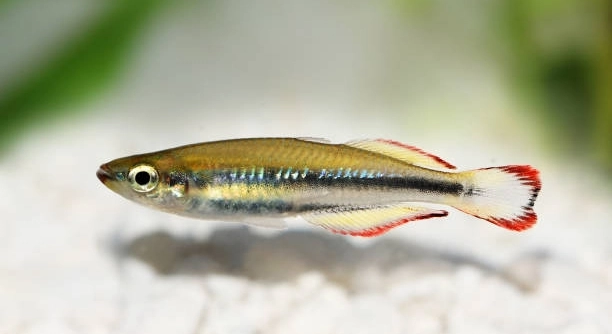
Many fish keepers notice subtle shifts in their rainbowfish throughout the day as light, activity levels, and feeding patterns influence their behavior in gentle ways that feel both natural and easy to observe each day.
Rainbowfish exhibit measurable behavioral variations across different times of day as changes in light intensity, feeding schedules, and circadian rhythms affect their activity patterns, social interactions, and coloration creating predictable daily cycles that reflect their natural adaptations in aquarium environments.
These daily shifts reveal patterns that help you understand their needs while supporting a balanced environment that keeps them thriving.
Morning Activity Patterns
In the early hours, rainbowfish often show a gentle rise in activity as light begins to settle across their tank, and I have noticed how their colors appear brighter when the day starts. Their movements become smoother, and they seem more eager to explore open areas, especially when they anticipate their first feeding. This increase in motion is tied to their natural rhythm, and it reflects the way they respond to gradual light changes. The calm tone of the morning allows them to interact without stress, creating a steady pattern that repeats itself each day. When observing them closely, small shifts in their speed and spacing become easy to recognize, and these details help create a clearer picture of their daily routine as the morning light continues to strengthen. Over time, these habits form a consistent pattern that gives you an understanding of how they adjust to daily light changes.
As midday approaches, their movements stay steady while their colors soften slightly, creating a calm and predictable rhythm. I often notice how they glide through the tank with relaxed confidence, showing stable behavior that reflects their comfort with the light shift settling across their space during this gentle daily period.
Evening brings a gradual slowdown that helps highlight the natural rhythm rainbowfish follow each day, and I have always found this period soothing to watch. Their colors deepen as the light fades, and their movements become more deliberate while they settle into calmer spaces. This shift reflects their instinctive response to fading light, and it creates a smooth transition toward rest. Paying attention to these changes helps you understand how their behavior aligns with their internal clock, allowing you to support an environment that remains steady and comfortable as the day draws to a close in a consistent and gentle way.
Behavioral Responses to Light Changes
Rainbowfish react quickly when light levels shift, especially during sudden changes that interrupt their usual rhythm. I notice their movements become sharper as they adjust, and this response shows how strongly they rely on stable lighting to maintain calm behavior throughout their daily cycle in a steady and predictable manner.
Light plays a central role in shaping how rainbowfish behave throughout the day, and I have seen how even small changes influence their comfort and activity. When light intensity rises, they often show brighter coloration and smoother movement, reflecting their natural tendency to remain active during brighter periods. As the light decreases, their pace slows, and they begin to group more closely, creating a calm environment that eases them into rest. This pattern mirrors their instinctive connection to light cycles, and it shows how important consistent lighting is for maintaining their well-being. Stable lighting supports predictable behavior, healthier stress levels, and smoother social interactions. In tanks with inconsistent lighting, rainbowfish may become unsettled, showing signs of erratic swimming or increased hiding. Keeping their environment steady helps them feel secure, making their daily activity patterns more balanced and easier to observe. When you understand these subtle shifts, it becomes easier to support their natural rhythm in a gentle and effective way, allowing them to thrive with ease under lighting conditions that match their needs. Consistent care centered on their lighting needs helps maintain stability while giving them a setting that reflects the calm, predictable patterns they rely on for daily comfort.
Feeding Influence on Daily Behavior
Feeding times have a clear impact on rainbowfish activity, and I see this every day when they quickly shift into a focused and alert state. Their movements become sharper, and they gather in open areas with noticeable anticipation as they wait for food to settle across the tank.
Feeding triggers a predictable burst of energy that blends smoothly into their usual rhythm, and I often notice how their colors intensify during this period. Their swimming becomes more coordinated, and they interact with each other in a more direct way as they compete gently for food. This heightened activity gradually softens once the feeding stops, allowing them to return to calmer behavior that mirrors their natural daily cycle. The steady pattern surrounding meals creates an easy reference point for understanding their needs, helping maintain a balanced schedule that supports their comfort throughout the day.
After feeding, their energy slowly settles into a peaceful state that carries through the next part of the day. I often see them glide into quieter areas, their movements calming as they process the recent activity. This gradual shift helps maintain a stable rhythm that minimizes stress, creating a predictable balance between excitement and rest. Watching this transition makes it easier to understand how meals shape their mood and social interactions, especially when the environment remains steady. Keeping feeding times consistent strengthens this natural flow, giving them a dependable structure that supports both their well-being and overall activity patterns in a gentle and reassuring way.
Social Interactions Throughout the Day
Social behavior in rainbowfish changes subtly as the day progresses, and I find these shifts easy to notice when watching them closely. Their spacing, color intensity, and movement patterns reveal how they adjust to the rhythm of light, feeding, and rest, creating a dynamic but predictable flow.
Throughout the day, they form loose groups that drift and reshape with the changing light. I often notice how their confidence grows during brighter hours, reflected in more open swimming and softer interactions. As the light dims, they begin to stay closer together, displaying calmer behavior that signals their shift toward rest. These transitions highlight how strongly their social patterns connect to environmental cues, and keeping their surroundings steady helps maintain harmony within the group. Stable conditions allow their natural tendencies to show clearly, making it easier to understand what helps them feel safe and comfortable while supporting healthy behavior in a gentle, predictable rhythm.
Rest Periods and Low Activity Times
Rainbowfish settle into calmer periods as the day winds down, and I often notice how their movements become slower and more deliberate. They choose quieter spaces, allowing their bodies to relax while maintaining a gentle awareness of their surroundings in a steady, peaceful way.
These low activity times help them recover from the energy spent during brighter hours and feeding. I see how their colors soften slightly, and they interact less, creating a soothing atmosphere. This quiet phase supports their overall balance and makes their daily rhythm feel natural and consistent.
Environmental Factors That Shape Behavior
Stable conditions play an important role in keeping rainbowfish comfortable, and I see how even slight changes can influence their behavior throughout the day. Water temperature, lighting consistency, and tank layout all shape how they move, interact, and rest. When these elements stay steady, their rhythm remains smooth and predictable. A balanced environment supports clearer social patterns, healthier stress levels, and more confident swimming. Monitoring these details daily helps maintain the comfort they rely on. Over time, these steady conditions create a space where their natural tendencies can appear without disruption, allowing them to thrive with ease and clarity.
Seasonal Light Variations
Seasonal changes can shift their daily rhythm, and I notice how slight differences in daylight length affect their activity. These shifts influence their colors, feeding response, and overall pace, creating gentle adjustments that mirror the natural patterns they follow throughout the year.
FAQ
How do rainbowfish react to sudden changes in light?
Sudden light changes can startle rainbowfish, causing a brief spike in activity. I often see them dart quickly to nearby plants or decorations for cover. Their colors may brighten temporarily, reflecting alertness, before they gradually return to normal swimming behavior once the environment stabilizes. Consistent lighting helps reduce these stress responses.
Do rainbowfish behave differently in morning versus evening?
Yes, mornings typically show a gentle rise in activity. I notice brighter colors and smoother swimming as they explore the tank. Evenings bring slower movements and calmer interactions, with rainbowfish gathering in sheltered areas. These patterns reflect natural rhythms influenced by light intensity and feeding schedules.
Does feeding time affect their daily activity?
Feeding clearly boosts activity. Rainbowfish respond quickly when food is introduced, swimming more directly and displaying heightened coordination. After feeding, they gradually settle into quieter areas, allowing their energy levels to normalize. Regular feeding schedules help maintain a predictable rhythm that aligns with their natural behavior.
Are social interactions influenced by the time of day?
Yes, social patterns shift with the day. I notice rainbowfish form looser groups during bright hours, swimming openly and interacting more freely. As light dims, they stay closer together and movements slow. Stable environmental cues ensure these social behaviors remain predictable and comfortable.
How does water temperature impact their behavior?
Water temperature affects swimming speed and energy levels. Slightly cooler water slows movement, while warmer water increases activity. I monitor temperature daily to maintain a steady range, which helps rainbowfish display natural rhythms and reduces stress from sudden fluctuations.
Do seasonal changes in light affect rainbowfish behavior?
Seasonal shifts in daylight length subtly change their routine. Longer light periods encourage extended active swimming, while shorter days trigger earlier rest periods. I notice small adjustments in color intensity, feeding response, and social spacing as they adapt to these natural cycles.
Can rainbowfish stress levels be seen in their daily behavior?
Yes, stress often appears as erratic swimming, frequent hiding, or faded colors. I make sure lighting, feeding, and social conditions are consistent to reduce stress. Observing their patterns helps identify when adjustments are needed to support calmer, predictable behavior.
Is tank layout important for daily behavior?
Tank layout strongly affects movement and comfort. Hiding spots and open areas allow rainbowfish to express natural rhythms safely. I have seen them use plants and decorations to balance activity and rest, supporting stable social interactions and energy levels throughout the day.
Do rainbowfish respond to external noises or vibrations?
Yes, they are sensitive to external disturbances. Loud noises or vibrations can startle them, causing sudden bursts of movement. I try to minimize nearby disturbances, creating a calm environment where their natural daily rhythm can proceed without interruption.
How can consistent care improve daily patterns?
Consistent care in lighting, feeding, temperature, and tank arrangement reinforces predictable behavior. I notice smoother activity transitions, healthier interactions, and calmer rest periods. Maintaining this steady routine helps rainbowfish thrive and shows how closely their behavior reflects environmental stability.
Do rainbowfish sleep or rest at night?
Rainbowfish enter quiet rest periods rather than deep sleep. Their movements slow, and they gather in calm areas. I watch as their colors soften, signaling lower activity levels. These nightly rest phases are essential for recovery and maintaining balanced energy throughout the day.
Can observing daily behavior help with tank management?
Absolutely. By tracking patterns in activity, feeding response, and social interaction, I can adjust lighting, temperature, and feeding schedules to match their natural rhythms. Understanding these cues ensures a stable, healthy environment and supports the well-being of each fish consistently.
Are rainbowfish active during cloudy days or low light?
Activity usually decreases slightly in lower light. I notice slower swimming and more time spent in sheltered areas. Colors appear less vivid, but behavior remains predictable. Consistent care and stable tank conditions help them adjust smoothly to natural variations in light levels.
Do different species of rainbowfish show the same daily patterns?
While all rainbowfish share general rhythms, some species may differ in color intensity, activity bursts, or social behavior. I pay attention to these differences when mixing species, ensuring each one receives consistent conditions to support natural patterns without stress.
How long does it take for rainbowfish to adapt to a new tank?
Adaptation varies, typically taking several days to weeks. I observe their movements, color changes, and social interactions to gauge comfort. Providing steady lighting, proper temperature, and adequate hiding spots helps them establish predictable daily rhythms more quickly.
Can tracking behavior indicate health issues?
Yes, deviations from normal daily patterns often signal potential health concerns. I watch for changes in activity, color, or social interaction. Early detection allows for timely adjustments in environment or care, supporting overall health and long-term comfort.
Do rainbowfish prefer group or solitary living for daily activity?
They thrive in groups, which supports natural swimming and social patterns. I notice that solo fish appear less confident and display erratic movements. Maintaining a small school helps them balance activity, feeding, and rest periods throughout the day.
Is light spectrum important for their daily rhythm?
Yes, light spectrum influences color display and activity. I use full-spectrum lighting that mimics natural daylight, promoting normal behavior patterns. Consistent exposure supports predictable activity, social interactions, and healthy coloration throughout the daily cycle.
How can I observe these patterns without stressing the fish?
I watch quietly from outside the tank and minimize sudden movements or noises. Using natural light or soft aquarium lighting allows observation while maintaining calm, steady conditions. Patience helps reveal subtle shifts in behavior without disturbing their daily rhythm.
What signs show that daily care routines are effective?
Smooth transitions between activity, feeding, social interactions, and rest indicate effective routines. I notice consistent color intensity, steady movement, and relaxed social spacing. When these patterns remain stable, it shows that lighting, feeding, and environmental conditions are supporting their natural behavior successfully.
Final Thoughts
Observing rainbowfish throughout the day offers a clear view of how environmental factors shape their behavior. Their activity patterns, color changes, and social interactions follow predictable cycles influenced by light, feeding, and tank conditions. I have found that paying attention to these details provides a better understanding of their needs and helps maintain a stable, comfortable environment. Each part of the day brings a unique set of behaviors, from the gentle rise in activity during the morning to the calmer, slower movements in the evening. Recognizing these patterns allows for adjustments in care that align with their natural rhythms. Consistent observation also helps identify when something in the tank may be affecting their well-being. Small changes, like shifts in lighting or temperature, can disrupt their routine, so maintaining steady conditions supports both their physical and mental comfort. I have noticed that even minor disruptions in feeding schedules can create temporary stress, which usually resolves once the routine is restored. Understanding these subtle signals is key to creating an environment that allows rainbowfish to thrive naturally and predictably.
Consistency is one of the most important factors in supporting healthy behavior in rainbowfish. Daily routines in feeding, lighting, and tank maintenance help maintain predictable activity patterns that reduce stress. I have seen how stable conditions encourage smoother social interactions, more confident swimming, and balanced energy levels throughout the day. When their environment remains steady, rainbowfish display brighter coloration and more coordinated movement, which are signs of comfort and well-being. On the other hand, inconsistent care often leads to erratic behavior, increased hiding, and less engagement with other fish. Monitoring their daily responses to environmental conditions provides useful insight into what supports their natural behavior. Maintaining proper water temperature, regular feeding times, and consistent lighting helps reinforce these daily patterns, ensuring their energy cycles remain balanced. The presence of adequate hiding spots and open swimming areas also contributes to their overall comfort, giving them spaces to rest and interact safely. With careful attention to these elements, it is possible to support a predictable and healthy rhythm that mirrors their behavior in natural habitats.
Observing and understanding rainbowfish daily behavior also provides insight into their overall health and social well-being. Subtle changes in swimming patterns, coloration, or group dynamics often signal adjustments in either their environment or routine that may be necessary. I have noticed that rainbowfish adapt gradually to changes, but they respond best when conditions remain consistent. Providing a stable, predictable environment allows them to display natural behaviors without stress or disruption. By tracking their activity, feeding, and social interactions, I have been able to anticipate periods of high activity and rest, which helps create an ideal living space that supports both physical and emotional needs. Paying attention to these patterns reinforces a thoughtful approach to tank care, highlighting the importance of consistency and stability. In turn, this creates an environment where rainbowfish can thrive, demonstrating natural color, confident movement, and smooth social interactions. Observing their daily cycles becomes rewarding, as it reveals the balance and rhythm that healthy rainbowfish maintain when their environment aligns with their natural tendencies.

Hello,
If you enjoy the content that we create, please consider saying a "Thank You!" by leaving a tip.
Every little bit helps us continue crafting quality advice that supports the health, happiness, and well-being of pets around the world, for pets of all shapes, sizes, and species.
We really appreciate the kindness and support that you show us!