
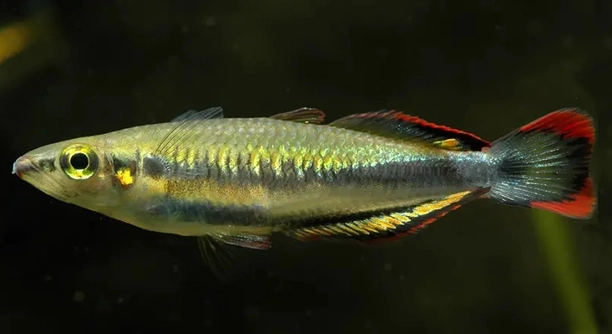
Are your rainbowfish flicking their fins more than usual in the aquarium? These small, colorful fish can display quick, jerky movements that may seem alarming at first glance. Understanding this behavior helps maintain their well-being and comfort.
Frequent flicking in rainbowfish is commonly caused by irritation from poor water quality, stress, or parasites. Ensuring clean water, proper temperature, and a calm environment significantly reduces this behavior, supporting overall health and preventing long-term complications in captive fish.
Monitoring your fish closely and adjusting their environment can make a noticeable difference. Simple changes often prevent recurring flicking and improve their overall activity and mood.
Common Causes of Flicking in Rainbowfish
Rainbowfish often flick their fins when something in their environment feels off. Poor water quality is one of the main reasons, including high ammonia or nitrite levels, which irritate their skin and gills. Rapid temperature changes or low oxygen levels can also make them twitch or dart around. Stress from overcrowding or aggressive tank mates may increase flicking. Even minor injuries or small parasites can trigger this behavior. Observing your fish closely helps identify patterns, like flicking after feeding or during water changes. Overfeeding can also lead to uneaten food decomposing, worsening water conditions. A calm, consistent environment reduces unnecessary stress and prevents recurring flicking. Using a reliable water test kit and performing regular water changes is essential. Providing hiding spots, proper tank size, and gentle lighting contributes to a healthier, more stable environment. Addressing these factors early improves the overall health of rainbowfish, ensuring they remain active and colorful.
Maintaining stable water conditions and minimizing sudden changes usually decreases flicking within a few days.
Paying attention to details like tank cleanliness, oxygenation, and compatible companions is key. Even small adjustments can prevent recurring issues and keep your rainbowfish comfortable, active, and displaying their natural, vibrant behavior.
Monitoring and Adjusting Their Environment
Regular observation helps detect early signs of flicking and stress.
Noticing patterns in behavior allows targeted changes, such as adjusting feeding routines, water parameters, or tank layout. Overcrowded tanks often lead to aggression and frequent flicking, so spacing and compatible species are important. Filtration and aeration must be adequate for the tank size to maintain oxygen levels. Lighting should mimic natural cycles to reduce stress. If parasites are suspected, isolation and treatment are necessary. Removing uneaten food promptly prevents ammonia spikes. Keeping track of temperature, pH, and nitrate levels ensures a stable environment. Gradual changes in water conditions are better than sudden shifts. Providing plants or decorations gives fish safe spaces to retreat. Introducing new fish slowly and monitoring interactions reduces stress-induced flicking. In combination, these steps create a balanced environment where rainbowfish feel secure, lowering erratic fin movements and supporting overall well-being. By staying attentive, you can enjoy healthy, active fish that show their full range of natural behaviors without constant flicking.
Feeding and Diet Factors
Overfeeding can make rainbowfish flick more often. Uneaten food decomposes, affecting water quality and irritating their fins and gills.
Rainbowfish need a balanced diet of flakes, pellets, and occasional live or frozen foods. Feeding too much or too little can cause stress and irregular behavior. Uneaten food increases ammonia, nitrites, and nitrates, which irritate their skin and gills. Observing how much your fish eat helps you adjust portions. Spreading out feeding times and removing leftovers keeps water clean. Proper nutrition also strengthens their immune system, helping them resist infections that could trigger flicking. Small, frequent feedings are better than one large meal, supporting natural activity patterns and reducing sudden energy bursts that may look like flicking.
Offering variety in their diet improves overall health and reduces abnormal movements. Live or frozen foods provide stimulation, and high-quality flakes or pellets supply essential nutrients. Watching your rainbowfish respond to different foods helps ensure they stay healthy and active.
Stress from Tank Conditions
Crowded or noisy tanks often increase flicking behavior.
Temperature fluctuations, bright lights, and sudden movements around the tank can stress rainbowfish. Stress leads to rapid fin flicking and erratic swimming. Maintaining a calm, consistent environment is essential for their well-being. Proper tank size, gentle filtration, and compatible companions reduce tension. Hiding spots and plants allow fish to retreat when they feel threatened. Monitoring water quality and keeping the tank routine steady prevents unnecessary stress. Adjusting these conditions gradually is better than sudden changes, as rainbowfish are sensitive to their surroundings and thrive in stable settings.
Overcrowding and incompatible tank mates can escalate stress-related flicking. Even minor changes in their environment, like moving decorations or adding new fish, may temporarily increase flicking until they adjust. Filtration should be strong enough to keep water clear but gentle enough to avoid creating strong currents. Plants, driftwood, and caves offer refuge and reduce stress. Regularly checking water parameters, such as temperature, pH, and nitrate levels, ensures a consistent environment. With patience and careful observation, you can create a comfortable space where rainbowfish feel safe, lowering flicking frequency and supporting natural, healthy behavior patterns.
Parasites and Skin Irritations
External parasites like ich or flukes can make rainbowfish flick frequently. Skin irritation from rough decorations or sharp plants may also trigger this behavior.
Regular observation helps catch early signs of parasites. Treating infestations quickly and removing harmful items from the tank prevents further irritation.
Water Quality and Filtration
Poor water quality is a leading cause of flicking. Ammonia, nitrite, and nitrate levels must be monitored regularly. Frequent water changes and proper filtration keep the environment safe. Clear water, stable pH, and correct temperature reduce stress and support healthy behavior, preventing unnecessary fin flicking.
Overcrowding
Too many fish in a tank increase stress levels and flicking behavior. Proper spacing allows rainbowfish to swim freely and maintain social balance.
FAQ
Why is my rainbowfish flicking its fins constantly?
Constant fin flicking is often a sign of stress or irritation. Poor water quality, sudden temperature changes, parasites, or aggressive tank mates can all trigger this behavior. Observing your fish closely helps identify patterns. Regular water testing, appropriate tank mates, and stable conditions reduce flicking and support overall health.
Can diet affect flicking behavior?
Yes, feeding habits play a role. Overfeeding can cause leftover food to decompose, raising ammonia and nitrite levels, which irritate fins and gills. Providing a balanced diet of flakes, pellets, and occasional live or frozen foods keeps your rainbowfish healthy and less prone to stress-induced flicking.
Could water quality be the issue?
Water quality is a common factor in flicking behavior. High ammonia, nitrites, or nitrates can irritate skin and gills. Regular water changes, proper filtration, and monitoring pH and temperature help maintain a stable environment. Even small fluctuations can cause stress, so consistency is key.
Are parasites responsible for flicking?
External parasites like ich, flukes, or lice can irritate rainbowfish, causing rapid flicking. Early detection is important. Symptoms include white spots, redness, or clamped fins. Treating infestations with appropriate medications and isolating affected fish prevents spread and reduces irritation. Maintaining clean water helps prevent recurrence.
Does tank size matter for flicking?
Overcrowded tanks increase stress, aggression, and flicking. Rainbowfish need space to swim freely and establish territories. A larger tank with compatible companions reduces tension. Adding plants or hiding spots provides security and lowers stress-induced flicking. Spacing and environment adjustments often improve behavior within days.
Can lighting or noise affect my fish?
Bright lights, sudden changes in lighting, or loud vibrations near the tank can stress rainbowfish. Stressful conditions may lead to flicking or erratic swimming. Gentle, consistent lighting and minimizing external disturbances create a calm environment, helping fish feel secure and behave naturally.
How do I know if flicking is serious?
Occasional flicking can be normal, but persistent or intense flicking often signals a problem. Watch for additional signs like clamped fins, rapid breathing, lethargy, or discoloration. If these appear, check water quality, diet, tank mates, and consider a parasite inspection to address the cause promptly.
Can changes in tank decorations trigger flicking?
Yes, moving decorations or adding sharp objects may stress rainbowfish. Sudden changes can cause temporary flicking as fish adjust. Providing soft, safe materials and gradual changes allows fish to adapt comfortably without long-term stress.
Will flicking stop on its own?
Sometimes minor flicking resolves if environmental stressors are minor. However, persistent behavior usually indicates an underlying issue such as poor water quality, parasites, or overcrowding. Monitoring closely and addressing these factors ensures your rainbowfish remain healthy and reduces frequent flicking.
How can I prevent flicking in the future?
Maintaining stable water conditions, providing proper diet, and ensuring appropriate tank size are key. Regular water testing, compatible tank mates, and gentle lighting prevent stress. Observing your fish daily helps catch early signs of irritation or disease. Consistency and attentive care significantly reduce flicking behavior.
Is flicking linked to breeding behavior?
Occasionally, flicking can appear during mating displays, especially in males showing off to females. However, this is usually brief and accompanied by other behaviors like chasing or color changes. Persistent, erratic flicking outside breeding times typically points to stress or environmental issues.
Can flicking indicate illness beyond parasites?
Yes, bacterial or fungal infections can irritate fins or gills, causing flicking. Symptoms may include redness, frayed fins, or unusual swimming patterns. Prompt diagnosis and treatment, along with maintaining clean water, help prevent serious health issues and reduce flicking behavior.
Does water temperature influence flicking?
Rainbowfish are sensitive to sudden temperature changes. Water that is too cold or too warm can cause stress and increase flicking. Maintaining a stable temperature suitable for the species helps them swim comfortably and reduces erratic movements. Gradual adjustments are safer than sudden shifts.
Are there behavioral signs to watch for alongside flicking?
Yes, clamped fins, rapid breathing, lethargy, hiding, or changes in appetite often accompany stress or illness. Observing these signs together helps identify the cause of flicking and guides corrective measures, such as adjusting water conditions, diet, or tank layout.
How long does it take for flicking to improve after adjustments?
Improvement can be seen within a few days if environmental or dietary factors are addressed. Persistent flicking beyond a week may indicate parasites or disease, requiring treatment. Consistency in water parameters, diet, and tank conditions supports faster recovery and long-term comfort.
Can flicking cause long-term harm?
Frequent flicking itself is usually a symptom rather than a direct cause of harm, but underlying issues can affect health if ignored. Chronic stress, poor water quality, or untreated infections can weaken the immune system, reduce lifespan, and lead to secondary illnesses.
Is isolation necessary if a fish is flicking?
Isolation may help if the flicking is caused by parasites or aggression from tank mates. Quarantining affected fish allows for targeted treatment and reduces stress on others. Observe behavior closely and resume social housing once the fish is healthy and flicking decreases.
Do tank mates influence flicking?
Aggressive or overly active tank mates can provoke flicking. Rainbowfish are generally peaceful, so compatible species reduce stress. Monitoring interactions and adjusting the mix of fish or providing more space can significantly reduce flicking caused by social tension.
Are there supplements that help reduce flicking?
High-quality foods with vitamins and minerals strengthen immune systems, making fish less susceptible to stress-related flicking. Some aquarists add stress-reducing supplements during transport or illness, but proper diet and water conditions are more effective long-term solutions.
Should I consult a vet for flicking issues?
If flicking persists despite addressing water quality, diet, and tank conditions, consulting a vet or aquatic specialist is recommended. They can diagnose parasites, infections, or other health problems that may not be obvious, ensuring timely and effective treatment.
Final Thoughts
Rainbowfish are sensitive and active fish, and frequent flicking of their fins is often a signal that something in their environment needs attention. Observing this behavior closely can help identify underlying issues such as poor water quality, stress, diet problems, or the presence of parasites. While occasional flicking may be normal, persistent or intense movements usually indicate discomfort or irritation. Maintaining a clean tank with stable water parameters, appropriate temperature, and proper filtration is essential. Regular water testing ensures that ammonia, nitrite, and nitrate levels remain safe. Even minor fluctuations in these factors can trigger flicking and affect the overall health of your fish. Simple, consistent care goes a long way in keeping rainbowfish healthy and active.
Diet and feeding habits play a key role in preventing flicking behavior. Overfeeding can result in leftover food, which quickly decomposes and releases harmful substances into the water. Providing a balanced diet that includes flakes, pellets, and occasional live or frozen foods ensures proper nutrition and supports their immune system. Small, frequent feedings help prevent sudden bursts of activity that may appear as flicking. Observing how your fish respond to different foods allows adjustments to portion sizes and feeding schedules, which can significantly improve their comfort and overall activity. Along with diet, the tank layout and population matter as well. Overcrowding, aggressive tank mates, or insufficient hiding spaces can create stress, which often manifests as flicking. Ensuring adequate space and providing plants or decorations for shelter helps rainbowfish feel secure. Monitoring interactions among fish and making gradual adjustments can prevent unnecessary tension in the tank.
Stress management is equally important for maintaining healthy behavior. Sudden changes in lighting, tank decorations, or room activity can cause temporary flicking as fish adjust. Parasites and infections also contribute to fin irritation, so monitoring for early signs like spots, frayed fins, or clamped behavior is crucial. Isolating affected fish and treating infestations promptly prevents spread and reduces irritation. Keeping an eye on behavior patterns, water quality, and diet, combined with consistent care, creates a stable environment where rainbowfish thrive. By paying attention to these factors, flicking can be minimized, and your fish will display natural, calm, and active behavior. Establishing a routine that includes regular maintenance, careful observation, and responsive care ensures long-term well-being. Healthy rainbowfish are more colorful, active, and interactive, making the aquarium a balanced and visually enjoyable space. Consistency, patience, and attentiveness are key to supporting their comfort and reducing unwanted flicking.

Hello,
If you enjoy the content that we create, please consider saying a "Thank You!" by leaving a tip.
Every little bit helps us continue crafting quality advice that supports the health, happiness, and well-being of pets around the world, for pets of all shapes, sizes, and species.
We really appreciate the kindness and support that you show us!