
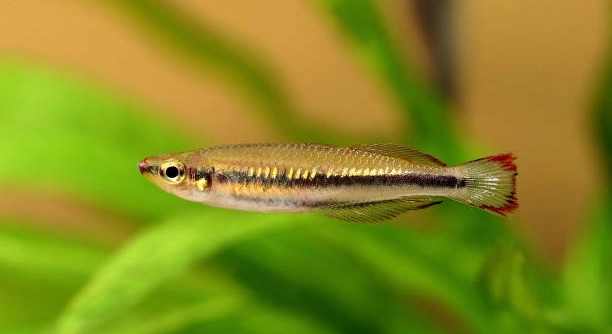
Have you ever noticed how rainbowfish move around in your aquarium and wondered if they behave differently when they have a companion? Observing their daily routines can reveal patterns in their activity and social habits.
Rainbowfish tend to exhibit higher activity levels when housed with a partner. The presence of a companion encourages social interaction, reduces stress, and stimulates natural behaviors such as swimming in groups and exploring their environment more frequently.
Watching these colorful fish can be surprisingly rewarding, and learning about their social behavior can help you create a happier, more active aquarium.
How Rainbowfish Behave Alone
Rainbowfish kept alone often show less activity than those in pairs or groups. They may spend more time hiding or resting in corners of the tank, appearing less vibrant and engaged. Without a companion, they lack the stimulation that encourages natural movement and playful interactions. Feeding time can also feel quieter, with the fish sometimes eating slower or hesitating to explore new food. Observing them alone, it becomes clear that their social behavior is limited. Their color intensity may seem slightly duller, and their swimming patterns more uniform and predictable. While a solitary fish can survive, it may not thrive as fully as one with company. The tank environment alone cannot replace the behavioral boost that comes from having another rainbowfish present. Simple changes like adding a plant or decoration cannot entirely compensate for the lack of social interaction that naturally increases activity and engagement in rainbowfish.
Alone, rainbowfish may appear calm but lack dynamic behavior and energy.
Even small companions, like another rainbowfish, can make a noticeable difference. Two fish swimming together often interact, chase each other playfully, and respond quickly to food. Their environment seems more vibrant, and they explore more corners of the tank. Observing them together highlights how social interaction impacts their natural instincts. Tank decorations and hiding spots are still important, but the presence of a partner stimulates movement and interest in surroundings. Even a single companion can encourage more active swimming patterns and brighter color displays. Over time, solitary fish may become lethargic or less responsive, while paired fish maintain energy and curiosity. Activity levels fluctuate depending on tank size, water conditions, and diet, but companionship consistently improves behavior. Adding a partner doesn’t just increase movement; it enriches their mental and physical well-being, creating a more balanced and lively aquarium experience that reflects their natural tendencies.
Signs Your Rainbowfish Enjoys Company
Rainbowfish often show clear signs of engagement when with a partner, including synchronized swimming and frequent interaction.
You may notice playful chases, mutual displays of color, and increased exploration around the tank. These behaviors indicate that the fish feel more secure and motivated to interact with their environment. Over time, paired fish develop rhythms that keep them active throughout the day. Their swimming patterns become more varied, often weaving around plants and decorations together, highlighting their social instincts. The difference is especially visible during feeding, where they react quickly and compete gently for food without stress. Color vibrancy also improves, reflecting overall well-being influenced by companionship. Environmental enrichment alone cannot replicate these benefits, emphasizing the importance of pairing rainbowfish whenever possible. Observing these behaviors helps in understanding their needs, ensuring they remain healthy and engaged, rather than simply surviving. Keeping rainbowfish together allows natural social behaviors to emerge, supporting both mental stimulation and physical activity that solitary fish may lack.
Benefits of Keeping Rainbowfish in Pairs
Rainbowfish are naturally social and thrive with companions. They swim more actively, display brighter colors, and explore their environment more freely when paired.
Having a partner encourages natural behaviors like following each other, gentle chasing, and synchronized swimming. Solo fish may hide or stay in one area, while paired fish move around the tank more often. Companionship reduces stress, making them more responsive to feeding and environmental changes. Even minor interactions, like nudging or hovering nearby, provide mental stimulation that solitary fish miss. Tank decorations enhance activity, but the presence of another fish is the main driver for consistent movement.
Pairs also show improved health over time. Active swimming helps maintain muscle tone, supports proper digestion, and reduces the likelihood of lethargy. Fish with partners tend to develop a routine, becoming more predictable in feeding and behavior. Watching them interact makes it easier to monitor their well-being, as changes in activity or color are more noticeable. Overall, pairing rainbowfish leads to a livelier tank and supports both physical and mental health.
How to Introduce a Partner Safely
Introduce a new rainbowfish gradually to prevent stress or aggression.
Start by keeping the new fish in a separate tank or container within the main aquarium. This allows both fish to see each other without direct contact. Observe their reactions carefully. Slowly acclimate the new fish to the water conditions over several days. Once temperatures, pH, and overall water quality match, allow brief supervised interactions. Look for signs of acceptance, such as swimming near each other without chasing or hiding. Over a week, increase time together until full introduction is safe.
Monitor behavior closely during the first weeks. Even after introduction, minor disputes may occur, usually over territory or curiosity. Ensure plenty of hiding spots to reduce tension and give each fish space when needed. Feeding together can encourage positive associations and reduce competition. Avoid adding multiple new fish at once, as it can overwhelm established fish and cause stress. Maintaining stable water conditions, proper diet, and careful observation ensures both rainbowfish remain healthy, active, and socially comfortable, creating a balanced and vibrant tank environment.
Signs of Compatibility
Rainbowfish that get along usually swim together calmly and explore the tank without stress.
They may follow each other, hover nearby, and display bright colors. Lack of aggression or hiding shows they feel secure together.
Adjusting Tank Conditions for Two
When keeping rainbowfish in pairs, slightly larger tanks work best. Adequate space allows both fish to swim freely and reduces territorial disputes. Decorations like plants, rocks, and hiding spots create a more comfortable environment. Stable water conditions, proper filtration, and regular cleaning support their health and encourage active behavior.
Feeding Behavior Changes
Paired rainbowfish often eat more eagerly and evenly. Competition encourages quick responses, reducing food waste and stimulating natural foraging instincts.
Monitoring Stress Levels
Watch for signs like darting, hiding, or color fading. Early observation helps prevent long-term health issues in paired fish.
FAQ
Do rainbowfish need a partner to stay healthy?
Rainbowfish do not strictly need a partner to survive, but having one greatly improves their overall well-being. Solo fish may appear calmer, but they often swim less, hide more, and show less vibrant coloring. A companion encourages movement, social behaviors, and mental stimulation, which helps maintain both physical and emotional health. Even a single partner can make a noticeable difference in their daily activity levels.
How many rainbowfish should be kept together?
Rainbowfish are happiest in small groups or pairs. While some species can tolerate larger groups, starting with two allows for easier monitoring of behavior and compatibility. Adding too many at once may create stress or competition for space, especially in smaller tanks. Observing interactions in pairs helps ensure both fish are comfortable before expanding the group.
Can rainbowfish fight with a partner?
Minor disputes are normal, especially during introductions or when establishing territory. Light chasing or brief displays of dominance typically do not cause harm. Providing ample space and hiding spots reduces tension. If aggression persists, separating the fish temporarily or adjusting decorations can help restore balance. Monitoring behavior closely during the first few weeks is important to prevent stress or injury.
How do rainbowfish interact when paired?
Paired rainbowfish often swim together, follow each other, and explore the tank as a unit. They may mirror movements or hover side by side, which shows comfort and engagement. Playful chasing and gentle nudging are signs of healthy interaction. Feeding time usually becomes livelier, as both fish respond quickly to food and display more vibrant colors.
What signs indicate a rainbowfish is unhappy alone?
Signs include lethargy, hiding in corners, duller colors, and reduced swimming. Some may ignore food or show minimal interest in their surroundings. These behaviors often improve once a partner is introduced. Active companions encourage natural instincts and provide mental stimulation, helping fish regain energy and confidence.
Is a bigger tank necessary for pairs?
A slightly larger tank is helpful for two rainbowfish, as it gives them room to swim without stress. Decorations and hiding spots reduce territorial disputes and make the environment more engaging. Water quality must be stable, and filtration should handle increased activity. Adequate space ensures both fish can maintain natural swimming patterns and healthy social behaviors.
Can a rainbowfish bond with a new partner?
Yes, but gradual introduction is key. Using a separate container or tank section initially allows them to observe each other without direct contact. Slowly acclimating the new fish to the water conditions reduces stress. Supervised interactions over several days help both fish adjust, leading to a stronger bond and active companionship.
Does pairing affect lifespan?
Active, engaged rainbowfish often live longer than solitary ones. Social interaction reduces stress, promotes exercise, and supports overall health. Longevity is also influenced by water quality, diet, and tank conditions, but companionship consistently contributes to a more stable and fulfilling life for rainbowfish.
What should I do if my rainbowfish ignores a partner?
Some fish may take time to accept a new companion. Ensure both have enough space, hiding spots, and stable water conditions. Observe interactions over days or weeks. Minor avoidance is normal, but persistent stress or aggression may require temporary separation and gradual reintroduction.
Can rainbowfish live alone successfully?
While possible, solitary rainbowfish often miss out on social stimulation, which can lead to reduced activity and color vibrancy. Providing enrichment like plants and decorations helps, but pairing is the most effective way to encourage natural behaviors and ensure a happier, more active fish.
How do feeding habits change with a partner?
Paired fish tend to eat faster and explore food more actively. Competition encourages quick responses and prevents food from sitting uneaten. Feeding together can also strengthen social bonds and increase overall activity, making meals an important part of their daily routine.
Are all rainbowfish species social?
Most species enjoy company, but the degree of social behavior can vary. Observing individual temperaments helps determine compatibility. Even less social species benefit from at least one companion to stimulate activity and reduce stress. Monitoring interactions ensures both fish feel secure.
How long does it take for rainbowfish to adjust to a partner?
Adjustment can take several days to a few weeks, depending on personality and tank conditions. Gradual introduction, consistent feeding, and a stable environment help the process. Over time, behaviors like swimming together, following each other, and playful chasing indicate successful adaptation.
Does companionship improve color vibrancy?
Yes, paired rainbowfish often display brighter, more vivid colors. Social interaction stimulates natural behavior and reduces stress, which directly influences physical appearance. Fish that are alone or stressed may appear duller, while active companions encourage lively displays and overall vitality.
What precautions are needed when introducing a new rainbowfish?
Check water parameters, acclimate the new fish slowly, and provide separate observation space initially. Watch for aggression or stress signs, and ensure both fish have hiding spots. Gradual introduction reduces risk of injury, helps form bonds, and supports active, healthy behavior in both rainbowfish.
Keeping rainbowfish can be a very rewarding experience, especially when you understand their social needs. These fish are naturally active and tend to show more dynamic behavior when they have a companion. Alone, a rainbowfish may appear calm and content, but closer observation often reveals less movement, less exploration, and even duller coloring. Having a partner encourages natural behaviors like swimming together, following each other around the tank, and engaging in gentle interactions. These social behaviors are not just entertaining to watch; they are also important for the fish’s overall well-being. The presence of a partner provides mental stimulation that cannot be replicated with decorations or toys alone, making companionship a key factor in creating a lively and balanced aquarium.
Introducing a companion requires some careful planning to ensure both fish adjust well. Gradual introductions help reduce stress and prevent unnecessary conflicts. Starting with a separate container or partition within the tank allows the fish to observe each other without direct contact. This step gives them time to become familiar with one another and recognize that there is no threat. Once they appear comfortable, supervised interactions can gradually increase until the two fish share the space freely. It is also important to provide hiding spots and plants so each fish can have its own area if needed. This reduces tension, especially in the early stages of pairing. Monitoring behavior closely during the first few weeks is essential. Signs like chasing that becomes aggressive or hiding that continues for long periods indicate that adjustments may be needed. Over time, most rainbowfish adapt well and form a natural, active relationship with their partner.
The benefits of keeping rainbowfish in pairs go beyond activity levels. They often eat more consistently, explore the tank more, and display brighter, healthier colors. These factors contribute to both physical and mental health. Active swimming helps maintain muscle tone and proper digestion, while mental stimulation from social interaction reduces stress and prevents boredom. Even in smaller tanks, pairing improves the quality of life for each fish when proper space and environmental enrichment are provided. Observing a pair of rainbowfish interact can also help you better understand their behaviors, needs, and overall health. By paying attention to how they swim, feed, and respond to each other, you can make adjustments that enhance their comfort and happiness. In the end, providing a companion for your rainbowfish creates a more vibrant, engaging aquarium and supports the long-term well-being of these colorful, lively fish.

Hello,
If you enjoy the content that we create, please consider saying a "Thank You!" by leaving a tip.
Every little bit helps us continue crafting quality advice that supports the health, happiness, and well-being of pets around the world, for pets of all shapes, sizes, and species.
We really appreciate the kindness and support that you show us!