
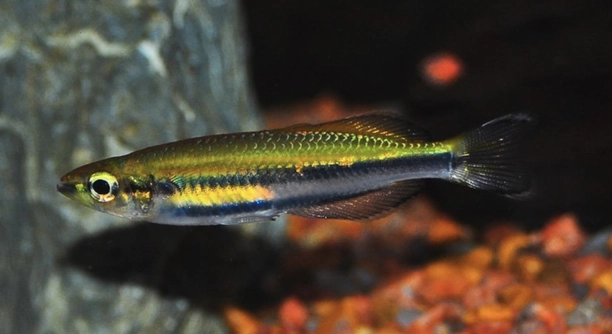
Rainbowfish are small, colorful fish often kept in home aquariums. Their vibrant colors and active behavior make them a favorite for many fish enthusiasts looking to brighten up their tanks. These fish react quickly to changes in their environment.
Rainbowfish can be shocked by sudden changes in water temperature, pH levels, lighting, tank mates, diet, water flow, and habitat structure. Each factor can significantly affect their behavior, health, and overall well-being in both home and natural settings.
Learning how rainbowfish respond to different changes can help maintain a healthy, stable tank environment. Knowing these reactions ensures their comfort and longevity while keeping their natural behaviors intact.
Sudden Water Temperature Changes
Rainbowfish are very sensitive to rapid changes in water temperature. When the water becomes too hot or too cold suddenly, they can become stressed or even sick. I noticed once after adding a heater too quickly, my rainbowfish hid at the bottom of the tank, barely moving. Sudden drops in temperature can make them sluggish, while quick rises can make them dart frantically around the tank. Their metabolism depends on stable water, and drastic changes interfere with it. Keeping a thermometer in the tank helps monitor the temperature. Slowly adjusting the temperature over hours can prevent shock. If you move rainbowfish from one tank to another, acclimation is essential. Float them in a bag to slowly match the water temperature, adding small amounts of new water every few minutes. This approach keeps them calm and healthy. Even minor fluctuations during routine water changes can stress them, so careful monitoring is key to their well-being.
Maintaining stable water temperature reduces stress, encourages normal behavior, and supports healthy growth. Gradual adjustments prevent sudden shocks that can harm rainbowfish.
Watching rainbowfish adapt to a gentle temperature change makes me appreciate how delicate they are. Small actions, like slowly adjusting water, create a calmer, happier tank where they can swim freely and display their natural colors without stress.
pH Level Shifts
Rainbowfish react strongly to changes in water pH. A sudden increase or decrease can upset their balance and health.
Stable pH supports proper bodily functions and coloration. My rainbowfish once showed faded colors after a sudden pH drop, which gradually returned once I corrected it. Testing the water regularly ensures that pH stays within a safe range. Different species have slightly different preferences, so knowing your rainbowfish type is important. Avoid strong chemicals that can swing pH drastically. I usually use natural water conditioners and small adjustments to maintain stability. Regular water changes help keep pH steady. Sudden swings can cause stress behaviors such as hiding, loss of appetite, or erratic swimming. Monitoring and controlling pH carefully gives rainbowfish the best chance to thrive. This is especially crucial in community tanks, where other fish may tolerate different pH levels, creating tension. Taking the time to maintain a stable pH keeps the fish active, colorful, and healthy, ensuring a balanced aquatic environment for long-term care.
Lighting Changes
Rainbowfish can become stressed when lighting changes suddenly. Bright lights or inconsistent day-night cycles can cause them to hide or swim nervously.
I once replaced a tank bulb with a much brighter one, and my rainbowfish immediately stayed near plants, avoiding open areas. They need gradual adjustments to lighting, and dimming lights slowly or using a timer helps them adapt. Sudden bright light can strain their eyes and affect natural behaviors, including feeding and resting patterns. Over time, consistent lighting helps maintain their colors and reduces stress-related illness. Observing their reactions closely allows me to make small changes without causing panic or hiding, keeping them comfortable.
Consistent, gentle lighting also supports plant growth, which provides shelter and hiding spots. This creates a healthier environment where rainbowfish feel safe. A well-planned light schedule can mimic natural conditions, helping their body rhythms stay balanced. Gradual transitions, especially during tank maintenance or bulb replacement, prevent sudden stress. Even small lighting tweaks, like moving a lamp closer or farther, can impact them, so I adjust slowly and monitor their behavior carefully.
Introduction of New Tank Mates
Adding new fish can disrupt rainbowfish behavior if done suddenly. Aggressive or very active species can intimidate them.
When I added a few fast-moving fish without a proper introduction, my rainbowfish became withdrawn, hiding for hours. To prevent stress, I use a quarantine period for new fish and allow slow visual introductions through a divider. Observing interactions before full integration helps reduce aggression. Rainbowfish appreciate calm tank mates that do not compete aggressively for food or territory. Gradually mixing species and providing plenty of hiding spaces ensures everyone can coexist. Careful planning makes social balance achievable.
It’s important to monitor feeding patterns during introductions. Rainbowfish can get pushed aside by more aggressive eaters, which may cause malnutrition or stress. I make sure food is spread throughout the tank, giving everyone access. Providing plants, rocks, and other hiding spots allows shy individuals to retreat safely. Over time, rainbowfish usually adjust to new companions, but patience is key. Rushing the process can lead to injuries or long-term stress. Observing body language, like fin displays or chasing, helps me intervene before conflicts escalate. A calm, balanced tank environment helps rainbowfish stay healthy and display their best colors.
Diet Changes
Rainbowfish can be unsettled when their diet changes abruptly. Switching foods too quickly may cause them to refuse meals or become stressed.
I experienced this when I introduced a new flake brand. They avoided the food for a few days. Gradually mixing the new food with their regular diet helps them adjust without losing appetite.
Water Flow Adjustments
Strong currents can overwhelm rainbowfish. They prefer moderate flow that allows free swimming without constant resistance.
When I increased my filter output, they struggled to swim and often rested near corners. Reducing flow or adding decorations to break currents helps them adapt. Proper water circulation supports oxygenation, but too much can cause stress, disrupt feeding, and trigger erratic movements. Observing how they react to flow changes lets me find the right balance. Even minor adjustments in filter speed or placement can create a calmer environment. Maintaining moderate flow ensures rainbowfish stay active and healthy while keeping the tank stable.
Tank Structure Modifications
Adding or removing plants, rocks, or hiding spots can shock rainbowfish. They rely on consistent spaces for comfort and security.
Lighting Schedule Variations
Shifting light cycles suddenly can disturb rainbowfish sleep and activity patterns, causing stress or hiding behavior.
FAQ
How do I safely change the water temperature for my rainbowfish?
Gradual adjustments are key. I slowly raise or lower the temperature over several hours using a reliable heater or cooler. Adding a few degrees at a time while monitoring with a thermometer prevents stress. Rapid changes can shock them, affecting swimming, appetite, and health. Float new fish in the tank water when introducing them to ensure gradual acclimation. This method keeps them calm and prevents sudden reactions that could harm their wellbeing.
What is the ideal pH range for rainbowfish?
Most rainbowfish prefer slightly alkaline water, around 6.8 to 7.8. I test my tank water regularly to maintain stability. Sudden pH drops or spikes can lead to stress, hiding, or even illness. Using water conditioners and regular partial water changes helps me avoid drastic fluctuations. Quarantining new fish and slowly adjusting pH levels keeps all tank inhabitants safe. Consistent pH also supports color vibrancy and normal metabolism, which is especially important during breeding or when fish are actively growing.
Can rainbowfish handle sudden changes in diet?
No, they need a gradual introduction. I mix new food with their existing diet over several days. Sudden changes often lead to refusal to eat and reduced energy. Offering variety helps maintain nutrition but should be done carefully. Overfeeding or giving overly rich foods can also cause digestive problems. Observing their eating patterns allows me to notice if adjustments are necessary. Ensuring a mix of flakes, pellets, and occasional live or frozen food keeps them healthy and prevents stress related to food changes.
How do I introduce new tank mates without stressing rainbowfish?
I always use a quarantine tank first to observe new fish. Visual introductions through a divider help rainbowfish get used to newcomers without direct contact. Gradually removing the divider allows limited interaction before full integration. Providing plenty of hiding spaces, spreading food throughout the tank, and monitoring behavior prevents bullying and stress. Avoiding aggressive or overly fast-moving species is important. Even small changes, like adding one fish at a time, make a big difference in maintaining a calm, balanced environment where rainbowfish can adjust without fear or aggression.
What should I do if lighting changes stress my rainbowfish?
Adjust lights slowly. I dim new bulbs gradually or use a timer to maintain a consistent day-night cycle. Sudden bright lights can cause hiding, frantic swimming, or loss of appetite. Gradual transitions protect their eyesight and behavior patterns. Plants and decorations help create shaded areas for retreat. Observing their response lets me fine-tune lighting without causing panic. Keeping light schedules consistent also encourages natural feeding and resting patterns, which improves overall health.
How can I manage water flow to keep rainbowfish comfortable?
Moderate flow is best. I reduce strong currents and break flow with plants or decorations. Excessive flow stresses them, making swimming difficult and increasing energy expenditure. Proper circulation still ensures oxygenation and cleanliness without overwhelming the fish. Watching their swimming patterns indicates if adjustments are needed. Even slight changes to filter placement or speed can make a calmer, more stable environment. Maintaining moderate, steady water movement helps rainbowfish stay active and healthy while preventing erratic behavior caused by strong currents.
Why do rainbowfish hide after changes in the tank?
Hiding is their natural response to stress. I’ve seen them retreat after water, temperature, diet, or lighting changes. Providing plants, rocks, or other shelters gives them security. Over time, as conditions stabilize, they usually return to normal swimming and feeding. Observing hiding patterns helps identify stress sources, so I can adjust the environment accordingly. Consistent routines and gradual changes reduce prolonged hiding and promote confidence in the tank.
How often should I check the tank when making changes?
Daily observation is essential. I check water temperature, pH, and flow, and watch behavior closely during any change. Small signs of stress, such as faded colors, reduced movement, or hiding, indicate adjustments are needed. Regular monitoring prevents minor issues from becoming serious problems. Keeping a simple log of changes and responses helps me track what works best for my rainbowfish. Consistent care ensures they stay healthy and adapt more easily to adjustments in their environment.
Rainbowfish are delicate creatures that respond quickly to changes in their environment. Their health and behavior can be affected by water temperature, pH levels, lighting, water flow, diet, tank structure, and new tank mates. Observing them carefully helps identify what causes stress and allows for timely adjustments. Over time, I learned that even small changes, like switching a light bulb or moving a plant, can make a noticeable difference in how they act. They rely on stability and predictability to feel safe, and maintaining consistent conditions is essential for their well-being. A calm, steady tank helps rainbowfish show their natural colors, remain active, and feed properly. Stress can weaken their immune system, making them more prone to illness, so paying attention to subtle signs is crucial.
Providing a structured environment is as important as monitoring water parameters. Plants, rocks, and hiding spaces offer comfort and security, helping rainbowfish feel protected. I make sure the tank has enough open space for swimming while including areas to retreat when needed. Introducing new tank mates gradually and observing interactions ensures harmony. Sudden changes in the tank, whether it is adding fish, altering water flow, or switching food, can lead to hiding, erratic swimming, or appetite loss. By making changes slowly and carefully, rainbowfish have time to adjust, reducing stress and promoting natural behavior. Regular water testing, maintaining moderate water flow, and keeping a consistent lighting schedule are all steps that support a healthy environment. Each of these practices, though simple, plays a major role in their overall comfort and longevity.
Consistency and patience are the keys to keeping rainbowfish healthy. Watching them adapt to small adjustments has taught me the importance of slow, deliberate changes. They thrive in conditions where their needs are predictable and their environment is stable. Regular observation and careful management of temperature, pH, lighting, and diet allow rainbowfish to maintain vibrant colors and energetic behavior. Over time, the right care creates a balanced and calm tank that supports their growth and natural instincts. Learning how they react to changes has made me more attentive and thoughtful about every adjustment I make in the tank. Maintaining their habitat may seem simple, but it requires consistent effort, attention to detail, and patience. By prioritizing their comfort and stability, rainbowfish can live healthy, active lives while displaying their full range of natural behaviors.

Hello,
If you enjoy the content that we create, please consider saying a "Thank You!" by leaving a tip.
Every little bit helps us continue crafting quality advice that supports the health, happiness, and well-being of pets around the world, for pets of all shapes, sizes, and species.
We really appreciate the kindness and support that you show us!