
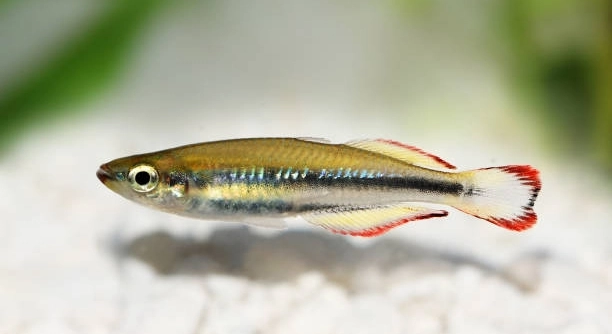
Rainbowfish are colorful freshwater fish often kept in community aquariums, admired for active movement and shimmering scales. Their behavior attracts attention from keepers seeking calm, balanced tanks with compatible species and predictable social patterns overall.
Rainbowfish are inherently social and exhibit schooling behavior consistently, though interaction levels vary. They remain most cohesive in groups, where safety, feeding efficiency, and stress regulation improve, while isolation reduces activity, coloration intensity, and overall wellbeing within captive environments settings.
Social structure influences health, color, and daily activity, and understanding these dynamics helps create stable aquariums that support long-term success.
Natural Social Behavior of Rainbowfish
Rainbowfish display social behavior that develops from instinct rather than training. In natural habitats, they swim in loose groups that provide safety and structure. I have noticed that grouped fish move with more confidence and show stronger color. This behavior helps reduce stress and supports daily routines such as feeding and resting. When one fish reacts, others quickly follow, creating coordinated movement. This shared response limits risk from threats and improves survival. Social interaction also supports hierarchy, which prevents constant conflict. Each fish learns its place without aggressive displays. Over time, this balance creates a calm environment. Even in aquariums, these instincts remain present. When conditions support grouping, rainbowfish behave in predictable patterns that reflect their natural design and long established social needs. Consistent lighting, proper tank size, and stable water parameters further encourage these behaviors and allow social tendencies to remain visible each day within well managed aquarium setups.
Group size directly affects how often rainbowfish interact. Smaller groups lead to hiding and dull color. When kept in proper numbers, movement becomes synchronized, feeding is smoother, and stress related behaviors decrease noticeably over time. I have seen this change clearly after adjusting stocking levels and observing daily activity patterns.
Social behavior is not constant at the same intensity throughout the day. Rainbowfish become more active during feeding and light changes. During rest periods, they still remain close, just less animated. This pattern shows that social presence matters even without constant interaction. I find this reassuring as it shows calm grouping is normal. Expecting nonstop activity can lead to unnecessary concern. Understanding these natural shifts helps maintain realistic expectations and supports better care decisions in long term aquarium management. These observations have guided my own setup choices and improved overall stability within my tanks over many years of consistent care.
Do Rainbowfish Need Constant Companionship
Rainbowfish do not require interaction every moment to remain healthy. What matters is consistent access to a group. Brief separation for maintenance causes little impact, but long term isolation often leads to visible decline in behavior and appearance. I have avoided single housing after seeing these effects firsthand in practice.
While rainbowfish enjoy social settings, they also benefit from personal space within the group. Tanks with adequate length allow swimming without constant contact. This balance prevents stress and excessive competition. I focus on providing visual breaks using plants and decor, which helps fish spread naturally. Social time occurs during feeding and active hours, while calmer spacing happens during rest. This rhythm supports stability. Overcrowding disrupts this balance and reduces overall health. Proper filtration and regular maintenance further support group living. Consistent routines reinforce calm behavior. When these needs are met, rainbowfish maintain steady interaction without appearing restless. Observing them over time shows that healthy social behavior looks controlled rather than frantic. This approach has improved tank harmony and reduced losses. Allowing social choice rather than forced closeness leads to stronger coloration, improved appetite, and longer lifespan. Group living works best when paired with thoughtful space management and steady care practices. I adjust layouts gradually and observe responses before making changes. This method respects natural behavior and avoids sudden stress. Small adjustments often produce better results than frequent major changes, supporting consistency and long term success for both fish and keeper within stable home aquarium environments over time for lasting balance.
Signs of Healthy Social Interaction
Healthy social interaction in rainbowfish appears as steady swimming, consistent color, and shared feeding behavior. Fish remain alert without appearing frantic. I often watch them move together briefly, then separate calmly, which shows comfort within the group rather than forced clustering during normal daily tank activity and stable routines overall.
Color intensity is one of the clearest indicators of social comfort. When rainbowfish feel secure, their scales appear brighter and more reflective. In my tanks, this change becomes noticeable within weeks of proper grouping. Feeding time also reveals social health, as fish approach food confidently without excessive chasing. Mild hierarchy exists, yet aggression remains limited. Swimming patterns stay organized, with fish maintaining awareness of each other. These signs together suggest the group is functioning well. When these behaviors persist daily, it usually means environmental conditions and social structure are properly balanced over extended periods of consistent care and observation time.
Behavior during rest periods is just as important as active moments. Rainbowfish that settle calmly near one another show trust and reduced stress. I pay attention to spacing, as healthy groups avoid piling tightly. Nighttime behavior often reflects daytime stability. If fish rest scattered yet visible, social needs are met. Regular observation helps catch subtle changes early. Sudden withdrawal or isolation often signals imbalance. Addressing tank size, lighting, or group numbers usually restores calm interaction and prevents long term issues within the aquarium before stress affects health and coloration over time and overall behavior consistency levels in captive environments daily.
Effects of Social Isolation
Isolation impacts rainbowfish more than many keepers expect. A single fish often becomes less active and loses color. I have seen isolated individuals hide frequently and ignore food. Over time, stress weakens immunity. Even with clean water, behavior declines. The absence of social cues removes structure from daily activity, leading to visible discomfort and reduced overall vitality. This pattern develops gradually and is easy to miss without regular observation over extended care periods in aquariums.
Long term isolation can also create misleading impressions of temperament. A withdrawn rainbowfish may appear calm, but this usually reflects stress rather than contentment. I learned this after reintroducing grouped housing and watching behavior change quickly. Activity increased, feeding improved, and color returned. Social presence encourages natural movement and reduces fear responses. Without it, fish remain alert but inactive. Providing companions supports mental stimulation and routine. Even peaceful species benefit from shared space. When planning stocking, social needs should rank as high as filtration and water quality. Balanced groups support resilience and promote stable behavior over time in home aquariums. This approach reduces losses, improves observation accuracy, and supports responsible long term care decisions for keepers managing community tanks with consistent maintenance routines in practice.
Tank Environment and Social Balance
Tank size plays a direct role in rainbowfish social comfort. Limited space restricts swimming and forces constant contact. I have noticed tension rise in shorter tanks. Longer layouts allow movement, brief grouping, and separation. This balance supports natural behavior and reduces stress during daily activity for them overall each day.
Decor placement also shapes interaction. Plants and wood create visual breaks without isolating fish. I prefer open swimming lanes paired with cover zones. This setup prevents chasing and allows weaker fish relief. Thoughtful layout encourages calm grouping while maintaining individual space consistently within shared tanks over long periods of time.
Ideal Group Size for Stability
Group size affects behavior more than many factors. Rainbowfish thrive in numbers that allow natural schooling. I keep at least six to spread attention evenly. Smaller groups increase hiding and stress. Larger groups promote confidence, smoother feeding, and stronger color. Each fish reacts less defensively when companions are present. Social cues guide movement and reduce sudden darting. Balanced numbers also limit dominance issues. Overstocking creates pressure, so moderation matters. Proper group size supports stability, health, and predictable interaction patterns in well maintained aquariums. I adjust stocking slowly and observe responses before making further changes to avoid sudden social disruption risks.
Water Quality and Social Tolerance
Water quality influences social tolerance. Poor conditions shorten tempers and reduce movement. I have seen minor issues escalate under stress. Clean water supports energy and patience. When parameters remain stable, rainbowfish interact calmly and recover quickly from brief disputes without lasting behavioral changes in the group over extended periods daily.
FAQ
Are rainbowfish social all the time, or only during certain hours?
Rainbowfish are not actively social every moment, but they remain socially aware throughout the day. I notice higher interaction during feeding, lighting changes, and active swimming periods. During rest times, they still stay within view of each other, just with less movement. This balance is normal and healthy. Constant motion is not required for social fulfillment.
Can rainbowfish live alone if the tank is large enough?
A larger tank does not replace the need for companions. I have seen isolated rainbowfish become dull and withdrawn even in spacious setups. Space helps reduce stress, but social cues come only from other fish. Long term single housing usually leads to reduced activity and weaker appetite, regardless of tank size.
How many rainbowfish are needed to form a stable group?
A group of six is the minimum I recommend. This number spreads attention evenly and prevents one fish from becoming a target. Larger groups often behave more calmly, provided the tank supports them. When I increased group size gradually, I noticed smoother swimming patterns and fewer sudden reactions during feeding.
Do rainbowfish form strong bonds with specific tank mates?
Rainbowfish do not bond in pairs like some species, but they do recognize group members. I observe consistent positioning and familiar swimming patterns within the same group. This recognition supports stability. Mixing unfamiliar fish suddenly can disrupt this balance and cause temporary tension until hierarchy resets.
Does social behavior differ between male and female rainbowfish?
Yes, males tend to display more during active periods, especially around feeding or light changes. Females are usually steadier and less reactive. In my tanks, balanced ratios reduce excessive chasing. Too many males can increase competition, while mixed groups promote calmer interaction and consistent movement patterns.
Will rainbowfish socialize with other species?
Rainbowfish tolerate peaceful tank mates well, but they rely on their own species for true social structure. I keep them with calm community fish, yet their strongest interaction remains within their group. Other species do not replace schooling needs. Proper compatibility still matters to avoid stress.
How does stress affect rainbowfish social behavior?
Stress reduces interaction quickly. I see hiding, scattered swimming, and loss of color when something is off. Causes often include poor water quality, overcrowding, or sudden changes. Once corrected, social behavior usually returns within days. Observing group movement helps identify stress early.
Do rainbowfish need visual contact at all times?
They benefit from visual access but do not need constant sightlines. I design tanks with breaks using plants while keeping open areas. This allows choice. Fish move in and out of view naturally. Total isolation zones should be avoided, but partial cover supports comfort.
Can rainbowfish become aggressive within their group?
Mild dominance behavior is normal, especially during feeding. I rarely see lasting aggression when group size and space are adequate. Chasing that ends quickly is acceptable. Ongoing targeting is not. Adjusting layout or numbers usually resolves issues without removing fish.
How long does it take for social behavior to stabilize after changes?
In my experience, rainbowfish adjust within one to two weeks. Adding fish, rearranging decor, or changing lighting can disrupt patterns briefly. Consistency is key. Avoid frequent changes. Once stability returns, movement becomes predictable again and color improves steadily.
Is schooling behavior stronger in younger rainbowfish?
Younger fish often school tighter, especially when settling in. As they mature, spacing becomes more relaxed. This shift does not mean social decline. I see it as confidence growth. Adult rainbowfish still rely on group presence, just with calmer movement.
Does feeding style affect social interaction?
Yes, scattered feeding reduces competition. I avoid single feeding spots. When food spreads across the surface, fish interact without crowding. This lowers stress and supports even nutrition. Feeding approach directly shapes how social behavior appears during active periods.
Can lighting influence how social rainbowfish appear?
Lighting changes trigger activity. Gradual transitions work best. Sudden shifts cause darting and confusion. I use consistent schedules, which helps fish anticipate changes together. This shared response reinforces group behavior and keeps interaction smooth.
Do rainbowfish recognize routine?
They respond strongly to routine. Feeding times, light cycles, and maintenance schedules shape behavior. I notice synchronized movement before feeding. Routine builds predictability, which supports social confidence and reduces unnecessary stress.
Is reduced interaction always a problem?
Not always. Seasonal shifts, age, or temporary stress can lower activity. I watch for patterns rather than single days. If color, appetite, and positioning remain stable, reduced interaction is usually normal. Sudden long term withdrawal deserves attention.
Final Thoughts
Rainbowfish social behavior becomes clear when observed over time rather than judged by constant movement. Their need for companionship shows through calm grouping, steady swimming, and consistent color. I have learned that social presence matters more than nonstop interaction. A stable group allows rainbowfish to feel secure without pressure. When their environment supports natural spacing and routine, they settle into predictable patterns. This balance reflects comfort rather than boredom. Understanding this has helped me focus less on activity spikes and more on overall stability. Social health appears in subtle ways that repeat daily. Watching how fish rest, feed, and respond to change provides better insight than brief moments of excitement. These details shape responsible care and reduce unnecessary adjustments that often create stress instead of solving it.
Providing the right conditions allows rainbowfish to express social behavior naturally. Tank size, layout, group numbers, and water quality work together rather than separately. I have found that correcting one issue often improves several behaviors at once. Clean water supports patience. Proper spacing limits tension. Adequate group size spreads attention evenly. None of these elements work well in isolation. When combined, they create an environment where rainbowfish interact without conflict. Social needs are not demanding, but they are specific. Ignoring them leads to subtle decline that may go unnoticed until behavior changes become obvious. Meeting these needs early prevents long term problems and supports healthier fish. Consistency matters more than perfection. Small, steady improvements often deliver better results than frequent major changes.
Observing rainbowfish has reinforced the importance of patience and routine in fishkeeping. Social behavior does not need constant intervention. Once a balanced setup is established, rainbowfish tend to maintain it themselves. I trust their behavior more now and intervene less. This approach has led to calmer tanks and stronger fish overall. Social interaction becomes a background rhythm rather than a focal point. Accepting this has improved both my experience and their wellbeing. Rainbowfish thrive when allowed to behave as they are designed to behave. Supporting that design requires attention, not control. With time, their social patterns become familiar and reassuring. This understanding creates confidence in care decisions and encourages long term commitment to thoughtful aquarium management.

Hello,
If you enjoy the content that we create, please consider saying a "Thank You!" by leaving a tip.
Every little bit helps us continue crafting quality advice that supports the health, happiness, and well-being of pets around the world, for pets of all shapes, sizes, and species.
We really appreciate the kindness and support that you show us!