
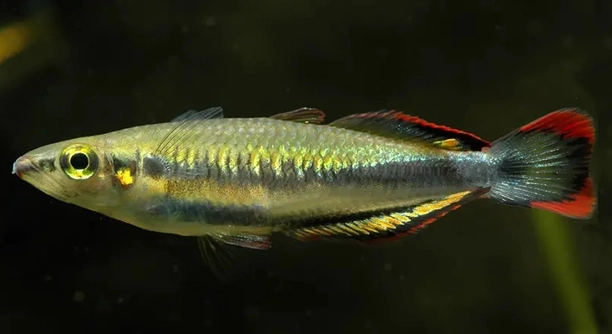
Rainbowfish are usually social and swim together peacefully in aquariums. Suddenly noticing them avoiding each other can be surprising and even concerning for hobbyists. Their behavior often signals changes in environment, stress, or social dynamics within the tank.
Rainbowfish may begin avoiding each other due to territorial disputes, overcrowding, changes in water quality, or stress from sudden environmental shifts. These factors can trigger defensive or evasive behavior, disrupting their normal social interactions and swimming patterns.
Observing these behaviors closely can reveal underlying issues affecting the entire tank community. Small adjustments may help restore harmony and natural social interactions among your rainbowfish.
Common Causes of Sudden Avoidance
Rainbowfish may suddenly avoid each other due to a variety of environmental and social factors. Changes in water quality, such as fluctuations in pH, temperature, or ammonia levels, can create stress that disrupts normal behavior. Overcrowding in the tank often forces fish to compete for space, leading to increased aggression or withdrawal. Additionally, the introduction of new fish can temporarily alter social hierarchies, making some rainbowfish more cautious or hesitant to interact. Illness or injury can also cause a fish to isolate itself to recover, which may appear as sudden avoidance. Observing swimming patterns, feeding behavior, and physical signs can help identify the specific factor affecting your fish. Even minor changes, like rearranging decorations or adjusting lighting, can influence their comfort level and prompt temporary withdrawal. Recognizing and addressing these factors early helps maintain a stable, healthy environment that supports normal social behavior.
Addressing water quality and tank conditions promptly often restores peace among rainbowfish, minimizing stress and preventing further avoidance.
Keeping a regular maintenance schedule, monitoring behavior, and providing ample space are key strategies. Overcrowding or poor water conditions can escalate quickly, affecting the entire tank. Additionally, maintaining consistent lighting and reducing sudden changes in environment helps rainbowfish feel secure. Behavioral shifts often indicate a need for immediate attention. Observing fish closely allows identification of shy, stressed, or ill individuals. Isolation for treatment may sometimes be necessary to prevent disease spread. Providing hiding spots, smooth transitions in decorations, and gradual introductions of new fish supports social stability. Nutrition also plays a role; balanced feeding routines reduce competition and aggression. Recognizing early signs of stress, like hiding, rapid gill movement, or lack of appetite, allows intervention before avoidance becomes permanent. Adjusting tank dynamics with these considerations ensures rainbowfish continue to interact naturally, preserving their vibrant social environment. Regular care ultimately encourages healthy behavior and reduces anxiety in the aquarium.
Stress and Territorial Behavior
Stress in rainbowfish can arise from poor water quality, aggressive tankmates, or insufficient space, prompting avoidance behaviors.
Territorial disputes are common when rainbowfish feel the need to defend areas within the tank. Individual fish may stake out sections, especially around preferred hiding spots or feeding zones. Stress heightens sensitivity to intrusions, causing sudden withdrawal or chasing behavior. Environmental factors such as strong currents, abrupt lighting changes, or loud vibrations exacerbate stress, reducing interactions. Social hierarchy also influences behavior; dominant fish can intimidate subordinates, leading them to isolate temporarily. Consistent monitoring and providing adequate territory markers help reduce conflict. Maintaining stable water parameters and ensuring a calm environment supports social cohesion. Gradual introductions of new fish and proper tank size mitigate aggression. Recognizing signs of stress early allows for timely interventions, including rearranging decorations or creating additional hiding areas. Stress management is crucial to restore normal social patterns, preserve health, and maintain a harmonious aquarium ecosystem where rainbowfish feel secure and engaged.
Diet and Feeding Conflicts
Rainbowfish may avoid each other during feeding times if competition arises over food or if certain individuals are stressed by others’ presence.
Feeding routines can directly influence social behavior. Aggressive or dominant fish may chase or intimidate less assertive individuals, causing them to hide or avoid others during meals. Uneven distribution of food increases stress, as some fish may not receive adequate nutrition while others monopolize resources. Providing multiple feeding spots and spreading food evenly helps reduce competition. Offering a varied diet, including flakes, pellets, and occasional live or frozen foods, ensures all fish get balanced nutrition. Observing how your rainbowfish feed together can highlight social tensions and guide adjustments.
Adjusting the feeding schedule and ensuring all fish have access reduces stress-related avoidance. Consistent feeding practices encourage smoother interactions, supporting a healthier tank environment.
Behavior during meals often reflects broader social dynamics. Dominant rainbowfish establish priority over preferred feeding areas, while shy individuals retreat to quieter corners. Over time, this can lead to habitual avoidance, reinforcing territorial patterns. Using slow-release feeders or scattering food allows less assertive fish to eat without fear. Maintaining a calm, predictable environment during feeding times reduces anxiety and supports natural behaviors. Nutrition directly impacts energy levels and immune health, so addressing conflicts is crucial. By monitoring feeding interactions, it becomes easier to identify stressed or isolated individuals and intervene. Strategies like staggered feeding or additional hiding spots help redistribute attention and maintain harmony. Healthy feeding routines ultimately improve social cohesion, minimizing sudden avoidance.
Tank Layout and Environmental Design
Tank layout influences how rainbowfish interact, with cramped or poorly structured environments leading to avoidance.
Space, hiding areas, and visual barriers affect social comfort. Open water areas allow active swimming, while plants, rocks, or driftwood provide refuge for shy fish. Overcrowding and lack of structure increase stress, prompting fish to avoid each other. Strategic placement of décor helps create territories and reduces conflict. Lighting and water flow also affect behavior. Bright, harsh light or strong currents may cause certain individuals to seek shelter. Rotating décor or adding new hiding spots can alleviate tension and encourage more natural interactions. Monitoring how fish navigate the environment reveals problem areas.
Careful design and thoughtful placement of tank elements improve social dynamics and reduce avoidance. A well-planned layout allows rainbowfish to feel secure, explore freely, and interact naturally without unnecessary stress. Properly balanced environments contribute to long-term health and prevent persistent behavioral issues. Creating zones for feeding, swimming, and resting supports each fish’s needs. Maintaining clean water and stable parameters complements these design efforts. Observing daily activity helps identify areas causing conflict. Adjustments to space, hiding places, and décor can quickly reduce tension. Providing variety in terrain supports physical activity and mental stimulation. With attention to environmental design, rainbowfish display normal social behavior and less avoidance over time.
Water Quality Issues
Poor water quality can quickly cause rainbowfish to avoid each other. High ammonia, nitrite, or nitrate levels create stress, making fish hide or swim separately.
Temperature fluctuations and incorrect pH also disrupt normal social behavior. Stable water parameters are essential for maintaining harmony in the tank.
Disease and Health Problems
Illness often causes sudden avoidance among rainbowfish. Infected or injured fish may isolate themselves to recover, while healthy fish may keep their distance to avoid contact. Common signs include clamped fins, lethargy, or discoloration. Promptly identifying affected individuals allows for treatment and prevents further disruption of social dynamics. Monitoring overall health through observation and regular water testing helps reduce the risk of disease spreading, ensuring the tank environment remains supportive. Quarantining new or sick fish, maintaining clean water, and providing balanced nutrition strengthen their immune systems. Awareness of early symptoms is key to restoring normal interactions.
Social Hierarchy
Rainbowfish establish dominance through subtle displays and occasional chases. Avoidance often reflects these social rankings within the tank.
Why are my rainbowfish suddenly avoiding each other?
Rainbowfish may avoid each other due to stress, overcrowding, territorial disputes, or changes in water quality. Sudden environmental changes, like adding new fish, rearranging decorations, or fluctuations in temperature and pH, can disrupt social behavior. Illness or injury can also make a fish isolate itself, leading to temporary avoidance. Observing their swimming patterns and feeding habits helps identify the source of stress.
Can poor water quality cause rainbowfish to act differently?
Yes. Ammonia, nitrite, nitrate spikes, or inconsistent pH and temperature levels create stress and discomfort. Fish may hide, swim separately, or show reduced interaction. Maintaining clean, stable water with regular testing is essential for their health and social behavior.
How does tank size affect their interactions?
Overcrowding increases competition and tension. Small tanks limit swimming space and make it harder for shy or subordinate fish to find safe areas. Providing adequate space reduces stress and supports normal social patterns.
Do diet and feeding habits influence avoidance?
Yes. Uneven feeding or competition for food can cause dominant fish to chase others, prompting avoidance. Using multiple feeding spots, spreading food evenly, and offering a varied diet reduces conflict and stress. Consistent routines help all fish feel secure.
Will new fish introductions cause temporary avoidance?
Absolutely. New fish can disrupt established social hierarchies. Dominant fish may assert themselves, while shy fish may hide or avoid interaction. Gradual introductions, providing hiding spots, and observing behavior closely help reduce stress during transitions.
Can lighting or water flow affect behavior?
Yes. Bright lights or strong currents may make certain fish retreat. Rainbowfish prefer stable lighting and gentle water flow to feel secure. Adjusting these conditions can reduce avoidance and encourage natural swimming patterns.
How does disease impact social behavior?
Illness can lead to isolation. Sick fish may hide to recover, and healthy fish may avoid them. Common signs include lethargy, clamped fins, or discoloration. Prompt treatment, quarantine of sick individuals, and clean water prevent disease spread and restore normal interactions.
Are territorial disputes common among rainbowfish?
Yes. Territorial behavior is natural, especially around preferred hiding spots or feeding areas. Subordinate fish may avoid dominant individuals to reduce conflict. Providing decorations, plants, and visual barriers allows each fish to claim space, reducing tension and promoting peaceful coexistence.
What steps help restore normal interactions?
Maintaining clean, stable water, providing adequate space, creating hiding spots, and ensuring fair feeding routines all support harmonious behavior. Observing daily interactions allows early identification of stress or aggression. Gradual adjustments to environment and social dynamics encourage rainbowfish to interact normally again.
How can I prevent avoidance in the future?
Consistent care, proper tank size, balanced diet, stable water conditions, and thoughtful introductions of new fish are key. Regular observation of behavior, attention to social hierarchies, and timely interventions reduce stress, keeping rainbowfish active, healthy, and social in the tank.
What are the early signs of stress in rainbowfish?
Hiding, clamped fins, rapid gill movement, reduced appetite, or erratic swimming indicate stress. Addressing these signs immediately through water checks, environmental adjustments, and feeding strategies helps prevent prolonged avoidance and maintains a healthy, social tank environment.
How long does it take for rainbowfish to resume normal behavior?
Recovery depends on the underlying cause. Minor stress or temporary changes may see improvement in a few days, while environmental adjustments, illness treatment, or social reorganization could take weeks. Patience, monitoring, and consistent care are essential to support normal social interactions.
Does rearranging the tank affect social dynamics?
Yes. Sudden changes in décor can temporarily disorient fish and lead to avoidance. Gradual rearrangements and providing familiar hiding spots reduce stress. Observing how fish navigate new layouts helps ensure each individual feels secure and maintains social behavior.
Are hiding spots important for reducing avoidance?
Definitely. Plants, rocks, and driftwood allow shy or stressed fish to retreat safely. Hiding areas reduce aggression, support natural behaviors, and encourage interactions by giving each fish a sense of security. Properly placed shelters balance the tank’s social dynamics.
Can stress from aggressive tankmates be reduced?
Yes. Separating aggressive individuals, providing visual barriers, and ensuring adequate space and food distribution all help reduce stress. Careful observation and proactive adjustments prevent prolonged avoidance and maintain harmony among rainbowfish.
Is it normal for rainbowfish to hide occasionally?
Yes. Occasional hiding is natural, especially during feeding or strong light. Persistent or sudden avoidance signals environmental, social, or health issues that should be addressed to maintain normal behavior.
Do seasonal or temperature changes influence behavior?
Sudden changes in temperature can stress rainbowfish, affecting social behavior and activity levels. Maintaining stable temperatures and avoiding abrupt shifts helps prevent avoidance and supports overall health.
Can behavioral monitoring prevent future conflicts?
Yes. Regularly observing swimming patterns, feeding, and interactions helps identify early signs of stress, aggression, or illness. Early intervention allows you to adjust the environment, feeding, or social structure, maintaining a healthy, peaceful tank for all rainbowfish.
What is the best way to introduce new fish to avoid avoidance?
Use a quarantine period first. Gradually acclimate the new fish, provide hiding spots, and observe interactions closely. Slow introductions allow rainbowfish to establish social hierarchies with minimal stress and reduce avoidance behaviors.
How do I know if a fish is avoiding others due to illness or stress?
Look for hiding, lethargy, clamped fins, loss of appetite, or changes in coloration. If multiple signs appear, check water quality and isolate affected individuals to prevent illness spread and reduce stress in the tank.
Are there environmental cues that encourage social behavior?
Yes. Stable water conditions, moderate lighting, gentle currents, and well-placed hiding spots encourage rainbowfish to swim actively and interact naturally. A comfortable environment supports normal social dynamics and reduces avoidance.
Does the number of rainbowfish in a tank affect avoidance?
Overcrowding increases stress and competition, prompting avoidance. Maintaining an appropriate number for tank size ensures each fish has space to swim, feed, and rest, supporting peaceful social interactions.
Can diet changes improve social behavior?
Yes. Balanced, varied diets reduce competition and aggression. Offering food in multiple locations prevents dominant fish from monopolizing resources, encouraging shy fish to feed confidently and interact normally.
Are certain decorations better for preventing avoidance?
Plants, driftwood, and rocks that create visual barriers and territory zones help reduce aggression. Properly spaced decorations allow fish to explore and retreat safely, balancing social interactions and minimizing avoidance.
How often should I check water quality to prevent avoidance?
Weekly testing of ammonia, nitrite, nitrate, pH, and temperature is recommended. Consistent monitoring and timely adjustments prevent stress-related avoidance and maintain healthy social behavior among rainbowfish.
Can lighting adjustments reduce avoidance behavior?
Yes. Bright, harsh light may cause fish to hide. Using moderate, consistent lighting and providing shaded areas allows rainbowfish to feel secure, promoting natural swimming and social interactions.
Is it normal for rainbowfish to occasionally ignore each other?
Yes. Brief periods of solitude are normal. Persistent or sudden avoidance, however, indicates stress, health issues, or environmental problems that should be addressed to restore regular social behavior.
Does water movement impact social comfort?
Strong currents can stress certain fish, prompting avoidance. Gentle, consistent water flow allows all rainbowfish to swim comfortably, reducing tension and supporting natural social patterns.
How can I support shy or subordinate fish?
Provide hiding spots, multiple feeding areas, and space away from dominant individuals. Observing interactions and gradually introducing environmental changes ensures shy fish can feed, rest, and socialize without stress.
Are rainbowfish sensitive to sudden changes in the tank?
Yes. Rapid rearrangements, lighting shifts, or temperature fluctuations can cause stress and avoidance. Gradual changes and careful observation help maintain normal behavior and reduce anxiety.
What long-term steps prevent repeated avoidance?
Maintain stable water conditions, appropriate tank size, balanced diet, hiding spots, and thoughtful introductions of new fish. Regular observation of social interactions allows early detection of stress, ensuring rainbowfish remain healthy, active, and socially engaged.
How do I differentiate between normal solitude and avoidance?
Normal solitude is brief and occasional. Avoidance is persistent, often accompanied by hiding, lack of feeding, clamped fins, or fleeing from other fish. Observing these patterns over time helps identify underlying causes and guide interventions.
Can environmental enrichment reduce avoidance?
Yes. Plants, rocks, tunnels, and varied terrain provide mental stimulation, reduce boredom, and give fish areas to explore safely. Enrichment improves confidence and encourages natural social behavior.
Is quarantine important for preventing avoidance?
Quarantining new fish prevents disease spread and reduces stress for established rainbowfish. It ensures new additions are healthy and minimizes disruptions in social hierarchies.
Do rainbowfish ever avoid each other due to age differences?
Older, larger fish may assert dominance over younger or smaller individuals. Providing adequate space, hiding areas, and monitoring interactions helps minimize stress and avoidance.
Can frequent observation help reduce long-term avoidance?
Yes. Daily monitoring identifies early stress signs, aggression, or illness. Timely intervention maintains a stable environment, reduces avoidance, and promotes healthy social interactions for all rainbowfish.
How important is tank consistency for preventing avoidance?
Consistency in water parameters, feeding routines, lighting, and layout helps rainbowfish feel secure. Predictable conditions reduce stress, prevent aggression, and encourage normal interactions among all individuals.
What is the role of hiding spots in social stability?
Hiding spots allow fish to retreat when threatened, reducing conflict and stress. Well-placed shelters help maintain a peaceful hierarchy, support shy individuals, and encourage regular swimming and feeding behaviors.
Can I use behavior observation to plan tank layout?
Yes. Watching how fish move, hide, and interact identifies areas needing more space, barriers, or shelters. Adjusting layout based on behavior improves comfort, reduces avoidance, and fosters natural social interactions.
Do rainbowfish need gradual environmental changes?
Yes. Sudden alterations in water parameters, lighting, or décor can trigger stress and avoidance. Gradual adjustments allow fish to adapt comfortably and maintain social cohesion.
How do I handle persistent avoidance in a healthy tank?
Evaluate tank size, décor, feeding distribution, and social hierarchy. Making thoughtful adjustments, providing hiding spots, and monitoring interactions usually restores normal behavior over time.
Can stress from handling affect social interactions?
Yes. Frequent or rough handling during water changes, netting, or health checks can cause temporary avoidance. Gentle care and minimal disruption help rainbowfish feel secure and maintain normal social behavior.
What environmental factors most influence rainbowfish comfort?
Stable water parameters, adequate space, gentle currents, moderate lighting, and well-placed hiding spots all support a stress-free environment. Careful attention to these factors reduces avoidance and promotes natural interactions.
Does frequent tank maintenance impact avoidance?
Regular cleaning is necessary, but sudden, intensive changes may stress fish. Consistent, gentle maintenance preserves water quality while minimizing disruption to social behavior.
Are rainbowfish naturally social or solitary?
Rainbowfish are naturally social, usually swimming in groups. Sudden avoidance is typically a response to stress, illness, or environmental changes rather than natural solitary behavior.
Can multiple stressors compound avoidance behavior?
Yes. Overcrowding, poor water quality, aggressive tankmates, and insufficient hiding spots together can intensify stress, increasing avoidance. Addressing each factor individually and monitoring results helps restore normal social interactions.
How do I know when intervention is needed?
Persistent hiding, reduced feeding, clamped fins, or fleeing from other fish indicate stress or health problems. Immediate assessment of water quality, tank layout, and social dynamics is necessary to prevent long-term avoidance.
Is it normal for rainbowfish to establish territories?
Yes. Territorial behavior is natural and can cause temporary avoidance. Providing sufficient space, hiding spots, and clear boundaries minimizes conflict and maintains peaceful social interactions.
Can enrichment reduce avoidance in a small tank?
Yes. Plants, rocks, tunnels, and visual barriers provide retreats and exploration areas. Even in smaller tanks, thoughtful enrichment reduces stress and encourages normal behavior.
Are rainbowfish sensitive to vibrations or external disturbances?
Yes. Loud noises, sudden movement, or vibrations outside the tank may cause fish to hide. Minimizing disturbances supports social stability and reduces avoidance.
Does age or size disparity influence social behavior?
Larger or older fish may dominate feeding and territory. Providing sufficient space and multiple hiding spots allows smaller or younger fish to feel secure and interact without stress.
How can I support a fish recovering from illness?
Isolate affected individuals, maintain optimal water conditions, provide balanced nutrition, and minimize stress from tankmates. Gentle care helps the fish regain health and reintegrate without triggering avoidance.
What role does observation play in long-term tank health?
Monitoring swimming, feeding, and social interactions helps detect early signs of stress, illness, or aggression. Regular observation allows timely interventions, preserving healthy social dynamics and preventing persistent avoidance.
How do I balance multiple factors affecting rainbowfish behavior?
Address water quality, tank layout, feeding routines, hiding spots, and social hierarchy simultaneously. Consistent care and observation ensure a comfortable environment, reducing stress and promoting natural social interactions.
Can seasonal changes in lighting or temperature affect behavior?
Yes. Gradual adjustments to light duration and temperature help rainbowfish maintain normal activity and social behavior, minimizing stress-related avoidance.
Are rainbowfish sensitive to changes in tankmates?
Yes. Adding or removing fish alters social hierarchy. Gradual introductions, quarantine periods, and monitoring interactions prevent stress and help maintain peaceful group behavior.
Does diet consistency influence social cohesion?
Consistent, balanced feeding reduces competition and aggression. Ensuring all fish access food supports health, lowers stress, and encourages normal social interactions.
Can I predict avoidance based on behavior patterns?
Yes. Frequent hiding, retreating from dominant fish, or reluctance to feed often precede more persistent avoidance. Early intervention improves outcomes.
Do rainbowfish recognize individual tankmates?
They do. Recognition helps establish social hierarchies, identify threats, and navigate territories. Disrupting these relationships, such as introducing new fish abruptly, can trigger avoidance.
How do I create a balanced environment for all rainbowfish?
Provide adequate space, hiding spots, stable water, gentle lighting and flow, and fair feeding. Observing behavior and making gradual adjustments ensures all fish feel secure, reducing avoidance.
Can stress from repeated handling or disturbances be cumulative?
Yes. Frequent disruptions can cause prolonged avoidance and altered behavior. Gentle, minimal handling supports normal social interactions and reduces stress over time.
How does water temperature stability influence social behavior?
Sudden temperature swings stress rainbowfish, prompting hiding or avoidance. Maintaining steady temperatures fosters natural swimming patterns and healthy interactions among tankmates.
Are rainbowfish sensitive to chemical changes in the tank?
Yes. Chlorine, heavy metals, or fluctuating pH can cause stress. Regular water testing and proper treatment prevent avoidance and maintain normal social behavior.
Can seasonal feeding adjustments improve behavior?
Yes. Matching diet to activity level and providing variety supports health, reduces competition, and encourages social interactions, helping prevent avoidance.
How do I balance dominant and shy fish?
Provide hiding spots, multiple feeding areas, and space for exploration. Careful observation allows interventions that support shy fish and reduce stress from dominant individuals.
Do rainbowfish require visual barriers in community tanks?
Yes. Plants, rocks, and décor provide retreats, reducing aggression and promoting social harmony, minimizing avoidance.
Can I prevent avoidance through careful tank planning?
Yes. Considering space, hiding spots, water flow, lighting, and compatible fish combinations reduces stress and encourages healthy social interactions.
How important is daily observation for prevention?
Daily monitoring allows early detection of stress, aggression, or illness, ensuring timely adjustments and maintaining natural social behavior among rainbowfish.
Can avoidance be reversed without intervention?
Minor, temporary avoidance may resolve naturally, but persistent behavior often requires environmental, social, or health adjustments to restore normal interactions.
What long-term habits support social stability?
Consistent water maintenance, adequate space, hiding spots, fair feeding, gentle handling, and gradual changes ensure rainbowfish remain active, healthy, and socially engaged.
Are rainbowfish naturally inclined to interact, or is avoidance common?
Rainbowfish are naturally social. Sudden or persistent avoidance usually signals stress, health issues, or environmental problems rather than natural solitary tendencies.
How do I identify which fish are stressed or avoiding others?
Look for hiding, clamped fins, reduced feeding, or fleeing behavior. Tracking individual patterns helps target interventions and restore harmonious social dynamics.
Can environmental enrichment help shy or subordinate fish?
Yes. Adding plants, rocks, tunnels, and visual barriers provides security and stimulation, encouraging normal social interactions and reducing avoidance.
Is it necessary to adjust tank layout for new fish?
Yes. Gradual changes, adequate hiding spots, and visual barriers help integrate new fish without triggering avoidance in established rainbowfish.
Do rainbowfish prefer specific areas of the tank?
Yes. Some fish establish territories or prefer shaded or sheltered areas. Providing diverse zones supports comfort and reduces avoidance.
How can I reduce conflict during feeding?
Distribute food in multiple locations, offer varied diet, and ensure all fish can access food without interference. This minimizes stress and promotes normal social behavior.
Does water flow direction affect interactions?
Strong or uneven currents can stress shy fish, prompting avoidance. Gentle, consistent flow allows normal swimming and reduces tension.
Are rainbowfish sensitive to vibrations or external movement?
Yes. Loud noises or sudden motion may trigger hiding. Minimizing disturbances helps maintain social stability and reduces avoidance.
Can persistent avoidance indicate chronic stress?
Yes. Long-term hiding, reduced feeding, or fleeing from tankmates signals sustained stress, requiring assessment of water quality, social hierarchy, and tank conditions to restore normal behavior.
Is providing multiple hiding spots enough to prevent avoidance?
It helps significantly but should be combined with proper water quality, stable lighting, gentle flow, adequate space, and fair feeding to fully support social harmony.
Can diet changes alone improve avoidance behavior?
Partially. Balanced, varied diets reduce competition, but environmental factors, tank layout, and social dynamics must also be addressed for long-term improvement.
Do rainbowfish recover quickly from minor stress?
Yes, minor or temporary stress often resolves in days if water quality, feeding, and environment are stable. Persistent stress may take longer and require intervention.
How do I maintain a healthy social environment long-term?
Consistent care, monitoring, adequate space, hiding spots, balanced diet, and gradual changes support social cohesion, minimize stress, and reduce avoidance among rainbowfish.
What combination of factors most commonly triggers avoidance?
Poor water quality, overcrowding, territorial disputes, inadequate hiding spots, and aggressive or dominant tankmates often combine to
Rainbowfish are social creatures, and sudden avoidance can be worrying to notice in your tank. Their behavior is often a signal rather than a permanent problem. Changes in water quality, overcrowding, territorial disputes, or stress from new tankmates can cause them to hide or swim separately. Even minor alterations in lighting, water flow, or tank layout can influence their interactions. Observing your rainbowfish closely allows you to identify the underlying causes and address them before the behavior becomes long-term. Keeping track of their swimming patterns, feeding habits, and general activity helps detect subtle shifts in behavior that may indicate stress or discomfort.
Maintaining stable environmental conditions is key to reducing avoidance. Regular water testing ensures that pH, temperature, and chemical levels remain within safe ranges. Providing adequate space and thoughtful tank layout, including plants, rocks, and hiding spots, helps establish clear territories and reduce conflict. Balanced feeding routines, multiple feeding spots, and a varied diet also support social harmony by preventing competition among individuals. For shy or subordinate fish, access to hiding areas and gentle surroundings allows them to feed and swim without fear of aggression. Gradual introductions of new fish and careful observation during changes further minimize stress and maintain peaceful interactions.
Even with the best care, occasional hiding or temporary avoidance is normal. Fish may retreat to rest, avoid bright light, or adjust to small changes in the tank. The key is to distinguish these normal behaviors from persistent avoidance caused by stress or environmental issues. Consistency in water quality, feeding, tank layout, and social management ensures rainbowfish feel secure and interact naturally. By monitoring their behavior and making gradual adjustments when needed, you support a healthy and balanced environment where rainbowfish can thrive. Paying attention to these factors helps prevent conflicts, maintains long-term health, and encourages active, harmonious social behavior in your aquarium.
Word count: 409

Hello,
If you enjoy the content that we create, please consider saying a "Thank You!" by leaving a tip.
Every little bit helps us continue crafting quality advice that supports the health, happiness, and well-being of pets around the world, for pets of all shapes, sizes, and species.
We really appreciate the kindness and support that you show us!