
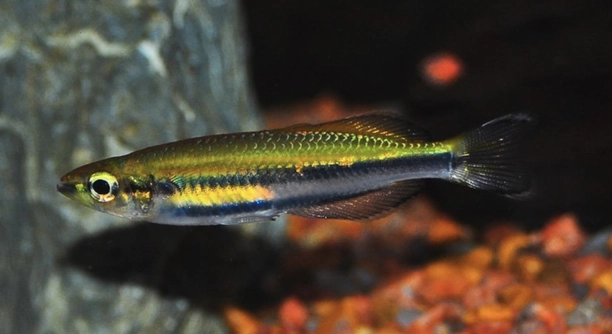
Rainbowfish are small, colorful freshwater fish that bring life to any aquarium. Observing their behavior can be both relaxing and fascinating, especially when you notice subtle reactions to their surroundings. They respond to changes in their environment naturally.
Rainbowfish react to natural cues such as light, water flow, temperature, presence of plants, movement in their tank, other fish, and feeding routines. These factors influence their behavior, activity levels, and overall well-being, making them more alert and interactive.
Understanding these cues helps create a healthier environment for rainbowfish and strengthens the bond between you and your aquatic pets. Their subtle reactions reveal much about their comfort and natural instincts.
Light and Color
Rainbowfish are very sensitive to light and color. Bright lighting can encourage them to display their natural colors more vividly, while dim or inconsistent lighting may make them shy or less active. They also respond to the colors in their environment. Plants, substrate, and decorations in the tank can influence how comfortable they feel. For example, darker backgrounds can make rainbowfish feel more secure, whereas highly reflective surfaces might make them nervous. Seasonal changes in light can also affect their daily activity patterns. Observing how your rainbowfish react to different lighting setups can help you adjust their habitat. Many people notice that rainbowfish swim closer to plants or shaded areas when the light is too harsh, showing their need for natural cover. Adjusting light gradually rather than abruptly is important to avoid stressing them. Light not only affects their behavior but also their feeding patterns and overall health.
Proper light settings make rainbowfish more active and enhance their colors naturally.
Keeping lighting consistent and balanced ensures rainbowfish remain healthy, active, and confident in their environment, making daily observation more rewarding.
Water Flow
Rainbowfish respond strongly to water movement in their tank. Gentle currents encourage natural swimming behavior, while very strong flow can make them stressed. Water flow helps mimic their natural rivers and streams, keeping them engaged and alert. Observing how they react to different currents can guide you in setting up the right filtration system. A balanced flow allows them to swim freely without struggling. Strong surges near filters or pumps may push them into hiding. Proper circulation also ensures oxygen is evenly distributed in the tank, which is essential for their well-being. It can also reduce stagnant areas where algae or debris accumulate. By adjusting the flow gradually, you give rainbowfish a stable environment. Over time, you’ll notice they prefer specific areas for resting and playing, indicating comfort with water conditions. These subtle responses show how sensitive rainbowfish are to their habitat.
Balanced water flow encourages natural activity and supports long-term health.
Maintaining a consistent and gentle current allows rainbowfish to thrive while preventing stress and potential injuries. Proper water circulation benefits not only the fish but also the overall cleanliness and stability of the aquarium. Observing their behavior around flowing areas helps you identify ideal spots for decorations, plants, and hiding spaces. Adjusting pumps, filters, or adding flow-altering devices can make a significant difference in their comfort. Rainbowfish often swim in schools along the current or rest where the flow feels safe. Understanding their preferences makes it easier to create a harmonious and stimulating environment that mirrors natural conditions. Over time, they become more active, confident, and interactive, revealing their vibrant colors and playful movements more clearly.
Temperature
Rainbowfish respond quickly to changes in water temperature. Warmer water increases their activity, while cooler water may make them sluggish. Maintaining a stable temperature helps reduce stress and keeps them healthy.
Temperature affects metabolism and behavior in rainbowfish. Sudden fluctuations can lead to hiding, reduced feeding, or increased aggression among tank mates. They thrive in temperatures between 24°C and 28°C, and slight adjustments should be made gradually. Consistency helps prevent illness and supports growth. Monitoring the water with a reliable thermometer ensures the environment remains stable. Small heaters or chillers may be necessary depending on the room’s temperature. Proper temperature management contributes to overall vitality and color intensity, keeping rainbowfish active and healthy.
Rainbowfish also respond to gradual seasonal changes. Slight variations in water warmth can encourage natural behaviors like schooling or exploring. Observing their reactions over time allows you to notice preferred temperature ranges. This awareness helps create an environment that supports feeding, activity, and reproduction. Stability, combined with small adjustments, promotes comfort and reduces stress, making your rainbowfish more lively and visually vibrant.
Plants and Hiding Spaces
Rainbowfish naturally seek shelter among plants and structures in their tank. Hiding spaces make them feel secure and reduce stress, supporting their overall well-being.
Providing live or artificial plants, rocks, and small caves enhances their environment. Rainbowfish use these areas to rest, escape strong currents, and avoid feeling threatened. Dense plant cover encourages natural behaviors like exploring, foraging, and schooling. Different heights and textures give them options, keeping them engaged. Overcrowding should be avoided, as it may reduce swimming space and increase competition for hiding spots. Properly arranged plants also improve water quality by supporting beneficial bacteria and oxygenation. Rainbowfish show preferences for certain areas, often returning to favorite spots, which indicates comfort.
A variety of hiding spaces improves confidence and activity. Rainbowfish become more playful and interactive when they feel safe. Observing their use of plants and decorations helps you understand their preferences. Combining open swimming areas with well-placed shelters allows them to move freely while retreating when necessary. Careful planning of hiding spaces prevents stress, supports natural behavior, and reduces aggression between fish. Over time, your tank becomes a stimulating environment that mimics natural habitats, helping rainbowfish thrive physically and emotionally.
Movement in the Tank
Rainbowfish notice movement around them immediately. Rapid hand motions or shadows outside the tank can make them skittish or retreat to hiding spots.
Even small vibrations from tapping on the glass or rearranging decorations can startle rainbowfish. They prefer calm, predictable activity in their surroundings, which allows them to explore freely without stress.
Other Fish
Rainbowfish respond to the presence and behavior of tank mates. Peaceful companions encourage schooling and interaction, while aggressive or overly active fish may cause stress or hiding. Choosing compatible species ensures harmony and reduces tension.
Feeding Routine
Rainbowfish quickly recognize feeding times and locations. Consistency in schedule and method strengthens their sense of security and anticipation for meals.
Water Quality
Rainbowfish react strongly to clean, well-maintained water. Regular testing and filtration prevent stress and support overall health.
How do rainbowfish react to sudden changes in lighting?
Rainbowfish are very sensitive to light changes. Sudden shifts from bright to dim lighting can startle them, causing rapid swimming, hiding, or clustering near shaded areas. Gradual adjustments in lighting are best to avoid stress. Consistent light cycles help regulate their natural behavior patterns, feeding, and activity. Over time, they learn to anticipate light changes, becoming calmer and more confident during transitions. Observing their response to different intensities helps create an environment that supports both their physical health and visual display of colors.
Why do rainbowfish prefer certain hiding spots over others?
Rainbowfish choose hiding spots based on safety, comfort, and water flow. Dense plants, small caves, and areas with moderate water movement are often favored. These spaces give them security while allowing easy access to swimming areas. Preference for specific spots indicates comfort and reduced stress. Overcrowded tanks or poorly arranged decorations may limit their options, causing stress or aggression. Watching their choices helps identify ideal locations for plants, rocks, and shelters. Providing variety in height, cover, and texture encourages natural behaviors like resting, exploring, and schooling while minimizing anxiety.
Can water temperature affect their feeding habits?
Yes, water temperature directly affects feeding behavior. Warmer water increases metabolism, making rainbowfish more active and eager to eat. Cooler water slows metabolism, often resulting in reduced appetite and less movement. Sudden changes can cause them to refuse food or hide. Keeping temperature stable within their ideal range ensures consistent feeding, growth, and overall health. Observing how they respond to temperature variations helps adjust heaters or chillers appropriately. Consistency is crucial because frequent fluctuations can increase vulnerability to illness and stress.
How do rainbowfish respond to different water currents?
Rainbowfish react to water flow depending on strength and direction. Gentle currents encourage natural swimming and schooling behavior, while strong surges may push them into hiding. Balanced water movement supports oxygen distribution and prevents stagnant zones. Gradually adjusting flow allows rainbowfish to adapt without stress. Observing their preferred areas helps optimize pump placement and decorations. Consistent currents combined with resting areas ensure activity and comfort, improving overall well-being and behavior.
Do rainbowfish show signs of stress when tank mates are aggressive?
Yes, aggressive tank mates can trigger hiding, rapid swimming, or changes in coloration. Rainbowfish prefer peaceful companions that allow schooling and interaction. Aggression disrupts routines, reduces feeding, and increases stress. Choosing compatible species and monitoring behavior helps maintain harmony. Observing responses allows timely adjustments in tank population or arrangement to prevent injury or anxiety. Providing sufficient space and hiding spots also reduces conflict.
How do they react to feeding schedules?
Rainbowfish quickly recognize feeding times and locations. Consistent schedules make them anticipate meals, reducing anxiety and promoting healthy feeding. Irregular feeding can cause stress or overeating when food is finally offered. Observing their reactions, such as swimming near the feeding area or showing excitement, shows how well they adapt. A predictable routine enhances both physical health and behavioral stability.
What are signs that water quality is affecting rainbowfish behavior?
Rainbowfish respond visibly to poor water quality. Cloudy water, high ammonia, or low oxygen can cause lethargy, reduced feeding, hiding, or unusual swimming patterns. Maintaining filtration, regular water changes, and testing parameters keeps them healthy. Observing subtle behavior changes is key to preventing illness. Early intervention ensures stress is minimized and their natural activity and coloration are preserved.
How do rainbowfish react to seasonal changes in their environment?
Rainbowfish notice subtle seasonal shifts in temperature and light. Gradual changes can influence activity, feeding, and even breeding behavior. They may adjust swimming patterns or seek different areas for comfort. Observing these responses helps fine-tune tank conditions. Maintaining stability while accommodating natural rhythms supports long-term health and reduces stress.
Can decorations influence their behavior?
Yes, decorations significantly affect rainbowfish comfort. Open areas encourage swimming, while plants and rocks provide shelter. Variety in structure helps them exhibit natural behaviors like schooling, exploring, and resting. Poorly arranged or overly dense decorations can cause stress and limit movement. Observing their favorite spots guides placement for a stimulating yet secure environment.
Do rainbowfish respond differently when humans approach the tank?
Rainbowfish are observant of movement outside the tank. Slow, gentle motions usually make them curious, while sudden or large movements may startle them. Over time, they can learn to anticipate feeding or interaction. Watching their reactions helps understand their comfort level with human presence and can guide handling or tank maintenance practices.
What role does schooling play in their response to cues?
Schooling provides security and coordination in response to environmental cues. Rainbowfish swim together when startled, during feeding, or when exploring. Observing schooling behavior helps understand stress levels and comfort. Proper tank size and compatible companions support healthy schooling, improving social interaction, reducing stress, and encouraging natural activity patterns.
This FAQ provides insight into rainbowfish reactions and how to optimize their environment for health, activity, and comfort.
Rainbowfish are small but fascinating creatures that respond to many cues in their environment. Understanding these reactions helps create a more comfortable and healthy habitat for them. Observing their behavior closely reveals how light, water flow, temperature, plants, decorations, tank mates, and feeding routines all play a role in their daily life. When these factors are balanced, rainbowfish display natural behaviors, vibrant colors, and active movement, which makes caring for them more enjoyable and rewarding. Paying attention to subtle signs, like where they swim, how they interact, and how they react to changes, provides valuable information about their comfort and well-being. Even small adjustments, such as moving a plant or slightly changing the water flow, can make a significant difference in how they feel and behave.
Maintaining stable conditions is one of the most important things for rainbowfish. Sudden changes in lighting, temperature, or water quality can cause stress and affect their health. Gradual changes and consistent routines help them feel secure and reduce anxiety. Providing hiding spots, open swimming areas, and gentle currents encourages natural behavior, allowing them to explore freely and interact with other fish comfortably. Their feeding routine also plays a big part in their overall behavior. Rainbowfish quickly recognize feeding times, and having a consistent schedule can make them more active and confident. Observing how they react to different cues helps you create an environment that closely matches their natural habitat, supporting both their physical and mental health.
Rainbowfish may seem delicate, but they are adaptable when their environment meets their needs. Paying attention to their responses allows you to create a tank that encourages natural movement, social interaction, and proper rest. Understanding these cues also helps prevent stress-related problems and ensures they remain healthy over time. By noticing how they respond to changes in light, water, plants, or tank mates, you can make small but meaningful adjustments that improve their overall quality of life. Consistency, observation, and attention to detail are key to providing the best care. Rainbowfish thrive when their surroundings are stable, safe, and engaging, and learning to read their behavior can make keeping them a more satisfying and enjoyable experience.

Hello,
If you enjoy the content that we create, please consider saying a "Thank You!" by leaving a tip.
Every little bit helps us continue crafting quality advice that supports the health, happiness, and well-being of pets around the world, for pets of all shapes, sizes, and species.
We really appreciate the kindness and support that you show us!