
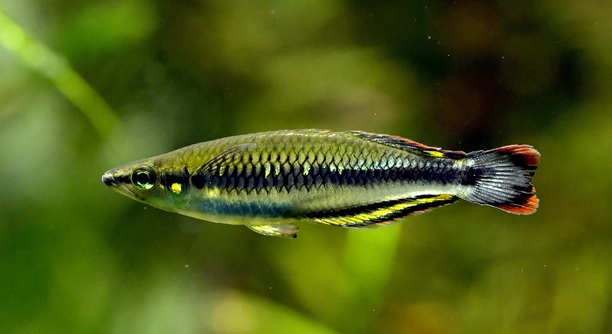
Rainbowfish are lively and colorful fish that brighten up any aquarium. They swim energetically, sometimes bumping into objects or each other. Observing them can be fun, but their frequent collisions can leave owners puzzled and concerned.
Rainbowfish often bump into things due to a combination of environmental stress, limited space, and occasional sensory impairments. Maintaining proper tank conditions, avoiding overcrowding, and monitoring health can reduce these collisions and improve their swimming behavior.
Understanding why these fish behave this way can help create a calmer, safer environment. Learning these small details will improve your rainbowfish’s comfort and overall health.
Common Causes of Rainbowfish Collisions
Many rainbowfish bump into objects because their tanks are not set up properly. They need open swimming areas and hiding spots, but too many decorations can make movement difficult. Poor lighting can also confuse them, affecting depth perception. Sometimes water flow is too strong or uneven, making them struggle to maintain control. Overcrowding is another major factor. Rainbowfish are social, but too many in one tank can increase accidental collisions. Stress from sudden changes, like temperature shifts or new tank mates, can make them swim erratically. Even minor illnesses, like fin damage or weakened eyesight, can make navigation harder. Observing their behavior can reveal patterns, like bumping near decorations or corners. Making small adjustments—repositioning plants, adding gentle filtration, and reducing tank population—can significantly reduce these collisions. Over time, these fish become more confident swimmers, navigating the tank smoothly without frequent bumps or stress reactions. Attention to detail matters for their comfort.
Proper tank setup and stable conditions can prevent most collisions. Open swimming spaces, gentle water flow, and careful monitoring of health improve rainbowfish safety.
Watching them adapt after these changes is rewarding. You notice smoother swimming, calmer interactions, and less stress, showing the importance of a well-maintained tank.
Vision and Sensory Issues
Rainbowfish rely heavily on sight to navigate their environment. Poor vision or eye injuries can make it hard to avoid obstacles.
Rainbowfish have delicate sensory systems that detect water currents and objects. If their eyesight is compromised, they may bump into decorations or other fish more often. Stress, age, or genetic traits can also affect their sensory accuracy. Minor infections or cloudy water can reduce visibility, making navigation harder. Lighting plays a role too; harsh or flickering lights can disorient them. Observing closely can help identify visual impairments. Changes in swimming patterns, like repeated collisions in the same area, often signal vision problems. In some cases, providing a calmer environment with consistent lighting and fewer obstructions improves their ability to navigate. Ensuring water quality, proper diet, and minimal sudden disturbances supports healthy sensory function. These small steps make a big difference in their daily swimming confidence. Over time, rainbowfish regain smooth, coordinated movement, reducing the risk of injury from bumps.
Tank Size and Layout
Small tanks make rainbowfish more prone to collisions. Limited swimming space and crowded decorations restrict their movement, increasing accidental bumps.
A proper tank layout is essential for rainbowfish health. They need open swimming areas and spots to retreat when stressed. Dense plants or decorations can block lines of sight and confuse them. Positioning objects strategically allows clear paths while maintaining hiding spaces. Gentle water flow and minimal obstructions help them swim confidently. Regularly rearranging decorations slightly can prevent territorial disputes and reduce bumping. Tank dimensions should match the number of fish, avoiding overcrowding. Observing their swimming patterns highlights problem areas. Adjustments improve overall movement and reduce stress. Providing adequate space ensures rainbowfish remain active, healthy, and coordinated, preventing collisions and promoting natural behavior.
Even subtle changes, like moving a plant or adjusting filtration, can dramatically improve their swimming. Fish respond well to thoughtful tank design.
Social Behavior and Stress
Rainbowfish interact socially, but aggressive or nervous behavior can cause bumping. Stress from new fish or sudden changes often triggers collisions.
When rainbowfish are stressed, their movements become unpredictable. Introducing new fish too quickly, sudden lighting changes, or noisy environments can provoke erratic swimming. Even compatible tank mates may create competition for space or food, increasing collisions. Observing body language, such as flared fins or darting movements, helps identify stress triggers. Reducing disturbances, maintaining consistent feeding schedules, and ensuring adequate hiding spots can calm them. Schools of rainbowfish benefit from proper social structure; overcrowding or unbalanced numbers can intensify stress. A calm environment encourages smoother swimming, reducing bumping incidents.
Over time, careful observation and adjustments build a stable tank atmosphere. Rainbowfish gradually adapt, interacting safely while minimizing collisions. Proper monitoring ensures a balanced social dynamic that supports healthy behavior and reduces unnecessary stress.
Feeding and Nutrition
Poor nutrition can affect rainbowfish coordination, causing more bumps. A balanced diet keeps them healthy and alert.
Inconsistent feeding schedules or low-quality food can weaken rainbowfish, impacting energy and reflexes. Providing varied diets with high-quality flakes, pellets, and occasional live or frozen food ensures they remain strong and active. Healthy fish swim confidently, avoiding collisions.
Water Quality
Dirty or unbalanced water stresses rainbowfish and affects their swimming. Maintaining clean water is essential for safety.
Regular water changes, proper filtration, and monitoring parameters like pH, ammonia, and nitrite levels prevent stress and health issues. Contaminated water can impair sensory perception, making navigation harder. Consistent water care promotes calm, coordinated swimming.
Health Checks
Illnesses or injuries can make rainbowfish bump into objects. Regular observation prevents problems.
FAQ
Why do rainbowfish keep bumping into the glass?
Rainbowfish often collide with the glass due to stress, overcrowding, or poor tank setup. Strong currents, reflections, or sudden movements outside the tank can startle them. Ensuring proper lighting, open swimming areas, and gentle water flow reduces these collisions. Observing their behavior helps identify problem areas.
Can poor eyesight cause rainbowfish to bump into things?
Yes, vision problems are a common reason. Eye injuries, age, or infections can impair sight. Cloudy water or sudden lighting changes also reduce visibility. Providing a stable environment with clear water and consistent lighting improves their navigation and reduces bumping incidents.
Does tank size matter for collisions?
Absolutely. Small or overcrowded tanks limit swimming space and increase accidental bumps. Rainbowfish need open areas for movement and hiding spots for security. Proper tank dimensions for the number of fish help prevent stress and allow smoother swimming.
Can water quality affect their swimming?
Yes. Poor water quality can stress rainbowfish, affecting coordination and reflexes. High ammonia, nitrite, or nitrate levels can cause erratic swimming. Regular water changes, effective filtration, and monitoring of water parameters are crucial to maintain healthy behavior.
Do tank decorations contribute to bumping?
Yes, dense plants, rocks, or decorations can block sight lines and paths. Strategic placement of objects ensures swimming space while offering hiding spots. Rearranging decorations occasionally can prevent territorial disputes and collisions, giving rainbowfish room to move freely.
Can stress from other fish cause collisions?
Stress from tank mates can make rainbowfish swim unpredictably. Aggression, competition for food, or sudden changes in social structure can increase bumping. Observing interactions, providing hiding spots, and maintaining compatible groups reduces stress and improves coordination.
Does diet affect swimming behavior?
Yes, poor nutrition weakens rainbowfish and reduces reflexes. A varied diet of high-quality flakes, pellets, and occasional live or frozen food keeps them energetic and coordinated. Healthy fish navigate tanks confidently, avoiding unnecessary collisions.
How do you know if an injury is causing bumping?
Frequent collisions in the same area or unusual swimming patterns may indicate injury or illness. Look for torn fins, cloudy eyes, or lethargy. Prompt care and treatment, along with a safe tank environment, prevent further accidents.
Will lighting changes affect collisions?
Yes. Sudden changes or flickering lights can confuse rainbowfish and increase bumping. Gradual lighting adjustments and consistent illumination help fish orient themselves properly and reduce accidental collisions.
Are all rainbowfish prone to bumping equally?
No, individual differences, age, and species traits affect behavior. Some are more energetic or nervous, making them more prone to collisions. Observing patterns for each fish helps tailor tank setup, social arrangements, and feeding to reduce bumps.
Can adjusting water flow reduce bumping?
Yes. Strong or uneven currents make it difficult for rainbowfish to control swimming. Gentle filtration and balanced water movement provide stability, helping them navigate the tank safely.
What preventive measures help most?
Open swimming areas, proper tank size, gentle water flow, regular water changes, balanced diet, stable lighting, and compatible social groups are key. Consistent observation allows early detection of stress, illness, or layout issues. These steps improve swimming confidence and reduce bumping significantly.
Is bumping a sign of serious health issues?
Not always, but repeated collisions combined with lethargy, fin damage, or erratic swimming may indicate illness or injury. Early intervention, proper care, and monitoring help maintain fish health and prevent complications.
Can rainbowfish adapt to tank changes?
Yes, they can gradually adjust to new layouts, decorations, and tank mates if changes are made slowly. Sudden alterations increase stress and bumping, while careful, incremental changes allow confident, coordinated swimming.
How often should I monitor my rainbowfish?
Daily observation is best. Watch for changes in swimming patterns, social interactions, and responses to the environment. Early detection of stress, vision issues, or illness prevents repeated collisions and keeps rainbowfish healthy and active.
Rainbowfish are lively and colorful creatures that bring energy to any tank. Watching them swim can be very satisfying, but their frequent collisions can be confusing and concerning. Many of these bumps are not signs of serious health problems but rather indicate environmental or behavioral factors that can be adjusted. Proper tank setup, including enough open space and gentle water flow, goes a long way in reducing collisions. Overcrowding or dense decorations make it harder for them to navigate, and even small adjustments can help them move more smoothly. Observing your rainbowfish daily provides insight into patterns, such as when or where they are more likely to bump into objects. This observation is key to identifying stress, poor lighting, or problematic decorations. By paying attention to their behavior, you can make practical changes that help them feel safe and confident in their tank.
Nutrition also plays an important role in preventing bumps. Rainbowfish need a balanced diet with high-quality flakes, pellets, and occasional live or frozen foods. Poor nutrition can weaken their reflexes and coordination, making collisions more likely. Feeding on a regular schedule supports their energy levels and helps them swim confidently. Alongside nutrition, maintaining clean water is essential. Ammonia, nitrite, or nitrate buildup can stress the fish, impair their senses, and cause erratic swimming. Regular water changes and proper filtration reduce stress and keep their environment stable. Additionally, lighting affects how they see and navigate the tank. Harsh or inconsistent lighting can confuse them, while consistent, moderate light allows better depth perception. Each of these factors—diet, water quality, and lighting—works together to create a safer environment where rainbowfish can swim naturally without unnecessary bumps.
Social dynamics also influence bumping behavior. Rainbowfish are schooling fish, meaning they feel more secure in groups, but overcrowding or incompatible tank mates can cause stress. Stressful situations often lead to erratic swimming and more frequent collisions. Providing hiding spots and maintaining a compatible group size helps reduce stress and improves coordination. If fish have injuries or impaired vision, they may bump into objects more often, so regular health checks are important. Observing for signs such as torn fins, cloudy eyes, or unusual swimming patterns allows early intervention. Minor adjustments like rearranging decorations or reducing water flow can have a significant impact on their comfort. Over time, healthy rainbowfish adapt well to their environment, showing smoother movements and calmer behavior. Paying attention to their needs and making thoughtful changes ensures they remain active, confident, and safe, ultimately enhancing their well-being in the tank.

Hello,
If you enjoy the content that we create, please consider saying a "Thank You!" by leaving a tip.
Every little bit helps us continue crafting quality advice that supports the health, happiness, and well-being of pets around the world, for pets of all shapes, sizes, and species.
We really appreciate the kindness and support that you show us!