
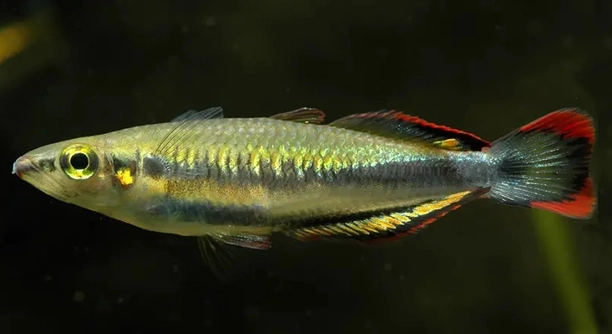
Have you ever noticed your rainbowfish darting around the tank, seemingly fixated on its own reflection? Many aquarium owners find this behavior both amusing and puzzling, leaving them wondering why their fish reacts this way.
Rainbowfish chase their reflections because they perceive the mirrored image as a rival intruder. This behavior is a natural territorial response and can also indicate curiosity or social interaction instincts inherent to their species.
Understanding this behavior can help you manage your tank environment more effectively and ensure your rainbowfish remains healthy and stress-free.
Why Rainbowfish Chase Their Reflection
Rainbowfish often chase their reflection because they see it as another fish invading their space. This behavior is common in many types of rainbowfish, especially in smaller tanks with reflective surfaces. The reflection can trigger territorial instincts, causing your fish to swim rapidly toward the glass or mirror. Sometimes the chasing seems playful, but it is usually a natural response to what the fish perceives as a threat. Even in tanks with other fish, rainbowfish may still be attracted to reflections. The effect is stronger when the tank is well-lit, as the light enhances the clarity of the mirrored image. Some owners notice repeated patterns, like their fish repeatedly darting to the same spot. This can indicate stress or simply an active temperament. While it may seem concerning, it rarely causes harm if the tank is properly maintained.
Rainbowfish chasing reflections is usually a harmless expression of their territorial behavior and curiosity.
Managing tank placement and lighting can reduce excessive chasing and help your fish feel more secure.
How to Reduce Reflection Chasing
One way to limit this behavior is by adjusting the tank’s lighting or covering reflective surfaces.
Reducing reflections in the tank can significantly lower stress and prevent obsessive chasing. Simple changes like repositioning the tank or adding background decorations help your rainbowfish feel safer. Covering one side of the tank with a neutral backdrop or using frosted glass can minimize visible reflections. Additionally, providing plenty of hiding spots and plants gives the fish more areas to explore, redirecting their attention from mirrored images. Regular observation helps identify patterns in behavior and determine if chasing is frequent or situational. Maintaining a stable environment with consistent feeding times and clean water also supports overall well-being. In some cases, adding more fish can disperse attention, reducing the focus on reflections. Understanding these adjustments allows you to create a balanced habitat where your rainbowfish can interact naturally without unnecessary stress or frustration. This approach ensures healthier and calmer behavior over time.
Tank Setup and Environment
Tank size can influence how often rainbowfish chase reflections. Smaller tanks tend to create more frequent mirror-like surfaces that trigger chasing. A larger tank gives the fish more space to explore and reduces constant encounters with its reflection.
Proper decorations and plants break up reflective surfaces, giving rainbowfish hiding spots and stimulating natural behaviors. Floating plants, rocks, and driftwood create depth and visual barriers that prevent the fish from fixating on its mirrored image. Adequate water movement and consistent temperature also help maintain a calm environment. When the tank is well-structured, rainbowfish tend to spend more time exploring and interacting with other tankmates instead of chasing reflections, promoting both mental and physical health.
Positioning the tank away from direct sunlight or bright artificial lights can further reduce reflections. Using a background on the tank walls not only hides reflections but adds a natural aesthetic that encourages normal fish activity. These small adjustments can significantly improve the fish’s overall comfort and behavior in the tank.
Social Behavior and Interaction
Rainbowfish are naturally social and often interact with other fish in the tank. Proper schooling and compatible species reduce obsessive reflection chasing.
Providing a group of rainbowfish allows them to focus on social behaviors rather than mirrored images. They feel more secure and display natural swimming patterns when surrounded by others of their kind. Social interaction also decreases boredom, which can trigger repetitive behaviors like chasing reflections. Choosing tankmates carefully ensures that aggression is minimized, and all fish can coexist peacefully. Regular observation helps monitor dynamics, preventing stress-related behavior and promoting a balanced aquarium community.
In addition to schooling, enriching the tank with varied stimuli encourages curiosity and exploration. Live plants, textured surfaces, and occasional rearrangements create new areas for investigation. Feeding routines and interactive activities, such as gentle water movement or floating treats, also promote engagement and reduce fixation on reflections. Over time, rainbowfish learn to interact with their environment and tankmates naturally, resulting in healthier and calmer behavior.
Stress and Reflection Chasing
Chasing reflections can be a sign of mild stress in rainbowfish. Constant exposure to mirrored surfaces may make them anxious, leading to frantic swimming or hiding.
Providing a stable environment with regular feeding and clean water helps reduce stress. Decorations and plants also create a sense of security, keeping your fish calmer.
Adjusting Lighting and Reflections
Bright lighting or sunlight hitting the tank can intensify reflections, prompting more chasing. Adjusting light placement or using softer lighting reduces this behavior naturally.
Dimmer, indirect lighting helps rainbowfish focus on their surroundings rather than mirrored images. Covering one side of the tank or using a background also limits visual triggers. Consistent lighting schedules reinforce calm behavior.
Tank Companions
Adding compatible tankmates can distract rainbowfish from their reflection and encourage social behavior.
A few peaceful species, such as tetras or guppies, provide interaction opportunities. Social engagement reduces obsessive chasing while keeping the tank lively and stimulating.
FAQ
Why does my rainbowfish chase its reflection constantly?
Rainbowfish see their reflection as another fish entering their territory. Constant chasing can happen in smaller tanks or tanks with reflective surfaces. They are reacting out of instinct rather than aggression, and this behavior is natural for their species. Ensuring enough space, hiding spots, and social companions can reduce this behavior.
Can chasing reflections harm my rainbowfish?
In most cases, chasing reflections does not cause physical harm. However, excessive chasing can stress your fish, potentially affecting their appetite, immune system, and overall health. Stress signs include rapid breathing, clamped fins, or hiding. Minimizing reflections and maintaining a stable environment helps prevent long-term stress.
How can I stop my rainbowfish from chasing its reflection?
The most effective way is to reduce reflective surfaces in the tank. Adding a background, repositioning the tank, or dimming lights helps. Providing plenty of plants, rocks, and decorations also keeps your fish occupied. Social interaction with other rainbowfish or compatible species further distracts them from reflections.
Does tank size affect reflection chasing?
Yes, smaller tanks amplify reflections and can increase chasing behavior. Larger tanks give the fish more space to swim and explore, making them less focused on mirrored images. Proper decoration placement and hiding spots are also more effective in bigger tanks.
Are some rainbowfish more prone to chasing reflections than others?
Behavior varies by species and individual temperament. Some rainbowfish are naturally more territorial or active, making them more likely to respond to reflections. Observing your fish regularly helps identify patterns, so you can adjust their environment to reduce obsessive behavior.
Will adding more fish reduce reflection chasing?
Adding compatible tankmates can help by providing social interaction. Rainbowfish often shift attention to other fish rather than mirrors. Ensure tankmates are peaceful and similar in size to prevent aggression. Overcrowding, however, can create stress and worsen chasing.
Does lighting play a role in reflection chasing?
Yes, bright or direct lighting can intensify reflections, prompting more chasing. Using softer or indirect lighting, or adjusting the light’s angle, minimizes mirrored images. Maintaining consistent lighting schedules supports calm behavior and reduces stress for your rainbowfish.
Can reflection chasing indicate boredom?
Yes, boredom can contribute to this behavior. Rainbowfish need stimulation through environmental enrichment like plants, hiding spots, and interactive tank elements. Regular feeding routines, rearranging decorations occasionally, and providing social companions keep them mentally and physically engaged.
Should I be concerned if my rainbowfish attacks its reflection aggressively?
Mild aggression is normal, but continuous or extreme aggression may indicate stress or an improper environment. Ensure the tank is large enough, decorated with hiding spots, and has suitable companions. Monitoring water quality and tank conditions is essential to maintain healthy behavior.
Is reflection chasing a sign of poor health?
Not usually. Reflection chasing is typically behavioral, not medical. However, if combined with signs like lethargy, loss of appetite, or color fading, it could indicate stress or illness. Regular observation and proper tank care prevent health issues and maintain well-being.
How long does reflection chasing typically last?
Chasing behavior may occur intermittently throughout the fish’s life. Environmental adjustments like reducing reflections, adding companions, and enriching the tank can shorten these episodes. Individual temperament also influences the duration and frequency of chasing.
Are mirrors safe for rainbowfish?
Using mirrors occasionally can provide stimulation, but prolonged exposure may cause stress. If you use a mirror, limit the time and observe the fish’s response. Continuous mirror use is not recommended, as it may lead to obsessive behavior and unnecessary stress.
Can I train my rainbowfish to ignore its reflection?
While “training” is limited, you can reduce chasing by modifying the environment. Introducing hiding spots, social companions, and consistent feeding routines helps redirect attention. Positive environmental changes encourage natural behaviors instead of repeated reflection chasing.
Do reflections affect breeding behavior?
Reflections may confuse rainbowfish during breeding, as they could mistake themselves for rivals. Providing a proper breeding setup with plants and secluded spaces ensures healthier mating behavior without interference from mirrored surfaces.
Is reflection chasing common in other fish?
Yes, many territorial or active fish, such as bettas or gouramis, exhibit similar behavior. It is generally a sign of natural instincts and territory awareness rather than a problem unique to rainbowfish. Proper tank management reduces stress across species.
What’s the best long-term solution for reflection chasing?
The most effective approach combines tank size, decoration, social companions, and controlled lighting. Consistent care, environmental enrichment, and monitoring behavior ensure your rainbowfish remains active, healthy, and less focused on reflections over time.
Final Thoughts
Rainbowfish chasing their reflection is a common and natural behavior. It often happens because they see the mirrored image as another fish intruding into their territory. While this may look aggressive or unusual, it is usually harmless and part of their instinctive behavior. Understanding that this is a normal response helps owners feel less worried about their fish. Observing how your rainbowfish interacts with its reflection can also provide insight into its temperament, activity level, and overall health. Each fish is different, so some may chase reflections more frequently than others, depending on personality, environment, and tank conditions.
The environment you create in the tank plays a big role in how often your rainbowfish chases reflections. Smaller tanks with reflective surfaces tend to encourage this behavior more than larger, well-decorated tanks. Plants, rocks, and other decorations break up reflective surfaces and give your fish places to hide or explore, redirecting their attention from mirrors or shiny surfaces. Lighting also matters, as bright lights or direct sunlight on the tank can intensify reflections. Adjusting the light, adding backgrounds, or covering one side of the tank can reduce the frequency of chasing. Social interaction with other compatible fish is another helpful factor, as rainbowfish are naturally social and benefit from the presence of companions rather than focusing on their reflection.
Taking these steps can make a noticeable difference in the behavior and well-being of your rainbowfish. Providing a stable environment with consistent water conditions, proper feeding, and mental stimulation ensures your fish stays healthy and less stressed. Monitoring your rainbowfish regularly allows you to notice any changes in behavior, which can be an early sign of stress or health issues. Reflection chasing is usually harmless, but excessive or aggressive behavior may indicate environmental or social factors that need attention. By maintaining a thoughtfully arranged tank, offering suitable companions, and observing your fish, you can create a balanced environment where your rainbowfish feels secure, active, and content. Over time, these adjustments can reduce reflection chasing and encourage natural behaviors, making both the fish and the tank more enjoyable to watch.

Hello,
If you enjoy the content that we create, please consider saying a "Thank You!" by leaving a tip.
Every little bit helps us continue crafting quality advice that supports the health, happiness, and well-being of pets around the world, for pets of all shapes, sizes, and species.
We really appreciate the kindness and support that you show us!