
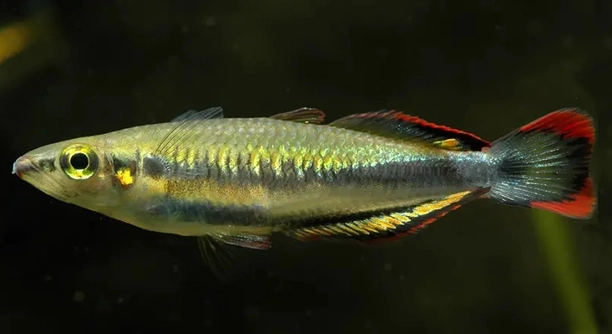
Rainbowfish are colorful and lively creatures, often admired for their shimmering scales and playful behavior. While they usually swim together, there are times when these fish seem to avoid one another for no obvious reason.
Rainbowfish sometimes avoid each other due to territorial behavior, stress from overcrowding, or differences in social hierarchy. Environmental factors, such as water quality and hiding spaces, also influence their interactions, prompting them to seek solitude when necessary.
Observing these patterns can help you create a balanced environment for your rainbowfish. Their interactions are shaped by both natural instincts and their surroundings.
Stress and Environmental Factors
Rainbowfish are sensitive to changes in their environment. I’ve noticed that sudden shifts in water temperature or poor water quality can make them more withdrawn. Even minor issues like overcrowding or insufficient hiding spots can trigger stress, causing fish to avoid each other. Stress often shows through changes in behavior, such as less swimming or hiding behind decorations. Over time, stressed fish may lose color or show reduced activity, which can affect their overall health. Regular water testing, proper filtration, and a consistent schedule for feeding and cleaning can help reduce stress. Providing plants, rocks, or caves gives them places to retreat when feeling uneasy. Observing these patterns allows for timely adjustments before stress becomes a serious problem. Creating a stable, well-structured tank environment helps your rainbowfish interact more naturally and reduces avoidance behaviors.
Addressing environmental stress improves interactions and keeps rainbowfish healthier.
Simple changes like adding plants and monitoring water conditions can prevent fish from becoming anxious and withdrawn.
Feeding Patterns and Competition
Feeding time can influence how rainbowfish interact. I’ve seen dominant fish claim most food, causing others to keep their distance. Submissive fish often wait at the edges, avoiding confrontation. This can make it seem like some rainbowfish are avoiding others. Using multiple feeding spots or spreading food across the tank encourages fair access. Smaller or shy fish benefit when food is evenly distributed, reducing stress and competition. Over time, this approach improves overall harmony and allows fish to swim together more comfortably. Monitoring eating habits also helps identify fish that may be stressed or ill. Adjusting feeding strategies ensures every fish receives proper nutrition while minimizing conflicts. Observing your rainbowfish during feeding times gives insight into social dynamics and helps maintain a balanced tank environment.
Even small adjustments in feeding routines can improve social interactions.
Providing consistent meals and multiple feeding areas helps all rainbowfish access food fairly, reducing tension. Maintaining this routine fosters healthier relationships, prevents dominant fish from monopolizing resources, and encourages timid individuals to be more active. Over time, this reduces avoidance behaviors and contributes to a more peaceful tank. Regular observation ensures that all fish are eating adequately, allowing you to notice any health concerns early. Structured feeding routines not only support physical health but also help rainbowfish establish trust and comfort within their environment. Consistent practices create a calm atmosphere, improving both activity levels and interactions. Taking the time to manage feeding thoughtfully strengthens the overall balance and happiness of the fish community.
Health and Illness
Sick or injured rainbowfish often isolate themselves from others. I’ve seen fish retreat to quiet corners when they feel weak or unwell. Avoidance is a natural response that helps them recover and reduces the risk of spreading disease.
Illness can affect behavior significantly. When a rainbowfish is not feeling well, it may stop eating, swim less, or hide behind plants and decorations. Parasites, bacterial infections, and poor water conditions are common causes. Monitoring your fish’s activity and appearance helps catch problems early. Prompt treatment and maintaining clean water prevent illness from spreading and allow affected fish to return to normal social behavior faster.
Preventive care is key. Regular observation, proper diet, and water maintenance minimize health-related avoidance. Providing clean water, proper nutrition, and timely treatment creates a safe environment where fish can interact without stress.
Tank Size and Space
Overcrowding can cause rainbowfish to avoid one another. I’ve noticed that adding more swimming room immediately reduces tension. Fish need space to move freely and establish territories without constant conflicts.
A larger tank allows rainbowfish to maintain personal space and reduces aggressive encounters. Insufficient space can increase stress and trigger hiding behaviors. When planning a tank, consider both the number of fish and their adult size. Decorations and plants create natural boundaries, giving fish places to retreat. A well-planned layout ensures even shy and dominant individuals can coexist comfortably.
Providing adequate space is essential for maintaining social balance. Spreading out decorations, adding plants, and avoiding overstocking supports calmer interactions. Fish can explore, claim territories, and swim freely without feeling crowded. Sufficient room reduces avoidance, improves activity levels, and supports overall health. Observing how fish use space helps identify potential stress areas, allowing adjustments to improve harmony. A spacious tank fosters a stable social structure, encouraging more natural and relaxed behavior.
Lighting and Activity Levels
Rainbowfish can become uneasy under very bright or inconsistent lighting. I’ve observed that sudden changes make them hide or avoid each other. Maintaining a consistent light schedule helps them feel secure and encourages normal social behavior.
Dim or natural lighting often allows fish to swim more confidently. Providing shaded areas with plants or decorations gives them comfort, reducing avoidance and stress.
Seasonal and Breeding Behavior
During breeding periods, rainbowfish may act more territorial or reserved. I’ve noticed males claim spaces and display brighter colors, while females may stay hidden. These behaviors are natural and usually temporary. Observing patterns over time helps understand when breeding influences interactions.
Water Flow and Currents
Strong water currents can make rainbowfish avoid certain areas. I’ve seen fish stick to calmer zones, preferring minimal movement. Adjusting filter output and tank layout ensures all areas are usable and reduces avoidance caused by strong currents.
Introducing New Fish
New additions often trigger temporary avoidance. I’ve noticed resident fish initially keep distance, assessing newcomers. Gradual introductions and monitored observation allow them to adjust and coexist without ongoing stress.
Why do some rainbowfish hide from others?
Rainbowfish hide for several reasons, and I’ve noticed it usually relates to stress, health, or social dynamics. When a fish feels threatened or uncomfortable, it seeks a quiet spot to regain a sense of safety. Overcrowding, sudden movements in the tank, or aggressive neighbors can make them retreat. Hiding is a natural coping mechanism that reduces conflict and helps them recover energy. Additionally, sick or weak fish often isolate themselves to avoid further stress and conserve strength. Providing plants, rocks, and decorations creates hiding spaces, which support their well-being and encourage calmer interactions among tank mates.
How can I tell if avoidance is due to illness or normal behavior?
Normal avoidance usually follows predictable patterns, like shy fish keeping distance or dominant fish claiming space. Illness, however, often comes with noticeable changes in behavior, such as reduced swimming, faded color, loss of appetite, or erratic movements. I’ve learned that careful observation is key. If a normally active fish suddenly hides more than usual, it may indicate a health issue. Testing water quality and monitoring interactions over a few days can help determine whether avoidance is temporary social behavior or a symptom of illness. Early intervention helps prevent further problems.
Can tank size affect how rainbowfish interact?
Absolutely. I’ve seen small tanks lead to frequent avoidance because fish feel crowded and stressed. Larger tanks allow each fish to establish territories, swim freely, and retreat when needed. Proper decorations and plants also create natural boundaries, helping shy or submissive fish avoid conflict with more dominant individuals. Overcrowding can increase aggression and stress, while a well-planned, spacious tank promotes balanced social behavior. Spreading out hiding spots and open swimming areas ensures that all fish can coexist comfortably.
Does water quality influence avoidance behavior?
Yes, poor water conditions can make rainbowfish more withdrawn. I’ve noticed that high ammonia, nitrite, or sudden temperature changes often trigger hiding and reduced interaction. Fish instinctively avoid areas that feel unsafe or stressful. Maintaining clean water, consistent temperature, and proper filtration supports healthier behavior. Frequent water testing and partial water changes keep the environment stable. Even subtle changes in pH or hardness can affect comfort levels. By keeping the tank stable, fish feel secure, and avoidance due to environmental stress is minimized.
How does social hierarchy affect interactions?
Rainbowfish naturally form hierarchies, and I’ve observed dominant individuals controlling central areas while less dominant ones stay near edges. These social structures influence feeding, swimming, and resting behaviors. Submissive fish avoid confrontation by keeping distance, which can look like they dislike the others. Introducing new fish can temporarily disrupt this balance. Understanding hierarchy helps in managing interactions and reducing stress. Ensuring multiple feeding spots and spaces for retreat allows all fish to feel secure, reducing unnecessary avoidance.
Do breeding behaviors cause rainbowfish to avoid each other?
Yes, breeding periods can make interactions more selective. I’ve noticed males become territorial and display vibrant colors, while females may hide to avoid constant attention. These behaviors are natural and often temporary. Providing separate spaces or dense planting allows fish to interact without continuous stress, letting shy individuals feel safer during sensitive periods. Recognizing these patterns helps distinguish breeding-related avoidance from ongoing issues.
How should I introduce new rainbowfish to minimize avoidance?
Gradual introductions work best. I usually keep newcomers in a separate tank or behind a divider for a few days, allowing residents to observe without direct contact. Slowly releasing new fish lets everyone adjust, reducing stress and temporary hiding. Monitoring interactions during the first week helps identify aggressive behaviors early, and rearranging decorations can prevent territorial disputes. This approach ensures smoother integration and minimizes long-term avoidance.
Can lighting or water flow affect rainbowfish behavior?
Yes, both play important roles. I’ve seen strong currents drive fish to calmer areas, while harsh or inconsistent lighting makes them hide more. Providing shaded zones, moderate flow, and consistent light schedules allows rainbowfish to swim comfortably and interact naturally. Adjusting these factors improves overall tank harmony.
What steps can I take to reduce avoidance in my tank?
Ensuring proper tank size, clean water, consistent lighting, gentle water flow, and sufficient hiding spots significantly reduces avoidance. Observing social dynamics, respecting hierarchy, and carefully introducing new fish also helps. By creating a stable and enriched environment, rainbowfish feel secure, leading to calmer interactions, healthier behavior, and a more enjoyable aquarium for both the fish and observer.
Rainbowfish are naturally social yet cautious creatures, and their tendency to avoid each other can often seem puzzling. In my experience, this behavior is usually a combination of environmental factors, social dynamics, and individual personalities. Each fish has its own comfort level, and what might appear as avoidance is often a normal response to stress, overcrowding, or changes in the tank. Observing your rainbowfish over time helps you understand their unique patterns and preferences. For example, some fish prefer open swimming areas while others seek hiding spaces among plants or decorations. Recognizing these preferences allows you to arrange the tank in a way that supports all fish, reducing unnecessary stress and promoting more natural interactions. Avoidance is not always a sign of a problem, but rather an instinctive behavior that helps rainbowfish feel safe and secure. Providing a balanced environment where every fish can find its own space is key to minimizing conflict and maintaining a healthy aquarium.
Maintaining proper tank conditions plays a significant role in how rainbowfish interact with each other. I’ve noticed that clean water, stable temperatures, and consistent lighting significantly reduce avoidance behaviors. Water quality is particularly important because poor conditions can cause stress, illness, and heightened territorial behavior. Ensuring there are enough hiding spots and decorations also allows fish to retreat when they feel uneasy, preventing constant chasing or aggressive encounters. Social hierarchy is another factor to consider. Rainbowfish naturally form pecking orders, with dominant individuals often controlling central areas and feeding spots. Submissive fish will typically avoid these dominant areas to stay safe. By observing these dynamics, you can adjust the tank layout or provide additional space to minimize tension. Small changes, like distributing food in multiple locations or adding extra plants, make a noticeable difference in how the fish interact. Over time, these adjustments help establish a calmer, more balanced environment where avoidance is minimized and fish can display more natural behaviors.
Behavior changes in rainbowfish can also signal health or breeding conditions. Sick or injured fish often isolate themselves to recover, which is a protective behavior. Breeding periods can temporarily increase territoriality, with males becoming more vibrant and dominant while females may hide more. Both scenarios are normal and usually temporary, but they require attention to ensure all fish remain healthy. Monitoring feeding, swimming activity, and general appearance provides insight into whether avoidance is due to stress, illness, or natural behavior. Patience and careful observation are essential. Adjusting environmental factors, maintaining proper care routines, and understanding social behavior allows rainbowfish to feel secure and reduces unnecessary hiding. A thoughtfully arranged tank, combined with consistent care, fosters a healthy, balanced community. Over time, you’ll notice your rainbowfish interacting more naturally and confidently, making the aquarium a stable and enjoyable space for them to thrive.

Hello,
If you enjoy the content that we create, please consider saying a "Thank You!" by leaving a tip.
Every little bit helps us continue crafting quality advice that supports the health, happiness, and well-being of pets around the world, for pets of all shapes, sizes, and species.
We really appreciate the kindness and support that you show us!