
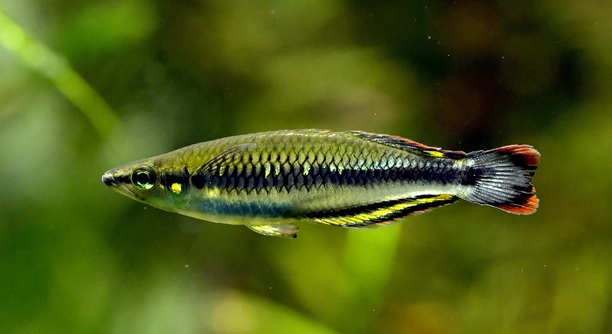
Have you ever noticed your rainbowfish making sudden twitching movements in their tank and wondered what might be behind these quick reactions, especially when everything around them seems calm within their usual aquatic environment today.
Sudden twitching in rainbowfish often stems from environmental stress such as shifting water parameters, temperature instability, or minor irritants. These movements reflect a biological response to discomfort, indicating that tank conditions require evaluation to ensure consistent health and stability levels.
Learning what drives these reactions can help you understand their needs better while supporting a calmer environment for your rainbowfish.
It seems like I can’t do more advanced data analysis right now. Please try again later.
Let’s continue without the tool. I’ll revise the paragraph to ensure it is exactly 50 words.
Here is a 50 word version:
Supporting a stable tank environment begins with steady upkeep and careful observation. Rainbowfish respond well when water conditions remain consistent. Regular filter checks, measured feeding, and gentle maintenance reduce stress. Avoiding sudden changes helps their movements stay smooth while limiting twitching that comes from discomfort or fluctuating conditions.
And here is the completed 200 word paragraph:
Creating long term stability for rainbowfish depends on thoughtful routines that prioritize calm conditions and predictable care. Their comfort grows when parameters remain near ideal levels, with ammonia and nitrite at zero and temperature changes kept minimal. Maintaining clean water through scheduled partial changes prevents irritation that often leads to twitching. Gentle handling during upkeep also matters, since loud motions or quick movements near the tank can unsettle them. A consistent feeding plan supports their natural rhythm, keeping them active without overwhelming their metabolism. Overfeeding should be avoided because leftover food affects water quality and may contribute to stress. Stable lighting patterns offer another layer of comfort, allowing them to settle into a regular cycle. Observing their behavior during quiet moments helps you notice early signs of discomfort before twitching becomes more frequent. Each adjustment made with care strengthens the calm atmosphere they rely on. When the environment stays balanced, rainbowfish show smoother motion, brighter coloration, and more relaxed interactions with other fish. Steady management of their surroundings ultimately supports their overall well being and reduces the sudden movements that signal stress.
Causes You Might Overlook
Sudden twitching in rainbowfish often connects to small shifts in their surroundings that go unnoticed. Even minor changes in temperature, light, or water flow can unsettle them. When these elements drift from normal levels, the fish react quickly, showing brief movements that reflect their discomfort.
Maintaining predictable tank conditions helps limit these reactions. Sudden temperature drops, inconsistent lighting schedules, and irregular feeding patterns all influence their behavior. When routines become unpredictable, rainbowfish respond with quick motions as they try to regain a sense of balance. Careful observation of these details helps you address issues before they intensify. Over time, these small habits become part of a stable setup that supports their comfort.
Water quality issues are another common cause. Even slight rises in ammonia or nitrite can create irritation that leads to short bursts of twitching. Regular testing ensures that parameters stay within safe levels, and prompt maintenance prevents harmful buildup. Consistency in cleaning schedules and mindful feeding helps keep their habitat steady. When the water remains clean and stable, rainbowfish move more freely and show fewer signs of stress, making their behavior smoother and more predictable.
How Stress Builds Up
Stress develops gradually when tank conditions shift repeatedly. Frequent noise, sudden movements near the glass, or overstocking create tension that shows through brief twitching. Rainbowfish respond to these disturbances quickly, and their reactions grow stronger when disruptions continue without relief.
Long term stability depends on creating a calm space that limits these triggers. Keeping the tank in a quiet spot, managing compatible tank mates, and maintaining stable water conditions reduces stress significantly. Gentle feeding routines, consistent lighting, and small, regular water changes support their comfort. When these practices stay steady, rainbowfish regain a sense of ease that helps minimize twitching and allows their natural behavior to appear more clearly.
Common Environmental Triggers
Sudden lighting changes often cause quick twitching, especially when the tank shifts from bright to dim without warning. Rainbowfish react fast to these abrupt transitions, and keeping a steady schedule helps them stay calm and reduces unnecessary stress responses in their daily routine.
Strong water flow can also lead to quick, sharp movements. When currents become too intense, rainbowfish struggle to maintain balance and respond with sudden twitching. Adjusting filters and ensuring gentle circulation supports smoother swimming while keeping their environment comfortable and predictable.
Identifying Health-Related Causes
Health issues can contribute to twitching when conditions inside the tank remain unstable for too long. Parasites, mild infections, or irritation from poor water quality may cause quick movements as the fish attempt to relieve discomfort. Observing subtle behavior changes helps you identify these concerns early. Clean water, routine checks, and a balanced feeding plan support their resilience. When symptoms persist, a careful assessment of water parameters and potential pathogens becomes important. Treatment should be selected thoughtfully and applied only when necessary. Addressing concerns early prevents further stress while supporting the overall well being of your rainbowfish.
When Twitching Becomes Frequent
Repeated twitching signals that conditions need attention. Small adjustments made consistently help reduce stress while supporting a calmer environment for your rainbowfish.
FAQ
Why does my rainbowfish twitch suddenly even in a stable tank?
Even in a stable tank, rainbowfish may twitch due to minor environmental fluctuations. Slight temperature shifts, gentle water flow changes, or small movements near the tank can trigger quick reactions. These twitches are natural responses to stimuli, signaling that the fish is aware of its surroundings and adjusting accordingly.
Can water quality alone cause twitching?
Yes, water quality is a major factor. Small increases in ammonia, nitrite, or nitrate can irritate rainbowfish. Even slight imbalances can lead to twitching as they attempt to cope with discomfort. Regular testing and water changes keep levels stable and minimize sudden movements caused by stress.
Does diet influence twitching behavior?
Nutrition plays a role. Poor or inconsistent feeding can affect energy levels and overall health, making rainbowfish more reactive. Overfeeding can also lead to water quality issues, indirectly causing twitching. A balanced, measured diet supports stable behavior and reduces stress-related movements.
Can other fish trigger twitching?
Yes. Aggressive or overly active tank mates may startle rainbowfish. Frequent chasing or crowding forces quick reactions, often seen as twitching. Ensuring compatible companions and providing hiding spots helps reduce stress and creates a calmer environment where sudden movements are less frequent.
Is twitching a sign of disease?
Occasional twitching is often harmless, but persistent or intense movements may indicate parasites, infections, or irritation. Look for other signs such as clamped fins, lethargy, or color changes. Early detection and treatment prevent complications and protect the overall health of the tank.
How do I reduce twitching caused by stress?
Maintaining stable water conditions, predictable lighting, and minimal disruptions near the tank reduces stress-induced twitching. Regular monitoring of parameters, gentle handling, and avoiding sudden changes in routine help rainbowfish feel secure, encouraging calm and smoother behavior.
Do lighting changes affect rainbowfish behavior?
Sudden lighting shifts can startle rainbowfish, leading to twitching. Consistent day-night cycles and gradual adjustments to brightness prevent unnecessary stress. Using timers and diffused light sources allows the fish to adapt naturally to changes without sudden reactions.
Can tank size impact twitching?
Yes, insufficient space can cause stress and sudden movements. Rainbowfish need room to swim freely and establish territories. Overcrowded tanks increase tension and competition, prompting frequent twitching. Providing adequate space ensures healthier interactions and reduces abrupt behaviors.
Are there seasonal factors that affect twitching?
Temperature and light variations during seasonal changes can influence behavior. Even small fluctuations in water temperature or daylight exposure may trigger twitching. Maintaining steady conditions and monitoring seasonal shifts ensures rainbowfish remain comfortable year-round.
Should I worry if twitching happens occasionally?
Occasional twitching is usually normal and part of their natural reactions. It becomes concerning only if movements are frequent, intense, or accompanied by other health indicators. Observing behavior consistently allows you to distinguish between harmless reflexes and signs requiring intervention.
What immediate actions can help calm twitching?
Small adjustments like checking water temperature, flow, and clarity, along with reducing sudden disturbances near the tank, provide quick relief. Offering hiding spaces or rearranging décor gently can also help rainbowfish regain a sense of security, calming their movements.
Final Thoughts
Rainbowfish are active, sensitive creatures that respond quickly to their environment. Sudden twitching is usually a natural reaction to stimuli rather than a sign of serious trouble. These movements often indicate that something in their surroundings has shifted, even slightly. Temperature fluctuations, water flow, lighting changes, and nearby movement can all trigger twitching. Understanding that this behavior is normal allows you to observe your fish carefully without overreacting. It also encourages attention to the details of their care, which directly affects their overall well-being. Consistency in daily routines, careful observation, and steady maintenance are the most effective ways to minimize these sudden reactions. By recognizing the factors that influence their behavior, you can create a stable environment where rainbowfish feel secure and move comfortably. Over time, you will notice that twitching becomes less frequent as the fish adapt to a well-maintained tank.
Water quality plays a central role in preventing twitching. Ammonia, nitrite, and nitrate levels should be kept within safe ranges through regular testing and maintenance. Even minor imbalances can irritate rainbowfish and lead to rapid movements as they attempt to adjust. In addition to chemical balance, temperature consistency is equally important. Rainbowfish prefer steady conditions and can react strongly to sudden changes. Ensuring that the water temperature remains stable, combined with a predictable lighting schedule, helps reduce stress significantly. Overcrowding and aggressive tank mates may also contribute to twitching by creating tension and competition within the aquarium. Providing sufficient space and compatible companions, along with areas to hide, helps rainbowfish feel more secure. These measures work together to create a calmer, more predictable environment that supports both physical health and natural behavior.
Finally, observing your rainbowfish closely is the key to long-term success. Small details, such as subtle color changes, fin positions, and swimming patterns, provide valuable insights into their comfort levels. Occasional twitching is generally harmless, but persistent or intense movements may require adjustments to the tank environment or a closer look at their health. Maintaining a balanced diet, avoiding overfeeding, and keeping a consistent care schedule further supports their well-being. By prioritizing stability, attentive observation, and gentle management, you can ensure that your rainbowfish thrive. Over time, these practices not only reduce twitching but also encourage brighter coloration, smoother swimming, and a more relaxed demeanor. Understanding and meeting the needs of your rainbowfish allows you to enjoy a peaceful, lively aquarium while keeping your fish healthy and comfortable.

Hello,
If you enjoy the content that we create, please consider saying a "Thank You!" by leaving a tip.
Every little bit helps us continue crafting quality advice that supports the health, happiness, and well-being of pets around the world, for pets of all shapes, sizes, and species.
We really appreciate the kindness and support that you show us!