
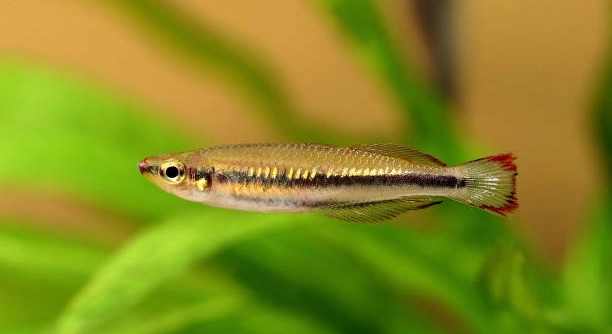
Do you ever wonder if your fish are quietly thriving in their tank, moving with calm confidence each day. Subtle behaviors can offer signs that they feel safe, comfortable, and genuinely content in their environment.
Quiet habits in fish reflect stable health, shown through steady swimming, relaxed fins, normal appetite, and calm exploration. These behaviors indicate balanced conditions, low stress, and strong adaptability, demonstrating that the fish are maintaining positive welfare in their aquatic environment.
These gentle signs guide you understanding your fish’s calm behavior and support better care practices that keep their environment balanced.
Steady, Unhurried Swimming
Steady, unhurried swimming is often one of the clearest signs that fish are feeling comfortable in their home. When they glide through the water without sudden darting or frantic movement it usually means their environment supports their natural rhythm. I have seen how a peaceful pattern helps them maintain balanced energy throughout the day. Their movements stay smooth and their bodies look relaxed as they navigate plants, rocks, and open spaces. This calm behavior reflects stable water conditions, consistent feeding routines and a sense of safety that allows them to stay composed. When fish swim with this gentle flow it often indicates that they trust their surroundings. It also shows that their tank provides enough space for them to move freely without stress. Watching this steady motion can reassure you that your care is supporting their quiet happiness as they settle into a healthy routine each day in their tank.
Their smooth movement shows a calm state that reflects your steady care and attentiveness. When fish maintain this rhythm it often means their needs are met with consistency. This gentle behavior demonstrates comfort, stability and a peaceful connection with their environment that helps them feel secure as they move naturally.
Watching fish swim with steady confidence can help you understand how well they adjust to their surroundings. Their gentle pace shows that they feel supported by the care you provide. When their movements stay balanced it suggests that their tank offers comfort and predictability. This calm behavior also reflects good feeding habits and proper water quality. You can often sense when they feel secure by the way they glide across the tank without tension. Their steady motion brings a soothing presence that highlights the harmony created inside their space, making your efforts feel meaningful each day in a gentle way.
Calm Exploration Patterns
Calm exploration shows that fish feel secure while moving through their surroundings. They take their time navigating plants and decorations, maintaining soft movements. This behavior reflects stable conditions and consistent care that supports their comfort. Their steady curiosity signals a relaxed state shaped by a peaceful environment that feels supportive.
Calm exploration is a reliable sign that fish feel comfortable within their space. When they move slowly through plants, rocks and open areas their behavior shows that they do not feel threatened or overwhelmed. I have observed how this gentle pacing helps them build familiarity with their environment. They learn where to swim, rest or hide without appearing tense. This steady movement often points to good water quality, stable temperatures and a consistently maintained tank. Their willingness to explore at an easy pace suggests that they feel supported by your care. Small movements like pausing near decorations or gliding between leaves reveal their comfort. These moments show that they trust the space you created for them. Calm exploration also demonstrates that they feel balanced and healthy, responding naturally to their surroundings without stress. When fish explore with a relaxed attitude it highlights the harmony inside the tank and the strong connection between their behavior and your care. Watching these small actions helps you understand how well they adapt to their home. Their quiet movements offer reassurance that they are thriving under steady conditions that support peaceful behavior and long term well being in their calm daily patterns as they settle.
Balanced Feeding Behavior
Balanced feeding behavior shows that fish feel secure enough to eat at a steady pace. When they approach food calmly it often reflects stable conditions. Their measured movements signal comfort, allowing them to focus on eating without signs of stress or hesitation during feeding time.
When fish eat with steady confidence it indicates they feel supported by the routine you maintain. I notice how they move toward the food with gentle interest instead of frantic energy. Their calm approach helps them digest properly and avoid unnecessary strain. This behavior also shows that their environment remains predictable. They rely on consistent feeding times and stable water quality. Watching them take small, relaxed bites can reassure you that they are comfortable in their surroundings. Their composed behavior highlights the balance inside the tank and reflects how well they respond to the care you provide each day.
A relaxed feeding pattern often reveals how well fish adapt to their daily environment. When they approach meals slowly it reflects trust in the space you created for them. Their peaceful posture during feeding signals comfort and stability. I see how this steady response helps them maintain healthy habits. Their calm interest in food also indicates they do not feel threatened. They eat at a pace that suits them, allowing their natural instincts to guide their actions. This simple behavior offers insight into their overall well being and their quiet, steady happiness.
Resting in Comfortable Spots
Resting in comfortable spots shows that fish feel safe enough to pause without stress. When they settle quietly near plants, rocks or shaded areas their stillness reflects trust and stability shaped by consistent care and predictable conditions within their tank.
When fish choose a peaceful area to rest it signals that they feel secure in their surroundings. I notice how they hover gently near plants or settle behind decorations when they feel calm. Their stillness shows that they are not overwhelmed by movement or noise. This quiet behavior often indicates good water quality, balanced lighting and steady temperatures. They rest in areas that offer shade and shelter, revealing how well they understand their environment. Their relaxed posture during these moments reflects their comfort with the routine you maintain. These resting habits highlight a sense of safety that supports their overall well being, allowing them to stay grounded and composed throughout the day.
Gentle Interaction With Tank Mates
Gentle interaction with tank mates shows that fish feel calm enough to share space without tension. When they swim near others with soft, steady movements it reflects balance. Their peaceful behavior signals comfort shaped by stable conditions and predictable care inside their environment.
Soft interaction also shows that fish trust the space around them. When they glide beside others without pushing or chasing it reflects a relaxed mindset. Their steady movements highlight comfort and allow them to coexist smoothly in a shared environment supported by your consistent care.
Smooth Gill Movement
Smooth gill movement reflects a comfortable state where fish breathe steadily without signs of strain. I notice how their gills open and close with gentle rhythm when they feel relaxed. This calm breathing pattern often points to balanced water quality, steady temperatures and good oxygen levels. Their body language stays soft, showing no rapid flicking or heavy effort. When fish maintain this steady pattern it suggests they feel supported by the environment you created. Their gentle breathing reveals how well they adjust to consistent conditions, highlighting their overall comfort and stability within the tank.
Peaceful Hiding Habits
Peaceful hiding habits show that fish feel safe enough to rest in sheltered areas. Their calm pauses behind plants or decorations reflect comfort and trust formed by predictable care.
Why do my fish show quiet habits when they feel comfortable?
Quiet habits often appear when fish settle into predictable routines shaped by consistent care. I notice how they move slowly, rest calmly and explore with steady interest when their environment meets their needs. These gentle behaviors reflect trust built through stable water quality, balanced temperatures and a peaceful atmosphere inside the tank. Fish rely heavily on subtle cues in their surroundings, and when those cues stay steady they respond with calm behavior. Their quiet actions also show that they do not feel threatened or overwhelmed. When fish demonstrate these soft habits it usually means they feel safe, supported and able to maintain their natural rhythm each day.
How can I tell if quiet swimming means happiness rather than illness?
Calm, steady swimming usually looks smooth and controlled, without signs of struggle. When fish move with gentle confidence and maintain their usual patterns it often reflects comfort. Illness tends to cause different signs like sluggish drifting, clamped fins, loss of appetite or unusual shaking. I watch for consistency in posture, appetite and gill movement. When those remain stable their quiet swimming likely signals contentment. Healthy calm behavior feels purposeful instead of weak. Their colors often stay bright, and they respond to feeding without hesitation. Observing the whole picture makes it easier to tell when quiet movement reflects happiness rather than discomfort.
Why do fish explore slowly when they feel secure?
Slow exploration often shows that fish have grown familiar with their space. When they no longer feel the need to dart through the tank they begin moving at a softer pace. This gentle behavior reflects comfort and confidence. I see how they glide through plants, peek inside small spaces and return to preferred areas without tension. Slow exploration also suggests that water conditions are comfortable enough for them to behave naturally. When fish move at a calm pace they show that they trust their environment and do not feel pressured to hide or react defensively.
What does balanced feeding behavior tell me about their mood?
Balanced feeding behavior often points to stable emotional well being. Fish that feel comfortable approach food with ease, showing interest without panic. I pay attention to how they swim toward the food and how gently they take each bite. Calm feeding usually means they trust the routine you maintain. It also shows that they do not feel stressed by sudden changes. When fish eat with steady confidence it reflects comfort, predictability and a sense of safety in their space.
How do resting habits reveal happiness in fish?
Resting in peaceful spots shows that fish feel secure enough to pause without fear. When they settle behind plants or hover near decorations their stillness reveals trust. I watch how they choose shaded areas or soft lighting when they feel relaxed. Consistent resting patterns often indicate that the tank supports their natural rhythm. Their posture stays loose, and their breathing remains steady. These behaviors highlight a calm state shaped by predictable care and stable conditions.
Should I worry when my fish enjoy hiding?
Quiet hiding is normal when it appears calm and steady. Fish often use sheltered spots as safe places to rest. I only worry when hiding becomes frantic, prolonged or paired with other signs like loss of appetite. Peaceful hiding usually means they feel secure and comfortable.
Final Thoughts
Caring for fish becomes easier when you understand the quiet habits that show they feel safe, balanced and comfortable in their space. These soft behaviors help you see how well they adjust to the environment you create for them each day. I have noticed how steady swimming, calm exploration and smooth breathing reveal a deep sense of security shaped by predictable care. These small actions may seem simple, but they show how much your effort influences their well being. When fish display these gentle signs they are often expressing comfort in the most natural way they can. Their calm patterns reflect a space that feels steady, familiar and free of stress. Paying attention to these signals makes your connection with them feel more personal, allowing you to understand their needs without relying on dramatic changes or sudden shifts in behavior.
As you observe their daily routines, it becomes clear that many of these quiet habits develop when their surroundings stay stable. Consistent feeding, regular maintenance and balanced water conditions all play a role in shaping their behavior. When fish feel supported by these steady conditions they respond with peaceful actions that show they trust their environment. I have seen how this trust appears in the way they move gently beside tank mates, rest in shaded areas and explore without rushing. These habits reveal how much their happiness depends on small details inside their space. Calm behavior does not always stand out, but it often holds the strongest meaning. It shows that they do not feel threatened, overwhelmed or confused and that they understand their home as a safe place. When fish behave this way you can feel confident that your care is supporting them in a positive and steady way.
Recognizing these signs helps you build a routine that strengthens their comfort over time. Each calm movement reflects how well you maintain their environment and how thoughtfully you observe their needs. Quiet habits offer reassurance that your actions are creating a stable setting where they can thrive. I find comfort in knowing that these soft signals speak louder than dramatic behavior ever could. They reveal a sense of calm shaped by gentle feeding routines, balanced lighting and proper water quality. When fish feel relaxed enough to move, rest and explore at their own pace it shows that their world feels predictable and supportive. Understanding this can help you continue building a tank environment that nurtures their well being. These peaceful habits serve as reminders that even the smallest details contribute to their happiness and long term comfort.

Hello,
If you enjoy the content that we create, please consider saying a "Thank You!" by leaving a tip.
Every little bit helps us continue crafting quality advice that supports the health, happiness, and well-being of pets around the world, for pets of all shapes, sizes, and species.
We really appreciate the kindness and support that you show us!