
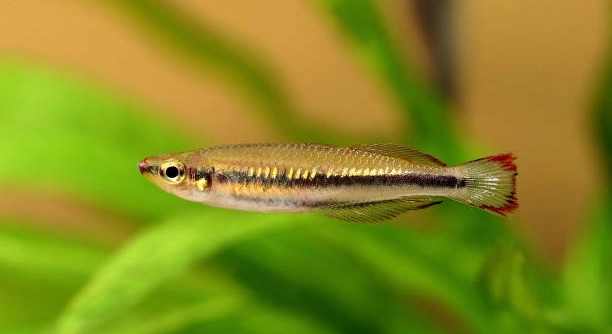
Rainbowfish are vibrant, active swimmers that brighten any aquarium. Observing their behavior can reveal subtle changes that indicate discomfort or stress. Recognizing these early signs helps ensure their health and creates a stable environment for them to thrive.
Subtle signs of rainbowfish distress include changes in coloration, reduced activity, hiding behaviors, clamped fins, erratic swimming, loss of appetite, and rapid gill movement. Identifying these symptoms promptly allows timely intervention to prevent further health deterioration.
Awareness of these behaviors helps maintain a healthy, balanced habitat and supports the overall well-being of your rainbowfish.
Changes in Coloration
Rainbowfish often display bright, vivid colors when healthy. A sudden dulling or fading of these colors can indicate stress or illness. Environmental changes, water quality issues, or disease can cause these shifts. Observing their coloration daily helps detect early problems and prevent long-term effects on their health. Stress may also cause uneven coloring or dark patches along the body. Lighting and tank decorations can sometimes affect perceived color, so consider all factors when assessing. Keeping a stable environment and consistent diet supports their natural vibrancy. Color changes are often one of the first visible signs that something may be wrong. Quick action to address these issues can restore their health and prevent more serious complications. Monitoring coloration alongside other behaviors provides a clearer picture of overall well-being.
Color changes in rainbowfish are a warning sign that should not be ignored, signaling that their environment or health needs attention.
Maintaining proper water parameters, including temperature, pH, and cleanliness, is essential for vibrant colors. Frequent water testing, proper filtration, and regular partial water changes reduce stress and prevent illnesses. Nutrition also plays a role, as a varied, high-quality diet enhances natural coloration and strengthens the immune system. Observing both the intensity and uniformity of their colors provides insight into their health. Sudden shifts in color should prompt a review of tank conditions, including chemical imbalances or inappropriate companions. Early detection and corrective measures often restore the rainbowfish’s normal appearance.
Reduced Activity and Hiding
Reduced swimming or hiding more than usual can indicate discomfort or stress.
Rainbowfish that stay near the bottom, behind decorations, or avoid open spaces may be feeling unwell. Limited movement can result from poor water conditions, sudden changes, illness, or aggressive tank mates. Observing activity patterns throughout the day helps identify deviations from normal behavior. Encouraging gentle interaction and minimizing disturbances can reduce stress. A well-structured tank with safe hiding spots allows them to feel secure. Consistent feeding schedules also promote regular activity. Rapid changes in behavior are particularly important to note, as they may precede visible signs of illness. Corrective measures should focus on restoring water quality, ensuring compatible tank mates, and addressing potential nutritional deficiencies. A calm and stable environment is key to supporting normal activity levels.
Careful observation of movement and hiding behaviors provides a practical method for detecting early signs of stress.
Monitoring energy levels and activity patterns helps identify underlying problems. A healthy rainbowfish swims actively, explores the tank, and interacts with other fish. When activity drops, water parameters should be tested, including ammonia, nitrite, nitrate, and temperature levels. Adjusting these factors often restores normal behavior. Illness may require isolating affected fish for treatment, while aggressive tank mates may need separation. Environmental enrichment, such as plants and rocks, can encourage movement and provide security. Maintaining a predictable feeding schedule supports consistent energy levels and reduces stress-related hiding. Observing these details ensures a safer, healthier habitat and allows timely interventions before conditions worsen.
Clamped Fins
Clamped fins are a clear sign of stress in rainbowfish. When the fins remain close to the body instead of spreading naturally, it indicates discomfort, poor water quality, or illness. Observing fin position daily can help detect problems early.
Fins that are consistently clamped may result from high ammonia or nitrite levels, inappropriate water temperature, or aggressive tank mates. These conditions create stress, making the fish more susceptible to disease. Ensuring proper water parameters, regular maintenance, and a calm environment helps rainbowfish recover. Infections or parasites can also cause clamped fins, so careful observation and timely intervention are crucial. Addressing the underlying cause quickly supports fin recovery and overall health.
In addition to environmental factors, nutrition impacts fin health. A varied diet rich in vitamins and protein strengthens fins and improves resilience. Avoid sudden changes in diet or water conditions, as these can exacerbate stress. Observing other behaviors alongside clamped fins, such as reduced swimming or hiding, provides a clearer picture of overall well-being. Consistency in care is essential for maintaining long-term fin health and ensuring the rainbowfish remain active and vibrant.
Erratic Swimming
Erratic swimming is often linked to stress or illness in rainbowfish. Sudden darting, spiraling, or collisions with tank walls indicate discomfort or disorientation.
This behavior can stem from water quality problems, such as incorrect pH, temperature fluctuations, or high toxin levels. Illnesses like parasites or infections also cause uncontrolled movements. Aggression from tank mates can trigger frantic swimming as well. Observing patterns over time helps distinguish occasional bursts from chronic stress. Regular water testing and maintaining a stable environment are critical. Quarantining sick fish can prevent the spread of disease and reduce overall tank stress.
Providing a stable habitat with proper filtration and adequate space supports calmer behavior. Overcrowding or insufficient hiding spots increases stress and promotes erratic swimming. Monitoring diet and feeding routines also helps maintain energy balance and prevents agitation. Identifying triggers, whether environmental or social, allows corrective measures. Ensuring water parameters remain consistent, removing aggressive companions, and treating illness promptly often restore normal swimming patterns. Attention to these details promotes a healthier, more relaxed aquarium environment for all fish.
Loss of Appetite
Loss of appetite is a common sign of stress or illness in rainbowfish. Fish may ignore food or eat less than usual, which can quickly affect their energy and overall health. Observing feeding habits daily helps identify this issue early.
Appetite loss often accompanies other stress indicators, such as clamped fins or hiding. Causes include poor water quality, sudden changes in temperature, or disease. Offering a variety of high-quality foods can sometimes stimulate eating, but persistent refusal requires attention to environmental conditions or potential illness.
Rapid Gill Movement
Rapid gill movement signals that the fish is struggling to breathe properly. It often results from low oxygen levels, high toxins, or gill infections. Monitoring gill activity alongside water parameters is essential to address the problem promptly.
Hiding More Than Usual
Excessive hiding indicates discomfort or fear. Rainbowfish retreat to secluded areas when stressed by water changes, aggressive tank mates, or illness. Ensuring safe spaces while addressing underlying causes helps restore normal behavior.
FAQ
What causes rainbowfish to change color suddenly?
Sudden color changes in rainbowfish are usually linked to stress, poor water quality, or illness. Factors such as fluctuations in temperature, pH, ammonia, or nitrite levels can make their colors fade or darken. Aggression from tank mates or overcrowding can also trigger these changes. Maintaining stable water conditions, monitoring parameters regularly, and providing a calm environment often helps restore natural coloration. Nutritional deficiencies can contribute as well, so offering a varied, high-quality diet supports vibrant colors and overall health. Early detection is key to preventing long-term damage.
Why are my rainbowfish clamping their fins?
Clamped fins are a sign of discomfort or stress. Environmental factors like high toxins, inappropriate water temperature, or sudden changes in conditions can cause this behavior. Illnesses, parasites, or bacterial infections may also result in clamped fins. Ensuring proper water quality, regular maintenance, and a consistent diet helps rainbowfish recover. Observing their behavior alongside other symptoms, such as reduced activity or hiding, provides a clearer understanding of their condition. Quick action often prevents complications and supports fin health.
How can I tell if my rainbowfish is hiding due to stress?
Rainbowfish that hide excessively often feel unsafe or stressed. Factors such as aggressive tank mates, poor water conditions, or illness can make them retreat. Providing secure hiding spots like plants or decorations helps them feel protected. Monitoring behavior patterns helps identify persistent hiding that signals underlying issues. Correcting environmental or social stressors can restore confidence and normal activity.
What does rapid gill movement indicate in rainbowfish?
Rapid gill movement usually signals breathing difficulty, often caused by low oxygen levels, poor water quality, or gill infections. Checking water parameters, improving aeration, and removing potential toxins can alleviate stress. Illnesses affecting the gills may require treatment or isolation. Observing this behavior alongside activity levels and appetite gives a better picture of overall health.
Why has my rainbowfish stopped eating?
Loss of appetite is a common response to stress or illness. Water quality issues, sudden changes in the tank, disease, or aggression can cause fish to eat less. Offering a variety of high-quality foods sometimes stimulates feeding, but persistent refusal requires attention to underlying causes. Addressing water parameters, diet, and social dynamics often restores normal eating habits.
Can erratic swimming harm rainbowfish?
Yes, erratic swimming indicates stress, discomfort, or illness and can lead to injuries if fish collide with decorations or tank walls. Causes include poor water quality, temperature fluctuations, parasites, or aggressive tank mates. Observing swimming patterns, maintaining a stable environment, and addressing triggers prevents further harm. Regular tank maintenance, proper nutrition, and a safe habitat support calmer, healthier behavior.
How can I prevent stress in rainbowfish?
Stress prevention requires stable water conditions, proper tank size, compatible tank mates, and a balanced diet. Regular monitoring of temperature, pH, ammonia, and nitrite levels is essential. Providing hiding spots and avoiding sudden changes reduces anxiety. Early detection of behavioral changes and prompt corrective measures keeps rainbowfish healthy and vibrant.
Is hiding always a bad sign?
Not always. Occasional hiding is natural, as rainbowfish use shelter to feel safe. However, frequent or prolonged hiding often signals stress, illness, or environmental issues. Observing accompanying behaviors, such as clamped fins or loss of appetite, helps determine if action is necessary. Correcting underlying problems restores normal activity.
How long does it take for rainbowfish to recover from stress?
Recovery time varies depending on the cause and severity. Minor stress from water changes or temporary disturbances may resolve within days. Chronic stress from poor water quality or disease may require weeks of care. Consistent monitoring, proper nutrition, and a stable environment accelerate recovery and prevent relapse.
What should I do if multiple rainbowfish show signs of distress?
If several fish exhibit stress simultaneously, check water parameters immediately and perform partial water changes if needed. Review tank size, filtration, and compatibility of tank mates. Consider isolating sick fish for treatment and maintain a consistent feeding schedule. Prompt action prevents the spread of disease and improves overall tank health.
Can diet affect rainbowfish stress levels?
Yes, nutrition significantly influences stress resilience. A varied diet rich in protein, vitamins, and minerals strengthens the immune system and supports vibrant colors. Sudden diet changes or poor-quality food can trigger stress, reduce appetite, and weaken resistance to disease. Maintaining consistent, high-quality feeding improves overall well-being.
When should I consult a veterinarian for my rainbowfish?
Consult a veterinarian if stress signs persist despite correcting water conditions, diet, and tank environment. Symptoms like rapid gill movement, severe color fading, erratic swimming, or prolonged loss of appetite indicate illness that may require professional treatment. Early intervention increases recovery chances and prevents fatalities.
How do I differentiate between stress and illness in rainbowfish?
Stress often causes behavioral changes such as hiding, clamped fins, or reduced activity, while illness may include physical symptoms like discoloration, lesions, or rapid gill movement. Observing multiple signs together helps distinguish between temporary stress and underlying disease. Correcting environmental factors and monitoring recovery is essential.
What environmental factors most commonly stress rainbowfish?
Common stressors include poor water quality, overcrowding, incompatible tank mates, sudden temperature fluctuations, and lack of hiding spaces. Regular maintenance, proper tank setup, and monitoring social dynamics minimize these risks. Stable, predictable conditions help rainbowfish feel secure and maintain natural behaviors.
How important is water testing for preventing stress?
Water testing is crucial. Parameters such as pH, ammonia, nitrite, nitrate, and temperature directly affect rainbowfish health. Regular testing helps detect issues early, allowing timely adjustments before stress or illness develops. Consistent water monitoring ensures a safe and stable environment for long-term well-being.
Rainbowfish are sensitive creatures that respond quickly to changes in their environment. Observing their behavior daily helps identify small signs of distress before they become serious problems. Changes in color, clamped fins, erratic swimming, loss of appetite, rapid gill movement, and hiding are all indicators that something in their habitat or health may need attention. Even subtle shifts in behavior can provide important information about water quality, tank conditions, or overall well-being. Addressing these issues promptly ensures the fish remain active, healthy, and vibrant. Monitoring their behavior and appearance is a simple but effective way to maintain a stable aquarium environment.
Maintaining proper water parameters is crucial for rainbowfish health. Temperature, pH, ammonia, nitrite, and nitrate levels should be tested regularly to prevent stress and illness. Consistent filtration, partial water changes, and appropriate tank size also play key roles in creating a safe habitat. Providing a balanced diet with high-quality, varied food strengthens the immune system and supports natural coloration. A stable, predictable environment reduces anxiety and encourages normal behaviors. Observing interactions with tank mates and ensuring compatibility prevents aggression, which can lead to hiding, clamped fins, or other stress-related behaviors. Simple care routines and attention to detail can significantly improve their quality of life.
Behavioral observation, environmental management, and proper nutrition work together to maintain rainbowfish health. Subtle signs of distress should never be ignored, as early intervention is often the difference between recovery and more serious complications. Providing safe hiding spots, monitoring activity, and addressing changes in behavior helps the fish feel secure. Consistency in water quality, feeding schedules, and tank management promotes long-term well-being. By paying attention to these factors, it is possible to create a balanced, comfortable environment where rainbowfish can thrive. Regular care, observation, and adjustments ensure their health, happiness, and vibrant appearance over time.

Hello,
If you enjoy the content that we create, please consider saying a "Thank You!" by leaving a tip.
Every little bit helps us continue crafting quality advice that supports the health, happiness, and well-being of pets around the world, for pets of all shapes, sizes, and species.
We really appreciate the kindness and support that you show us!