
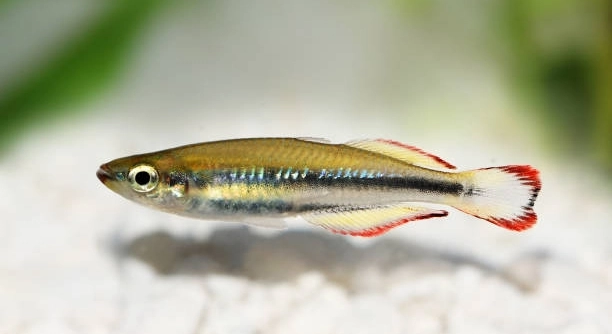
Are your fish swimming erratically or spending more time near the surface than usual? Changes in their behavior can signal subtle issues in the tank environment that often go unnoticed by owners, affecting their overall well-being.
Restless fish behavior is commonly linked to water quality, temperature fluctuations, inadequate space, or improper feeding schedules. Addressing these factors by testing water parameters, adjusting tank conditions, and ensuring appropriate nutrition can restore stability and promote healthy, calm swimming patterns.
Understanding these adjustments will help create a more comfortable environment for your fish and ensure their long-term health in your aquarium.
Check Water Quality Regularly
Water quality is the foundation of a healthy aquarium. Fish are very sensitive to changes in pH, ammonia, nitrite, and nitrate levels. Even small fluctuations can stress them and cause restless swimming. Test the water at least once a week using reliable kits. Regular water changes, usually 10-20% weekly, help remove toxins and keep the environment stable. Ensure the filter is functioning correctly, and clean it according to the manufacturer’s instructions. Overfeeding can also worsen water quality, so only feed what the fish can consume within a few minutes. Observing your fish closely will help you notice changes in behavior early, allowing you to take action before issues escalate. Keeping the tank clean and stable reduces stress and supports healthy growth. Monitoring water temperature is equally important, as sudden shifts can affect metabolism and activity levels. Consistency is key to keeping your fish calm and healthy.
Testing water weekly helps maintain stable conditions and prevents sudden stress in your fish.
Maintaining proper water conditions requires attention to several key factors. Temperature should remain consistent and within species-specific ranges. Avoid overcrowding the tank, as too many fish can increase waste and reduce oxygen levels. Use dechlorinated water during changes and ensure the water is conditioned properly. Observe fish behavior after adjustments to confirm they are responding positively. Overfeeding should be avoided, as leftover food decomposes and harms water quality. Cleaning the substrate and decorations prevents buildup of debris. Using a filter that matches your tank size ensures proper circulation. Regular checks of equipment like heaters and air pumps prevent sudden failures. Taking these steps creates a calm, stable environment where fish can swim naturally. Over time, fish will show signs of improved health, such as brighter colors and smoother movements. Consistency and attention to detail are essential for a thriving aquarium.
Adjust Tank Size and Layout
Fish need space to swim freely and feel secure.
Providing an appropriately sized tank reduces stress and promotes natural behavior.
Consider the number of fish relative to the tank size. Overcrowding can increase aggression and restlessness. Include hiding spots using rocks, plants, or decorations to allow fish to retreat when they feel threatened. Open swimming areas are also essential so fish can move without obstruction. Different species have varying space requirements, so research their needs carefully. Rearrange decorations occasionally to provide environmental enrichment, but avoid sudden drastic changes that may confuse the fish. Proper tank layout encourages natural exploration and helps maintain calm behavior. Choosing compatible species prevents territorial disputes. Observing how fish interact with the environment will guide adjustments. The goal is a balance between open space and shelter, ensuring that each fish has its own comfortable area. This approach reduces anxiety and promotes steady, relaxed swimming patterns over time.
Review Feeding Habits
Overfeeding can cause water problems and stress fish. Stick to small portions and remove uneaten food promptly.
Feeding fish the right amount is crucial for their health. Excess food decomposes quickly, raising ammonia levels and creating poor water conditions. Offer food that your fish can consume within two to three minutes, once or twice daily depending on the species. Rotate types of food, including flakes, pellets, and occasional frozen or live options, to provide balanced nutrition. Pay attention to their appetite and adjust quantities accordingly. Avoid scattering food randomly, as this can encourage aggressive behavior and competition among fish.
Proper feeding ensures calmer behavior and healthier fish. Consistent routines help fish anticipate mealtime without stress. Observation is key to understanding their needs. Avoid sudden diet changes, as this can shock their system. Providing varied, balanced food supports growth, enhances coloration, and maintains overall vitality. Remove leftovers to prevent decay, which affects water quality. Feeding on schedule and in correct portions strengthens the natural rhythm of your aquarium, promoting stable, relaxed swimming patterns.
Monitor Temperature Closely
Temperature fluctuations can stress fish and increase restlessness. Maintain stable, species-appropriate conditions.
Keeping aquarium temperature stable is essential for fish well-being. Sudden changes, even a few degrees, can alter metabolism and provoke erratic swimming. Use a reliable heater and thermometer to monitor conditions constantly. Position the heater where water circulation ensures even heat distribution. Avoid placing tanks near windows or air vents, as drafts and sunlight can cause rapid temperature swings. Consider using a thermostat or controller for precise regulation. Observe fish behavior after adjustments; signs of distress may indicate unsuitable conditions. Different species have distinct temperature requirements, so ensure compatibility if keeping multiple types of fish. Stable temperatures encourage consistent activity levels and reduce stress-related behavior.
Proper temperature management supports overall health and encourages natural swimming. Fish become less prone to disease and maintain normal feeding and social patterns. Stable heat prevents sudden lethargy or frantic movements, keeping your aquarium calm and predictable. Consistency in warmth allows fish to thrive, making maintenance easier and their environment more comfortable. Monitoring regularly ensures long-term stability.
Reduce Stress from Lighting
Too much or too little light can make fish restless. Maintain a consistent day-night cycle.
Use lighting that matches natural conditions for your fish. Avoid leaving lights on for extended periods, and provide shaded areas with decorations or plants to give fish places to retreat when needed.
Check for Aggression
Aggressive tank mates can disrupt peace and stress fish. Monitor interactions closely.
Observe fish behavior for chasing, nipping, or territorial disputes. Separate aggressive individuals or adjust the arrangement of hiding spots to reduce conflict. Choose compatible species to prevent ongoing tension and ensure a calmer environment for all fish.
Maintain Proper Oxygen Levels
Adequate oxygen is essential for calm swimming. Ensure water circulation and aeration are sufficient.
Use filters, air stones, or water movement devices to maintain oxygen levels. Avoid overcrowding, as too many fish consume oxygen quickly, leading to restless behavior. Proper oxygenation supports healthy activity and reduces stress.
FAQ
Why are my fish swimming frantically at the surface?
This behavior usually signals low oxygen levels or poor water quality. Ensure your filter is running correctly and that the tank has sufficient aeration. Check ammonia, nitrite, and nitrate levels regularly. Adding an air stone or increasing surface agitation can help oxygenate the water and calm your fish.
What causes fish to hide constantly?
Fish often hide due to stress, illness, or aggression from tank mates. Ensure there are enough hiding spots with plants, rocks, or decorations. Review the water parameters and temperature to confirm they are within species-specific ranges. Adjust the tank layout if territorial conflicts are occurring.
Can overfeeding make fish restless?
Yes, excess food decomposes quickly, producing toxins and affecting water quality. Feed only what fish can consume in two to three minutes and remove leftovers. Rotate food types to ensure balanced nutrition and prevent sudden dietary changes that could stress your fish.
Why do fish chase each other?
Chasing can indicate territorial disputes, dominance behavior, or mating instincts. Check for overcrowding and separate aggressive individuals if needed. Rearranging decorations or adding more hiding spots can reduce territorial conflicts and provide areas for fish to retreat and feel secure.
How does water temperature affect fish behavior?
Temperature fluctuations can alter metabolism, cause stress, and trigger restless swimming. Use a reliable heater and thermometer to maintain stable, species-appropriate temperatures. Avoid placing the tank near windows or vents that can cause rapid changes. Monitoring temperature ensures a calm and healthy environment.
Why are my fish rubbing against surfaces?
Rubbing or scraping against tank surfaces may indicate parasites, skin irritation, or poor water quality. Inspect fish closely for signs of disease and maintain proper water conditions. Quarantine affected fish if necessary and treat according to species-specific care guidelines.
How can I tell if my fish are stressed?
Signs of stress include rapid swimming, hiding, loss of appetite, or color fading. Monitor water quality, temperature, and interactions with other fish. Correcting environmental factors and providing a stable, comfortable tank reduces stress and promotes natural behavior.
Can lighting affect fish activity?
Yes, improper lighting can disrupt natural rhythms. Maintain a consistent day-night cycle and avoid excessive brightness. Provide shaded areas or plants for fish to retreat, which helps regulate activity levels and reduces restless behavior.
What tank size is ideal for calmer fish?
Fish need sufficient space to swim and explore. Overcrowded tanks increase aggression and stress. Research species-specific space requirements and provide a balanced layout with open swimming areas and hiding spots to create a peaceful environment.
How often should I clean my tank?
Regular cleaning prevents buildup of waste and toxins that stress fish. Perform partial water changes weekly, clean filters as recommended, and remove debris from the substrate. Consistency in maintenance keeps the environment stable and fish calm.
Do decorations help reduce restlessness?
Yes, decorations create hiding places and reduce territorial conflicts. Use plants, rocks, and other items to provide retreat areas while leaving open spaces for swimming. Rearranging them occasionally offers enrichment but avoid sudden changes that can confuse fish.
Is it normal for fish to be restless during feeding?
Mild excitement during feeding is normal, but frantic or aggressive behavior may indicate overfeeding or competition. Feed small portions, distribute food evenly, and monitor interactions to ensure calm feeding sessions.
How can I improve oxygen levels without harming fish?
Increase surface agitation, add air stones, or adjust filter flow to enhance oxygenation. Avoid overcrowding and monitor water movement to prevent stress. Proper oxygenation supports natural swimming and reduces restlessness.
Why do some fish become inactive at times?
Inactivity can be a sign of stress, illness, or unsuitable environmental conditions. Check water quality, temperature, and tank mates. Providing a stable, well-maintained habitat with hiding spots encourages normal activity and reduces erratic swimming.
How do I balance tank mates for a peaceful environment?
Select species with compatible temperaments and swimming levels. Avoid mixing aggressive or territorial fish with timid species. Provide adequate space, hiding spots, and monitor interactions regularly to maintain harmony. Proper planning reduces stress and promotes calm behavior.
Can sudden changes in the tank affect fish behavior?
Yes, abrupt changes in water, temperature, or layout can stress fish and trigger restlessness. Make adjustments gradually and observe their response. Consistency in routine and environment keeps fish comfortable and reduces erratic behavior.
How long does it take for fish to calm after changes?
Adjustment periods vary by species and the type of change. Some fish adapt within hours, while others take days. Maintain stable conditions, monitor behavior, and provide hiding spots to help them settle more quickly.
Should I use water conditioners to help restless fish?
Water conditioners can neutralize chlorine, chloramine, and heavy metals, improving water quality. Using them during water changes helps reduce stress and supports healthy fish behavior. Always follow dosage instructions for safety.
How important is regular observation for fish behavior?
Closely watching fish allows early detection of stress, illness, or environmental problems. Regular observation helps you make timely adjustments and maintain a stable, comfortable tank, ensuring long-term health and calm behavior.
Can plants help keep fish calm?
Live or artificial plants provide hiding spaces, reduce aggression, and create a natural environment. They help mimic the fish’s natural habitat and encourage relaxed swimming patterns while also supporting water quality through oxygenation and filtration benefits.
Why do fish suddenly start darting around?
Sudden darting is often caused by stress, water quality issues, or sudden disturbances near the tank. Check environmental conditions, observe tank mates, and minimize sudden movements or loud noises around the aquarium to prevent further stress.
Is it necessary to quarantine new fish?
Quarantining new fish prevents introducing disease and allows observation for stress-related behavior before adding them to the main tank. This practice protects the existing fish population and promotes a stable, calm environment.
How does substrate affect fish behavior?
Substrate impacts swimming, digging, and hiding. Smooth, clean surfaces reduce irritation, while varied textures allow exploration. Maintaining a clean substrate prevents waste buildup, which contributes to better water quality and calmer fish.
Can irregular feeding schedules make fish restless?
Yes, inconsistent feeding disrupts natural routines and can cause anxiety. Maintain a regular schedule, observe how fish respond, and adjust portions to ensure balanced nutrition without overfeeding. Consistency supports healthy, relaxed behavior.
What signs indicate that water changes are needed?
Cloudy water, strong odor, or unusual fish behavior indicates declining water quality. Regular partial water changes remove toxins, stabilize conditions, and promote calm, healthy swimming patterns.
How do I know if a fish is sick or stressed?
Look for changes in appetite, color, swimming patterns, or gill movement. Promptly test water quality, isolate affected fish, and treat appropriately. Addressing issues early reduces stress and supports recovery.
Are certain fish species more prone to restlessness?
Yes, some species are naturally more active or territorial. Understanding species-specific behavior helps you provide proper space, compatible tank mates, and environmental enrichment to minimize stress.
Can noise or vibrations affect fish behavior?
Loud sounds, vibrations, or frequent tapping on the glass can startle fish and trigger restlessness. Place the tank in a stable, low-traffic area to reduce disturbances and create a calmer environment.
Is it necessary to rotate decorations or plants?
Occasional rearrangement provides mental stimulation and encourages exploration, but changes should be gradual. Sudden rearrangements may cause stress, so maintain a balance between enrichment and stability.
How long should I wait to adjust water parameters?
Make changes slowly, over several hours or days, depending on the parameter. Sudden adjustments can shock fish, causing stress and erratic swimming. Gradual modifications ensure stability and safer adaptation.
Can tank overcrowding lead to restlessness?
Yes, too many fish in a limited space increases competition for food, territory, and oxygen, which heightens stress. Maintain proper stocking density and monitor interactions for a peaceful environment.
Do fish show signs of stress from disease?
Diseases often manifest as lethargy, clamped fins, discoloration, or unusual swimming. Early detection and treatment prevent further distress and maintain overall tank health.
How do I handle aggressive fish behavior?
Separate aggressive individuals, provide additional hiding spots, and avoid mixing incompatible species. Observing interactions and making adjustments ensures a calmer and safer aquarium for all inhabitants.
Can water pH affect fish activity?
Incorrect pH levels can stress fish and disrupt metabolic functions. Test regularly and adjust gradually to maintain species-specific ranges, promoting natural and calm swimming behavior.
Why are some fish more restless at night?
Nocturnal activity patterns vary by species. Ensure the tank has proper lighting cycles and shaded areas to support natural rhythms and reduce nighttime stress.
Is it normal for fish to change behavior during breeding?
Yes, breeding periods can increase activity, chasing, or territorial behavior. Provide sufficient space, hiding spots, and reduce stressors to support natural reproductive behavior without prolonged agitation.
Can water hardness affect fish behavior?
Water hardness influences gill function, metabolism, and overall health. Maintain species-appropriate hardness levels to prevent stress and erratic swimming. Adjust gradually to avoid sudden shocks.
How do I maintain long-term stability in the tank?
Regular water testing, proper feeding, temperature control, compatible tank mates, and consistent maintenance ensure a stable environment. Observing fish behavior helps identify issues early and supports calm, healthy swimming patterns.
What is the best approach to calm restless fish?
Address water quality, oxygen levels, temperature, tank layout, feeding habits, and species compatibility. Gradual adjustments, consistency, and observation are key to reducing stress and encouraging natural, relaxed behavior in your aquarium.
Fish behavior can tell us a lot about the health and stability of an aquarium. Restless swimming, hiding, or chasing often points to environmental or care-related issues rather than a problem with the fish itself. Paying close attention to water quality, temperature, tank layout, and feeding routines is essential for keeping fish calm and healthy. Regular water tests and consistent maintenance routines help identify potential problems before they escalate. By observing patterns in your fish’s behavior, you can detect stress or discomfort early and take corrective measures. Proper care not only prevents restless behavior but also supports growth, coloration, and overall vitality. Fish rely entirely on their environment for survival, so every small adjustment can have a significant impact on their behavior and well-being. Understanding their needs and making small, gradual improvements to their habitat ensures a more stable and peaceful tank.
Creating a suitable and comfortable tank environment is a combination of science and attention to detail. Maintaining stable water parameters, such as pH, temperature, and oxygen levels, provides a foundation for calm, healthy fish. Proper feeding practices prevent water contamination and minimize competition among tank mates. Tank size, decoration, and hiding spots influence how fish interact with each other and with their surroundings. Overcrowding or inappropriate placement of decorations can increase stress and provoke erratic behavior. Observing fish for signs of aggression or illness allows for timely intervention, whether that involves rearranging the tank, isolating aggressive individuals, or treating a health issue. Even seemingly minor changes, like adjusting lighting schedules or adding plants, can improve comfort and reduce stress. A calm tank is the result of consistent care, careful observation, and making adjustments with the fish’s natural behavior in mind.
Consistency and patience are key to maintaining a peaceful aquarium. Fish may take time to adjust after any changes, whether in water quality, tank layout, or the introduction of new individuals. Sudden adjustments can increase stress and prolong restlessness, so changes should be gradual and measured. Observing their responses helps determine whether conditions are improving or need further adjustment. Over time, stable routines and careful attention to their needs will result in fish that swim calmly, feed consistently, and interact naturally. Maintaining a healthy aquarium is an ongoing effort, but the benefits are clear: fish are less stressed, their colors and energy are enhanced, and the overall tank environment is more balanced. Paying attention to the details and responding thoughtfully to changes ensures long-term success, creating a habitat where fish can thrive naturally and remain at ease.

Hello,
If you enjoy the content that we create, please consider saying a "Thank You!" by leaving a tip.
Every little bit helps us continue crafting quality advice that supports the health, happiness, and well-being of pets around the world, for pets of all shapes, sizes, and species.
We really appreciate the kindness and support that you show us!