
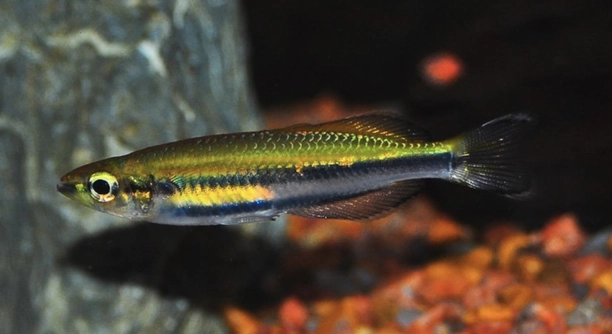
Do you enjoy watching your aquarium brighten up with colorful fish but notice some of them hide whenever you approach? Rainbowfish are lively and captivating, yet their reactions to humans can vary, creating a unique observation experience for owners.
Rainbowfish can become accustomed to human presence over time through consistent, non-threatening interactions. Gradual exposure to routine movements and feeding can reduce stress responses, allowing fish to recognize humans as a neutral or positive part of their environment.
Observing this process can enhance your bond with rainbowfish and improve their overall comfort and activity in the tank.
How Rainbowfish React to Humans
Rainbowfish are naturally cautious, and their initial reactions to humans can include darting to the back of the tank or freezing in place. Their behavior largely depends on previous exposure and tank conditions. Frequent, calm presence near the aquarium helps them recognize humans as a non-threatening element. Movement outside the tank should be slow and predictable to avoid startling them. Feeding times are particularly effective moments for interaction because the fish associate humans with food, gradually building trust. Over weeks, they may swim closer to the glass, showing curiosity rather than fear. Observing their body language, such as fin positions and swimming speed, offers insight into their comfort levels. Bright lighting or sudden shadows can still trigger avoidance behaviors, so maintaining a stable environment is crucial. Patience is key, as forcing interaction often increases stress. Gentle routines and consistent handling can foster positive recognition without compromising their wellbeing.
Consistent presence and calm movement encourage rainbowfish to become comfortable around humans, gradually reducing stress-related behaviors in the aquarium.
Maintaining a stable environment, including proper water temperature, filtration, and lighting, enhances the fish’s sense of security. Comfortable rainbowfish are more likely to engage near the glass and respond to feeding cues. Social species benefit from observing others becoming accustomed to humans, which reinforces safe behavior. Avoid tapping the glass or sudden changes that may startle them. With time, the fish can even anticipate feeding by swimming toward you, reflecting their adaptation to human activity. Understanding these patterns helps improve both their health and the overall enjoyment of keeping rainbowfish.
Steps to Build Familiarity
Introducing human presence gradually ensures rainbowfish do not feel threatened. Small, consistent routines are most effective in promoting trust.
Start by spending short periods near the tank daily without sudden movements. Feed the fish at consistent times while maintaining a calm posture. Over time, allow longer observation sessions, letting the fish swim closer without reaching into the tank. Avoid rapid hand movements or tapping, as these provoke stress. Placing decorations strategically can offer hiding spots, making fish feel secure while observing humans. Tracking individual behavior helps identify which fish are adapting faster and which need more time. Positive reinforcement through feeding and minimal interference strengthens recognition. Patience and routine are essential. By applying these methods, rainbowfish slowly associate humans with a predictable and safe environment, enhancing their overall wellbeing and creating a more interactive aquarium experience.
Common Mistakes When Interacting with Rainbowfish
Rapid hand movements or tapping on the glass can startle rainbowfish and increase stress levels. Inconsistent feeding schedules may also prevent them from associating humans with positive experiences, slowing their adaptation to human presence.
Overhandling or trying to force interaction can harm the fish’s trust. Rainbowfish respond best to gradual exposure and calm, predictable routines. Sudden changes in lighting, water temperature, or tank decorations can also trigger fear responses, making them hide. Observing their behavior and adjusting your approach ensures they remain comfortable. Even well-intentioned gestures, like reaching quickly into the tank, can disrupt the adaptation process. Consistency is key, and giving them space encourages natural curiosity rather than fear.
Ignoring individual differences among rainbowfish can be another issue. Some fish adapt quickly while others take longer to trust humans. Recognizing these variations allows for tailored interactions. Forcing shy fish to approach or crowding more confident fish near the front can cause stress. Instead, respect their pace and provide hiding spots and visual barriers. Positive reinforcement through feeding near the glass gradually encourages interaction. Monitoring their reactions and adjusting exposure times ensures that all fish feel safe, promoting long-term comfort and wellbeing in the tank.
Tips for Encouraging Human Familiarity
Start by keeping interactions short, calm, and consistent, focusing on predictable routines that the fish can learn to trust.
Spend time near the aquarium daily without sudden movements, allowing fish to observe you without fear. Pair presence with feeding to create positive associations. Avoid tapping on the glass or reaching into the tank abruptly. Use decorations to provide secure hiding spots, letting them feel safe while acclimating. Gradually increase interaction time, observing body language for comfort signs. Reinforcing calm behaviors with consistent routines helps rainbowfish recognize humans as a stable part of their environment. Patience and steady practice are essential for success.
Tracking responses individually is important because rainbowfish have varying temperaments. Some may swim confidently near the front while others remain cautious. Offering visual security, such as plants or rocks, allows shy fish to explore at their own pace. Feeding at consistent times strengthens positive associations. Avoid forcing fish toward interaction, as it can increase stress. Documenting progress helps adjust strategies, ensuring all fish benefit from exposure. Gradual, measured routines and attention to individual differences create an environment where rainbowfish can thrive and gradually become familiar with human presence.
Recognizing Stress in Rainbowfish
Rapid darting, clamped fins, or hiding constantly are clear signs of stress in rainbowfish. Sudden changes in the tank or aggressive handling can trigger these behaviors. Monitoring their reactions is essential to maintain a calm and secure environment.
Persistent stress may lead to weakened immunity and reduced activity. Observing subtle cues like erratic swimming or loss of color can help you intervene early. Adjusting tank conditions, minimizing disturbances, and following gentle interaction routines reduce stress, allowing the fish to gradually feel safe around humans and their environment.
Feeding Patterns and Human Interaction
Rainbowfish often associate humans with feeding, which can be used to build familiarity. Consistent feeding times and gentle approaches reinforce positive behavior.
Using small amounts of food during human presence encourages fish to approach the front of the tank. Gradually, they learn that human activity signals mealtime, fostering trust. Avoid overfeeding or sudden movements that may create fear. Combining patience with routine feeding strengthens recognition and helps rainbowfish feel comfortable near humans.
Environmental Factors Affecting Adaptation
Water temperature, lighting, and tank layout directly influence how rainbowfish respond to human presence. Stable conditions encourage calmer behavior and reduce stress during interactions.
Providing hiding spots and gentle water flow allows fish to explore safely while observing humans. Adjusting lighting gradually prevents sudden shadows that could startle them.
Patience and Consistency
Repeated, calm exposure over weeks is essential for rainbowfish to accept human presence. Gradual, steady routines build trust effectively.
How long does it take for rainbowfish to get used to humans?
Rainbowfish generally take several weeks to show noticeable familiarity with humans, but the exact timeframe varies by individual and environment. Daily, calm interactions help them associate human presence with safety and feeding. Fish that are naturally shy or stressed may take longer to adjust, while confident individuals adapt more quickly. Consistency in routine, such as approaching the tank at similar times and minimizing sudden movements, accelerates the process. Gradually, they may swim closer to the glass or react less to movement outside the tank. Patience and observation are key to understanding each fish’s comfort level.
Can all rainbowfish become comfortable with human presence?
Most rainbowfish can learn to tolerate human presence, but the degree of comfort differs. Individual temperament, previous experiences, and tank conditions play a role in how quickly they adapt. Some fish will approach humans confidently, while others remain cautious and prefer staying near hiding spots. Providing a stable environment with consistent routines encourages all fish to gradually feel safe. Stress reduction techniques, such as calm lighting, hiding areas, and avoiding sudden movements, further support adaptation. While not every rainbowfish will actively seek interaction, nearly all can recognize humans as non-threatening with proper care.
What are the signs that rainbowfish are getting used to humans?
Rainbowfish that are comfortable with humans may swim near the front of the tank during feeding, display more vibrant colors, and reduce rapid darting or hiding behaviors. They may also follow your movement outside the tank without signs of fear. Increased activity around human presence is a strong indicator that trust is forming. Watching for subtle changes, like fin positioning and slower, steady swimming, can show that they feel secure. Over time, fish may anticipate feeding, swim confidently near the glass, and respond positively to calm interaction, signaling that human presence is now part of their routine environment.
How can feeding routines help rainbowfish adapt?
Feeding is one of the most effective ways to help rainbowfish get used to humans. Providing food at consistent times encourages fish to associate human activity with positive experiences. Offering small amounts of food gradually during human presence builds recognition without overwhelming them. Avoid sudden movements or overfeeding, as these can increase stress. Pairing presence with feeding allows fish to approach the front of the tank, reinforcing trust. Using predictable routines and calm gestures ensures that rainbowfish gradually see humans as a neutral or positive part of their environment, helping reduce fear and stress over time.
Are there environmental factors that affect adaptation?
Yes, stable water temperature, gentle lighting, and a well-structured tank layout significantly impact how rainbowfish respond to humans. Sudden changes in water conditions or tank decorations can trigger fear and slow adaptation. Providing hiding spots and gentle water flow allows fish to feel secure while observing human activity. Consistent, calm lighting prevents shadows that might startle them, and a clean, healthy environment encourages exploration and interaction. Fish that feel safe in their environment are more likely to approach humans during feeding and swimming, making positive human recognition easier to achieve.
What mistakes should be avoided when trying to get rainbowfish used to humans?
Rapid hand movements, tapping on the glass, and inconsistent feeding routines are common mistakes that can increase stress. Forcing interaction or crowding shy fish near the front of the tank may cause fear responses. Ignoring individual differences can also hinder adaptation. Observing fish behavior and adjusting your approach is essential. Gradual, predictable interactions paired with calm routines allow rainbowfish to recognize humans as safe, while avoiding mistakes ensures their comfort, wellbeing, and long-term ability to tolerate human presence.
How can you encourage shy rainbowfish to interact more?
Shy rainbowfish need time, patience, and safe spaces to explore at their own pace. Providing hiding spots and observing from a distance reduces stress. Pairing human presence with feeding encourages gradual confidence. Avoid forcing them to approach, and maintain consistent routines. Over time, shy fish may begin exploring near the glass and reacting positively to calm human movement. Small steps, repeated consistently, help them build trust without increasing anxiety, making adaptation more successful.
Does the number of rainbowfish in the tank affect their adaptation to humans?
Yes, social dynamics influence adaptation. Rainbowfish often feel safer when they see other fish interacting calmly with humans. Confident individuals can set an example, encouraging shy fish to gradually approach. Crowding or adding too many fish at once may increase stress and slow adaptation. Maintaining a balanced group size and observing individual responses ensures that all fish can safely become familiar with human presence while maintaining comfort and wellbeing.
Can rainbowfish lose their comfort with humans once they are used to them?
Rainbowfish can become wary again if there are sudden changes in routine, tank conditions, or handling. Stressful events, such as aggressive tank mates or abrupt lighting shifts, may trigger fear. Maintaining consistency in feeding, interaction, and environment helps preserve their comfort. Regular calm exposure reassures the fish that human presence is safe, reducing the likelihood of regression and supporting long-term familiarity.
How does individual personality affect adaptation?
Each rainbowfish has a unique temperament, which influences how quickly and fully it adapts to humans. Bold fish may approach confidently, while naturally cautious individuals require extended time and more secure hiding spaces. Recognizing and respecting these differences ensures each fish receives appropriate interaction and care. Tailoring routines to individual behavior maximizes comfort and positive recognition.
Rainbowfish are colorful and lively fish that bring energy to any aquarium, but their reactions to humans can vary greatly. Some adapt quickly, swimming confidently near the glass during feeding times, while others remain cautious for weeks or even months. Understanding their natural behavior is key to building trust. By observing their movements, body language, and reactions to environmental changes, owners can learn which fish are comfortable and which need more time. Sudden changes, such as loud noises, rapid movements, or abrupt lighting shifts, can startle rainbowfish and set back the adaptation process. Providing a stable environment, calm lighting, and consistent routines helps minimize stress and encourages positive responses to human presence. Over time, these steps allow the fish to gradually accept humans as part of their daily routine.
Patience is one of the most important factors in helping rainbowfish get used to humans. Interaction should always be gentle and predictable, paired with positive experiences like feeding. Daily presence near the tank, without sudden movements or disturbances, reinforces familiarity. Using feeding as a cue, fish begin to associate human activity with positive outcomes. Shy fish require more time and secure hiding spots, while bolder individuals may quickly engage at the front of the tank. Consistency matters more than intensity—short, repeated sessions of calm observation are far more effective than long, irregular periods of interaction. Recognizing individual differences is also crucial. Not every rainbowfish will behave the same way, and adapting strategies to each fish’s comfort level ensures all can gradually tolerate human presence without added stress.
Maintaining a healthy and secure environment supports this adaptation process. Proper water conditions, gentle filtration, adequate hiding spaces, and consistent feeding routines all contribute to a sense of safety for rainbowfish. Avoiding stressful situations, like overcrowding or sudden environmental changes, helps them remain relaxed and more receptive to human presence. Observing their behavior over time reveals gradual improvements in comfort and trust. While some fish may never actively seek interaction, most can learn to tolerate humans and respond positively during feeding and calm observation. The combination of patience, consistent routines, and attention to environmental stability ensures rainbowfish can thrive in a home aquarium while gradually becoming accustomed to human presence, making the experience of keeping them more rewarding for both fish and owner.

Hello,
If you enjoy the content that we create, please consider saying a "Thank You!" by leaving a tip.
Every little bit helps us continue crafting quality advice that supports the health, happiness, and well-being of pets around the world, for pets of all shapes, sizes, and species.
We really appreciate the kindness and support that you show us!