
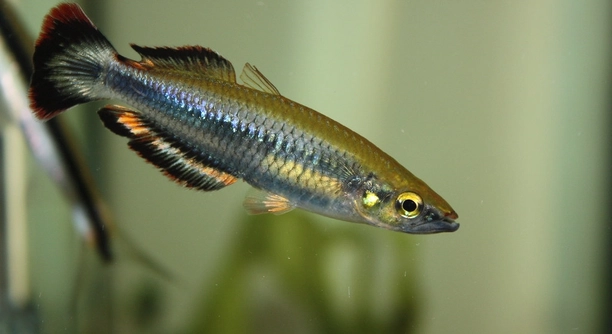
Rainbowfish are small, colorful freshwater fish that many aquarists enjoy keeping. Their active swimming patterns and vibrant colors make them a lively addition to home aquariums, often attracting attention for both their appearance and behavior.
Research indicates that rainbowfish exhibit higher cognitive abilities compared to many other freshwater species. Studies show they can learn new tasks more quickly, recognize familiar individuals, and adapt to changing environments, suggesting enhanced memory and problem-solving skills relative to other fish.
Observing rainbowfish in their tanks can reveal surprising intelligence and social interactions that often go unnoticed at first glance.
Understanding Rainbowfish Intelligence
Rainbowfish are more than just colorful aquarium residents. They show remarkable learning abilities, often remembering locations of food and recognizing other fish in their tank. Their behavior indicates problem-solving skills, such as navigating obstacles to reach food or avoiding potential threats. These fish can adjust quickly to changes in their environment, displaying adaptability that many other species do not. Observing their interactions, one may notice that they communicate through subtle movements and body language, maintaining social hierarchies and coordinating swimming patterns within their schools. This level of awareness points to cognitive capacities beyond basic survival instincts, showing that rainbowfish are attentive and responsive to stimuli around them. Researchers studying these fish often highlight their ability to retain information over time, which allows them to modify behaviors based on previous experiences. This retention is a sign of memory development uncommon in many small freshwater species, making rainbowfish a subject of interest in studies of fish intelligence.
Their ability to learn and adapt sets them apart from many similar-sized fish.
Rainbowfish’s cognitive skills are often linked to their active social behavior. Within groups, they establish pecking orders and respond to movements of peers, demonstrating attention and memory. Observing their interactions provides insight into how they process information, which can influence feeding patterns and overall well-being in captivity. This makes them engaging to watch and suggests that their intelligence plays a crucial role in survival and social stability.
Social Behavior and Learning
Rainbowfish communicate with subtle visual cues that signal intention and awareness. Their schooling patterns are not random but coordinated through observation.
Social dynamics in rainbowfish involve constant monitoring of peers. Fish at the center of a school often dictate movement, while others adjust to maintain cohesion. Learning occurs through imitation, where younger or less dominant fish mimic behaviors of more experienced individuals. This ability to observe and adapt enhances survival and foraging efficiency. In research settings, rainbowfish demonstrate problem-solving through repeated exposure to challenges, such as navigating mazes or locating hidden food sources. Their social learning is complemented by memory retention, allowing them to recall successful strategies over days or weeks. Interaction within the school also reduces stress and promotes healthier behaviors, emphasizing the role of intelligence in their daily lives. Understanding these dynamics helps aquarium caretakers optimize tank environments, ensuring that fish remain engaged, healthy, and capable of exhibiting natural behaviors. Overall, rainbowfish combine cognitive skills with social intelligence, making them more capable than many other species of similar size.
Feeding Habits and Memory
Rainbowfish quickly learn feeding routines and recognize who is feeding them. They remember locations of food and often anticipate mealtimes with consistent behavior.
Their feeding behavior reflects their memory and learning skills. When placed in a new tank, rainbowfish observe their environment before approaching food. They can differentiate between familiar and unfamiliar sources and adjust their strategies accordingly. In community tanks, they recognize which fish are aggressive during feeding and adapt to avoid conflicts. This ability to recall past experiences and act on them shows cognitive function beyond simple instinct. Their keen observation allows them to efficiently gather food while maintaining safety within their group, highlighting both intelligence and social awareness in everyday activities.
Rainbowfish can also modify behavior if the usual feeding spot changes. They explore cautiously, testing new areas before fully committing. This trial-and-error approach demonstrates problem-solving skills. Additionally, their ability to remember and recognize individual tank mates during feeding shows social memory. Such behaviors indicate that rainbowfish rely on both learned knowledge and observation to navigate challenges, which is uncommon among many small fish species.
Environmental Adaptation
Rainbowfish adjust rapidly to different water conditions and tank layouts, showing strong adaptability and awareness. They respond to changes in light, current, and decorations effectively.
Adaptation to new environments is closely tied to their intelligence. When introduced to unfamiliar tanks, rainbowfish explore cautiously, noting hiding spots, food sources, and other fish behaviors. They quickly learn which areas are safe and which should be avoided. This learning process reduces stress and allows them to thrive in various conditions. Changes in tank setup, such as moving plants or rocks, are noted and incorporated into daily routines. Their ability to remember past environmental layouts helps them navigate efficiently, avoiding obstacles and maintaining social cohesion. Such skills indicate that rainbowfish do not rely solely on instinct, but actively process information to enhance survival and comfort.
Interaction with Other Species
Rainbowfish can coexist peacefully with other non-aggressive species, showing awareness of different behaviors. They adjust swimming patterns and distance to avoid stress or conflict.
They also observe the activity of other fish to anticipate potential threats. Their responses are calculated rather than instinctive, indicating social intelligence.
Problem-Solving Abilities
Rainbowfish demonstrate problem-solving skills in both natural and captive environments. They can navigate mazes, locate hidden food, and learn to avoid obstacles over time. These fish observe actions of others, imitate effective strategies, and adjust behavior based on outcomes. Their ability to retain information from previous experiences helps them succeed in complex situations. In experimental settings, rainbowfish solve tasks faster than many similar-sized species, showing memory, adaptability, and learning capacity. Problem-solving also appears in social interactions, as they determine the best ways to interact with tank mates to maintain harmony and avoid conflicts.
Breeding Behavior
Rainbowfish show careful selection of spawning sites, choosing safe areas and suitable partners for reproduction.
FAQ
How do rainbowfish show intelligence compared to other fish?
Rainbowfish demonstrate learning, memory, and problem-solving skills that many small freshwater species do not. They can recognize familiar tank mates, remember food locations, and adapt to changes in their environment. Observing their swimming patterns and feeding behavior often reveals planning and strategic decision-making rather than instinctive reactions.
Can rainbowfish recognize individual fish in a tank?
Yes, rainbowfish can identify individual fish within their group. They adjust interactions based on past encounters, such as avoiding aggressive fish or staying close to familiar companions. This social memory helps maintain harmony in schools and allows them to coordinate movements effectively.
Do rainbowfish learn from each other?
Rainbowfish often imitate the behavior of other fish, especially during feeding or exploring new areas. Younger or less dominant fish observe more experienced individuals to learn safe routes, hiding spots, and effective strategies for accessing food. This social learning improves survival and efficiency.
Are rainbowfish good at adapting to new environments?
Rainbowfish adapt quickly to changes in tank conditions, such as new plants, decorations, or lighting. They explore cautiously, assess potential risks, and gradually incorporate the new environment into their routines. Their adaptability reduces stress and helps them thrive under varying conditions.
Do rainbowfish solve problems in their tank?
Yes, rainbowfish demonstrate problem-solving skills regularly. They navigate obstacles, locate hidden food, and find optimal hiding spots. They use memory and observation to adjust strategies, showing cognitive abilities beyond simple instinct. Problem-solving also includes social interactions, such as avoiding conflicts or coordinating with other fish.
How do rainbowfish respond to threats?
Rainbowfish detect threats by observing their surroundings and the behavior of other fish. They may quickly change direction, hide, or group together for protection. Their responses are often strategic, reflecting awareness of both the environment and social context rather than reflexive action.
Do rainbowfish remember feeding routines?
Rainbowfish are excellent at remembering feeding schedules and locations. They can anticipate mealtimes, move toward feeding areas, and adjust behavior if the routine changes. Their memory allows them to efficiently gather food while avoiding aggressive tank mates.
Can rainbowfish interact well with other species?
Rainbowfish coexist peacefully with many non-aggressive fish. They adjust swimming patterns and distances to reduce stress, and their observation skills allow them to avoid conflicts. This social awareness helps maintain balance in community tanks.
Do rainbowfish exhibit social hierarchies?
Yes, rainbowfish establish subtle social hierarchies within schools. Dominant individuals often influence swimming patterns and access to resources, while others adapt their behavior. These hierarchies are maintained through observation, memory, and learned social interactions rather than outright aggression.
Why are rainbowfish considered intelligent for their size?
Rainbowfish combine memory, learning, problem-solving, and social skills in ways uncommon for small freshwater species. Their ability to adapt, observe, and interact strategically with both their environment and peers demonstrates higher cognitive functions that many other fish do not show.
How can aquarium owners support rainbowfish intelligence?
Providing varied environments, safe hiding spots, and opportunities for interaction encourages natural behaviors. Regularly changing tank layouts or introducing challenges like feeding puzzles stimulates problem-solving and memory, keeping rainbowfish mentally engaged and healthy.
Do rainbowfish show long-term memory?
Rainbowfish retain information about past experiences, including safe routes, feeding areas, and interactions with other fish. This long-term memory allows them to navigate efficiently, anticipate outcomes, and interact effectively with peers over extended periods.
Are rainbowfish more intelligent than other commonly kept freshwater fish?
Studies suggest rainbowfish outperform many similarly sized species in learning, memory, and social awareness. Their adaptability, problem-solving, and observational skills make them stand out among common aquarium fish, reflecting advanced cognitive abilities for their size.
Do rainbowfish communicate with each other?
Rainbowfish use visual cues and body language to signal intention, establish social order, and coordinate movements. These subtle forms of communication are essential for schooling, feeding coordination, and maintaining harmony in the tank.
Can rainbowfish change behavior based on experience?
Yes, rainbowfish modify actions after learning from prior experiences. They avoid dangerous areas, adjust feeding strategies, and interact differently with tank mates based on previous outcomes. This flexibility demonstrates intelligence and practical memory use.
How do rainbowfish handle stress in new environments?
Rainbowfish explore cautiously, using hiding spots and observing other fish to manage stress. Their awareness of surroundings and memory of safe areas allow them to adapt gradually, minimizing anxiety and promoting stable behavior.
Do rainbowfish enjoy interaction in groups?
Rainbowfish thrive in schools, where social interaction enhances learning, feeding efficiency, and protection. Their coordinated swimming and attention to peers’ behavior highlight intelligence and social cohesion within the group.
What makes rainbowfish stand out in terms of intelligence?
Rainbowfish combine problem-solving, memory, social learning, environmental adaptation, and communication skills. Their ability to observe, learn, and apply knowledge in both solitary and social contexts demonstrates a level of cognitive ability that is impressive for small freshwater fish.
How does intelligence affect rainbowfish health?
Active engagement, mental stimulation, and social interaction reduce stress and support overall well-being. Intelligent behaviors, such as problem-solving and adaptive strategies, allow rainbowfish to thrive physically and socially in their environment.
Can rainbowfish be trained or conditioned?
Rainbowfish respond well to repeated routines and stimuli. They can be conditioned to recognize feeding cues, perform tasks, or navigate obstacles, showing that their memory and learning skills are practical for interaction with caretakers.
Are rainbowfish aware of tank boundaries?
Rainbowfish quickly learn tank limits and adjust swimming patterns accordingly. Their awareness helps them avoid collisions and locate preferred areas for resting, hiding, and social interaction.
Do rainbowfish show curiosity?
Rainbowfish explore new objects, decorations, or food sources with caution and interest. This behavior reflects awareness, observation, and a willingness to learn, demonstrating both intelligence and adaptability in their environment.
How long do rainbowfish retain learned behaviors?
Rainbowfish can remember learned behaviors for weeks, including feeding strategies, safe routes, and social interactions. Long-term retention supports problem-solving, social cohesion, and adaptation to environmental changes.
Can rainbowfish recognize humans?
Rainbowfish may respond to familiar caretakers, especially during feeding, by approaching or anticipating interaction. Their recognition reflects memory and learned association, showing cognitive engagement beyond basic instinct.
Do rainbowfish have individual personalities?
Yes, rainbowfish exhibit distinct behavior patterns, activity levels, and reactions to stimuli. These personality differences influence social roles, interactions, and responses to challenges, highlighting intelligence and adaptability.
How can observing rainbowfish enhance care?
Paying attention to their behavior, learning patterns, and social interactions allows caretakers to provide better environments, reduce stress, and support mental stimulation, improving both health and engagement.
Do rainbowfish prefer certain companions?
Rainbowfish often stay closer to familiar or similarly sized individuals. This preference shows social awareness and memory, supporting stable group dynamics and reduced conflict.
What is the impact of environment on intelligence?
A varied, stimulating environment encourages exploration, learning, and problem-solving. Enrichment opportunities, like hiding spots, plants, and challenges, enhance cognitive function and social behavior in rainbowfish.
Can rainbowfish adapt to changing tankmates?
Rainbowfish observe new fish and adjust behavior accordingly. They may keep distance, monitor interactions, and slowly integrate into the group, showing adaptability and social intelligence in dynamic environments.
Do rainbowfish recognize patterns in feeding or environment?
Rainbowfish detect routines and repeated patterns, adjusting behavior to optimize feeding, avoid conflicts, or navigate obstacles efficiently. Their memory and learning allow them to anticipate outcomes based on observed patterns, reflecting cognitive awareness.
Are rainbowfish suitable for cognitive stimulation in aquariums?
Yes, their memory, learning, problem-solving, and social behavior make rainbowfish excellent candidates for mental enrichment. Providing varied environments and interactive feeding can engage their intelligence effectively.
How can caretakers track intelligence in rainbowfish?
Monitoring responses to changes, feeding efficiency, navigation of obstacles, and social interactions gives insight into cognitive abilities. Observing problem-solving and adaptation over time helps measure intelligence in practical ways.
Do rainbowfish remember tank layouts?
Rainbowfish retain knowledge of tank decorations, hiding spots, and food locations. This spatial memory allows efficient navigation and reduces stress in complex or changing environments.
Are rainbowfish naturally curious and observant?
Rainbowfish explore cautiously, monitor peers, and investigate changes in their environment. Their curiosity and observation skills support learning, social awareness, and problem-solving, making them intelligent and adaptable.
Can rainbowfish show preference for certain areas or activities?
Yes, rainbowfish choose specific areas for resting, hiding, or socializing. These preferences are guided by past experiences, safety, and environmental familiarity, demonstrating memory, awareness, and decision-making.
Do rainbowfish interact differently with various species?
Rainbowfish assess the behavior of other fish and adjust swimming patterns, proximity, and feeding interactions. This flexible social behavior shows awareness, observation, and learned adaptation to different companions.
How do rainbowfish respond to changes in tank setup?
Rainbowfish explore cautiously, adapt to new layouts, and incorporate changes into routines. Memory of prior setups helps them navigate efficiently, reflecting intelligence, observation, and problem-solving skills.
Can rainbowfish learn tricks or tasks?
Rainbowfish respond to repeated training or routines, such as approaching feeding cues or navigating obstacles. Their ability to learn and retain information allows practical interaction with caretakers and environmental enrichment.
Do rainbowfish show signs of planning behavior?
Rainbowfish demonstrate behaviors that suggest anticipation, like waiting near feeding areas or avoiding aggressive fish based on past experiences. Such actions reflect memory, awareness, and decision-making beyond instinct.
Are rainbowfish aware of social roles in schools?
Rainbowfish maintain social order within schools, adjusting behavior according to dominance and hierarchy. Awareness of roles and peer behavior helps reduce conflict and coordinate movement efficiently.
How do rainbowfish learn from mistakes?
Rainbowfish modify behavior after negative outcomes, such as avoiding unsafe areas or adjusting interactions with aggressive fish. This trial-and-error learning shows intelligence, memory, and problem-solving.
Do rainbowfish benefit from mental stimulation?
Yes, challenging environments, varied feeding, and interaction opportunities encourage learning, observation, and problem-solving, supporting cognitive development and overall well-being.
Can rainbowfish remember aggressive encounters?
Rainbowfish recall aggressive fish and adjust distance or behavior to reduce conflict. Memory of past interactions influences social strategies and safety within the group.
Do rainbowfish show strategic swimming behavior?
Rainbowfish coordinate movements in schools and navigate obstacles using observation and memory. Strategic swimming reduces risk, improves feeding efficiency, and maintains group cohesion.
Are rainbowfish more intelligent than guppies or tetras?
Comparative studies suggest rainbowfish often outperform similar small species in learning, memory, and social awareness, demonstrating advanced cognitive skills relative to commonly kept freshwater fish.
Can rainbowfish be enriched to improve cognitive function?
Providing varied tank layouts, interactive feeding, and safe exploration opportunities enhances learning, problem-solving, and memory. Mental stimulation improves engagement, reduces stress, and encourages natural behaviors.
Do rainbowfish remember individual feeding cues?
Rainbowfish recognize feeding signals, responding consistently to routines. Memory of these cues helps them anticipate meals and adjust behavior in group settings, demonstrating intelligence and learning capacity.
Are rainbowfish aware of environmental threats?
Rainbowfish observe surroundings and other fish to detect potential danger. Their responses, like hiding or grouping, show awareness, decision-making, and learned strategies for survival.
Can rainbowfish show patience or timing in behavior?
Rainbowfish often wait near food or safe areas, timing movements carefully to avoid conflict or optimize feeding. Such behaviors indicate observation, memory, and cognitive planning.
Do rainbowfish communicate differently in large vs small groups?
Rainbowfish adjust swimming patterns, proximity, and signals depending on group size. Their ability to respond appropriately reflects awareness, social intelligence, and adaptability.
How do rainbowfish learn from environmental cues?
They observe light changes, water currents, and decoration placement, using this information to navigate, avoid hazards, and locate resources. Learning from cues supports survival and efficient behavior.
Can rainbowfish recognize repeated patterns in tankmates’ behavior?
Rainbowfish notice consistent actions from peers, such as dominance displays or feeding habits, and adjust interactions accordingly. This recognition demonstrates social intelligence and memory application.
Do rainbowfish show emotional responses to social interactions?
Rainbowfish adjust behavior in response to aggression, friendliness, or attention from peers. These reactions suggest awareness of social context and adaptive behavior, reflecting cognitive processing beyond instinct.
Are rainbowfish capable of complex decision-making?
Rainbowfish make decisions based on observation, memory, and social awareness. They evaluate risk, food access, and social dynamics, demonstrating problem-solving and adaptive intelligence in daily activities.
How long can rainbowfish retain learned behaviors?
Rainbowfish remember successful strategies, locations, and social interactions for weeks. Long-term retention supports efficient navigation, feeding, and interaction, indicating cognitive strength uncommon among small fish.
Do rainbowfish have preferences for social partners?
Rainbowfish tend to remain near familiar or similarly sized fish. Preference is guided by past experiences, reducing conflict and maintaining school cohesion, reflecting social awareness and memory.
Can rainbowfish differentiate between tankmates’ personalities?
Yes, rainbowfish observe differences in behavior and adjust interactions, showing recognition of individual traits. This understanding influences social hierarchy, cooperation, and avoidance strategies within the group.
Do rainbowfish adapt faster than other freshwater fish?
Rainbowfish generally adjust quickly to new environments, feeding routines, and social changes. Their learning, memory, and problem-solving abilities allow them to respond more efficiently than many similar-sized fish species.
Are rainbowfish capable of self-preservation strategies?
Rainbowfish use observation, memory, and social learning to avoid threats, select safe locations, and optimize feeding, demonstrating practical intelligence in everyday survival.
How does social interaction influence rainbowfish intelligence?
Engagement with peers provides opportunities for observation, imitation, and memory use. Social interaction strengthens problem-solving, decision-making, and coordination within the school.
Do rainbowfish explore their environment actively?
Rainbowfish cautiously investigate new areas, objects, or tank changes. Exploration reflects curiosity, awareness, and learning, supporting adaptability and mental stimulation.
Can rainbowfish learn from repeated exposure to challenges?
Repeated challenges, such as new obstacles or feeding puzzles, allow rainbowfish to develop strategies, remember outcomes, and refine behavior, demonstrating cognitive growth and adaptability.
How do rainbowfish maintain group cohesion?
Rainbowfish monitor peers, adjust swimming speed and direction, and maintain proximity to prevent isolation. Coordination relies on observation, memory, and social awareness, ensuring school harmony.
Do rainbowfish show anticipation in behavior?
Rainbowfish anticipate feeding, threats, and social interactions based on prior experience. Their predictive behavior demonstrates memory, learning, and cognitive awareness of their environment.
Can rainbowfish distinguish safe from unsafe areas?
Rainbowfish evaluate locations for shelter, feeding, or social activity, using memory and observation to identify safe zones and avoid risks effectively.
Do rainbowfish recognize changes in water conditions?
Rainbowfish detect shifts in temperature, current, or clarity. They adapt movement and location to maintain comfort, showing environmental awareness and cognitive processing.
Are rainbowfish more intelligent when kept in groups?
Schooling enhances learning, problem-solving, and social memory. Observing peers provides cues and strategies, reinforcing cognitive abilities that are less apparent in isolated fish.
Do rainbowfish communicate danger to peers?
Through body language and coordinated movement, rainbowfish signal potential threats. These subtle cues support group safety and reflect social intelligence.
Can rainbowfish retain knowledge of tank decorations?
Rainbowfish remember the placement of plants, rocks, and hiding spots. Spatial memory allows them to navigate efficiently, reducing stress and enhancing survival.
Do rainbowfish show individual differences in intelligence?
Some rainbowfish are more active, observant, or responsive than others. These individual traits influence problem-solving, social interaction, and adaptation, showing variation in cognitive abilities.
How do rainbowfish use memory for feeding strategies?
Rainbowfish recall food locations, timing, and safe approaches. Memory guides behavior, reduces conflict, and increases efficiency during feeding.
Are rainbowfish able to adjust to human interaction?
Rainbowfish recognize familiar caretakers and feeding routines. They respond predictably, reflecting learned association, memory, and awareness of human presence.
Can rainbowfish solve complex tasks over time?
Rainbowfish approach tasks incrementally, using trial-and-error and observation. Their persistence and memory allow them to overcome challenges and improve efficiency.
Do rainbowfish notice patterns in social behavior?
Rainbowfish observe dominance, aggression, and cooperation among peers. Recognizing patterns influences interaction, feeding access, and group positioning, demonstrating social intelligence.
Are rainbowfish intelligent enough to alter their environment?
Rainbowfish manipulate their surroundings through choice of resting spots, hiding locations, and swimming patterns. These behaviors optimize comfort, safety, and social interaction, reflecting cognitive awareness.
How does age affect rainbowfish intelligence?
Older rainbowfish often show refined problem-solving, memory retention, and social skills. Experience allows them to navigate challenges more efficiently, demonstrating learning over time.
Do rainbowfish retain memory after tank changes?
Rainbowfish adapt to new layouts while remembering previous arrangements. Memory supports efficient navigation and reduces stress during environmental transitions.
Can rainbowfish learn from mistakes in social interactions?
Yes, they adjust behavior after negative encounters, avoiding conflict and optimizing group cohesion. Learning from mistakes reflects awareness, memory, and cognitive flexibility.
How do rainbowfish balance social interaction with feeding?
Rainbowfish observe peers, maintain distance from aggressive fish, and time movements to optimize food access. Balancing social cues with personal needs shows intelligence and strategy.
Do rainbowfish remember preferred hiding spots?
Rainbowfish retain knowledge of safe and comfortable areas for shelter, supporting survival, stress reduction, and spatial awareness within the tank.
Can rainbowfish adapt to new tankmates quickly?
Rainbowfish monitor new fish, assess behavior, and gradually integrate, demonstrating adaptability, observation, and social intelligence.
Do rainbowfish use memory for navigation?
Rainbowfish recall routes, obstacles, and resources, allowing efficient movement and reducing risks, reflecting cognitive skill beyond instinct.
Are rainbowfish capable of observational learning?
Rainbowfish learn from watching peers, imitating effective behaviors, and avoiding errors. Observation enhances feeding efficiency, safety, and social understanding.
Can rainbowfish anticipate threats from other species?
Rainbowfish detect potential aggression or predation cues and respond proactively, using observation and memory to ensure safety.
Do rainbowfish adapt better in complex environments?
Rainbowfish thrive when challenges exist, as problem-solving, exploration, and memory are engaged. Complex environments stimulate intelligence and support natural behaviors.
Are rainbowfish aware of spatial patterns in their tank?
Rainbowfish notice obstacles, hiding spots, and food placement, using memory to navigate efficiently, reduce risk, and optimize daily routines.
Do rainbowfish show selective attention to peers?
Rainbowfish are remarkable in many ways, and their intelligence is one of the most notable features for anyone keeping them in an aquarium. They demonstrate a combination of memory, learning, and problem-solving skills that are not always expected from small freshwater fish. Observing their behavior closely reveals a level of awareness and adaptability that goes beyond instinct. Whether it is recognizing familiar tank mates, remembering feeding routines, or adjusting to new environments, rainbowfish use their cognitive abilities in practical ways every day. Their intelligence is intertwined with their social behavior, as much of what they do depends on observing and responding to others in their group. These interactions help them maintain order in their schools, avoid conflicts, and work together to find food or navigate obstacles. The subtle coordination seen in their swimming patterns and responses to changes in their surroundings highlights how advanced their thinking can be for such small creatures.
Another aspect of rainbowfish intelligence is their capacity for learning from experience. They are capable of observing, remembering, and applying information in ways that benefit their survival and well-being. Feeding behavior is a good example of this. Rainbowfish can anticipate meal times, remember which areas are safe to approach, and adjust their actions depending on the behavior of other fish. If a previously safe spot becomes unsafe due to an aggressive tank mate or a new obstacle, rainbowfish adapt quickly, showing both memory and problem-solving skills. This adaptability extends to environmental changes as well. They explore cautiously when introduced to a new tank layout, remember hiding spots, and find safe routes. Their ability to learn from trial and error, combined with social observation, makes them responsive, efficient, and capable of navigating both familiar and new situations with confidence. It is this combination of learning, memory, and adaptability that sets rainbowfish apart from many other species in similar settings.
Finally, the social and cognitive traits of rainbowfish make them engaging to observe and rewarding to care for. They thrive in enriched environments that allow them to explore, interact, and problem-solve. Their intelligence is evident in both individual and group behaviors, from strategic swimming and coordinated schooling to the memory of feeding routines and preferred resting spots. For caretakers, understanding these traits is valuable because it allows for better management of tank conditions and social dynamics. Creating opportunities for mental stimulation, providing safe spaces, and maintaining a consistent feeding schedule can enhance their cognitive development and overall well-being. Rainbowfish are not just visually appealing but also demonstrate a depth of behavior and awareness that makes them fascinating to watch. Recognizing their intelligence helps ensure they are kept in environments where they can express natural behaviors, remain active, and live healthier, more fulfilling lives. Observing and supporting these traits highlights how much complexity and adaptability small freshwater fish can display.

Hello,
If you enjoy the content that we create, please consider saying a "Thank You!" by leaving a tip.
Every little bit helps us continue crafting quality advice that supports the health, happiness, and well-being of pets around the world, for pets of all shapes, sizes, and species.
We really appreciate the kindness and support that you show us!