
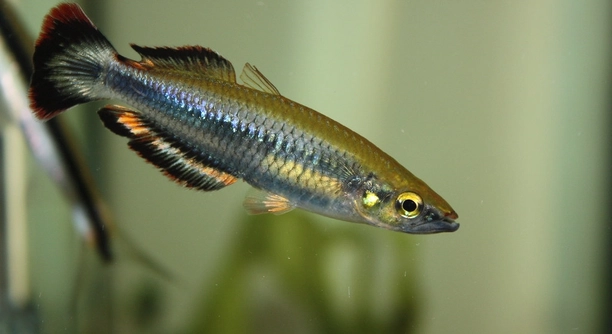
Have you ever watched your rainbowfish swim across the tank and wondered if their bright colors or quick movements suggest unusual behavior that might cause concern for their daily comfort in your peaceful home aquarium.
Many common beliefs about rainbowfish behavior are founded on misunderstandings rather than observed patterns. Reliable insights highlight their social tendencies, environmental responses, and subtle communication methods. Clarifying these misconceptions supports proper care and promotes healthier conditions within managed aquatic habitats.
These ideas create confusion about how rainbowfish act, guiding owners toward assumptions that overlook their natural patterns and essential needs.
Myth 1 Rainbowfish Are Aggressive
Many people assume rainbowfish act aggressively toward tank mates because of their quick swimming patterns and bold colors. I have seen how this idea spreads easily among new keepers who worry their fish might cause stress in a mixed tank. In reality, rainbowfish show active behavior that can look intense, but most of it reflects natural energy rather than harmful intent. They move fast to explore their space, interact with their group, and respond to changes in lighting or feeding routines. When cared for properly, they coexist peacefully with compatible species that match their pace and temperament. Problems appear only when tanks are too small, overcrowded, or lack hiding areas, which can make any fish behave unpredictably. Providing enough room prevents tension and keeps their social patterns balanced. Understanding this helps you focus on proper care instead of labeling them unfairly. Their behavior thrives when their environment supports their rhythms.
Seeing rainbowfish move quickly can create confusion, but their pace reflects alert behavior rather than hostility. They rely on space, group structure, and steady conditions to stay calm, making thoughtful tank management the key to preventing unnecessary tension between fish in a properly maintained environment that keeps their daily patterns.
Understanding how rainbowfish display active movement helps you avoid misinterpretations that often lead to unnecessary worry. Their behavior stays stable when they live in a tank with enough space, steady filtration, and predictable feeding habits. They respond well to open swimming areas that allow them to move freely without blocking each other. When these needs are met, they show calm interactions that reflect their natural group orientation. You can observe gentle displays, synchronized swimming, and short bursts of energy that signal comfort rather than conflict. Clear attention to their environment supports healthier behavior and helps you build a community tank.
Myth 2 Rainbowfish Prefer Solitude
Some people believe rainbowfish prefer to live alone, but these fish rely on group dynamics to maintain comfort and stability. Keeping them in small groups helps them interact naturally, stay active, and show brighter colors that reflect healthy patterns in a stable aquarium setting that support their overall wellbeing daily.
Rainbowfish thrive when they live in groups that allow them to express natural social behavior. Their movements become more organized, their colors intensify, and their stress levels decrease when other members of their species share the tank. Keeping them isolated prevents these patterns from developing and often makes them appear dull, withdrawn, or overly cautious. A supportive social environment encourages them to move confidently through the tank and engage in gentle interactions that keep their activity levels steady. You can observe how they follow each other, gather during feeding times, and explore open spaces as a coordinated group. These patterns contribute to a stable atmosphere that benefits every fish in the tank, not just the rainbowfish. Proper group sizes also help distribute activity so no single fish becomes overwhelmed. Providing enough space, maintaining consistent lighting, and offering clear swimming paths all help their social structure remain strong. When their environment matches their natural instincts, rainbowfish display a calm and steady rhythm that reflects their overall wellbeing. Creating conditions that respect their need for companionship ensures healthier behavior and a more balanced aquarium that supports their daily habits. This approach leads to a more harmonious setup that feels rewarding to observe.
Myth 3 Rainbowfish Eat Anything Without Issue
Rainbowfish are often seen as easy feeders, but their diet needs more attention. They handle a variety of foods, yet they stay healthier when offered balanced meals that match their natural feeding habits in a steady and simple routine each day.
Feeding rainbowfish only generic flakes limits their nutritional intake and slowly affects their color, movement, and long term stability. They respond better to a mix of high quality flakes, small pellets, and occasional live or frozen items that support natural activity. This balance keeps them energetic without overwhelming their digestion. I have seen how small adjustments, like adding finely chopped vegetables or protein rich treats, noticeably improve their appearance and behavior. They show brighter colors, smoother movement, and more consistent feeding responses when their diet is varied. Keeping portions small prevents overeating and helps maintain steady water quality that supports their overall condition.
Balanced feeding also encourages natural foraging behavior. Rainbowfish often swim near the midwater areas of the tank, so choosing floating or slow sinking foods helps them eat comfortably. Offering meals at the same time each day reduces stress and keeps them focused. Their colors become more vibrant when their diet includes essential nutrients that support their immune system and daily activity. Careful feeding routines also prevent leftover food from settling at the bottom, which keeps the water cleaner and reduces unwanted fluctuations. Thoughtful feeding habits create a space where rainbowfish can thrive and maintain stable patterns that reflect their natural instincts.
Myth 4 Rainbowfish Do Not Need Environmental Variety
A plain tank limits their behavior, making them less active and less vibrant. Rainbowfish respond strongly to structure, open swimming areas, and subtle visual cues that help them maintain a steady rhythm throughout the day.
Creating variety in their environment supports natural movement and steady group interactions. Open areas encourage confident swimming, while plants provide gentle cover that helps them reset when activity increases. Simple additions like floating plants, light variations, and subtle decorations allow them to explore without feeling overwhelmed. I have noticed they behave more calmly when the layout supports both rest and activity. Their colors deepen when lighting changes slowly instead of shifting abruptly. This stability keeps them comfortable and reduces unnecessary stress. A well arranged tank also helps them navigate as a group, making their interactions smoother and more predictable. Consistent maintenance, gentle filtration, and thoughtful placement of plants all contribute to a balanced space where rainbowfish can express their full range of healthy behavior.
Myth 5 Rainbowfish Never Rest
Rainbowfish are often believed to stay active without rest, but they rely on calm moments throughout the day to maintain their stability. They move steadily when the tank is peaceful, showing short pauses that help them recover and keep their behavior balanced during their regular swimming patterns in a comfortable.
Their quiet periods are easy to miss, yet they contribute to healthier behavior. Rainbowfish settle briefly near plants or open spaces before continuing their steady activity. These moments prevent overstimulation and help them stay responsive, making their movements smoother and more predictable within a well maintained tank each day overall.
Myth 6 Rainbowfish Always Show the Same Colors
Some people assume rainbowfish maintain the same color intensity at all times, but their appearance changes based on lighting, stress levels, and group structure. I have seen their colors brighten when conditions feel stable and dim slightly when activity becomes unpredictable. These shifts are natural and not signs of illness. Stable lighting, healthy social groups, and balanced feeding routines help maintain stronger coloration. When these needs are met, rainbowfish display deeper tones that come from comfort rather than force. Understanding these subtle changes makes it easier to support their wellbeing and keep their appearance consistent throughout their daily patterns steadily.
Myth 7 Rainbowfish Do Not Respond to Group Signals
Rainbowfish are sometimes thought to ignore group movement, but they rely on subtle signals from each other to navigate their space. Their coordinated swimming reflects natural social structure, helping them stay calm, balanced, and steady while moving through open areas that support their daily comfort in a stable tank setting.
FAQ
How many rainbowfish should I keep together?
Rainbowfish are social and thrive in groups. A minimum of six is recommended to support natural behavior and reduce stress. Smaller groups often lead to shyness or uneven swimming patterns. I have noticed that when kept in larger groups, they show brighter colors and move confidently throughout the tank. Group dynamics are essential for their comfort and daily stability.
What is the best diet for rainbowfish?
Rainbowfish need a balanced diet to stay healthy and colorful. High quality flakes, small pellets, and occasional live or frozen foods are ideal. They also benefit from finely chopped vegetables and protein-rich treats. Feeding small portions twice daily prevents overeating and keeps water quality stable. A varied diet supports natural energy levels and keeps their colors vibrant without causing digestive issues. I have seen their movement and responsiveness improve noticeably when their diet is consistent and balanced.
Do rainbowfish need a heater?
Rainbowfish are tropical fish and prefer stable temperatures. Maintaining water between 75–82°F (24–28°C) ensures comfort and normal activity. Sudden temperature changes can stress them and cause behavioral issues. A reliable heater and thermometer make it easier to monitor and maintain consistent conditions. I’ve observed that stable warmth encourages smoother swimming patterns and natural group interactions. Without proper temperature control, they can become sluggish or lose coloration over time, which indicates stress.
Can rainbowfish live with other fish?
Yes, rainbowfish are generally peaceful and adapt well to community tanks with compatible species. They do best with fish that match their activity level and temperament. Aggressive or very slow species may cause tension or stress. Providing enough space and hiding areas reduces conflicts. I have kept them with small tetras and peaceful barbs, and they interact calmly while maintaining natural social behaviors. Careful planning prevents unnecessary stress and supports a balanced environment for all tank inhabitants.
How often should I clean the tank?
Regular maintenance is key to healthy rainbowfish behavior. Weekly water changes of 20–30% help prevent buildup of waste and maintain water clarity. Cleaning filters and removing debris also supports stable conditions. I have found that consistent upkeep keeps fish active, reduces stress, and preserves vibrant colors. Over time, neglecting water quality can lead to sluggish behavior, illness, or dull coloration, even if other care routines are followed. Steady maintenance ensures the tank remains a supportive environment for their natural activity.
Why do rainbowfish hide sometimes?
Hiding is a normal behavior and often reflects rest, mild stress, or reaction to sudden changes. They may pause near plants, decorations, or corners to feel safe. I have noticed that when the tank layout includes cover, hiding is brief and purposeful rather than constant. Sudden movement, bright light, or unfamiliar fish can trigger this instinct. Understanding these patterns helps avoid misinterpreting hiding as illness. Providing a mix of open swimming space and safe areas allows them to balance activity and rest comfortably throughout the day.
Do rainbowfish need special lighting?
Rainbowfish benefit from lighting that simulates natural daylight cycles. Moderate, consistent light enhances coloration and encourages active movement. Sudden changes or overly bright lights can stress them. I’ve observed that when lighting follows a predictable schedule, they swim confidently and display natural behaviors. Incorporating floating plants or shaded areas also helps them regulate exposure. Proper lighting supports their health, social interactions, and color intensity, making it a simple yet effective part of daily care.
How long do rainbowfish live?
Rainbowfish typically live 5–8 years with proper care, including a balanced diet, stable water conditions, and a supportive social group. I have seen them maintain vibrant colors and steady activity for several years when these needs are met. Longevity depends on consistent attention to tank environment, feeding, and social dynamics. Regular observation and maintenance help prevent health issues and keep their behavior predictable. Supporting natural routines contributes to a longer, healthier life while allowing them to thrive as active, social fish in a well-managed aquarium.
Is breeding rainbowfish difficult?
Breeding is possible in home tanks if conditions mimic natural habits. Males display bright colors to attract females, and dense plants or spawning mops provide safe areas for eggs. I have found that stable water conditions and minimal disturbances increase success rates. After spawning, eggs should be separated to prevent predation. Providing proper nutrition for both adults and fry encourages healthy development. While not overly complicated, breeding requires attention to tank setup and careful monitoring to support the survival and growth of young fish.
Can rainbowfish adapt to different tank sizes?
Rainbowfish are flexible but thrive in medium to large tanks. A minimum of 30 gallons for smaller groups is recommended. I’ve seen behavior improve dramatically in larger tanks, with fish displaying natural swimming patterns and social interactions. Smaller tanks can lead to stress, dull coloration, or limited activity. Ensuring enough open space, structured areas, and steady environmental conditions allows rainbowfish to move freely and stay healthy. Tank size directly affects comfort, behavior, and long-term wellbeing, making it a critical factor in care.
Rainbowfish are often misunderstood because their natural behavior can seem unusual at first glance. Many myths about aggression, solitude, feeding habits, and color changes come from observing them without considering their instincts and environmental needs. In reality, rainbowfish are active, social, and adaptable when their tank conditions match their natural tendencies. They thrive in groups, enjoy open swimming areas, and benefit from well-structured environments that provide both space and hiding spots. Observing their movements and interactions carefully can reveal patterns that indicate comfort and health rather than conflict or illness. Over time, understanding these subtle behaviors allows you to create a more balanced tank where rainbowfish can display their natural energy, coordinated social patterns, and vibrant colors without unnecessary stress or misinterpretation.
Maintaining proper care for rainbowfish involves attention to a few key factors. Diet plays a central role in their wellbeing, and feeding a mix of high-quality flakes, pellets, and occasional live or frozen foods ensures they receive essential nutrients. Overfeeding or relying solely on one type of food can negatively affect digestion, color, and overall behavior. Temperature stability and consistent lighting are equally important, as sudden changes can trigger stress or subdued activity. Providing a structured environment with plants, decorations, and open swimming spaces encourages natural movement and allows them to rest when needed. Together, these practices support their social structure, enhance coloration, and foster steady, predictable behavior that reflects their comfort and confidence in the tank.
Understanding rainbowfish behavior requires patience and observation. Hiding, resting, or subtle color shifts are normal and often indicate that they are adjusting to their environment rather than experiencing illness or aggression. Social signals, coordinated swimming, and brief pauses all reflect natural instincts and group dynamics. Avoiding common misconceptions allows you to respond to their needs accurately, creating an environment that promotes long-term health and stability. By providing consistent care, balanced nutrition, and a well-arranged habitat, rainbowfish can thrive, showing their natural activity, bright colors, and peaceful social behavior. Paying attention to these details ensures a rewarding and harmonious aquarium where both the fish and their caretaker benefit from understanding and supporting their natural patterns.

Hello,
If you enjoy the content that we create, please consider saying a "Thank You!" by leaving a tip.
Every little bit helps us continue crafting quality advice that supports the health, happiness, and well-being of pets around the world, for pets of all shapes, sizes, and species.
We really appreciate the kindness and support that you show us!