
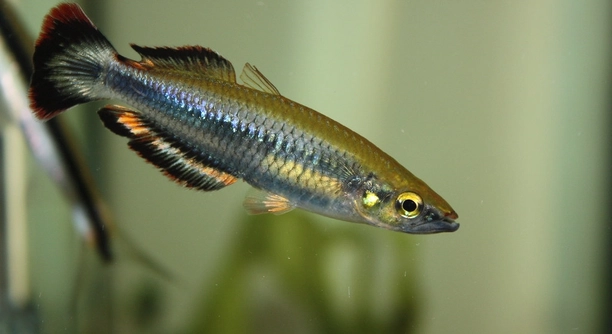
Rainbowfish are small, colorful fish that often capture attention in home aquariums. Their shimmering scales and active movements make them entertaining to watch, especially when they suddenly swim rapidly upward toward the water surface.
Rainbowfish swim rapidly upward primarily in response to environmental stimuli such as feeding, changes in water temperature, oxygen levels, or perceived threats. These bursts of movement are instinctive behaviors aimed at survival, efficient feeding, or adapting to changes in their habitat.
Observing these quick movements can reveal more about their health, environment, and natural behaviors within an aquarium setting. Understanding these patterns can improve care and create a better home for rainbowfish.
Common Reasons Rainbowfish Swim Upward
Rainbowfish often swim upward quickly when they sense food. In many home aquariums, this behavior is most noticeable during feeding times. They recognize the movement of food in the water and react instinctively by darting upward to catch it. Changes in water temperature can also trigger rapid swimming. If the water becomes slightly cooler or warmer than usual, rainbowfish may move quickly toward areas with a more comfortable temperature. Oxygen levels play an important role as well. When oxygen near the bottom is lower, rainbowfish swim upward to reach areas with higher oxygen concentration. This behavior is natural and helps them maintain proper health. Additionally, sudden noises or vibrations around the tank can startle them, prompting a swift upward movement. Observing these patterns can help identify environmental adjustments that improve their well-being and comfort in the aquarium.
This behavior is a normal response to feeding, temperature changes, or oxygen availability, and usually indicates healthy activity.
By watching when and how rainbowfish swim upward, it becomes easier to understand their preferences. They often choose higher water levels when the tank’s conditions change or when food is offered. This behavior can be a signal that the water is slightly uneven in temperature or oxygen distribution. Tank decorations, plant placement, and even the way water circulates can influence their swimming patterns. Adjusting these factors carefully can create a more comfortable environment and reduce sudden bursts of movement. Over time, consistent observation helps in recognizing what triggers rapid swimming, allowing small, simple changes to improve daily life. Proper feeding routines, stable temperatures, and good aeration all contribute to calmer behavior. This awareness also supports healthier growth, as stress caused by poor conditions can affect their development. Being mindful of these details ensures rainbowfish stay active, vibrant, and safe in the aquarium habitat while maintaining predictable patterns that make them easier to care for.
Environmental Adjustments
Small adjustments in the tank setup can reduce rapid upward swimming. Consistent temperature and proper aeration create stability.
Ensuring the tank has balanced oxygen levels and a steady water temperature is crucial for rainbowfish comfort. Installing an air pump or adjusting water flow can prevent sudden movements caused by oxygen shortages. Regularly monitoring the temperature with a reliable thermometer helps maintain stability. Adding more plants or rearranging decorations can provide hiding spots and break strong water currents, which often startle fish. Feeding in small, controlled amounts rather than all at once also encourages calmer behavior. Observing the fish’s reactions to these changes over time allows for fine-tuning the environment. Each small adjustment contributes to a healthier, more predictable swimming pattern. Consistent care and attention to the tank’s conditions reduce stress and support long-term well-being. A stable, enriched habitat makes rainbowfish more confident and less likely to swim rapidly upward without reason, providing a smoother experience for both the fish and the keeper.
Feeding Behavior
Rainbowfish swim upward quickly when food is introduced to the tank. This instinct helps them reach and consume food efficiently. Frequent feeding times often trigger repeated upward bursts.
Feeding is one of the most common reasons rainbowfish move rapidly upward. When flakes or pellets are added, they detect the disturbance in the water and react almost instantly. Their eyes and lateral line sense vibrations and movement, guiding them toward the food. This behavior ensures they get their share before other fish. Over time, they learn the routine and anticipate feeding, making the upward swimming more predictable. Feeding in measured amounts can reduce stress and prevent aggressive bursts.
The type of food also influences swimming behavior. Lightweight flakes may float slowly, causing fish to swim repeatedly upward, while sinking pellets may prompt a single rapid movement. Observing these patterns can help adjust feeding practices. Spreading food across different areas allows all fish to eat comfortably without excessive rushing. This simple strategy reduces competition and ensures healthier growth. Consistent feeding times and careful portioning make upward swimming a controlled and expected activity rather than a sign of stress.
Response to Environmental Changes
Rainbowfish react quickly to shifts in water temperature or oxygen. Even small changes can trigger upward movement and alert behavior.
Environmental changes play a major role in rapid swimming. If the water temperature drops or rises unexpectedly, rainbowfish instinctively move toward areas with more comfortable conditions. Low oxygen levels near the bottom also encourage upward movement to find better-oxygenated water. Tank aeration and circulation affect this behavior significantly. Strong currents or sudden disturbances may startle the fish, causing bursts of movement. Consistent monitoring and gradual adjustments help maintain a stable environment. Rainbowfish are sensitive, and small tweaks to the tank setup, like adjusting water flow or adding more plants, can reduce unnecessary rapid swimming and improve overall health and comfort.
Social Interaction
Rainbowfish often swim upward when interacting with other fish. This behavior can indicate dominance or playfulness.
They also respond to sudden movements of tank mates. Quick upward swimming may signal alertness or competition for space.
Stress and Disturbance
Stress from external factors, like vibrations near the tank or loud noises, can trigger rapid upward movement. Rainbowfish are sensitive to sudden changes in their environment, and these actions help them escape perceived threats. Monitoring their surroundings can minimize unnecessary stress and keep movements controlled.
Health Indicators
Rapid upward swimming can sometimes indicate health issues. Sudden changes in behavior, appetite, or energy may signal illness or discomfort. Observing their overall condition, gill movement, and color helps identify potential problems. Early detection allows for timely care and improves their well-being.
Tank Setup
Proper tank arrangement reduces unnecessary rapid swimming. Strategic placement of decorations and plants provides shelter and calmer water areas, supporting natural, controlled movements.
FAQ
Why do rainbowfish suddenly swim upward during feeding?
Rainbowfish react quickly when food enters the water. Their eyes and lateral line detect movement and vibrations, prompting an instinctive upward dart. This behavior ensures they reach food efficiently and compete successfully with tank mates. Small, frequent feedings reduce stress and make this movement more predictable.
Can water temperature changes affect upward swimming?
Yes, even minor shifts in temperature can trigger rapid movement. Rainbowfish instinctively search for more comfortable areas within the tank. Maintaining a stable temperature with a reliable heater and thermometer helps reduce sudden upward bursts and promotes calm, natural behavior.
Does oxygen level influence swimming patterns?
Low oxygen levels near the bottom encourage rainbowfish to swim upward toward well-oxygenated water. Proper aeration, such as air pumps or surface agitation, helps maintain even oxygen distribution, preventing frequent rapid movements and supporting overall health.
How does tank size affect upward swimming?
Smaller tanks limit swimming space and can make rapid upward movement more noticeable. Larger tanks provide room for natural exploration, reducing stress-induced bursts. Ensuring enough vertical space and areas to hide helps rainbowfish move comfortably without excessive darting.
Do other fish trigger upward swimming?
Yes, rainbowfish respond to the movements of tank mates. Sudden darting by other fish can startle them, leading to rapid upward swimming. Proper spacing, plant coverage, and visual barriers reduce competition and promote calmer interactions among fish.
Can decorations and plants influence their behavior?
Strategic placement of plants and decorations provides hiding spots and breaks strong currents. Rainbowfish feel safer and swim more naturally when they have cover. Avoid overcrowding, but include enough structures to allow exploration and reduce unnecessary rapid upward movements.
Is rapid upward swimming a sign of stress or illness?
It can be. Frequent bursts combined with other signs like loss of appetite, dull coloration, or irregular gill movement may indicate health issues or environmental stress. Observing their behavior closely and adjusting tank conditions promptly can prevent further problems.
How often should I feed rainbowfish to reduce sudden movements?
Small, consistent feedings work best. Feeding too much at once can create frantic competition, causing multiple rapid upward swims. Offering controlled portions several times daily keeps behavior predictable and ensures all fish receive proper nutrition without stress.
Do rainbowfish adapt to regular routines?
Yes, they quickly learn daily feeding schedules and environmental patterns. Anticipation of food or familiar stimuli often leads to controlled upward movements rather than erratic bursts. Predictable routines enhance comfort and reduce unnecessary stress-related behavior.
What role does water flow play in upward swimming?
Strong currents or uneven water movement can startle rainbowfish. Adjusting filter flow or adding plants to break currents creates calmer areas, encouraging steady swimming. Even gentle water circulation helps maintain oxygen levels without triggering sudden upward bursts.
Can rapid upward swimming be completely prevented?
It cannot be entirely eliminated because it is a natural behavior. However, careful management of tank conditions, feeding routines, and environmental stability minimizes unnecessary stress and excessive bursts, keeping movements more predictable and less abrupt.
How do I monitor if the behavior is normal?
Regular observation is key. Track patterns during feeding, changes in water conditions, and interactions with other fish. Occasional rapid upward swimming is typical, but frequent or erratic bursts combined with other signs may require environmental adjustments or health checks.
Does lighting affect their swimming behavior?
Sudden changes in light intensity can startle rainbowfish. Gradual transitions using timers or dimmers help them acclimate naturally. Consistent lighting schedules reduce stress and minimize unnecessary rapid upward swimming, promoting a stable daily routine.
Are there specific times rainbowfish swim upward more often?
Yes, early morning or during feeding are common times. Environmental changes, tank disturbances, and interactions with other fish also trigger movement. Monitoring these patterns helps anticipate behavior and allows for adjustments in care or tank setup.
How can I make upward swimming safer for rainbowfish?
Ensure the tank has enough vertical space, avoid overcrowding, and maintain proper water conditions. Smooth surfaces, gentle currents, and strategic plant placement prevent collisions and reduce stress while supporting healthy, controlled swimming patterns.
Do rainbowfish ever swim upward for play or exploration?
Yes, upward swimming is not always stress-related. They explore water layers, interact with mates, and enjoy swimming freely. Providing space, plants, and safe swimming zones allows them to exhibit natural behavior without risk or excessive stress.
How does diet impact upward swimming?
High-quality, appropriately sized food helps reduce frantic movements. Flakes that float too long may cause repeated upward swimming, while sinking food limits bursts. Adjusting food type and portioning ensures calm, efficient feeding and supports overall health.
What should I do if rapid upward swimming increases suddenly?
Check water temperature, oxygen levels, and tank disturbances first. Inspect fish for signs of illness. Make gradual adjustments and maintain stable feeding schedules. Sudden spikes in rapid movement often indicate stress, so prompt attention helps prevent further health or behavioral issues.
Can grouping rainbowfish affect upward swimming?
Yes, schooling behavior encourages synchronized movement. Larger groups may show collective bursts upward, especially during feeding. Maintaining an appropriate number of fish for the tank size balances social behavior and reduces overcrowding-related stress.
Is monitoring water quality important for controlling behavior?
Absolutely. Regular testing for ammonia, nitrites, nitrates, and pH helps maintain a safe environment. Poor water quality increases stress, causing frequent upward swimming. Keeping parameters stable ensures healthy, calm, and natural behavior among rainbowfish.
Do rainbowfish have favorite spots in the tank for upward swimming?
Yes, they often target areas with better oxygen, food, or comfort. Observing these preferences can guide tank decoration and plant placement. Creating multiple favorable zones distributes activity evenly and reduces competition or stress-induced bursts.
How long does upward swimming last during normal behavior?
Typically, bursts are brief, lasting only a few seconds. Extended or repeated episodes may indicate stress, environmental issues, or health problems. Monitoring duration and frequency helps distinguish normal activity from concerning behavior.
Can introducing new fish affect upward swimming?
Yes, newcomers may trigger curiosity, competition, or stress. Sudden rapid swimming can occur as existing rainbowfish adapt to new tank mates. Gradual introductions and adequate space reduce prolonged stress and help maintain predictable behavior.
Are there signs to differentiate playful versus stressed upward swimming?
Playful bursts are short, frequent, and occur during exploration or feeding. Stress-related movements may be erratic, prolonged, or combined with other signs like hiding, color fading, or rapid gill movement. Observing context and frequency clarifies the cause and guides adjustments.
Does tank maintenance impact upward swimming?
Yes, cleaning, water changes, and filter adjustments can trigger brief bursts. Conducting maintenance calmly and gradually reduces stress. Regular upkeep ensures water quality remains stable, minimizing unnecessary rapid movements while supporting overall health.
How can I encourage calm swimming behavior?
Stable temperature, consistent feeding, gentle water flow, adequate plants, and proper tank size all contribute to controlled behavior. Observation and gradual adjustments allow rainbowfish to feel secure, minimizing unnecessary rapid upward bursts while maintaining natural activity.
Is sudden upward swimming more common in certain rainbowfish species?
Some species are naturally more active and may exhibit rapid bursts more frequently. Understanding species-specific behavior helps set realistic expectations and adapt tank conditions to suit their activity level, ensuring well-being and calmer patterns.
Can lighting and feeding schedules be coordinated to reduce bursts?
Yes, gradual lighting changes paired with consistent feeding times help rainbowfish anticipate routines. This reduces startle responses and uncontrolled upward swimming, promoting a stable and predictable daily pattern for healthier behavior and lower stress.
What role does water current play in shaping swimming behavior?
Strong or uneven currents can startle rainbowfish, causing repeated upward movement. Balancing filtration and adding plants to break currents creates calmer zones. Proper water flow supports oxygenation without provoking unnecessary rapid bursts.
Are there long-term effects of frequent rapid upward swimming?
Occasional bursts are harmless, but persistent stress-induced swimming may affect growth, appetite, and immune function. Addressing environmental, social, and health factors ensures rainbowfish remain active, healthy, and exhibit natural behavior without negative long-term impact.
How can I track changes in behavior effectively?
Keep notes or photos of daily activity, feeding responses, and environmental changes. Tracking patterns over weeks identifies triggers for upward swimming. Early recognition of deviations allows timely adjustments, supporting healthy, stable behavior for rainbowfish.
Can temperature, oxygen, and food together influence upward swimming?
Yes, these factors interact. Even small changes in one can amplify effects of others. Monitoring and adjusting all three consistently maintains calm, predictable swimming patterns and reduces stress-induced bursts in rainbowfish.
How do tank size, decorations, and plants work together?
Ample space, hiding spots, and flow breaks allow rainbowfish to explore naturally. Well-planned tank layout reduces competition and sudden bursts, promoting a secure and balanced environment where upward swimming occurs safely and appropriately.
Is upward swimming less frequent in established tanks?
Typically, yes. Fish become accustomed to stable conditions and predictable feeding routines. Unnecessary rapid bursts decrease, indicating comfort and reduced stress. Maintaining stable water quality, temperature, and routine is key to achieving this calm behavior.
How do I know if my rainbowfish are happy?
Balanced activity, bright coloration, steady appetite, and natural swimming patterns indicate well-being. Occasional upward swimming is normal, but frequent erratic bursts may suggest environmental adjustments or health checks are needed. Observing daily behavior helps ensure their happiness and safety.
Can upward swimming behavior be a learning tool?
Yes, observing responses to feeding, tank changes, and other fish provides insight into their preferences and comfort. Tracking these behaviors helps optimize care, tank setup, and feeding schedules to support healthy, natural activity.
Does water hardness affect swimming behavior?
Water hardness can subtly influence comfort. Extreme hardness or softness may stress rainbowfish, prompting more frequent upward bursts. Monitoring and maintaining suitable parameters tailored to the species ensures stable, calm swimming.
How does acclimation to a new tank affect behavior?
Newly introduced rainbowfish may swim upward more often as they explore and assess the environment. Providing hiding spots, stable water conditions, and gradual introduction reduces stress and allows them to establish predictable swimming patterns.
Can frequent rapid upward swimming cause injuries?
Yes, if fish collide with decorations, glass, or other fish. Ensuring adequate space, smooth surfaces, and safe decorations minimizes risk while supporting healthy, natural movements. Observation during bursts is important to prevent accidents.
Do seasonal changes in light or temperature influence behavior?
Seasonal shifts can alter temperature and light, affecting oxygen levels and activity. Gradual adjustments help maintain stability. Rainbowfish respond with controlled movements when conditions remain consistent, reducing stress-induced rapid upward swimming.
Are there behavioral cues to anticipate feeding bursts?
Yes, rainbowfish often hover near the top or swim in patterns indicating readiness. Recognizing these signs allows for controlled feeding, reducing excessive rapid bursts and promoting calm, efficient behavior.
How do multiple factors combine to affect swimming behavior?
Temperature, oxygen, light, tank layout, food type, and social interactions interact. Understanding the combined effects helps manage conditions, reducing unnecessary rapid upward swimming and supporting healthy, natural activity.
Can upward swimming be used to monitor tank health?
Yes, unusual frequency or intensity may indicate water quality or oxygen issues. Observing this behavior provides early warning for adjustments, helping maintain a safe and comfortable environment for rainbowfish.
Is it normal for young rainbowfish to swim upward more frequently?
Juveniles are more active and curious, often darting upward during feeding or exploration. Providing vertical space and gentle water flow ensures safe development while supporting natural, controlled movement.
How do diet and tank conditions work together?
Proper food type, portion control, and stable conditions minimize frantic bursts. Ensuring all factors are balanced promotes calm, natural upward swimming behavior, improving health and reducing stress.
Can stress from overcrowding increase upward swimming?
Yes, too many fish in a tank heightens competition and startle responses. Maintaining an appropriate stocking level allows natural movement and reduces frequent rapid upward bursts.
What adjustments help reduce sudden upward swimming during maintenance?
Perform changes slowly, avoid sudden splashes, and keep noise minimal. Gentle cleaning, gradual water changes, and careful handling prevent stress-induced bursts while maintaining water quality.
Are some rainbowfish naturally more active swimmers?
Yes, species or individual temperament influences activity. Recognizing these traits helps set realistic expectations for swimming behavior and guides tank setup, feeding, and care practices.
Does observation improve management of upward swimming?
Absolutely. Tracking patterns, triggers, and responses allows precise adjustments in feeding, tank conditions, and social dynamics, ensuring healthier, calmer rainbowfish with predictable behavior.
Can upward swimming indicate reproductive behavior?
Sometimes. During courtship, males may swim quickly upward to display color and attract mates. Recognizing this context distinguishes natural reproductive behavior from stress-related movement.
How long does it take for rainbowfish to settle in a new tank?
Typically, a few days to a couple of weeks. Gradual acclimation, stable water parameters, and safe hiding spots reduce stress and normalize upward swimming patterns over time.
Is there a difference in behavior between males and females?
Males are often more active and display brighter colors, which may include more frequent upward swimming, especially during feeding or social interactions. Understanding these differences aids in managing tank dynamics.
How does water clarity affect upward swimming?
Cloudy or murky water can make fish more cautious or anxious, prompting sudden bursts. Maintaining clear water improves visibility and comfort, reducing unnecessary rapid upward movements.
Can seasonal breeding cycles influence activity levels?
Yes, during breeding periods, activity including upward swimming may increase. Observing these patterns helps differentiate normal reproductive behavior from stress-induced bursts.
Are there long-term strategies to manage upward swimming?
Consistent temperature, oxygen, feeding schedules, tank setup, and social management all contribute to calmer, predictable swimming. Observing behavior and making gradual adjustments over time ensures healthier rainbowfish with reduced stress-related movements.
How do I know when upward swimming is excessive?
Frequent, erratic bursts combined with other stress or health signs indicate excessive behavior. Comparing current activity to baseline patterns helps determine when intervention is needed to maintain well-being.
Can upward swimming indicate aggression?
Yes, rapid upward movements sometimes signal dominance or competition. Observing interactions, spacing, and group dynamics helps identify and manage aggressive behavior.
How do I balance natural behavior with tank safety?
Provide vertical space, plants, smooth decorations, and gentle currents. Monitoring feeding, water conditions, and social interactions supports natural swimming while minimizing risk of injury or stress.
Are there tools to help track swimming behavior?
Journals, video recording, or observation logs help track patterns and identify triggers. Regular tracking enables adjustments in feeding, tank setup, and maintenance routines for healthier, calmer fish.
Does tank noise influence swimming behavior?
Loud noises, tapping, or vibrations can startle rainbowfish, prompting rapid upward movement. Reducing environmental disturbances creates a calmer, more predictable environment.
Can rapid swimming improve fish fitness?
Occasional bursts are natural exercise, supporting muscle development and coordination. However, excessive or stress-related bursts can be harmful. Balancing activity with a safe environment ensures positive effects.
Is water pH a factor in upward swimming?
Extreme or fluctuating pH levels can stress rainbowfish, prompting frequent upward movements. Maintaining stable, species-appropriate pH helps reduce unnecessary bursts and supports overall health.
How do feeding techniques influence behavior?
Spreading food across the tank or using slow-dispersing flakes reduces frantic upward swimming. Controlled feeding ensures all fish access food without stress, promoting calmer activity.
Can upward swimming indicate curiosity?
Yes, bursts are sometimes exploratory. Rainbowfish investigate their surroundings, interact with mates, or inspect changes. Providing vertical space and enrichment supports natural, safe exploration.
Does tank water hardness interact with other factors?
Water hardness, combined with temperature, oxygen, and pH, affects comfort and swimming patterns. Maintaining balanced conditions reduces stress and unnecessary upward bursts.
Are there signs that indicate the fish are adjusting well?
Regular, predictable swimming, bright coloration, steady appetite, and calm social interactions indicate successful adaptation. Occasional upward bursts remain normal but are controlled and purposeful.
How can I combine observation and environmental control effectively?
Track behavior, adjust water quality, feeding, and tank setup gradually. Consistency and attention to detail allow rainbowfish to swim naturally with minimal stress-induced upward movements.
Do rainbowfish react differently to artificial versus natural light?
Gradual changes in artificial light mimic natural patterns, reducing startle responses. Sudden lighting shifts can provoke rapid upward swimming, so timed or dimmable lights support calmer behavior.
Can upward swimming help identify social hierarchy?
Yes, rapid bursts can indicate dominance or competition. Observing interactions helps manage tank dynamics and reduces stress among subordinate fish.
Does the presence of plants change swimming frequency?
Plants provide hiding spots and reduce open water exposure, which can decrease stress-induced upward bursts. Dense but accessible planting supports natural exploration and calmer behavior.
Are juvenile and adult rainbowfish behavior patterns different?
Juveniles are more active and explore frequently, leading to more upward bursts. Adults are calmer but still exhibit bursts during feeding or environmental changes. Adjusting tank setup for both life stages supports safe swimming.
Can multiple environmental factors combine to affect behavior?
Yes, temperature, oxygen, light, decorations, and social interactions interact. Maintaining balance across all factors ensures calmer, more predictable swimming patterns and healthier rainbowfish.
Is rapid upward swimming ever dangerous?
Rarely, but collisions with glass, decorations, or other fish can cause injury. Proper tank layout, adequate space, and observation reduce risks while allowing natural activity.
Does feeding order affect upward swimming?
Yes, dominant fish often reach food first. Spreading food or feeding slowly reduces competition and limits frantic upward bursts, promoting calmer behavior.
How can tank layout reduce stress-induced movement?
Plants, decorations, and gentle currents provide cover, break water flow, and create safe zones. Thoughtful layout reduces sudden bursts and supports natural swimming behavior.
Do rainbowfish have favorite swimming heights?
Yes, depending on food, oxygen, or comfort zones. Observing these preferences allows tank adjustments that encourage natural movement and reduce stress-related upward bursts.
How does water circulation affect behavior?
Strong or uneven currents can trigger sudden upward swimming. Proper filtration, plant placement, and gentle flow create calmer zones and reduce stress.
Can rapid upward swimming indicate mating readiness?
Occasionally, especially in males displaying to attract females. Recognizing this helps differentiate natural reproductive behavior from stress-related movements.
Does tank noise or vibration trigger bursts?
Yes, tapping or external vibrations startle rainbowfish, prompting rapid upward movement. Minimizing disturbances ensures calmer, predictable behavior.
How can I balance natural bursts with tank safety?
Provide vertical space, smooth surfaces, hiding spots, and gentle currents. Monitoring feeding, water conditions, and social dynamics
Final Thoughts
Rainbowfish are active and lively fish, and their sudden upward swimming is a natural part of their behavior. These movements can occur for many reasons, including feeding, environmental changes, social interactions, or even minor stressors. Observing how and when they swim upward provides insight into their needs and comfort levels. Small adjustments in tank conditions, such as water temperature, oxygen levels, and lighting, can help manage these bursts of movement. Understanding these behaviors allows for better care and helps create a stable, supportive environment where rainbowfish can thrive.
Feeding is one of the most noticeable triggers for upward swimming. Rainbowfish react to the sight and movement of food in the water, often darting quickly to reach it. Over time, they may learn feeding routines, anticipating when and where food will appear. Providing consistent, measured portions can reduce stress and competition while keeping their swimming behavior predictable. Additionally, careful consideration of food type and distribution throughout the tank allows all fish to eat comfortably. By paying attention to these patterns, caretakers can create an environment that encourages natural, healthy behavior without unnecessary bursts that could indicate stress.
Environmental factors also play a major role in upward swimming. Temperature fluctuations, oxygen levels, and water flow all influence how rainbowfish move. Even small changes can trigger rapid movements as the fish seek comfort or better conditions. Decorations, plants, and tank layout also contribute, offering hiding spots, breaking strong currents, and reducing stress. By maintaining stable water quality, proper tank setup, and predictable routines, caretakers can minimize erratic behavior while supporting the fish’s overall health. Careful observation and gradual adjustments ensure that upward swimming remains a normal, healthy part of rainbowfish activity rather than a sign of ongoing stress or discomfort. Through these efforts, rainbowfish can maintain vibrant activity and enjoy a safe, comfortable home.

Hello,
If you enjoy the content that we create, please consider saying a "Thank You!" by leaving a tip.
Every little bit helps us continue crafting quality advice that supports the health, happiness, and well-being of pets around the world, for pets of all shapes, sizes, and species.
We really appreciate the kindness and support that you show us!