
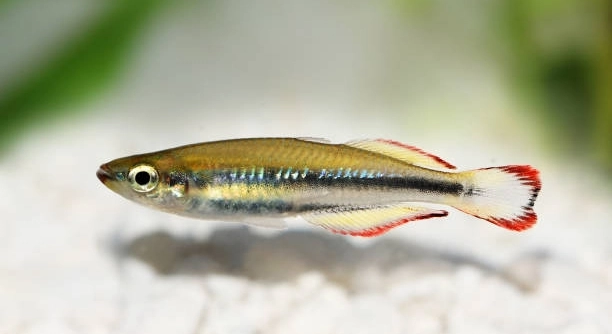
Many fish owners often think about whether their rainbowfish react to familiar sounds in their tank, noticing small patterns in movement that suggest awareness forming within the calm environment these colorful fish call home today.
Rainbowfish do not recognize their names in a human sense, but they can associate consistent sounds with feeding or interaction. Their responses arise from conditioning rather than personal identification, allowing predictable behavior patterns to develop within typical aquarium settings today.
This insight supports clearer observation of subtle movements, allowing a calm connection to form that highlights the charm rainbowfish bring.
Understanding Rainbowfish Responses
Rainbowfish rely on patterns and repetition to understand what happens around them, and this shapes how they react to the sounds you make near their tank. I have noticed how consistent habits lead them to approach the front glass whenever familiar noises appear. Their behavior grows more predictable when feeding times stay the same, allowing them to form links between sound and action. This is not name recognition, yet it feels rewarding to see them move with purpose as they learn these simple cues. By keeping a steady routine, you help them feel secure, which supports calmer swimming and smoother interactions. Their sensitivity to vibrations in the water also plays an important role, helping them detect soft taps or gentle movements nearby. Over time, these steady patterns guide their responses, creating a peaceful environment that encourages attention and small signs of awareness from each fish as they explore their space.
These patterns help you understand their reactions more clearly, making it easier to support their comfort. With steady routines, they respond with calm movements that show familiarity. Simple sounds become gentle cues that shape their behavior, helping you maintain a peaceful and predictable aquarium space each day in your home.
Rainbowfish thrive when their environment stays consistent, and sound associations can be a useful tool for building that stability. I like using soft taps or gentle rhythms to signal feeding, allowing them to link the sound with a predictable outcome. This keeps them attentive without causing stress. Their ability to sense vibrations makes these cues effective, supporting smoother interactions during routine care. Over time, these small practices help reinforce familiarity, creating a calm atmosphere around the tank. By keeping things steady and clear, you encourage healthy behavior that reflects their growing comfort within the space you create for them daily.
Training Sound Associations
Sound training works best when kept simple, allowing rainbowfish to form quick associations based on repeated cues. I prefer using brief, soft sounds that stay consistent each day, helping them connect the noise with feeding or attention without unnecessary stress building around their routine in a calm and steady way.
Creating sound associations for rainbowfish depends on consistency, gentle cues, and a calm environment that supports their natural sensitivity. These fish respond strongly to vibrations, so using soft patterns can help guide their behavior without overwhelming them. I like tapping lightly on the tank frame or using a subtle noise near the glass, keeping it the same each day so they learn what follows. This repetition builds familiarity, allowing them to approach calmly when they sense the cue. Keeping movements slow and predictable also supports their comfort, reducing unnecessary tension while they adjust to the routine. When sounds stay consistent, rainbowfish begin to show clearer patterns in their reactions, giving you a better understanding of how they interpret these signals. Feeding becomes smoother because they know what to expect, and maintenance tasks feel easier when they remain relaxed near the surface. Small details like lighting stability, reduced sudden noises, and a clean tank help reinforce the training by supporting steady behavior. Over time, these practices build a quiet structure that guides their activity, making interactions feel smoother. With a bit of patience and simple routines, you help them develop reliable responses that bring calm movement and attention to the aquarium.
How Environment Influences Their Reactions
Stable conditions keep rainbowfish responsive, helping them feel secure enough to react predictably to sounds you use around the tank. I like keeping lighting soft and avoiding sudden movements because this helps them stay calm while they process the small cues they hear or sense each day.
A steady environment shapes how clearly rainbowfish respond to repeated sounds, allowing them to build familiar patterns that guide their behavior. Clean water, smooth currents, and consistent feeding routines make them more comfortable, which strengthens their ability to link gentle cues with predictable outcomes. I keep noise levels low and handle maintenance slowly because quick changes disrupt their focus. When everything stays stable, their movements become easier to read, and I can tell when they feel relaxed or alert. This helps me use simple cues more effectively, which supports a peaceful tank atmosphere that encourages healthy activity.
Maintaining consistency also reduces their stress, helping them stay attentive during feeding or care. I notice how soft tapping or light vibrations draw their attention more clearly when the tank remains calm throughout the day. They rely heavily on sensing movement, so keeping their surroundings predictable helps them adjust without confusion. When water parameters stay balanced and lighting remains steady, they respond with smoother swimming and clearer patterns. This stability strengthens sound associations and helps them recognize your presence through movement and routine rather than identity. By keeping the environment steady, you give them the space to react more naturally.
How Routine Shapes Their Behavior
Simple routines strengthen their responses to familiar cues by giving them a stable structure they can rely on each day. I keep feeding times regular and use slow movements so they stay relaxed, helping them connect soft sounds with actions that feel steady and predictable in their tank.
Rainbowfish learn best through repetition, so maintaining the same routine each day helps them build reliable associations. I use one consistent sound before feeding, keeping it soft so they link it with a calm experience rather than stress. Over time, they start approaching the surface more confidently when they sense the cue. This process becomes smoother when their surroundings stay quiet and balanced. It also helps to keep tank maintenance at similar times because regular patterns reduce tension. When their routine stays familiar, rainbowfish move with clear intent and show signs of comfort that support their overall behavior. This steadiness helps them remain responsive and makes interactions feel easier.
Observing Subtle Communication
Small movements help you understand how rainbowfish react to familiar cues, especially when the tank stays calm. I watch for gentle shifts in swimming patterns because these often show recognition of a sound or vibration they have linked with feeding or attention.
Their reactions become clearer when routines stay steady, allowing simple cues to guide their behavior. I notice how soft sounds create slight changes in their swimming that feel more intentional when the environment remains predictable. These subtle responses help you understand what they connect with most.
Building Predictable Responses
Rainbowfish develop steady reactions through repetition, making consistency important when using sound or movement cues. I like keeping sounds soft, using them the same way each day so the fish link them with calm moments rather than stress. Their sensitivity to vibrations makes gentle cues more effective, especially when the tank environment stays balanced. Over time, their swimming patterns shift in ways that show recognition of the cue, offering clearer insight into what they have learned. Keeping routines simple supports smoother behavior, helping them stay comfortable and responsive during daily care.
Why Predictability Matters
Predictable patterns help rainbowfish feel secure, supporting clearer responses to the sounds and movements you use each day. When their environment stays steady, they react with calm behavior that shows their comfort and growing familiarity with your simple cues.
FAQ
Do rainbowfish recognize their name the way a dog or cat might?
Rainbowfish do not identify their name as a personal label, but they can link specific sounds with predictable outcomes. I have seen them respond to soft cues when those cues match a routine they already understand. Their reactions come from conditioning that forms through repetition, not from personal identification. When you keep your signals consistent, their responses become smoother and feel more intentional. This makes it easier to guide their behavior using simple cues that do not cause stress. Over time, they learn what to expect when they hear familiar sounds, even though they are not recognizing a name in the human sense.
Can rainbowfish learn new sound cues over time?
Rainbowfish can learn new cues when those cues stay steady and clear. They rely strongly on patterns, so you need to repeat the same sound before feeding or care. I like using soft taps or a gentle noise near the tank frame because they sense vibrations quickly. When these cues stay consistent, rainbowfish begin reacting with predictable movements that show their growing familiarity. Changing the cue too often confuses them, so sticking to one sound works best. Over time, they adjust to the new cue, especially when the environment is calm and the experience remains positive.
Why do my rainbowfish react differently on some days?
Their reactions shift based on stress levels, lighting, water quality, and any sudden activity around the tank. Rainbowfish are sensitive to quick changes, and even small disturbances affect their behavior. I see clearer responses on days when everything stays calm, especially when I move slowly near the tank. If their water parameters are off or the room is noisy, they become less responsive to cues. Stability plays the biggest role in their behavior. When the environment remains predictable, they react with smoother swimming patterns and show a clearer link between sound and response.
Is tapping on the tank dangerous for rainbowfish?
Soft tapping on the frame is usually fine, but tapping the glass directly can cause unnecessary stress. They sense vibrations strongly, so even a small tap feels intense to them. I prefer tapping the stand or gently touching the lid because these methods produce milder vibrations that help guide their attention without overwhelming them. Loud or sharp sounds should be avoided because they can startle the fish and disrupt their behavior. When you keep sounds soft and steady, they learn the cue without experiencing stress.
How long does it take for rainbowfish to associate a sound with feeding?
It usually takes a few days to a few weeks, depending on how consistent you are. Rainbowfish respond faster when the environment is calm and the routine never changes. I have seen mine approach the surface more confidently after a week of steady cues. Their learning speed varies, but repetition always helps. If you keep the cue gentle, follow the same timing, and avoid sudden changes, they learn much sooner. When everything stays predictable, they form strong associations that support smoother feeding habits.
Do rainbowfish respond to voice tones or only vibrations?
They react mainly to vibrations, but certain voice tones may create vibrations they can sense. They are not recognizing the voice itself, yet they might respond to the rhythmic pattern or softness of the sound. I find that soft speaking near the tank sometimes draws their attention, especially when paired with a routine they already know. Loud voices create strong vibrations that disrupt their comfort. Keeping tones gentle supports calmer reactions, although their response comes from sensing movement in the water rather than interpreting speech.
Can multiple rainbowfish learn the same cue at once?
Yes, a group can learn the same cue when the environment stays stable. Rainbowfish often follow each other’s movements, so one fish responding can encourage others to follow. I see this happen during feeding when a consistent sound leads the whole group to move toward the surface. Their social behavior helps reinforce these patterns because they observe one another closely. When routines stay steady, the whole group learns together, creating predictable responses that make tank care easier and more enjoyable.
Final Thoughts
Caring for rainbowfish becomes easier when you understand how much consistency influences their behavior. I have learned that even small routines help them feel safe, making their reactions clearer and more predictable. These fish depend on steady patterns to make sense of basic cues, and keeping their environment calm supports every part of that process. When lighting stays gentle, when the water remains clean, and when sounds around the tank stay soft, they respond with calm swimming that reflects their comfort. I always try to move slowly near the tank because quick motions disrupt the stability they need. Over time, these habits create a peaceful space that allows them to focus on familiar cues without feeling overwhelmed. Their sensitivity becomes an advantage when everything around them remains balanced, guiding their behavior in ways that feel natural and steady.
Repeated routines shape the bond you build with them, even though it is not personal recognition in the way people often imagine. Their reactions come from patience, consistency, and patterns they experience throughout each day. I find it rewarding to see how they move with purpose when they sense a familiar vibration or gentle sound. These small responses show how much they rely on their surroundings to understand what will happen next. When I keep feeding times regular, they show clearer signs of awareness, approaching the front of the tank with smooth and attentive movements. Their behavior becomes easier to read, which makes daily care feel more connected and less rushed. Stability allows their natural patterns to come forward, giving you a better sense of how they interpret subtle cues. This makes the interaction more enjoyable because you can see how your routines support their comfort.
Staying consistent also supports their long term well being, helping them grow with confidence as they adapt to simple cues. I always try to maintain the same quiet atmosphere around their tank because this gives them the clarity they need to react calmly. When water quality stays stable and daily patterns remain steady, rainbowfish show healthier behavior overall. They swim more confidently, respond more smoothly, and display clearer patterns that reflect their growing comfort. Over time, these steady habits form the backbone of a peaceful tank environment. Even though they cannot understand names or personal labels, they still learn to respond in predictable ways that bring a sense of calm to both the fish and the person caring for them. By supporting their environment with patience and consistency, you help them thrive in a way that feels natural and balanced.

Hello,
If you enjoy the content that we create, please consider saying a "Thank You!" by leaving a tip.
Every little bit helps us continue crafting quality advice that supports the health, happiness, and well-being of pets around the world, for pets of all shapes, sizes, and species.
We really appreciate the kindness and support that you show us!