
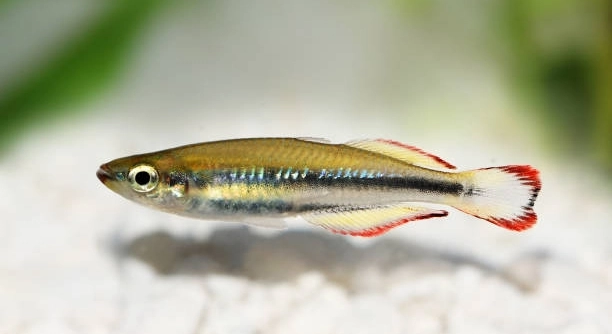
Have you ever noticed how bright and shiny aquarium gravel can look in your fish tank? Rainbowfish often swim around it, catching light on their scales. Their vivid colors make any tank appear lively and cheerful.
Rainbowfish generally respond positively to colorful gravel. Studies indicate that brightly colored substrates can enhance their natural coloration and encourage more active swimming behaviors, although overly contrasting colors may occasionally cause minor stress in certain individuals.
Choosing the right gravel can affect your tank’s appearance and your fish’s comfort. Small adjustments can lead to a healthier, more vibrant environment for rainbowfish.
Choosing the Right Gravel Color
When I first set up my rainbowfish tank, I realized that gravel color makes a bigger difference than I expected. Neutral colors like gray or beige let the fish’s natural hues stand out without causing stress. Brightly colored gravel can make a tank look fun, but it’s important not to overdo it. Rainbowfish are sensitive to sudden changes, so introducing a new substrate slowly helps them adjust. I’ve noticed that when the gravel matches or complements their scales, the fish seem more relaxed and active. Smooth, rounded gravel is easier for them to swim around and reduces the risk of injury. Cleaning also becomes simpler with a well-chosen substrate. Overall, picking a gravel color is about balance. It should enhance the tank visually without overwhelming the fish, keeping their environment calm yet visually appealing, which supports their well-being and natural behavior.
Gravel that is too bright or mismatched can sometimes make rainbowfish shy or hide more often.
Matching gravel with the fish’s colors encourages natural behavior. It creates a calmer, visually cohesive tank, making your maintenance routine easier and more enjoyable. Fish display better colors when they feel comfortable, which also helps them interact more naturally with each other. Choosing the right substrate is not just about looks—it’s about their environment and daily habits. Observing how your rainbowfish respond to different textures and shades can guide future adjustments, keeping them active and healthy. A well-considered substrate contributes to a lively and balanced aquarium where fish can swim freely without stress.
How Gravel Affects Fish Behavior
Rainbowfish respond differently to various gravel textures.
Gravel type impacts swimming patterns and territorial behavior. Smooth, rounded gravel allows for free movement, while jagged or large pieces can make the fish hesitant to explore. Bright colors can stimulate activity but may also cause stress in sensitive individuals. In my experience, rainbowfish tend to spend more time near gravel that complements their colors and is comfortable under their fins. Substrate depth also matters—shallow layers encourage movement across the tank, while deep layers may lead to hiding or reduced activity. Observing these behaviors can guide adjustments in both color and texture, ensuring fish feel safe. By paying attention to gravel choices, you can create an environment that balances aesthetics with fish welfare, helping them thrive naturally in the aquarium. Proper substrate selection enhances tank maintenance, encourages natural swimming patterns, and supports the overall health of rainbowfish, making the aquarium more enjoyable for both the fish and the caretaker.
Gravel and Water Quality
Gravel can trap food and waste, affecting water quality if not cleaned regularly. Smooth, small gravel is easier to vacuum and prevents harmful buildup.
I’ve noticed that maintaining clean gravel keeps my rainbowfish active and healthy. Uneaten food can quickly decay, producing ammonia and affecting water chemistry. Choosing the right gravel size and type makes cleaning easier and reduces stress on the fish. Regular vacuuming helps maintain balance in the tank and prevents odors or algae growth. Even with proper filtration, gravel maintenance is essential for a safe environment. Observing my fish, I can tell when the substrate needs attention, as they become less active or start hiding.
The type of gravel also impacts how water flows through the tank. Fine gravel may compact, slowing filtration, while larger stones allow better circulation. Proper cleaning routines ensure rainbowfish remain vibrant, and the tank stays visually appealing. Consistent care promotes natural behaviors and reduces health risks associated with poor water quality.
Bright vs. Neutral Gravel
Bright gravel can make colors pop but may overwhelm shy fish. Neutral shades feel calmer and more natural.
I’ve tried several gravel colors, and rainbowfish respond differently. Bright shades sometimes make them hesitant to swim freely, while muted tones encourage exploration. Matching gravel with natural tank elements reduces stress and creates a peaceful environment. Behavior changes, like increased hiding or reduced feeding, often indicate a poor choice in color. Balancing vibrancy with comfort ensures the fish feel secure and look their best.
Neutral or complementary gravel can also make tank maintenance easier. Lighter colors show debris, prompting more frequent cleaning, whereas darker substrates hide dirt but may require extra attention to prevent buildup. Observing the fish’s reactions helps adjust color choices over time, creating a healthy and visually pleasing habitat. Proper gravel selection supports feeding habits, territorial behavior, and overall activity, contributing to a thriving rainbowfish aquarium.
Gravel and Fish Stress
Sharp or uneven gravel can make rainbowfish cautious and nervous. Smooth, rounded stones create a safer, more comfortable environment for swimming.
Sudden changes in gravel color or texture may cause temporary stress. Gradual introductions help fish adjust without impacting their behavior or appetite.
Gravel Placement Tips
Placing gravel evenly across the tank prevents debris buildup in corners. Layers of 1–2 inches work best, allowing plants to root and fish to move freely. Proper placement improves filtration efficiency and reduces hiding spots that may cause territorial disputes.
Gravel and Feeding
Small gravel makes feeding easier. Fish can pick at food without it falling between large gaps.
Cleaning Gravel
Regular vacuuming removes debris and maintains water quality. Consistent cleaning supports healthy fish behavior and prevents buildup that could harm the tank ecosystem.
FAQ
Do rainbowfish prefer bright or neutral gravel?
Rainbowfish respond best to gravel that complements their natural colors. Bright gravel can make their scales appear more vivid, but too much contrast may stress shy fish. Neutral colors like gray, beige, or soft sand allow them to feel secure while still showing off their vibrant hues. Over time, I’ve found that mixing subtle tones with small accents of color works well, providing visual interest without overwhelming the fish. Observing your fish’s behavior after changing gravel is important; if they hide or swim less, it’s a sign the substrate may be too intense.
Can gravel affect rainbowfish health?
Yes, gravel plays a role in tank health. Uneaten food and waste can settle in the substrate, leading to ammonia buildup and water quality issues. Smooth, small gravel makes cleaning easier, reducing the risk of harmful bacteria. I noticed that when I maintained clean gravel regularly, my rainbowfish were more active and displayed stronger colors. Proper substrate also supports plant roots, improving oxygen levels and overall tank balance. Choosing the right type and maintaining it ensures a healthier environment and reduces stress-related illnesses.
How often should I clean gravel?
Cleaning depends on tank size, fish count, and feeding habits. Typically, vacuuming the gravel during weekly water changes keeps waste under control. I usually remove debris from the top layer and stir the substrate gently to prevent compacting. Deep cleaning once a month is enough for most tanks. Over-cleaning can disturb beneficial bacteria, while under-cleaning leads to odors and unhealthy water conditions. Observing the tank’s clarity and the fish’s activity helps determine when cleaning is necessary.
Is there a best gravel size for rainbowfish?
Small to medium-sized gravel works best. Fine gravel allows for natural foraging, while larger stones may trap food and waste. I prefer smooth stones about 2–5 millimeters in diameter; they’re safe for fins and easy to clean. Very large or jagged gravel can stress rainbowfish and make them hesitant to explore the tank. Gravel size also affects plant stability, so choosing an appropriate depth and texture keeps both fish and plants healthy.
Can rainbowfish adapt to new gravel?
Yes, but it should be gradual. I introduce new substrate slowly, mixing it with the old gravel for a few days before completely replacing it. Sudden changes in color or texture can cause stress, leading to hiding or reduced feeding. Watching how the fish react helps ensure they adjust comfortably. Proper acclimation reduces stress and allows them to continue displaying natural behaviors.
Does gravel influence fish color?
Gravel indirectly affects color. Comfortable, low-stress environments allow rainbowfish to display brighter hues. Certain colors, like soft blues or sandy tones, can enhance natural shades without overstimulating them. I’ve noticed that my fish look more vibrant on neutral gravel compared to overly bright or mismatched substrates. Stress from unsuitable gravel can dull colors, while well-chosen gravel promotes healthy, lively displays.
Are there gravel alternatives for rainbowfish?
Yes, sand or fine substrates can work, especially for planted tanks. Sand prevents food from sinking too deep and is gentle on fins. I’ve tried both sand and small gravel, and rainbowfish respond well to either as long as it’s smooth and clean. Layering sand with a few decorative stones also adds visual interest without compromising comfort or water quality. Proper maintenance ensures these alternatives remain safe and functional.
Can gravel affect fish behavior over time?
Absolutely. Substrate influences hiding, swimming, and territorial behavior. I’ve observed that rainbowfish are more active on gravel that feels natural and secure. Overly bright or rough gravel can lead to hiding or skittish movements. Maintaining a balanced environment encourages consistent feeding, social interaction, and natural swimming patterns. Observing long-term responses is key to creating a stable, comfortable habitat.
Should gravel match aquarium decorations?
It helps create a cohesive and calm environment. Matching colors with rocks, plants, or ornaments reduces visual stress. I usually choose subtle tones for the base and add small accent pieces for variety. Harmonizing gravel with tank décor supports natural behavior and keeps the tank visually pleasant. Fish appear more relaxed, and it’s easier to monitor health and activity.
How do I know if gravel is causing stress?
Signs include hiding, reduced swimming, loss of appetite, or faded colors. I noticed that my rainbowfish became more active and colorful once I switched to smoother, neutral gravel. Observing behavior daily helps identify potential problems early, allowing for adjustments in substrate, lighting, or placement to ensure a healthy environment.
This FAQ covers practical aspects of gravel care and selection, providing guidance for healthier, happier rainbowfish in various tank setups.
Final Thoughts
Choosing the right gravel for rainbowfish is more important than it might seem at first. Gravel is not just a decorative part of the tank; it affects how the fish behave, how healthy they are, and how easy it is to maintain the aquarium. Smooth, rounded gravel in small to medium sizes provides a safe surface for swimming and foraging. Bright or overly contrasting colors may look fun, but they can make some rainbowfish feel stressed, especially if they are naturally shy. Neutral colors like beige, gray, or soft brown often work best because they allow the fish’s natural colors to stand out without overwhelming them. I have learned that mixing subtle tones with small accents of color can keep the tank visually interesting while still supporting the fish’s comfort. Choosing the right gravel also helps plants grow well. Many aquarium plants need stable substrate to anchor their roots. Proper gravel depth, usually around one to two inches, allows plants to root while still letting the fish move freely. This balance improves the overall tank environment and supports the health of both fish and plants. Over time, I’ve seen how the right substrate keeps my rainbowfish more active, playful, and colorful.
Cleaning and maintaining gravel is just as important as choosing the right type. Uneaten food and waste can get trapped between stones, which may cause water quality problems if left unattended. Smooth, small gravel is easier to vacuum, making weekly maintenance more straightforward. Over-cleaning can disturb beneficial bacteria, while under-cleaning can allow harmful buildup, so it’s about finding the right routine. Watching the fish gives clues about when the gravel needs attention. If they start hiding, swim less, or seem less vibrant, it may be time to clean or adjust the substrate. Consistent maintenance keeps the water healthier, the fish more comfortable, and the tank looking better. Gravel affects water flow and filtration too, so keeping it properly arranged and clean ensures the tank remains balanced and safe. When I follow a regular cleaning routine, my rainbowfish show more natural behaviors and appear healthier overall.
Gravel also has a strong influence on fish behavior and long-term comfort. Substrate that feels natural encourages swimming, exploration, and social interaction. Fish are more likely to feed well and interact normally when they feel secure in their environment. Choosing gravel that matches or complements the tank decorations reduces visual stress, creating a calm setting where rainbowfish can thrive. Watching how they respond to different textures, colors, and layouts helps guide future adjustments. Small changes, like adding a few smooth stones or mixing subtle colors, can make a noticeable difference in activity levels and overall well-being. A well-thought-out substrate contributes to a balanced, healthy aquarium, supporting vibrant colors, natural behaviors, and a comfortable living space. Taking the time to select and care for gravel is a simple step that benefits both the fish and the overall tank environment. By focusing on these small but important details, rainbowfish can live in a healthier, more visually pleasing, and stress-free habitat.
Word count: 414

Hello,
If you enjoy the content that we create, please consider saying a "Thank You!" by leaving a tip.
Every little bit helps us continue crafting quality advice that supports the health, happiness, and well-being of pets around the world, for pets of all shapes, sizes, and species.
We really appreciate the kindness and support that you show us!