
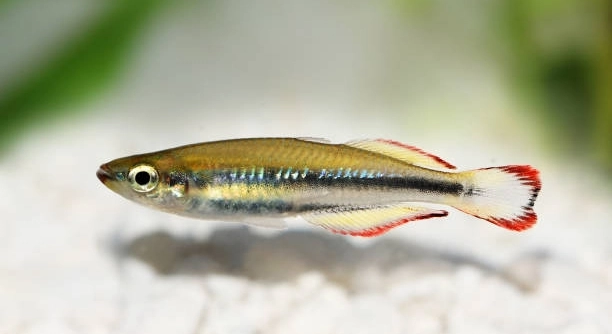
Have you ever noticed your rainbowfish swimming eagerly during feeding times? Keeping a regular schedule can help them feel secure and thrive. Feeding routines are more important than many first-time fish owners might realize.
Rainbowfish need routine feeding to maintain stable growth, prevent malnutrition, and support their natural behaviors. Consistent feeding ensures proper energy levels, reduces stress, and helps maintain water quality, all of which contribute to their overall health and longevity.
Maintaining a steady feeding schedule can make a noticeable difference in your rainbowfish’s activity and wellbeing over time. It also simplifies daily care and helps create a harmonious aquarium environment.
Consistent Nutrition Supports Growth
Feeding rainbowfish at regular times helps their bodies grow evenly and stay healthy. When they eat on a schedule, their digestive systems function more efficiently, allowing them to absorb nutrients better. Overfeeding or skipping meals can cause stress, reduce growth rates, and sometimes lead to illness. Young rainbowfish especially benefit from predictable meals, as their bodies need a steady supply of protein and vitamins. Adult fish also maintain brighter colors and more energy when fed consistently. Observing your fish during feeding can give insight into their health. They may signal if they are hungry or stressed, and routine feeding can make these signs easier to notice. Even small, frequent meals help maintain proper metabolism and prevent digestive issues.
Regular feeding helps rainbowfish stay active and alert. Their colors appear brighter, and they tend to swim more confidently.
When rainbowfish are fed consistently, their immune systems are stronger, reducing the likelihood of disease. Stress is minimized because they know when food will appear, leading to calmer behavior and fewer aggressive interactions. Predictable meals also prevent overeating, which can pollute the tank and harm water quality. Keeping a feeding log can be useful to track habits and spot any changes in appetite or behavior. Over time, this routine creates a healthier, more balanced aquarium ecosystem where both fish and caretaker can observe growth and vitality clearly.
Reduces Stress and Aggression
Rainbowfish show less aggression when they receive food on a schedule.
A structured feeding routine reduces competition and fights among fish. When food is unpredictable, some fish may dominate, leaving others malnourished. Consistency ensures all fish have a fair chance to eat, promoting harmony. Stress-free environments encourage natural behaviors, like schooling and exploring, which can be enjoyable to observe. Feeding at the same times each day gives rainbowfish a sense of security and predictability. It also allows caretakers to notice subtle health issues early, such as lethargy or changes in appetite. Choosing the right type of food and portion sizes further supports calm interactions and minimizes waste. Overall, stress reduction improves growth, color, and overall vitality, while creating a smoother daily routine for anyone maintaining the aquarium.
Maintains Energy Levels
Rainbowfish remain active when fed at consistent times. Irregular feeding can make them sluggish or overly competitive for food.
Consistent feeding ensures rainbowfish have steady energy throughout the day. When meals are predictable, they can swim, explore, and interact naturally without sudden bursts of stress or fatigue. Energy levels affect how they respond to their environment, including interacting with plants, tank decorations, and other fish. Fish that are underfed or overfed may hide more often or display erratic movements, which can signal health issues. Proper nutrition supports muscle development and stamina, allowing them to stay lively and maintain proper swimming patterns. Predictable feeding also helps you notice subtle behavioral changes quickly, so you can adjust care if needed. Regular meals allow their bodies to metabolize food efficiently, supporting long-term vitality and keeping the tank environment balanced.
Feeding at set intervals prevents overeating and reduces waste in the tank. When rainbowfish know when food will appear, they eat more calmly, which minimizes leftover debris. Proper portions also help avoid obesity, swim bladder problems, and other health issues. Feeding multiple small portions can improve digestion and energy distribution. Over time, these habits promote a more vibrant, active fish population. Watching them respond energetically to meals also makes daily care more satisfying.
Supports Color and Appearance
Routine feeding contributes to brighter, more vivid colors in rainbowfish. Their natural pigments show more clearly with proper nutrition.
A consistent diet provides essential nutrients that directly impact the intensity of a rainbowfish’s coloration. Carotenoids and proteins in their food support skin, scales, and overall appearance. Fish fed irregularly may appear dull or pale because their bodies conserve energy and nutrients rather than using them for coloring. Feeding at predictable times also ensures each fish receives adequate food without competition diminishing nutrient intake. Balanced meals enhance not only color but also fin condition, making them less prone to tears or damage. Healthy fish display brighter scales, more defined patterns, and improved overall appearance, which reflects good care. Vitamins like A, C, and E support skin health, while a mix of dry and live foods maintains natural vibrancy. Over time, attentive feeding habits result in a visually striking aquarium where rainbowfish shine naturally.
Prevents Overfeeding
Routine feeding helps control portion sizes. Overfeeding can lead to obesity, water pollution, and health problems in rainbowfish.
By sticking to a feeding schedule, each fish gets just enough food. This prevents leftover particles from decomposing in the tank, which can harm water quality and encourage algae growth.
Encourages Natural Behavior
Feeding at regular times allows rainbowfish to develop normal routines. They swim, school, and explore predictably, showing behaviors closer to their natural instincts. This makes their daily activity patterns easier to observe and maintain, keeping the tank environment balanced and lively.
Supports Digestive Health
Consistent feeding reduces digestive issues. Irregular meals can cause bloating or constipation in rainbowfish, while routine feeding allows proper metabolism and nutrient absorption. Regular portions improve overall gut function and prevent sudden stress on the digestive system, promoting healthier growth and activity.
Strengthens Immunity
Feeding rainbowfish properly at regular intervals helps maintain strong immune systems. Predictable nutrition allows their bodies to fight infections more effectively and recover faster from minor illnesses, supporting overall longevity.
How often should I feed my rainbowfish?
Rainbowfish do best with small, frequent meals throughout the day. Most caretakers feed them two to three times daily. Overfeeding at once can stress their digestive system and pollute the tank, while underfeeding may leave them weak or pale. Dividing the daily food into manageable portions ensures they get consistent nutrition and stay active. Young fish may need slightly more frequent meals, while adults can thrive on a regular twice-daily schedule. Observing their behavior during feeding helps determine if adjustments are needed. Feeding at roughly the same times each day also reduces stress and encourages natural activity patterns.
What type of food is best for rainbowfish?
Rainbowfish thrive on a mix of high-quality dry flakes, pellets, and live or frozen foods. Flakes and pellets provide essential vitamins and minerals, while live foods like brine shrimp, daphnia, or bloodworms stimulate natural hunting instincts and improve coloration. Frozen options are convenient and help vary their diet. A balanced mix of protein, vitamins, and occasional plant matter supports growth, immune health, and vibrant colors. Avoid feeding only one type of food, as it can lead to nutrient deficiencies. Rotating food types keeps rainbowfish healthy and prevents boredom during feeding. Fresh, clean portions reduce waste in the tank.
Can I overfeed my rainbowfish?
Yes, overfeeding is a common mistake. Excess food leads to obesity, poor water quality, and increased risk of diseases like swim bladder issues or digestive problems. Leftover food decomposes, creating ammonia spikes that stress fish and encourage algae growth. Feeding smaller portions multiple times per day prevents overfeeding. It’s better to offer less and supplement if they finish quickly than to give large amounts at once. Observing their behavior is key; healthy fish eat eagerly but leave little leftover behind. Regular tank maintenance also helps manage the effects of accidental overfeeding, keeping the environment safe for all inhabitants.
What should I do if my rainbowfish refuses to eat?
Refusal to eat can signal stress, illness, or poor water quality. Check the tank conditions, including temperature, pH, and cleanliness. Introduce a variety of foods to stimulate appetite, such as live or frozen options. Feeding smaller amounts more frequently can encourage reluctant eaters. Sometimes new fish take a few days to acclimate before accepting food. Monitor for other signs of illness like lethargy, discoloration, or unusual swimming patterns. If refusal continues, isolate the fish for observation or consult a veterinarian experienced with aquarium species. Regular feeding schedules help prevent sudden refusal due to hunger confusion or tank stress.
Is it necessary to adjust feeding for young versus adult rainbowfish?
Yes, young rainbowfish require more frequent meals to support rapid growth and development. Adults need consistent nutrition but can thrive on slightly fewer daily feedings. Adjusting portion size and frequency ensures each life stage receives adequate nutrients. Young fish digest food faster, so smaller, repeated meals help maintain energy and prevent malnutrition. Adult rainbowfish may need slightly larger portions per meal but still benefit from routine feeding. Observing growth, activity levels, and coloration provides feedback on whether feeding amounts are appropriate for each stage. Properly timed meals reduce stress and improve long-term health.
How do I know if my rainbowfish are eating enough?
Healthy rainbowfish are active, swim confidently, and display bright colors. They eagerly approach food during feeding and maintain steady body weight. Leaving minimal uneaten food in the tank is a good sign they are receiving the right amount. Sudden lethargy, fading colors, or skinny bodies may indicate underfeeding, while bloating or leftover food suggests overfeeding. Tracking their feeding habits and observing behavior over several days helps identify patterns. Adjust portions gradually based on appetite and activity, ensuring all fish have a chance to eat. Consistent feeding routines make it easier to monitor these signs effectively.
Can routine feeding improve my rainbowfish’s lifespan?
Yes, routine feeding contributes to longer, healthier lives. Regular nutrition supports growth, immune health, and natural behavior, reducing stress and disease susceptibility. Consistency prevents digestive and metabolic problems caused by irregular meals or overfeeding. A predictable feeding schedule keeps the tank environment stable, improving water quality and reducing stress triggers. Healthy, well-nourished rainbowfish tend to be more active, show brighter colors, and recover faster from minor illnesses. Maintaining routine feeding alongside proper tank care creates a supportive environment where rainbowfish can thrive, ultimately increasing their longevity and overall quality of life.
Should I fast my rainbowfish occasionally?
Occasional fasting, once a week, can be beneficial to their digestive system. It helps prevent bloating and allows their metabolism to reset. Skipping one meal does not harm healthy fish but should not be overdone. Regular feeding routines with small, controlled portions remain the main approach to ensure proper nutrition. Fasting also helps maintain water quality by reducing uneaten food. Monitor fish during fasting days to ensure they remain active and stress-free. This practice complements a balanced diet and supports long-term digestive health, helping rainbowfish stay vibrant and energetic without disrupting their normal routines.
How do I handle feeding multiple rainbowfish at once?
Feed small, distributed portions to ensure each fish gets enough without creating competition. Observing their behavior helps prevent dominant individuals from taking most of the food. Using multiple feeding spots or scattering food across the tank reduces conflicts. Adjust portions and frequency as needed based on appetite. Regular routines keep feeding calm and organized, reducing stress and maintaining tank balance. Consistent monitoring ensures that all fish grow evenly and maintain good health. Over time, they learn the routine, creating a smoother feeding experience that supports natural behavior, energy, and coloration for the entire group.
Can the type of food affect feeding routine?
Yes, the texture, size, and nutritional content influence how rainbowfish respond to meals. Some fish prefer flakes, while others thrive on live or frozen foods. Adjusting portion size and frequency based on the type of food ensures proper digestion and nutrient absorption. Mixed diets also prevent boredom and support vibrant colors, energy, and immune function. Observing their reaction to different foods helps fine-tune the routine. Certain foods break down faster, requiring more careful monitoring to avoid water contamination. Balanced, varied meals combined with a consistent feeding schedule promote long-term health and predictable behavior in rainbowfish.
Can feeding at irregular times harm my rainbowfish?
Irregular feeding disrupts metabolism and behavior, causing stress and possible malnutrition. Fish may become aggressive or lethargic when food is unpredictable. Routine feeding ensures all fish receive adequate nutrition and helps maintain water quality by preventing excess uneaten food. Regular schedules support natural swimming patterns, immune function, and overall vitality. Fish adapt quickly to consistent routines, and sudden changes can lead to temporary confusion or overeating. Maintaining predictable feeding times reduces competition, stress, and digestive problems, allowing rainbowfish to thrive. Consistency in feeding is as important as water quality in keeping them healthy and active.
What is the best way to monitor feeding effectiveness?
Observe fish during and after meals. Healthy fish eat eagerly, leave minimal leftovers, and show active swimming behavior. Track growth, color, and energy levels over time. Adjust portions gradually if food remains uneaten or if fish appear underfed. Keeping a simple log of feeding times, types, and amounts helps detect patterns or issues early. Monitor water quality to ensure leftover food does not pollute the tank. Checking fish behavior daily allows for timely adjustments to portion size or frequency. Routine observation ensures that all fish receive proper nutrition and maintain optimal health.
Maintaining a regular feeding routine for rainbowfish is one of the most important steps in caring for them. Consistency in feeding helps their bodies grow properly, keeps their immune systems strong, and supports natural behavior. When rainbowfish know when to expect food, they are less stressed and more active. They swim confidently, interact normally with other fish, and display their colors more vividly. Feeding at unpredictable times or giving too much food at once can lead to health problems, including digestive issues, bloating, and poor water quality. Overfeeding increases waste in the tank, which can cause ammonia spikes and encourage algae growth, making the environment less safe for the fish. By feeding smaller amounts at set times, each fish gets a chance to eat, and the tank remains cleaner and healthier.
A structured feeding schedule also allows caretakers to monitor the health of their rainbowfish more effectively. Observing fish during feeding can reveal subtle changes in behavior, energy, or appetite that might indicate illness or stress. Young rainbowfish benefit especially from routine feeding because their bodies are still growing and require a steady supply of nutrients. Adult fish maintain energy levels and vibrant coloration with proper nutrition. Using a mix of dry, frozen, and live foods ensures that the fish receive a balanced diet. Variety is important because it provides essential vitamins and minerals while stimulating natural instincts like hunting and foraging. Keeping meals consistent in portion size and timing helps rainbowfish maintain stable digestion, reduces the risk of overfeeding, and encourages calm, predictable behavior in the tank.
Routine feeding also contributes to long-term health and overall well-being. Fish that are fed regularly tend to live longer, stay more active, and display stronger immune responses. A predictable feeding pattern reduces stress, which is a common factor in illness and shortened lifespans. It also promotes harmony within the tank by preventing aggressive competition for food, which can occur when meals are irregular. Over time, a structured routine makes aquarium care easier because it becomes a natural part of daily life. Maintaining consistent feeding, combined with regular water changes and proper tank maintenance, creates an environment where rainbowfish can thrive, grow steadily, and remain vibrant. Paying attention to their nutrition ensures not only their health but also a more enjoyable and manageable aquarium experience for the caretaker.

Hello,
If you enjoy the content that we create, please consider saying a "Thank You!" by leaving a tip.
Every little bit helps us continue crafting quality advice that supports the health, happiness, and well-being of pets around the world, for pets of all shapes, sizes, and species.
We really appreciate the kindness and support that you show us!