
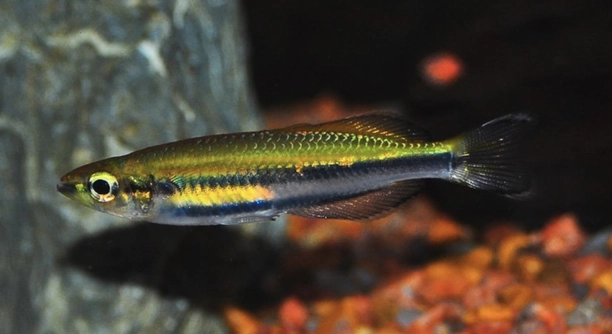
Rainbowfish are known for their vibrant colors and lively behavior, making them a popular choice for home aquariums. Observing them interact can be a joyful experience, yet sometimes they may appear withdrawn or avoid other fish.
Rainbowfish may not socialize due to stress, insufficient tank size, poor water quality, or a lack of compatible companions. Environmental factors and individual temperament significantly influence their willingness to interact, affecting both their activity levels and social behaviors in the aquarium.
Understanding these factors will help you create a comfortable environment and promote healthy interactions among your rainbowfish in their aquatic habitat.
Common Causes of Rainbowfish Withdrawal
Rainbowfish can become withdrawn for several reasons. Stress is a major factor, often caused by sudden changes in water temperature or poor water quality. Inadequate tank size also limits their ability to explore and interact. Overcrowding or incompatible tank mates can further discourage social behavior. Some rainbowfish have naturally shy temperaments, making them slower to engage with other fish. Nutrition plays a role too; a diet lacking variety can affect energy levels and overall health. Lighting and tank decorations influence comfort, as rainbowfish prefer spaces that allow hiding while swimming freely. Observing behavior regularly helps identify patterns. By monitoring water parameters, feeding routines, and tank dynamics, owners can detect early signs of withdrawal. Gentle adjustments to the environment can reduce stress and encourage activity. Creating a stable, well-structured habitat supports socialization. Over time, consistent care improves confidence and interaction. Each rainbowfish responds differently, so patience is key to fostering a harmonious aquarium environment.
Stress, improper diet, or environmental issues often prevent rainbowfish from interacting naturally with tank mates.
Shy or stressed rainbowfish may retreat behind plants or decorations. Providing a calm, well-maintained environment encourages them to become more active and sociable, improving overall aquarium dynamics.
Improving Social Behavior in Rainbowfish
Providing a suitable tank environment is essential. Adequate space allows rainbowfish to swim freely, reducing stress. Maintaining stable water parameters, such as temperature, pH, and cleanliness, is critical for health and confidence. Introducing compatible companions gradually helps prevent aggression. Plants, hiding spots, and open swimming areas create a sense of security while encouraging exploration. Feeding a varied diet ensures proper nutrition, boosting energy and overall well-being. Observing behavior regularly allows early intervention if issues arise. Consistency in care builds trust and encourages natural social interactions. Avoid sudden changes in lighting or decorations, as these can cause fear and withdrawal. Some rainbowfish need time to adjust to new companions or environments, so patience is important. By combining proper tank setup, nutrition, and observation, owners can foster a more interactive and lively aquarium. Regular attention to these factors supports both individual and group behavior in rainbowfish, leading to a healthier, more engaging habitat.
Tank Conditions and Their Impact
Poor water quality can make rainbowfish stressed and withdrawn. High ammonia or nitrite levels, incorrect pH, or sudden temperature changes affect their willingness to socialize. Regular water testing and adjustments are essential for maintaining a healthy environment.
Consistent tank maintenance ensures rainbowfish remain active and engaged. Filtration, regular water changes, and monitoring chemical levels prevent harmful conditions that trigger stress. Overcrowding limits swimming space and can increase aggression, further reducing social behavior. Adequate tank size and careful selection of tank mates help establish a stable hierarchy, allowing rainbowfish to feel secure. Even small changes, like rearranging decorations or adding hiding spots, can influence comfort and encourage interaction. Observing their behavior over time reveals whether adjustments are effective.
Lighting and tank layout influence rainbowfish activity. Dim or uneven lighting may cause them to hide more often. Providing natural light cycles and open swimming areas encourages confidence. Plants and decor should balance shelter with space for movement. Consistent routines in feeding, cleaning, and environment maintenance also reduce stress. By carefully managing tank conditions, rainbowfish are more likely to engage with their companions, display normal behaviors, and enjoy a calmer, healthier habitat. These small adjustments make a noticeable difference in their social habits.
Diet and Nutrition Effects
A poor diet directly affects rainbowfish behavior. Limited variety or insufficient nutrients can reduce energy, making them less likely to interact with others. A balanced diet is essential for overall well-being.
Feeding a mix of high-quality flakes, pellets, and occasional live or frozen foods provides necessary vitamins and proteins. Overfeeding should be avoided, as excess waste impacts water quality, creating stress. Regular feeding schedules maintain energy levels and help fish anticipate meals, which encourages natural activity. Observing their eating behavior can indicate health problems early, as lethargic or picky eaters may be unwell. Supplements like spirulina or daphnia enhance coloration and vitality, indirectly supporting social engagement. A nutritious diet combined with proper tank care creates a more confident and lively group of rainbowfish.
Stress and Environmental Changes
Sudden changes in water temperature or pH can make rainbowfish anxious. Moving decorations or adding new tank mates too quickly may also trigger stress, causing them to hide and avoid interaction.
Stress can be subtle, like reduced swimming or staying in corners. Maintaining a stable environment helps rainbowfish feel secure, encouraging them to explore and socialize naturally.
Compatible Tank Mates
Rainbowfish are generally peaceful, but aggressive or territorial species can intimidate them. Choosing calm, similarly sized companions prevents bullying and promotes interaction. Maintaining a balanced number of fish per tank ensures harmony. Careful observation of behaviors when introducing new fish helps identify potential issues early, allowing adjustments before stress escalates.
Observation and Monitoring
Regularly watching rainbowfish behavior allows early detection of withdrawal or health concerns. Noticing patterns in activity, feeding, and interaction helps maintain a thriving tank environment.
FAQ
Why is my rainbowfish hiding all the time?
Rainbowfish often hide when stressed, scared, or unwell. Sudden changes in water temperature, pH, or new tank decorations can trigger this behavior. Overcrowding or aggressive tank mates may also cause them to retreat. Ensuring a stable environment, adequate hiding spots, and compatible companions encourages more confident behavior over time.
How can I encourage my rainbowfish to socialize?
Providing enough space for swimming and exploration is essential. Stable water conditions, proper lighting, and a balanced diet help build confidence. Introducing new tank mates slowly and offering hiding spots allows rainbowfish to feel secure, gradually encouraging interaction with other fish. Observing behavior and maintaining routines supports natural socialization.
Can tank size affect rainbowfish behavior?
Yes, rainbowfish require sufficient space to swim freely. Small tanks can increase stress, limit movement, and reduce social interaction. A properly sized tank with open swimming areas and plants for shelter promotes healthier, more active fish. Overcrowding should always be avoided to maintain balance and reduce conflict.
Does water quality impact their social behavior?
Absolutely. Poor water quality, such as high ammonia, nitrite, or nitrate levels, causes stress and illness, leading rainbowfish to withdraw. Regular testing, filtration, and partial water changes ensure a safe environment. Stable temperature and pH levels are critical to promoting confidence and natural activity.
How important is diet for social behavior?
A balanced, varied diet directly affects energy levels and health. High-quality flakes, pellets, and occasional live or frozen foods provide necessary nutrients. Overfeeding should be avoided, as excess waste can harm water quality and increase stress. Proper nutrition encourages active swimming and interaction.
Will rainbowfish ever become fully social if shy?
Some rainbowfish are naturally more reserved, but patience and consistent care help them engage gradually. Stable tank conditions, compatible companions, and a calm environment reduce stress and allow shy fish to interact over time. Individual temperament plays a role, so progress may vary.
Can lighting and tank decorations influence social behavior?
Yes, rainbowfish respond to both. Dim or harsh lighting may make them hide, while well-placed plants and open areas balance safety with freedom to swim. Decorations provide shelter but should not overcrowd the tank, allowing fish to explore and interact comfortably.
How do I know if a rainbowfish is stressed or sick?
Signs include hiding, loss of appetite, sluggish swimming, or faded colors. Sudden changes in behavior often indicate stress or illness. Regular observation, water testing, and proper nutrition help detect problems early. Quick intervention improves recovery and encourages normal social behavior.
Can adding new rainbowfish improve socialization?
Introducing additional rainbowfish can encourage group interaction, as they are schooling fish. Add new fish gradually, ensuring compatibility and monitoring behavior closely. Proper tank size and hiding spaces prevent conflict, allowing all rainbowfish to establish a comfortable hierarchy and interact naturally.
What small changes can I make to improve social behavior?
Adjust lighting, rearrange decorations for more open swimming space, maintain consistent feeding schedules, and provide balanced nutrition. Regularly observing behavior and making subtle environmental improvements helps rainbowfish feel secure and encourages social interaction, promoting a healthier, livelier aquarium.
Are there specific signs that show rainbowfish are starting to socialize?
Yes, signs include swimming together, following one another, showing curiosity toward tank mates, and exploring open areas. Increased activity and engagement during feeding are also good indicators. Gradual improvement over weeks suggests the environment supports social behavior and reduces stress.
How long does it take for rainbowfish to adjust to new tank mates?
Adjustment varies depending on temperament and tank conditions. Some fish adapt within days, while others may take weeks. Providing adequate space, hiding spots, and stable water parameters helps shorten the adjustment period, allowing rainbowfish to build confidence and interact comfortably.
Is it normal for some rainbowfish to remain shy?
Yes, individual temperament plays a role. Even in ideal conditions, some rainbowfish are naturally reserved. Respecting their personality, maintaining proper care, and avoiding unnecessary stress supports their health and can slowly encourage more social behavior without forcing interaction.
Can temperature fluctuations affect their social behavior?
Yes, rainbowfish are sensitive to sudden temperature changes. Consistent water temperature within their preferred range is crucial. Fluctuations can cause stress, reduce activity, and lead to hiding. Using a reliable heater and monitoring regularly promotes a stable environment conducive to social interaction.
Does schooling with other rainbowfish help reduce stress?
Yes, schooling provides a sense of security and encourages active swimming. Being in a group allows rainbowfish to engage naturally, reducing fear and promoting social behavior. Ensure all fish are compatible, the tank is spacious, and hiding areas are available for those who need them.
How often should I monitor my rainbowfish behavior?
Daily observation is ideal. Watching for changes in swimming, feeding, or interaction helps detect stress or health issues early. Noticing subtle differences allows timely adjustments to water, diet, or environment, ensuring rainbowfish remain active, social, and healthy.
Can seasonal changes affect their socialization?
Yes, changes in natural light and temperature patterns can influence activity levels. Maintaining consistent indoor conditions helps minimize stress. Adjust lighting schedules gradually and monitor water temperature to ensure rainbowfish remain comfortable and continue to interact with tank mates.
What role does tank hierarchy play in social behavior?
Rainbowfish establish a natural hierarchy to reduce conflict. Dominant and subordinate behaviors may appear, affecting interactions. Providing adequate space and hiding spots allows all fish to navigate social structure safely. Monitoring behavior ensures no fish is constantly stressed or isolated, promoting overall harmony.
Is it necessary to quarantine new rainbowfish?
Yes, quarantining new fish prevents the spread of disease and allows observation for abnormal behavior. A separate tank for two to four weeks ensures new arrivals are healthy before introducing them to the main tank, protecting existing rainbowfish and supporting stable socialization.
How do I encourage shy rainbowfish to explore more?
Offer hiding spots initially, then gradually create open areas for swimming. Maintain stable water conditions, provide a balanced diet, and keep interactions with tank mates gentle. Slowly reducing stressors helps shy fish gain confidence and engage with others, enhancing social behavior naturally.
Can overcleaning or rearranging the tank cause withdrawal?
Yes, sudden changes in tank layout or excessive cleaning can disrupt familiar territories, causing stress. Gradual adjustments and maintaining some consistent structures allow rainbowfish to adapt without withdrawing, ensuring comfort and continued interaction with their environment and companions.
How important is routine for rainbowfish social behavior?
Consistent routines for feeding, cleaning, and monitoring water conditions create a stable environment. Predictability reduces stress and encourages active behavior. Rainbowfish thrive when daily patterns are reliable, allowing them to explore, interact, and display natural social habits with greater confidence.
Does age affect rainbowfish social behavior?
Yes, younger rainbowfish are generally more active and social. Older fish may become less energetic or shy, especially if stressed or unwell. Proper care, nutrition, and a calm environment can help older rainbowfish maintain social interaction, though individual energy levels and temperament influence behavior.
Can stress from other species affect rainbowfish?
Yes, aggressive or territorial tank mates can intimidate rainbowfish, causing withdrawal or hiding. Ensuring compatible species and observing interactions is critical. Removing or separating aggressive fish allows rainbowfish to regain confidence and encourages natural social behavior without constant fear or stress.
Is it normal for rainbowfish to be more active at certain times?
Yes, rainbowfish often follow natural light cycles, being more active during daylight and calmer in low light. Consistent lighting that mimics natural cycles supports normal behavior, encourages social interaction, and reduces stress caused by abrupt changes or inconsistent lighting schedules.
How can I tell if improvements in the tank are working?
Positive signs include increased swimming, schooling, curiosity toward tank mates, and regular feeding. Gradual changes in behavior indicate reduced stress and improved confidence. Observing these patterns over weeks confirms adjustments in diet, environment, or tank mates are promoting healthier, more social rainbowfish.
What should I do if a rainbowfish remains isolated?
Monitor for signs of illness or stress first. Ensure water quality, temperature, and diet are optimal. Providing gentle companions and adequate hiding spots helps shy fish feel secure. Patience and consistent care often lead to gradual improvement in social behavior over time.
Are certain species better companions for rainbowfish?
Yes, peaceful, similarly sized fish like other rainbowfish species or small tetras are ideal. Aggressive or territorial species can cause stress, reducing socialization. Compatibility ensures harmony, allowing rainbowfish to interact naturally and maintain healthy group dynamics in the tank.
Can water flow influence rainbowfish activity?
Yes, moderate water flow mimics natural conditions and encourages swimming. Too strong or too weak flow can cause stress or lethargy. Adjusting filtration output to balance movement and comfort supports both health and social behavior, promoting confident exploration.
Does regular observation help prevent social issues?
Absolutely. Daily monitoring of swimming, feeding, and interactions helps detect early signs of stress or illness. Timely interventions, such as adjusting tank conditions or companion selection, maintain a healthy environment and encourage rainbowfish to remain active and social.
Can adding plants improve social behavior?
Yes, plants offer hiding spots and reduce stress. They provide security while allowing exploration, encouraging natural swimming patterns and interactions. A mix of open spaces and vegetation supports both shy and active rainbowfish, enhancing overall social behavior and well-being.
How do I balance decorations and open space?
Provide enough hiding places while leaving ample open areas for swimming. Too many decorations create stress and limit movement, while open space without shelter can leave fish feeling vulnerable. A balanced layout supports confidence, activity, and natural social interactions.
Is patience key for improving social behavior?
Yes, changes take time. Even with ideal conditions, shy or stressed rainbowfish may take weeks to adjust. Consistent care, observation, and subtle environmental improvements gradually build confidence and encourage socialization, resulting in a healthier, more active aquarium.
How often should I adjust tank conditions?
Adjust slowly and only when necessary. Sudden changes can cause stress and withdrawal. Regular monitoring ensures the tank remains stable, and gradual improvements promote natural social behavior without overwhelming rainbowfish.
Can water hardness affect rainbowfish socialization?
Yes, extreme hardness or softness may cause discomfort. Maintaining appropriate mineral levels ensures fish remain comfortable, healthy, and more likely to interact naturally with tank mates. Testing water parameters regularly prevents stress-related withdrawal.
Do rainbowfish need companions of the same species?
Yes, they are schooling fish and feel safer with similar companions. A group of three or more rainbowfish encourages normal social interaction, reducing stress and promoting active swimming and engagement in the tank.
How can I tell if the tank environment is ideal?
Rainbowfish that swim actively, interact with companions, feed eagerly, and explore their surroundings indicate a healthy, balanced tank. Consistent observation confirms environmental adjustments are effective, supporting social behavior and overall well-being.
Is it normal for rainbowfish behavior to fluctuate?
Yes, minor fluctuations are common due to changes in temperature, lighting, or routine. Significant or prolonged changes may indicate stress or health issues. Monitoring and maintaining stable conditions ensures consistent social behavior and activity.
Can seasonal diet changes affect social behavior?
Yes, adjusting feeding types or frequency to mimic natural availability helps maintain energy and vitality. A consistent, nutritious diet throughout the year supports active, confident, and social rainbowfish.
How do I know if my rainbowfish are happy?
Active swimming, schooling behavior, bright coloration, and engagement during feeding are key indicators. Regular observation of these signs confirms they feel secure, healthy, and comfortable interacting with companions in the tank.
Can overcrowding permanently affect social behavior?
Yes, chronic overcrowding increases stress, aggression, and withdrawal. Proper tank sizing and limiting the number of fish prevent long-term behavioral issues, allowing rainbowfish to maintain natural social patterns and enjoy a healthier environment.
How important is temperature consistency?
Maintaining stable temperatures within the ideal range prevents stress and encourages normal behavior. Sudden changes can cause hiding, lethargy, or reduced interaction. A reliable heater and monitoring help ensure rainbowfish remain active and social.
What should I do if one fish is always dominant?
Ensure adequate space, hiding spots, and compatible companions. Observing interactions helps prevent bullying. If dominance causes stress to others, consider separating fish temporarily or rearranging the tank to reduce tension and support healthy social behavior.
Can quarantine affect long-term behavior?
Quarantine protects health but may temporarily isolate fish. Gradual introduction to the main tank helps fish adapt and maintain social confidence. Proper acclimation ensures minimal stress and encourages positive interactions once they join the group.
Do rainbowfish require specific schooling numbers?
Yes, keeping at least three to six rainbowfish allows natural schooling and social behavior. Smaller groups may increase stress and reduce activity. Proper numbers promote confidence, group interaction, and overall well-being.
Can stress from feeding routines affect behavior?
Yes, inconsistent feeding times or overfeeding can cause stress, leading to withdrawal or aggression. Regular, moderate feedings maintain energy, reduce anxiety, and encourage active social behavior in rainbowfish.
How do I handle aggressive tank mates?
Observe interactions and separate if necessary. Providing hiding spaces and sufficient swimming area reduces conflict. Selecting peaceful companions helps rainbowfish remain confident, active, and engaged in normal social behavior without persistent stress.
Is water circulation important for socialization?
Moderate flow mimics natural habitats and encourages swimming. Too strong or weak circulation can stress fish, limiting interaction. Balanced water movement ensures comfort, supports health, and promotes confident social behavior.
Can environmental enrichment improve interaction?
Yes, adding plants, decorations, and varied swimming areas encourages exploration and reduces boredom. Enrichment provides mental stimulation, helping rainbowfish interact naturally and display healthier, more active social behavior in the tank.
Do rainbowfish prefer certain tank zones?
They often use mid-to-top water levels for schooling and bottom areas for hiding. Providing a balanced layout accommodates both behaviors, helping shy and active fish feel secure while promoting social interaction.
How do I correct water parameter imbalances?
Gradual adjustments using buffers, water changes, or conditioners restore stability. Sudden changes can stress rainbowfish, reducing social behavior. Consistent monitoring ensures parameters remain within safe ranges, supporting health and active engagement.
Are frequent tank rearrangements harmful?
Yes, frequent changes disrupt established territories and can stress rainbowfish. Maintaining some consistent features while occasionally improving layout ensures comfort, encourages exploration, and supports natural social behavior.
Can stress from transport affect socialization?
Yes, moving rainbowfish between tanks or during purchases can cause temporary withdrawal. Providing calm conditions, stable water, and gradual acclimation helps them recover confidence and resume normal social interactions.
Do rainbowfish interact differently based on age?
Younger fish are generally more active and social, while older fish may be more reserved. Consistent care, proper nutrition, and a calm environment help older or timid fish remain engaged with companions.
Is a calm environment crucial for social behavior?
Yes, minimizing disturbances like loud noises or vibrations reduces stress. A stable, calm tank encourages confident swimming, exploration, and interaction among rainbowfish.
How long does it take for social improvements to appear?
It can take days to weeks, depending on temperament and adjustments. Patience, consistent care, and gradual environmental improvements allow rainbowfish to gain confidence and engage more naturally over time.
Can disease impact social behavior?
Yes, illness often causes withdrawal, reduced appetite, or hiding. Early detection, proper treatment, and maintaining clean water are essential to restore health and encourage normal social interactions.
Are there behavioral signs of happiness?
Active swimming, schooling, curiosity toward tank mates, and bright coloration indicate contentment. Regular observation confirms rainbowfish are thriving in a secure, comfortable environment and engaging socially.
Is gradual change better than sudden change?
Yes, rainbowfish respond better to slow adjustments in water, tank layout, or companions. Gradual changes reduce stress and support healthy social behavior without causing fear or withdrawal.
Can tank mates affect feeding behavior?
Yes, aggressive or faster-feeding species may intimidate rainbowfish, reducing appetite and social activity. Separate feeding areas or compatible companions encourage participation, proper nutrition, and engagement in natural behaviors.
Do rainbowfish prefer groups of their own species?
Yes, schooling encourages security, activity, and social interaction. A group of three to six rainbowfish allows natural behavior, reducing stress and promoting engagement with tank mates.
How does water temperature influence activity levels?
Stable temperatures within the ideal range maintain energy and swimming behavior. Fluctuations cause hiding or lethargy. Consistent water conditions support confident social interactions and overall health.
Can subtle environmental improvements make a difference?
Yes, adding hiding spots, balancing open swimming areas, and maintaining stable water parameters encourage confidence, reduce stress, and promote active, natural social behavior in rainbowfish.
How do I manage shy individuals in a group?
Provide hiding spots, maintain stable conditions, and allow gradual interaction with tank mates. Patience and consistent care help shy fish gain confidence and participate in social behavior naturally.
Is observation the key to long-term success?
Yes, daily monitoring helps detect stress, illness, or environmental issues early. Timely adjustments ensure rainbowfish remain healthy, active, and socially engaged, supporting a thriving aquarium environment.
How can I prevent future withdrawal issues?
Maintain stable water parameters, provide a balanced diet, choose compatible companions, and offer hiding spots. Consistent care, observation, and gradual adjustments minimize stress and encourage long-term social behavior.
Are there common mistakes that affect socialization?
Overcrowding, incompatible tank mates, poor water quality, inconsistent feeding, sudden changes in environment, and neglecting observation can all reduce social interaction. Avoiding these ensures rainbowfish remain confident, active, and engaged.
Does patience improve results?
Yes, behavioral changes take time. Gradual improvements, consistent care, and careful observation allow rainbowfish to feel secure, build confidence, and display natural social behaviors effectively over weeks.
Can I improve social behavior without changing tank mates?
Yes, adjusting tank layout, maintaining water quality, providing hiding spots, and offering proper nutrition encourage engagement, even if existing companions remain the same. Environmental improvements alone can significantly enhance socialization.
Is consistency more important than variety?
Yes, predictable routines for feeding, cleaning, and monitoring water parameters reduce stress. While variety in diet is important, stability in the environment is key to promoting confident social behavior.
Can socialization issues resolve naturally?
Sometimes, shy or new rainbowfish gradually adapt on their own, but supportive care, proper tank conditions, and patience accelerate recovery and encourage healthy, active interaction.
Do rainbowfish interact differently during feeding?
Yes, active and confident fish may school or follow each other, while shy individuals may linger at the edges. Consistent feeding routines encourage participation and engagement.
How do I handle persistent withdrawal?
First, check water quality, diet, and companions. Provide hiding spots, stable conditions, and gradual introduction to
Rainbowfish are naturally active and social creatures, but there are times when they may withdraw or behave differently than expected. Observing their behavior closely is important to understanding what may be affecting them. Stress, poor water quality, inadequate space, and incompatible tank mates are common reasons for social withdrawal. Even subtle changes in temperature, pH, or tank layout can cause hesitation and hiding. By paying attention to these factors, it becomes easier to identify potential issues before they become serious problems. Maintaining a stable and clean environment is essential to supporting both the health and social behavior of rainbowfish. Over time, consistent care allows them to feel more comfortable, gradually encouraging interaction with tank mates.
Proper diet and nutrition play a major role in their overall well-being. Rainbowfish require a balanced diet that includes high-quality flakes, pellets, and occasional live or frozen foods. Variety in their meals ensures they receive the necessary vitamins and proteins to maintain energy levels, bright coloration, and normal behavior. Overfeeding can create waste that negatively affects water quality, which in turn increases stress and reduces activity. By feeding appropriate portions on a regular schedule, you can support their physical health while promoting natural social interactions. Observation during feeding also helps detect potential health problems early, as a lack of appetite or unusual behavior may indicate stress or illness. Paying attention to how rainbowfish respond to diet and environment is key to fostering a healthy, interactive aquarium.
Consistency and patience are critical when working with rainbowfish. Some fish may be naturally shy or cautious, requiring time to adjust to tank mates or new conditions. Sudden changes in lighting, water conditions, or tank layout can lead to withdrawal, so gradual adjustments are always preferable. Providing hiding spots, open swimming areas, and compatible companions allows each fish to establish confidence and social behavior at its own pace. Regular monitoring of water parameters, observing interactions, and maintaining proper nutrition create a balanced environment that encourages activity. Over time, shy or withdrawn fish often become more confident and engaged. By focusing on stability, careful observation, and consistent care, rainbowfish can thrive both physically and socially, resulting in a healthier, more lively aquarium that reflects their natural behavior and personality.

Hello,
If you enjoy the content that we create, please consider saying a "Thank You!" by leaving a tip.
Every little bit helps us continue crafting quality advice that supports the health, happiness, and well-being of pets around the world, for pets of all shapes, sizes, and species.
We really appreciate the kindness and support that you show us!