
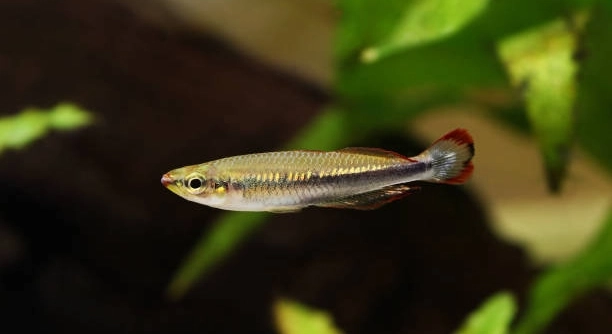
Do you enjoy keeping rainbowfish in your aquarium but notice their colors sometimes look dull or faded? Many fish owners face this issue, seeking ways to naturally enhance their fish’s vibrant appearance with simple methods.
Feeding rainbowfish a varied diet rich in carotenoids, spirulina, and other nutrient-dense foods significantly enhances their coloration. Regular inclusion of these foods strengthens pigmentation, supports overall health, and ensures the fish display their most vivid and natural hues.
Enhancing your rainbowfish’s color is easier than it seems, and choosing the right foods can make a noticeable difference in their beauty. Small dietary changes create long-lasting, visually striking results in your aquarium.
Spirulina
Spirulina is a blue-green algae that is highly effective in enhancing rainbowfish coloration. It is rich in natural pigments like carotenoids and phycocyanin, which help intensify reds, blues, and yellows in the fish. Many aquarists use spirulina as flakes or tablets, and it is easily incorporated into their daily diet. Feeding small amounts regularly can gradually brighten the colors of your rainbowfish without causing digestive issues. Spirulina also offers nutritional benefits, providing protein, vitamins, and minerals that support overall fish health. It promotes strong immune function, reducing susceptibility to disease. Introducing spirulina slowly ensures fish adjust well to the new food, avoiding any stress or overfeeding. It works best when combined with other natural foods to create a balanced, color-enhancing diet. Consistency is key, as sporadic feeding may not produce noticeable results. Using high-quality spirulina ensures maximum pigment content and avoids fillers that dilute its effectiveness.
Spirulina’s benefits go beyond color; it strengthens fish health while boosting vibrancy naturally in small, manageable doses.
Regular feeding of spirulina can transform dull rainbowfish into vibrant, eye-catching fish. Combining it with a varied diet ensures balanced nutrition and consistent coloration over time. Many aquarists report noticeable improvements in fin brightness and overall body hue after just a few weeks. Spirulina is gentle on digestion and encourages natural feeding behaviors, making it suitable even for sensitive or smaller rainbowfish species. Observing the fish as they consume spirulina helps monitor health and ensure no adverse reactions. Additionally, spirulina can reduce reliance on artificial color enhancers, providing a sustainable, natural approach. Long-term use maintains both the visual appeal and the well-being of the fish, supporting an active and healthy aquarium environment. Pairing spirulina with occasional live or frozen foods further encourages vibrant pigmentation and enhances the variety in the diet, ensuring rainbowfish remain healthy, colorful, and lively.
Carotenoid-Rich Foods
Carotenoid-rich foods, such as shrimp and krill, are excellent for boosting rainbowfish coloration. They are natural pigments that intensify red, orange, and yellow shades.
Including carotenoid-rich foods in your rainbowfish diet ensures strong coloration and healthy growth. Feeding them two to three times a week is sufficient for long-term results.
Carotenoids are not only essential for vibrant colors but also play a critical role in overall fish health. Natural sources, including krill, brine shrimp, and certain algae, supply pigments that fish cannot produce on their own. Regular inclusion in the diet strengthens the immune system, supports reproduction, and enhances energy levels. Fresh or frozen carotenoid-rich foods are more effective than dried versions because they retain more nutrients and pigments. Observing the fish while feeding ensures all individuals consume an adequate amount, as dominant fish may sometimes take more than others. Over time, consistent feeding results in more intense and uniform coloration across the tank. Combining carotenoid foods with spirulina or other nutrient-rich options maximizes benefits, allowing rainbowfish to display their full color potential naturally, without relying on artificial additives. Maintaining a balanced approach prevents overfeeding while providing the nutritional support necessary for vibrant, healthy fish.
High-Quality Flakes
High-quality flakes provide essential vitamins and pigments that support vibrant rainbowfish coloration. Choosing flakes with natural ingredients ensures both color enhancement and overall health.
Flake foods are convenient for daily feeding and can be enriched with carotenoids, spirulina, and other pigments. Regular feeding ensures fish receive a consistent supply of nutrients that help maintain brightness in their scales. High-quality flakes are less likely to contain fillers, artificial colors, or preservatives that could harm the fish. Observing how your rainbowfish respond to flakes helps determine which brands or types are most effective for your specific species. Combining flakes with occasional frozen or live foods maximizes both nutrition and color enhancement. Proper storage of flakes prevents nutrient degradation, ensuring that each feeding provides optimal benefits.
Incorporating flakes as a staple food allows for a balanced, practical approach to maintaining vibrant colors. They are easily combined with frozen or live foods to create a varied diet that supports both pigmentation and overall health. Over time, consistent feeding reinforces strong coloration and energetic behavior in your rainbowfish, ensuring they remain visually striking in the aquarium.
Frozen and Live Foods
Frozen and live foods are rich in nutrients and natural pigments, making them excellent for color enhancement. They offer higher protein content compared to dry foods.
Feeding frozen or live foods, such as brine shrimp, daphnia, or bloodworms, ensures rainbowfish receive fresh nutrients that promote vivid coloration. These foods stimulate natural hunting behaviors, reducing boredom and encouraging activity. Nutrient density supports growth, immunity, and overall vitality. Feeding in small portions prevents overfeeding and maintains water quality. Regular rotation between frozen and live options provides variety and maximizes the intake of pigments and essential proteins, creating a balanced diet that benefits both color and health.
Many aquarists notice rapid improvement in scale brightness and fin vibrancy after including frozen and live foods consistently. These foods mimic natural diets more closely than processed flakes, enhancing pigmentation effectively. They are particularly useful for young or breeding fish, as high-quality proteins support development and reproductive health. Combining them with flakes or spirulina ensures the rainbowfish receive a complete range of nutrients. Observation is important, as some fish may prefer specific types, requiring careful portioning to ensure all individuals benefit equally. Maintaining a routine feeding schedule helps sustain color intensity, overall health, and activity levels within the tank.
Vegetables
Vegetables such as spinach, peas, and zucchini provide essential vitamins and pigments that enhance rainbowfish coloration. They also support digestion and overall health, making them a valuable part of the diet.
Chopping or lightly steaming vegetables makes them easier for fish to eat. Feeding small amounts several times a week ensures nutrients are absorbed effectively, supporting both pigmentation and vitality.
Daphnia
Daphnia, also called water fleas, are high in protein and carotenoids. Regular feeding boosts red and orange hues while providing essential nutrients for healthy growth.
Krill
Krill is a natural source of carotenoids that intensify rainbowfish colors. It also provides protein to support overall health and energy.
How often should I feed my rainbowfish to enhance their color?
Feeding rainbowfish small portions two to three times daily is ideal for maintaining their vibrant colors. Overfeeding can lead to poor water quality and health issues, while underfeeding may result in dull coloration. It’s important to balance the quantity to meet their nutritional needs without causing waste buildup in the tank. Using a combination of flakes, frozen foods, and vegetables ensures a steady supply of pigments and essential nutrients, which are necessary for strong, vivid colors. Observing the fish during feeding helps gauge whether portions are appropriate.
Can I rely solely on flakes for color enhancement?
Flakes are convenient and can contain color-enhancing ingredients like spirulina and carotenoids, but they are usually not enough alone. Combining flakes with live or frozen foods provides additional pigments, protein, and nutrients. A varied diet ensures rainbowfish develop uniform and lasting coloration while supporting overall health. Occasional supplementation with vegetables further strengthens immune function and digestive health. Relying solely on flakes may produce gradual or uneven color changes, especially in species with naturally bright patterns.
Are live foods better than frozen options for color enhancement?
Live foods can stimulate natural hunting behaviors and provide fresh nutrients that improve pigmentation, while frozen foods are convenient, retain most nutrients, and reduce the risk of introducing parasites. Alternating between live and frozen foods offers a practical way to enhance color without compromising safety. Observing fish preferences helps determine which type works best for your aquarium. Both options supply carotenoids and protein essential for healthy growth and vibrant coloration, ensuring the fish remain active and visually striking.
How long does it take to see color improvements in rainbowfish?
With a consistent, balanced diet including spirulina, carotenoids, and protein-rich foods, noticeable changes in rainbowfish coloration can appear within a few weeks. Young fish or those with faded colors may take longer to show results. Regular feeding and monitoring ensure the fish gradually display more intense hues without stress. Maintaining water quality and proper tank conditions also accelerates the process, as healthy fish absorb pigments more effectively. Patience and consistency are key, as sudden dietary changes may not produce immediate results.
Are there any vegetables that should be avoided?
Some vegetables, like iceberg lettuce, have little nutritional value and can pollute the tank. Starchy or hard-to-digest vegetables may cause digestive problems. Stick to nutrient-rich options such as peas, spinach, zucchini, or cucumber. Lightly steaming or chopping them makes them easier for rainbowfish to consume and absorb nutrients. Feeding vegetables in moderation complements protein-based foods and enhances pigmentation naturally. Avoid overfeeding to prevent water quality issues, as leftover vegetables can decay quickly.
Can supplements replace natural foods for color enhancement?
Supplements may provide additional pigments or vitamins, but they should not replace a balanced diet. Natural foods supply a wider range of nutrients and encourage natural feeding behavior. Combining supplements with flakes, live, frozen, and vegetable foods ensures rainbowfish get complete nutrition. Over-reliance on supplements can lead to imbalances and may not produce the same vibrant results as a varied, natural diet. Supplements work best as an occasional enhancement rather than the primary source of pigmentation.
Is water quality important for maintaining rainbowfish color?
Yes, clean water and stable conditions are essential for color retention. Poor water quality can stress rainbowfish, dull their pigmentation, and reduce appetite. Regular water changes, proper filtration, and monitoring of temperature, pH, and ammonia levels help maintain a healthy environment. Healthy fish absorb pigments more effectively, allowing dietary efforts to produce stronger, lasting coloration. Balanced water parameters also support growth, reproduction, and overall vitality, making color enhancement more successful.
Can stress affect the color of my rainbowfish?
Stress can significantly dull rainbowfish coloration. Overcrowding, aggressive tank mates, sudden water changes, or inadequate hiding spots can cause stress. Maintaining a calm, well-structured environment, along with a consistent diet, helps preserve vibrant colors. Stress management combined with nutrient-rich foods ensures fish retain their natural hues and remain active, healthy, and visually appealing.
Maintaining vibrant colors in rainbowfish requires attention to both diet and overall care. Feeding a varied diet that includes flakes, spirulina, carotenoid-rich foods, vegetables, and occasional frozen or live foods provides the essential nutrients needed for pigmentation. Consistency in feeding ensures that the fish gradually develop brighter scales and more vivid fin colors. Overfeeding or relying solely on one type of food can lead to health issues or uneven coloration. A balanced approach allows rainbowfish to not only display their natural beauty but also remain healthy and active in the aquarium. Observing their behavior during feeding helps ensure all individuals receive proper nutrition and benefit from the color-enhancing foods provided.
Water quality and environmental conditions also play a critical role in maintaining strong coloration. Stress from poor water conditions, sudden temperature changes, or overcrowding can dull colors, even with a proper diet. Regular water changes, careful monitoring of pH, ammonia, and temperature, and providing adequate space and hiding spots create a stable environment that supports both health and appearance. Healthy rainbowfish are more efficient at absorbing pigments from their food, so attention to tank maintenance is just as important as the diet itself. A clean, well-maintained tank contributes to a longer lifespan, better growth, and enhanced coloration, making the fish visually striking over time.
Incorporating these practices into a regular care routine makes color enhancement a manageable and effective process. By combining natural foods rich in pigments, proper feeding schedules, and optimal tank conditions, rainbowfish can display vivid colors without relying on artificial additives. Small adjustments, like adding spirulina flakes or supplementing with vegetables and krill, gradually improve vibrancy and overall health. Regular observation ensures any dietary or environmental changes produce positive results. With patience and consistent care, rainbowfish can achieve their full color potential, creating a lively and visually appealing aquarium while maintaining strong health and energy.

Hello,
If you enjoy the content that we create, please consider saying a "Thank You!" by leaving a tip.
Every little bit helps us continue crafting quality advice that supports the health, happiness, and well-being of pets around the world, for pets of all shapes, sizes, and species.
We really appreciate the kindness and support that you show us!