
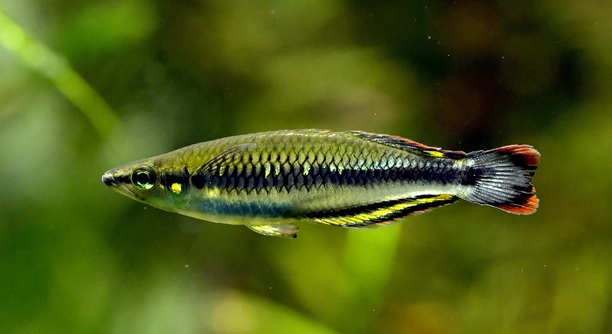
Rainbowfish are known for their bright colors and active behavior in aquariums. Many owners enjoy watching them explore every corner of their tank. Sometimes, however, these lively fish suddenly stop moving around as much as usual.
Rainbowfish may reduce or halt exploration due to environmental stressors, changes in water quality, or social dynamics within the tank. Limited space, aggressive tank mates, or sudden fluctuations in temperature and pH levels can directly impact their activity and comfort.
Observing these behaviors can help ensure rainbowfish remain healthy and engaged. Proper care and monitoring create a safe environment for their continued activity.
Common Environmental Factors Affecting Rainbowfish
Many rainbowfish stop exploring when their tank environment changes. Sudden temperature shifts or improper pH levels can make them uneasy. Overcrowding is another factor, as too many fish limit swimming space and increase stress. Decorations and hiding spots also influence activity. If there are too few places to hide, rainbowfish may feel exposed and stay in one spot. Poor water quality, such as high ammonia or nitrite levels, can make them lethargic. Even lighting plays a role—too bright or too dim can alter their normal behavior. Feeding routines affect exploration as well. Inconsistent feeding schedules may make them hesitant to leave hiding spots. Observing the tank closely helps identify patterns in their reduced activity. Adjusting water conditions gradually, providing sufficient hiding areas, and maintaining a stable routine encourages rainbowfish to resume normal exploration. Keeping the environment predictable is key for their comfort.
Maintaining stable water conditions and proper space helps rainbowfish feel secure, encouraging them to move around and explore their tank more freely.
Stress from environmental changes can have lasting effects. Rainbowfish may stop eating, hide more often, or display unusual swimming patterns. By consistently monitoring water parameters, adding hiding spots, and spacing decorations appropriately, it is possible to reduce stress and support healthy activity levels. Gradual adjustments to temperature and pH prevent shock, while a regular feeding schedule reassures them. Observing interactions between tank mates is important, as aggression can discourage exploration. Creating a calm, balanced environment encourages rainbowfish to feel safe, which naturally restores curiosity and movement. Over time, they regain confidence to swim through open areas, interact with others, and enjoy the tank fully. Careful attention to these factors promotes long-term health and active behavior, allowing rainbowfish to display their full colors and natural instincts. Small, consistent efforts make a significant difference in their well-being.
Social Dynamics and Behavior
Rainbowfish may reduce exploration due to interactions with other fish. Aggressive tank mates or dominant individuals can limit movement and confidence.
Observing social behavior is essential for maintaining a peaceful tank. Ensuring compatible companions and appropriate group sizes allows rainbowfish to interact without fear, promoting normal activity patterns.
Social hierarchy and group behavior greatly influence rainbowfish activity. In larger groups, some fish may become shy or avoid certain areas if they feel threatened. Aggression from territorial species can cause rainbowfish to stay near hiding spots, reducing exploration. On the other hand, well-matched tank mates create a calm environment, encouraging natural swimming and interaction. Providing open areas along with hiding spaces balances safety with freedom, supporting both timid and confident fish. Group size also matters—too few rainbowfish may feel insecure, while too many create competition for space and resources. Careful observation of these dynamics helps identify which fish need adjustments, such as separating aggressive individuals or rearranging the tank to reduce stress. With attention to social behavior, rainbowfish regain confidence, become more active, and display vibrant colors more frequently.
Nutrition and Feeding Habits
Rainbowfish may stop exploring when their diet is inconsistent or insufficient. Poor-quality food, irregular feeding times, or lack of variety can make them less active and more withdrawn. A balanced diet encourages energy and normal movement throughout the tank.
Providing high-quality flakes, pellets, and occasional live or frozen foods helps maintain rainbowfish health. Feeding small amounts several times a day mimics natural grazing habits and prevents overeating. Variety is important, as vitamins and nutrients from different sources support color vibrancy, growth, and overall activity. Observing which foods your fish prefer can guide feeding choices. Overfeeding or underfeeding can both impact exploration. When rainbowfish feel well-nourished, they are more confident to swim openly, interact with others, and display natural behavior. Consistency in feeding routines reassures them and reduces stress, which encourages curiosity and movement. Small adjustments in diet can lead to noticeable improvements in activity levels and overall health.
Even minor changes in feeding habits can affect energy levels. Rainbowfish respond to both the quality and frequency of meals, so monitoring their diet closely is essential for keeping them active and engaged in the tank environment.
Tank Layout and Hiding Spaces
A tank with limited hiding spots or poor decoration placement can cause rainbowfish to stay in one area. They need both open swimming space and secure spots to feel comfortable. Proper layout encourages natural movement.
Using plants, rocks, and other structures strategically allows rainbowfish to explore safely. Dense plants provide shelter for shy individuals, while open areas let active fish swim freely. Rearranging decorations periodically can stimulate curiosity without causing stress. Balance is key: too many hiding spots can isolate fish, while too few may make them feel exposed. Positioning decorations to create layers and visual interest encourages exploration across different tank zones. Observing how fish use the space helps refine placement for optimal activity. Providing a combination of vertical and horizontal structures supports different swimming styles and allows rainbowfish to exhibit natural behaviors. Thoughtful tank layout ensures a comfortable, engaging environment that keeps them active and confident.
Water Quality Concerns
Rainbowfish become less active when water quality declines. High levels of ammonia, nitrites, or nitrates can stress them, reducing exploration and natural behavior. Regular testing ensures a safe environment.
Frequent water changes and proper filtration help maintain clean conditions. Stable temperature and pH prevent sudden stress, keeping rainbowfish confident and active.
Temperature and Light Conditions
Rainbowfish activity is sensitive to temperature and lighting. Too cold or too warm water can slow metabolism and reduce movement. Sudden changes in light intensity may make them hide or stay in shaded areas. Maintaining stable conditions encourages normal swimming patterns and exploration throughout the tank.
Signs of Illness
Lethargy, clamped fins, or unusual swimming may indicate health issues. Early detection and treatment help rainbowfish recover quickly.
FAQ
Why has my rainbowfish stopped exploring the tank?
Rainbowfish may stop exploring due to stress, poor water quality, sudden temperature changes, or aggressive tank mates. Limited hiding spaces and inconsistent feeding can also make them stay in one spot. Observing behavior and checking water conditions often reveals the cause, allowing for quick adjustments.
How can I encourage my rainbowfish to be more active?
Providing a balanced diet, regular feeding times, and high-quality foods helps maintain energy. Adding plants, rocks, and other decorations creates hiding spots and open swimming areas. Gradually adjusting water conditions and ensuring compatible tank mates encourages natural movement and exploration.
Is my tank too small for rainbowfish to explore?
A small tank can limit swimming space and increase stress. Rainbowfish thrive in larger tanks where they can swim freely. Ensuring there is enough space per fish and adding structures for enrichment encourages activity.
Can water temperature affect their behavior?
Yes, rainbowfish are sensitive to temperature. Cold water can slow metabolism, while overly warm water can cause stress. Keeping a stable temperature within the recommended range promotes normal swimming and exploration.
How often should I change the water to keep them active?
Regular water changes are essential. Changing 20-25% of the tank water weekly helps maintain water quality. Clean water reduces stress and prevents lethargy, keeping rainbowfish confident and active throughout the tank.
Do aggressive tank mates reduce their exploration?
Aggressive or territorial fish can make rainbowfish hide or avoid certain areas. Observing social interactions and separating aggressive individuals helps restore normal behavior and encourages confidence.
Can lighting impact their activity levels?
Yes, both intensity and duration of lighting affect rainbowfish. Too bright or too dim light can make them hide. A balanced light cycle simulates natural conditions, supporting healthy activity and regular swimming patterns.
What foods are best for keeping rainbowfish active?
High-quality flakes, pellets, and occasional live or frozen foods provide essential nutrients. A varied diet ensures energy, vibrant colors, and encourages normal movement. Feeding small amounts multiple times a day mimics natural grazing habits.
How do hiding spots influence exploration?
Adequate hiding spots reduce stress and provide a sense of security. Plants, rocks, and decorations allow timid fish to feel safe while still exploring open areas. Proper placement creates a balanced environment for confident swimming and natural behavior.
When should I be concerned about health issues?
If rainbowfish show lethargy, clamped fins, rapid breathing, or unusual swimming, it may indicate illness. Early detection, water testing, and treatment prevent prolonged stress and support recovery, ensuring continued activity.
Can sudden changes in the tank disrupt their behavior?
Yes, abrupt changes in temperature, water chemistry, or tank layout can stress rainbowfish. Gradual adjustments allow them to adapt without affecting exploration. Observing reactions during changes helps prevent long-term behavioral issues.
Do rainbowfish need companions to explore?
They are social fish, and proper group sizes encourage normal activity. Too few fish may make them timid, while overcrowding creates competition. A balanced group promotes confidence, social interaction, and regular swimming throughout the tank.
How long does it take for rainbowfish to regain activity after stress?
Recovery time depends on the cause and environment. Minor stressors may resolve within days, while illness or poor water quality could take longer. Consistent care, proper diet, and stable conditions speed up their return to normal behavior.
Can rearranging the tank encourage exploration?
Yes, subtle changes in decoration placement stimulate curiosity. Creating new swimming paths and adding layers of plants or rocks encourages rainbowfish to move, interact, and explore different areas without causing stress.
Is it normal for rainbowfish to hide sometimes?
Hiding is natural, especially when adjusting to a new tank or during short-term stress. Occasional hiding is normal, but persistent inactivity may indicate environmental or health issues that need attention.
Do rainbowfish explore more at certain times of the day?
They tend to be more active during daylight hours. Maintaining a consistent light cycle supports natural swimming patterns and predictable exploration times, helping them feel secure in their environment.
How can I monitor their behavior effectively?
Observe swimming patterns, feeding habits, and interactions with tank mates daily. Keeping notes on changes in activity or hiding behavior helps identify potential problems early, ensuring quick intervention and continued activity.
What is the role of tank cleanliness in activity levels?
Clean water reduces stress and supports energy levels. Regular filtration, water testing, and partial water changes prevent toxins from building up, allowing rainbowfish to explore freely and maintain healthy behavior patterns.
Can seasonal changes affect rainbowfish behavior?
Yes, variations in ambient temperature and light can influence activity. Maintaining stable tank conditions year-round prevents stress and ensures rainbowfish continue exploring and swimming normally, regardless of external changes.
Are there signs that indicate they are ready to explore again?
Increased movement, curiosity around decorations, and approaching feeding areas signal regained confidence. When rainbowfish begin swimming openly and interacting with tank mates, it indicates recovery from stress or previous environmental issues.
Final Thoughts
Rainbowfish are naturally active and curious, but their behavior can change depending on several factors in their environment. Stress, water quality, tank layout, and social dynamics all influence how often they explore. Observing their daily movements and habits gives valuable insight into their comfort and overall well-being. When rainbowfish remain in one area or seem hesitant to move, it is often a sign that something in their tank needs attention. Maintaining stable water conditions, proper temperature, and a consistent light cycle helps reduce stress and supports their natural activity levels. A well-maintained tank with clean water and balanced parameters encourages confidence, allowing rainbowfish to swim freely and engage with their surroundings.
Providing proper nutrition is also critical for maintaining energy and activity. Rainbowfish require a varied diet that includes high-quality flakes, pellets, and occasional live or frozen foods to meet their nutritional needs. Feeding them small amounts multiple times a day mimics natural grazing habits, preventing lethargy and promoting movement. Inconsistent feeding or poor-quality food can lead to decreased energy and reduced exploration. Observing their feeding behavior can indicate their overall health and willingness to engage with their environment. When fish are well-fed and healthy, they are more likely to display natural curiosity, interact with tank mates, and swim through all areas of the tank confidently.
Tank layout and social interactions also play a significant role in encouraging activity. Rainbowfish need both open spaces for swimming and hiding spots for security. Adding plants, rocks, or other structures in a balanced way creates a stimulating environment where fish can explore safely. Social dynamics, such as aggression from tank mates or dominance within the group, can limit movement and make some fish hide. Ensuring compatible companions and monitoring interactions helps maintain a calm and active tank. Gradually rearranging decorations or adding new hiding spots can stimulate curiosity without causing stress. Paying attention to these factors, along with maintaining stable water conditions and providing a nutritious diet, allows rainbowfish to regain confidence, swim actively, and display their vibrant colors consistently.

Hello,
If you enjoy the content that we create, please consider saying a "Thank You!" by leaving a tip.
Every little bit helps us continue crafting quality advice that supports the health, happiness, and well-being of pets around the world, for pets of all shapes, sizes, and species.
We really appreciate the kindness and support that you show us!