
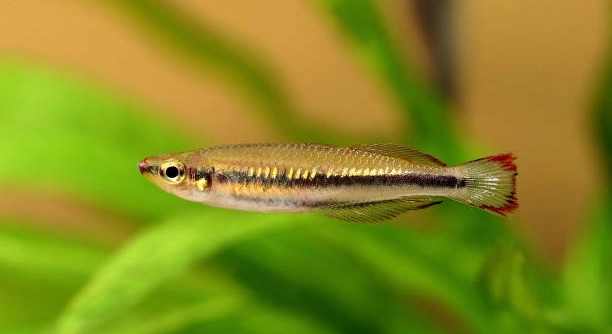
Rainbowfish are small, colorful freshwater fish often admired for their shimmering scales. Observing them in aquariums or the wild can be fascinating, as their scales seem to flash with every turn and flick of movement.
Rainbowfish flash their scales primarily as a form of communication and courtship. The bright flashes signal health, readiness to mate, and territorial presence, helping them interact socially and establish dominance without engaging in physical confrontation.
Understanding this behavior provides insight into their social structure and mating habits, revealing more about the vibrant world of rainbowfish.
How Rainbowfish Use Their Colors
Rainbowfish rely on their colorful scales to communicate important messages. Males often display bright flashes to attract females, signaling their strength and vitality. These flashes also serve to warn rival males to stay away from their territory. Observing this behavior in aquariums can be fascinating, as the flashes appear almost like a silent conversation. The intensity and frequency of the flashing often increase during mating season, making it easier for females to choose the healthiest partners. This signaling reduces the need for aggressive encounters, allowing rainbowfish to maintain social order. The ability to flash their scales depends on proper nutrition and health, so a balanced diet is essential for vibrant displays. Lighting in their habitat also affects how noticeable these flashes are, as natural sunlight or aquarium lighting enhances their colors. Understanding this behavior can improve care for rainbowfish in captivity, ensuring they remain active and socially engaged.
Flashing is not random; it is a deliberate action used for mating and territorial purposes. Males are the most noticeable.
Male rainbowfish coordinate their flashing with body movements, fin displays, and positioning within a group. The combined signals provide a full picture of dominance, health, and readiness to mate. Females respond selectively, often moving closer to males whose flashes are most vivid. Outside mating contexts, flashing helps maintain hierarchy, reducing the need for fights that could cause injury. Environmental factors such as water clarity, lighting, and diet affect the intensity of the scales’ reflection. In captivity, aquarium owners can encourage healthy flashing by providing clean water, proper lighting, and high-quality food rich in carotenoids and proteins. Observing these patterns provides insight into their social behavior and natural instincts. Understanding these behaviors allows for a more enriched and suitable environment, which supports not only their physical health but also their natural communication patterns. The flashes are a form of visual language that keeps the group cohesive and balanced.
Factors Affecting Scale Flashing
Flashing intensity depends on health, diet, lighting, and stress levels. Rainbowfish with poor nutrition or high stress display duller scales.
A balanced diet rich in carotenoids, proper lighting, and minimal stress are essential for vibrant flashing. Poor water quality or overcrowding can reduce their displays. Providing hiding spots and maintaining stable tank conditions allows rainbowfish to feel safe and exhibit natural flashing behaviors. Observing these behaviors regularly helps detect early signs of illness or stress, as a sudden decrease in flashing often signals health issues. The frequency and brightness of flashes are also influenced by social interactions; males respond to rivals’ displays by increasing their own, while females move toward the most vigorous flashes. Maintaining these factors ensures that the fish not only display their natural colors but also remain active, healthy, and socially engaged within their groups. Careful observation combined with proper care supports the physical, social, and visual well-being of rainbowfish, making their flashing patterns more pronounced and consistent over time.
Breeding and Flashing Behavior
Male rainbowfish increase their flashing when females are nearby. This behavior signals readiness to mate and helps females identify the healthiest partners quickly. Females tend to favor males with brighter, more frequent flashes, which indicate strong genetics and overall fitness.
Flashing during breeding is a combination of color intensity, fin movement, and body positioning. Males often approach females slowly, displaying their scales at precise angles to catch light effectively. This visual display is paired with subtle swimming patterns that emphasize their strength and coordination. Females observe carefully, moving closer to males that demonstrate both vibrant colors and confident movement. This selective process ensures that only the fittest males pass on their genes, supporting the species’ survival. Breeding behavior can be observed in home aquariums if the environment is suitable, including proper lighting, clean water, and a peaceful setup that reduces stress.
Outside of direct mating, flashing continues as a social tool. Males use it to assert dominance and maintain territory, reducing the need for physical fights. Flashing signals to rivals that the area is claimed, while females monitor these interactions to gauge male quality. Subtle variations in the flashes can indicate mood, energy levels, and health status, providing the group with critical social information. The behavior is consistent across most rainbowfish species, highlighting the importance of visual signaling in both reproduction and social hierarchy.
Environmental Influence on Flashing
Lighting, water clarity, and tank setup directly impact how rainbowfish flash. Poor conditions reduce the visibility and intensity of their scales.
Optimal lighting enhances the natural iridescence of rainbowfish scales, making flashes more noticeable. Water quality affects both health and coloration; cloudy or dirty water dulls the reflective properties of their scales. A tank with open swimming space and strategically placed hiding spots allows fish to feel secure, which encourages natural flashing. Stress from overcrowding or aggressive tankmates can suppress displays, as fish prioritize safety over communication. By adjusting light angles and maintaining clean water, aquarium owners can create conditions where rainbowfish consistently show their vibrant flashes, improving breeding observations and social interactions.
Temperature and seasonal changes also play a role in flashing frequency. Rainbowfish are more active and display brighter flashes when water conditions mimic their natural habitat. Stable temperature and proper filtration contribute to overall health, directly affecting scale brilliance. Diet enriched with carotenoids and proteins enhances the pigmentation, making flashes sharper and more vivid. Even subtle changes, like repositioning plants or decorations, can alter how light reflects off the scales, affecting the visibility of flashes during social interactions. Observing how fish respond to these environmental factors helps ensure they remain active, healthy, and expressive in captivity.
Social Interactions and Flashing
Rainbowfish use flashing to communicate within their groups. Males display to assert dominance, while females observe these signals to assess potential mates.
Flashing also helps reduce conflicts. By signaling strength visually, males avoid unnecessary fights, keeping the group more stable and organized.
Flashing as a Health Indicator
The brightness and frequency of scale flashing reflect overall health. Fish with vibrant flashes are generally well-nourished and free of stress. A dull or infrequent flash often signals illness, poor diet, or environmental stress. Observing these changes allows owners to address health issues early and maintain fish vitality.
Common Mistakes Affecting Flashing
Overcrowding, poor lighting, and low-quality food often diminish scale flashing. Adjusting tank conditions can restore natural colors and behaviors.
FAQ
Why do rainbowfish flash their scales so often?
Rainbowfish flash their scales to communicate with other fish. Males display bright flashes to attract females, signal health, and assert dominance. Flashing is also used to reduce physical conflicts by visually showing strength. Environmental factors like light and water quality can affect how often and how brightly they flash.
Do females flash their scales too?
Females do flash, but much less than males. Their flashes are generally subtler and are used to respond to males’ displays or signal mild social interactions within the group. Male flashes are the primary visual signals used during mating and territorial behaviors.
Can flashing indicate stress or illness?
Yes, dull or infrequent flashes often indicate health problems or stress. Poor water quality, inadequate nutrition, overcrowding, or aggressive tankmates can suppress their natural flashing. Monitoring scale brightness and frequency can help detect issues early, allowing corrective action before serious health problems arise.
How does diet affect flashing?
A diet rich in carotenoids, proteins, and vitamins enhances scale coloration. Healthy, well-fed rainbowfish display brighter, more consistent flashes. Foods such as high-quality flakes, live or frozen insects, and vegetable matter contribute to optimal pigmentation and overall health. Poor diet results in dull, less noticeable flashes.
Does tank lighting influence flashing?
Lighting plays a significant role in how visible flashes are. Bright, well-positioned lights enhance scale iridescence, while dim or uneven lighting reduces their brilliance. Natural sunlight or full-spectrum aquarium lights help rainbowfish display their full color potential, making social interactions and mating behaviors more pronounced.
How does tank setup affect flashing?
Open swimming space allows rainbowfish to perform their displays naturally. Hiding spots help reduce stress, which encourages flashing. Overcrowded tanks or aggressive tankmates can suppress flashing, as fish prioritize safety over communication. A well-arranged tank balances visibility, security, and comfort for natural behavior.
Do all species of rainbowfish flash the same way?
Flashing patterns vary among species. Some have more subtle flashes, while others are extremely vibrant. Differences depend on natural habitat, mating behavior, and social structure. Understanding your specific species’ behavior helps interpret flashes accurately and maintain appropriate tank conditions.
Can flashing be used to attract mates in captivity?
Yes, flashing is an effective mating signal in aquariums. Males increase their flashes near females, who respond selectively to the brightest, most confident displays. Replicating natural lighting, maintaining good water quality, and providing a proper diet enhances these behaviors in captivity.
Does stress completely stop flashing?
High stress can significantly reduce flashing, but it may not stop entirely. Chronic stress, caused by poor water quality, overcrowding, or aggressive tankmates, can suppress natural behaviors. Reducing stress through better tank management usually restores normal flashing over time.
How can I encourage healthy flashing?
Maintain clean water, proper lighting, and a balanced diet. Avoid overcrowding and minimize aggression from other fish. Providing a secure and stable environment encourages natural behaviors, including frequent, bright flashing, which reflects both health and social well-being.
Do rainbowfish flash at night?
Flashing typically occurs during daylight or when lights are on in an aquarium. Low light levels reduce the visibility of flashes, and fish may rest at night, conserving energy for daytime activity and displays.
Is flashing important for survival in the wild?
Flashing serves multiple survival functions. It communicates social status, deters rivals, and attracts mates without physical fights. Bright flashes signal strength and fitness, reducing unnecessary aggression while ensuring reproductive success and social cohesion.
Can multiple males flashing at once cause conflicts?
Yes, simultaneous flashing can lead to brief confrontations. Males may escalate displays to assert dominance, but serious fighting is uncommon. Flashing helps establish hierarchy visually, minimizing physical harm and maintaining group stability.
Does flashing indicate age or maturity?
Older, mature males generally have brighter, more consistent flashes. Juvenile fish have less vibrant scales and flash less frequently. Flashing intensity often correlates with sexual maturity and physical health, providing visual cues for mate selection.
Can environmental changes affect flashing immediately?
Yes, sudden changes in lighting, temperature, or water quality can immediately affect flashing behavior. Rainbowfish respond quickly to their environment, making flashes a reliable indicator of current tank conditions. Adjustments restore normal displays.
How can I tell if a fish’s flashing is natural or a stress response?
Natural flashing is regular, coordinated, and often occurs during social interactions. Stress-related flashing may be erratic, dull, or infrequent. Observing overall behavior, health, and tank conditions helps determine whether flashing is a normal display or a response to stress.
Do rainbowfish remember previous flashing interactions?
Rainbowfish have basic memory for social interactions. Males may adjust their flashing based on previous encounters with rivals, avoiding unnecessary conflict. Females may remember flashes from males, influencing mate choice. Social memory helps maintain order within the group.
Are there visual differences in flashing among males?
Yes, each male’s flashing pattern can vary in brightness, frequency, and color distribution. Stronger, healthier males generally have more vivid and frequent flashes. These visual differences are crucial for females when selecting mates and for males to establish dominance.
Can aquarium lighting mimic natural flashing effects?
Proper aquarium lighting can enhance flashes similarly to sunlight in the wild. Full-spectrum lights, positioned to reflect off scales, replicate natural brilliance. Adjusting angles and intensity helps highlight the iridescent patterns, making flashes more pronounced and visually accurate.
How long do rainbowfish typically flash during mating?
Flashing intensity peaks during mating periods. Displays can last several minutes to hours, with intermittent pauses. Males conserve energy while still maintaining visual signals to attract females and assert dominance within their territory.
Does flashing affect other fish in the tank?
Yes, flashing can influence the behavior of nearby fish. Other males may respond by increasing their own displays, while females may move closer to the most vibrant flashes. Flashing creates a dynamic social environment that regulates interaction and hierarchy.
Can flashing be harmful to rainbowfish?
Flashing itself is not harmful; it is a natural behavior. However, excessive stress, poor environment, or competition for mates can increase flashing frequency, which may slightly raise energy expenditure. Maintaining proper care ensures flashing remains a healthy activity.
Does water temperature affect flashing frequency?
Yes, rainbowfish are more active and flash more at optimal temperatures. Cold or fluctuating temperatures reduce activity, making flashes less frequent. Stable water temperature supports natural behavior and enhances the intensity and frequency of flashes.
Is flashing only for reproductive purposes?
No, flashing serves multiple roles beyond mating. It is used to communicate health, establish dominance, signal territory, and maintain social order. While reproduction is a major function, flashes are a versatile form of visual communication across different situations.
Can stress cause permanent changes in flashing behavior?
Chronic stress can reduce scale brightness and frequency over time. Most effects are reversible with improved care, proper diet, and stable conditions. Ensuring a low-stress environment helps rainbowfish maintain their natural, healthy flashing patterns.
Do rainbowfish flash in groups differently than alone?
Group dynamics influence flashing. Males adjust flashes according to rivals and females present, while solitary fish may flash less frequently. Social context is a key factor in intensity, frequency, and purpose of flashing, reflecting natural behavioral patterns.
Can lighting and water clarity make fish appear to flash more than they actually do?
Yes, reflections from clean water and well-placed lighting can enhance the visual effect, making flashes seem brighter. Observing behavior under natural conditions or varying light angles helps distinguish actual scale intensity from optical effects.
How do I maintain consistent flashing in captivity?
Consistent flashing requires balanced diet, stable water conditions, appropriate lighting, and low-stress environments. Proper tank size, minimal aggression, and enrichment allow fish to display natural behaviors. Regular monitoring ensures health, social balance, and vibrant, frequent flashes.
Does tank decoration affect flashing behavior?
Yes, open swimming areas improve visibility of flashes, while decorations provide shelter and reduce stress. A balanced setup allows fish to perform displays without obstruction, enhancing both natural behavior and visual appeal.
Are there seasonal changes in flashing?
Some rainbowfish show more frequent and intense flashes during natural breeding seasons. Captivity can mimic this through stable temperature, light cycles, and proper nutrition, helping maintain seasonal behavior patterns in a controlled environment.
Do rainbowfish flash at different speeds?
Flashing speed varies with purpose and individual fish. Rapid flashes often indicate excitement or competition, while slower, deliberate flashes are usually for mating displays. Observing the pace helps interpret their social and reproductive behavior accurately.
Can flashing intensity predict reproductive success?
Generally, yes. Males with brighter, more frequent flashes are more likely to attract females and achieve successful mating. Flashing provides visual cues of health, vigor, and genetic fitness, influencing reproductive outcomes directly.
Does tank size influence flashing behavior?
Larger tanks allow more open swimming and natural displays, encouraging frequent flashes. Small or overcrowded tanks can suppress behavior due to stress or limited space. Providing sufficient space supports social interactions and natural communication through flashes.
How do I know if my fish’s flashing is normal?
Normal flashing is regular, bright, and coordinated with social interactions. Dull, sporadic, or absent flashes may indicate stress, illness, or poor conditions. Observing overall behavior, diet, and water quality helps determine whether flashing reflects healthy behavior.
Can rainbowfish adapt their flashing to different environments?
Yes, they adjust intensity and frequency based on lighting, water clarity, and social context. Adaptation allows them to communicate effectively, maintain social structure, and respond to environmental challenges while remaining healthy and expressive.
Do rainbowfish prefer flashing near certain tank mates?
Males primarily flash near females for mating or near other males for dominance displays. Social context determines target fish, influencing frequency, intensity, and behavior. Proper group composition encourages natural flashing without excessive stress or aggression.
Is flashing behavior learned or instinctive?
Flashing is largely instinctive, guided by genetic and social cues. However, fish refine displays based on experience with rivals, mates, and environmental conditions. Observed patterns indicate both innate behavior and adaptive responses.
Does water movement affect flashing?
Moderate water flow helps rainbowfish swim naturally and perform displays. Too strong currents can stress fish, reducing flashes. Gentle circulation supports movement, social interaction, and optimal display of iridescent scales.
Can flashing be used to monitor tank health?
Yes, changes in flashing intensity or frequency often reflect environmental issues, diet deficiencies, or stress. Observing these signals provides a non-invasive way to monitor fish health and tank conditions, allowing timely corrective actions.
Are there specific times of day when flashing is more common?
Flashing occurs mostly during daylight or when aquarium lights are on. Activity and display intensity decrease at night, as rainbowfish rest and conserve energy, focusing their social and reproductive displays during active periods.
Does flashing indicate dominance in mixed-species tanks?
Yes, males may use flashes to assert dominance even among other species. However, results vary depending on the social behavior and aggression levels of tankmates. Observing interactions ensures balance and prevents stress.
How can I safely observe flashing in my aquarium?
Provide stable water conditions, proper lighting, and a balanced diet. Observe without disturbing the fish, allowing natural social interactions. Avoid sudden movements, tapping, or aggressive tankmates that may suppress flashing or cause stress.
Is flashing affected by breeding readiness?
Males flash more intensely and frequently when ready to breed. Females respond selectively to these displays, choosing mates based on brightness, frequency, and overall health signals conveyed through flashing.
Can lighting timers improve flashing consistency?
Timers maintain consistent light cycles, supporting natural activity and display patterns. Regular lighting encourages predictable flashing behavior, replicating day-night cycles and enhancing both health and visual communication.
Does tank depth matter for flashing visibility?
Yes, deeper tanks may reduce visibility of flashes from above. Proper lighting and placement of fish in mid-to-upper water levels improve observation, ensuring flashes are noticeable and effective for social communication.
Are there supplements that enhance flashing?
Carotenoid-rich foods, vitamins, and protein supplements improve pigmentation and scale reflectivity. High-quality flakes, live or frozen insects, and vegetables contribute to brighter, more frequent flashes, supporting both health and visual displays.
How long does it take to see changes in flashing after improving conditions?
Improvements can be seen within days to weeks. Diet, lighting, water quality, and stress reduction all contribute to brighter, more frequent flashes. Consistent care ensures long-term, stable improvements in behavior and coloration.
Can flashing intensity be used to select breeding pairs?
Yes, males with the brightest, most frequent flashes are generally healthier and more likely to succeed in mating. Observing these visual signals helps choose compatible pairs and support natural reproductive behaviors.
Do rainbowfish lose flashing ability with age?
Older fish may flash less frequently or with slightly duller scales. Overall health and environmental conditions have a stronger influence than age alone. Maintaining proper care preserves the ability to flash effectively.
Is flashing affected by social hierarchy?
Yes, dominant males flash more frequently to assert status, while subordinate males may reduce displays. Hierarchy influences the frequency, intensity, and target of flashes, helping maintain order within the group.
Can flashing help detect early disease?
Dull, sporadic, or absent flashes often precede visible illness. Observing flashing behavior alongside appetite, activity, and coloration provides early warnings, allowing prompt intervention to prevent serious health issues.
Does tank color influence flashing?
Background colors can affect how bright flashes appear. Lighter or reflective backgrounds enhance scale brilliance, while dark or cluttered backgrounds may reduce visibility. Adjusting tank decor improves observation and display of natural behavior.
Can rainbowfish flash underwater obstacles?
Yes, fish adjust angles and positions to maintain visible flashes while navigating plants or decorations. Open swimming space improves display efficiency, while obstacles may alter light reflection, subtly changing perceived intensity.
Do rainbowfish flash more in larger groups?
Flashing is often more frequent in larger groups due to social interaction. Males compete visually, and females select mates, increasing overall display activity. Observing group dynamics highlights natural communication patterns.
Are there differences in flashing between wild-caught and captive-bred rainbowfish?
Wild-caught fish may have more intense flashes due to natural selection, while captive-bred fish vary depending on care, diet, and genetic diversity. Proper husbandry can maintain or improve flashing in captive populations.
Do rainbowfish flash more in shallow or deep water?
Shallow areas with better light exposure enhance scale visibility, encouraging frequent flashing. Deeper, darker zones reduce light reflection, leading to subtler displays. Positioning fish near light improves observation and encourages natural behavior.
Is flashing linked to survival instincts?
Yes, flashing communicates strength, health, and dominance without physical confrontation. This visual signaling reduces risk of injury and increases reproductive success, supporting both individual survival and social stability.
Can flashing behavior vary between individual fish?
Yes, differences in health, personality, and social rank affect flashing. Some males are more confident and flash frequently, while others are more reserved. Individual variation is normal and reflects natural social dynamics.
Does flashing increase during feeding times?
Flashing may occur during feeding as fish become more active. Competition and movement highlight scales, but flashes in this context are less deliberate than mating or dominance displays. Observation shows subtle social signaling even during routine activity.
Can tank mates’ flashing influence other fish?
Yes, one fish’s bright flashes can trigger others to increase their own displays. This interactive behavior reinforces social structure, hierarchy, and mate selection within the group.
Are there visual cues in flashes that indicate aggression?
Rapid, intense flashes often indicate territorial disputes or aggression. Observing the pace, brightness, and positioning of flashes provides insight into social dynamics, helping manage potential conflicts in captivity.
Do rainbowfish flash differently during spawning?
During spawning, flashes are more frequent, brighter, and coordinated with body movements. Males aim to attract females and assert dominance, while females respond selectively, ensuring reproductive success through visual communication.
Can stress from new tankmates affect flashing?
Yes, introducing new fish can temporarily suppress flashing due to increased vigilance or aggression. Gradual introductions and careful observation help restore natural flashing behaviors over time.
Does flashing vary with water pH or hardness?
Extreme pH or hard water can stress rainbowfish, reducing flashes. Maintaining conditions close to their natural habitat ensures bright, frequent displays and overall health.
Are there methods to safely observe flashing without stressing fish?
Yes, watch from a distance, avoid tapping the tank, and ensure peaceful tankmates. Natural lighting and minimal disturbance allow fish to display authentic flashing behavior.
Can flashing indicate reproductive readiness in females?
Females display subtle flashes when receptive to males, signaling readiness for mating. These flashes are less vibrant than males but provide important cues for reproductive timing and selection.
Do rainbowfish flash more in planted tanks?
Planted tanks provide security and visual contrast. Hiding spots reduce stress, while open areas allow visible displays. Plants enhance both comfort and the effectiveness of flashing as communication.
Does scale damage affect flashing?
Yes, injuries or disease affecting scales reduce reflectivity and brightness. Proper care and monitoring prevent damage, maintaining natural flashing and social signaling capabilities.
Can lighting color influence perceived flashing intensity?
Full-spectrum or natural-light simulation enhances brilliance, while overly colored lights can distort appearance. Adjusting lighting ensures accurate observation of flashes and maintains natural behavior.
Are flashing patterns consistent over time?
Patterns remain relatively consistent but can adapt to social context, health, and environmental changes. Observing trends helps assess fish condition and group dynamics.
Can flashing behavior be trained or encouraged?
Flashing cannot be trained deliberately, but creating optimal conditions—light, diet, space, and low stress—encourages frequent, natural displays. Environmental management supports expression of healthy behavior.
Does water flow impact flashing?
Moderate flow allows comfortable swimming and natural displays. Strong currents may reduce visibility or suppress behavior, while stagnant water can also stress fish. Proper circulation supports consistent flashing.
Is flashing more noticeable in certain tank locations?
Yes, areas with better lighting and open space enhance visibility. Fish may naturally position themselves where flashes are most effective, aiding communication and observation.
Do rainbowfish flash differently in captivity than in the wild?
Captivity can alter flash frequency and intensity depending on care, diet, and social setup. Proper replication of natural conditions helps maintain authentic flashing behavior.
Does age affect flashing patterns?
Younger fish flash less vividly. Adult males display brighter, more frequent flashes during mating. Age, combined with health and social status, determines the overall pattern and intensity of flashes.
Can flashing be used to select healthy individuals?
Yes, consistent, bright flashes indicate health and vitality. Observing flashing patterns provides a non-invasive method to assess well-being, fitness, and suitability for breeding or social integration.
Do rainbowfish flash when threatened?
Fl
Rainbowfish are fascinating creatures, and their flashing scales are one of their most remarkable features. These flashes are not just decorative; they play a vital role in communication, social behavior, and mating. Observing them flash provides insight into how these fish interact with each other and how they maintain social order without resorting to physical confrontations. The flashes convey information about health, dominance, and readiness to breed, which is critical for survival both in the wild and in captivity. Proper care, including a balanced diet, clean water, and suitable lighting, helps maintain vibrant flashes, ensuring the fish remain active and healthy. The ability to flash depends on several factors, and each rainbowfish may display its own unique pattern, reflecting its individual health and personality.
Understanding the importance of flashing also highlights how sensitive rainbowfish are to their environment. Changes in water quality, lighting, temperature, or tankmates can impact how often and how brightly they flash. Stress or poor health often dulls these displays, serving as a visible indicator that something is wrong. By paying attention to flashing patterns, owners can monitor the well-being of their fish without invasive measures. Maintaining proper tank conditions and providing a stable environment allows rainbowfish to express natural behaviors fully. It is not just about aesthetics; bright, frequent flashes indicate a well-adjusted, healthy fish that is thriving in its habitat. Even subtle differences in flashing frequency or intensity can offer important clues about social dynamics and environmental comfort.
Flashing behavior is also a reminder of the complexity of fish behavior that is often overlooked. Rainbowfish do not flash randomly; every movement and glint of their scales carries meaning. Males use flashes to attract females and assert dominance, while females use their responses to choose mates and monitor social interactions. Environmental management, including tank layout, lighting, diet, and tankmate compatibility, supports these natural behaviors. Observing rainbowfish flash over time allows for a deeper understanding of their social structure, health, and instincts. Whether in a home aquarium or a research setting, paying attention to their flashing provides valuable insight into their lives and well-being. Overall, the flashes are a clear reflection of the fish’s condition, social engagement, and overall vitality, making them an important and fascinating aspect of caring for and appreciating rainbowfish.

Hello,
If you enjoy the content that we create, please consider saying a "Thank You!" by leaving a tip.
Every little bit helps us continue crafting quality advice that supports the health, happiness, and well-being of pets around the world, for pets of all shapes, sizes, and species.
We really appreciate the kindness and support that you show us!