
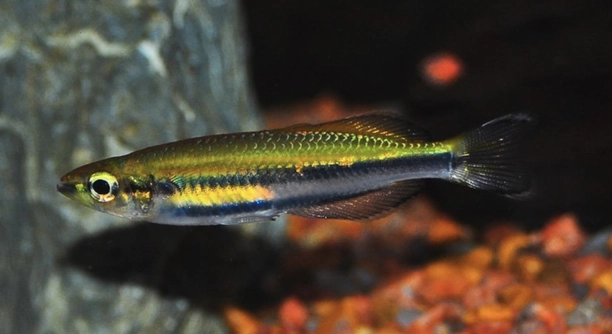
Do you ever notice your rainbowfish acting unusually or hiding more than usual in their tank? Bright lighting can stress these fish, affecting their colors, behavior, and overall health. Proper lighting is key to a balanced aquarium environment.
Excessive brightness in a rainbowfish tank can cause stress, disrupt natural behaviors, and negatively impact their coloration. Maintaining appropriate light levels ensures a healthy environment, allowing fish to exhibit normal activity, feeding patterns, and overall well-being.
Understanding these signs will help you adjust your tank setup and protect your rainbowfish from unnecessary stress. Maintaining the right light balance is crucial for their long-term health.
Fish Hiding More Than Usual
Rainbowfish may spend more time hiding if their tank is too bright. Excessive light can make them feel exposed and stressed. When fish avoid open areas, it may indicate discomfort. Observing their behavior closely can help you recognize this early. Stress can affect their appetite, color, and overall activity. Providing shaded areas or adjusting the light intensity can encourage them to swim more freely. Consistent observation is important, as subtle changes often signal that the environment is not ideal.
When fish hide often, it signals stress from high light levels. Adjusting light can restore normal behavior.
It is essential to provide adequate cover in the tank. Plants, decorations, and caves give fish places to retreat when lights are on. A combination of natural hiding spots and controlled lighting reduces stress and promotes healthy behavior. Monitoring behavior daily allows you to notice small changes that indicate discomfort. Balancing brightness with shaded areas ensures that rainbowfish can swim, feed, and display natural colors without being overwhelmed. Making these adjustments creates a healthier, calmer environment and helps maintain overall well-being.
Faded Colors
When rainbowfish appear dull or faded, bright lighting may be responsible. Their vibrant colors naturally intensify under proper light, but too much can cause stress and loss of coloration.
Fading colors indicate discomfort. Adjusting the lighting intensity can help restore vibrancy.
Maintaining correct light levels is critical to the appearance and health of rainbowfish. Overly bright lighting can damage sensitive cells responsible for coloration, leading to dull and washed-out tones. Additionally, stress caused by excess light can weaken their immune system, making them more susceptible to disease. Providing a lighting schedule that mimics natural day-night cycles allows fish to recover and maintain their colors. Observing changes in color over time gives insight into whether adjustments are needed. Combining moderate brightness with areas of shade and hiding spots ensures rainbowfish can display their full color potential while remaining healthy and active in the tank environment.
Restless Swimming
Rapid or erratic swimming can indicate that rainbowfish are stressed by excessive light. They may dart around the tank or swim near the bottom to escape intense illumination. This behavior is often a clear signal that lighting adjustments are needed to restore calm.
Erratic swimming often occurs when fish feel exposed or threatened. Bright light can trigger this response, causing rainbowfish to expend unnecessary energy. Over time, stress from constant agitation can affect their appetite and immune system. Reducing light intensity or providing shaded areas helps minimize this behavior, allowing fish to settle and swim normally. Watching for patterns in their movement can indicate whether the tank environment is balanced and comfortable for their needs.
Ensuring a natural day-night cycle is crucial. Gradually adjusting light duration and intensity can calm restless fish. Decorations like plants and driftwood give them places to explore safely without constant exposure. These changes create a stable environment, improving behavior, feeding, and overall health. Consistent observation ensures any lingering stress is addressed promptly, maintaining a peaceful tank for rainbowfish.
Clamped Fins
Clamped fins often occur when rainbowfish are stressed, including from high light levels. Fins held close to the body are a defensive response and a sign of discomfort in the aquarium environment.
This behavior reduces swimming efficiency and signals chronic stress. Persistent bright lighting can prevent fins from fully opening, limiting mobility and affecting social interactions. Fish with clamped fins may hide more, feed less, and become more vulnerable to illness. Adjusting light intensity and adding shaded areas encourages fin relaxation, restoring normal movement. Monitoring these changes helps ensure rainbowfish maintain healthy behavior patterns and remain active.
Providing shaded zones and lowering light intensity are effective strategies to address clamped fins. Plants, rocks, or ornaments give fish safe areas to retreat when light is strong. Gradual adjustment of lighting allows rainbowfish to acclimate without sudden stress. Regular observation is essential to track improvement, ensuring fins return to normal posture. Balanced light and environmental enrichment promote overall well-being, supporting swimming, feeding, and natural social behaviors while preventing long-term stress consequences in the tank.
Loss of Appetite
Rainbowfish may eat less when exposed to excessive light. Stress from bright conditions can suppress hunger, causing them to skip meals and lose energy over time.
A reduced appetite often signals discomfort. Adjusting light intensity and providing shaded areas encourages normal feeding habits and supports overall health.
Hiding in Shadows
Fish spending most of their time in shaded areas indicates they are avoiding strong light. Persistent hiding reduces swimming activity and social interaction. Ensuring a balance of light and shadow helps fish feel secure and reduces stress-related behaviors, promoting a healthier tank environment.
Restless Schooling
When light is too bright, rainbowfish may swim tightly in groups, moving continuously without settling. This behavior is a stress response to overstimulation. Maintaining moderate light levels and providing shaded zones helps reduce tension and encourages natural, relaxed schooling patterns within the tank.
How do I know if my rainbowfish tank is too bright?
Excessive brightness can be identified through changes in fish behavior. Look for hiding, clamped fins, faded colors, and erratic swimming. Fish may avoid open areas or spend most of their time under decorations or plants. Observing these signs regularly helps determine if light intensity is too high.
Can bright light affect rainbowfish health?
Yes, constant bright light can stress rainbowfish, weakening their immune system and making them more prone to illness. Stress can also impact appetite, behavior, and coloration. Maintaining moderate lighting and providing shaded areas ensures a healthier environment and supports proper growth and activity levels in the tank.
What is the ideal lighting duration for rainbowfish?
Rainbowfish thrive under a lighting schedule that mimics natural day and night cycles. About 8–10 hours of light per day is sufficient. Exceeding this duration can overstimulate fish, while too little light can affect their natural behavior and color vibrancy. Using a timer ensures consistency and stability.
Should I use a dimmer or adjustable light?
Adjustable lights are helpful for creating a balanced environment. Dimming the light or adjusting intensity gradually allows fish to acclimate without stress. It also provides flexibility for different tank setups, including plants that require moderate light, ensuring all inhabitants benefit from optimal conditions.
How can I provide shaded areas for rainbowfish?
Plants, rocks, driftwood, and ornaments create natural hiding spots and shaded zones. These areas help fish feel secure and reduce stress caused by bright lighting. Arranging decorations strategically ensures fish have options to retreat while still allowing swimming space and social interaction.
Will fish regain their color if the light is too strong?
Faded colors can improve once lighting is adjusted. Reducing intensity, creating shaded areas, and maintaining a proper day-night cycle allows rainbowfish to recover their natural vibrancy over time. Monitoring their behavior and appearance helps ensure improvements are taking place.
Can tank plants help with bright lighting?
Yes, live plants provide shade and diffuse light, reducing stress for rainbowfish. Plants also improve water quality and create a more natural environment. Choosing plants suited for moderate lighting supports both fish and plant health while maintaining a visually balanced aquarium.
Is it normal for rainbowfish to school tightly under bright lights?
Tight schooling under excessive light is a stress response. Fish may feel exposed and over-stimulated, causing them to swim together constantly. Reducing light intensity and offering shaded areas helps them relax, restoring natural schooling behavior and promoting calmer movement throughout the tank.
How do I balance lighting for both plants and fish?
Select moderate-intensity lights that meet plant requirements without overwhelming fish. Combine natural hiding spots with controlled light levels to create a stable environment. Using timers and adjustable lights ensures consistent cycles, supporting both plant growth and rainbowfish well-being.
What is the first step if I notice signs of stress from light?
Immediately assess the tank’s lighting setup. Reduce brightness gradually, provide shaded areas, and observe fish behavior. Adjustments should be incremental to prevent additional stress. Monitoring daily ensures rainbowfish adapt comfortably, and signs such as hiding, clamped fins, or faded colors begin to improve.
How long does it take for rainbowfish to recover from bright light stress?
Recovery depends on the severity of stress and environmental adjustments. Minor stress may resolve within a few days, while prolonged exposure can take weeks. Consistently maintaining proper lighting, shaded areas, and stable conditions promotes full recovery and helps fish regain normal behavior and coloration.
Are LED lights better than fluorescent lights for rainbowfish tanks?
LED lights are often preferred because they are adjustable, energy-efficient, and produce less heat. They allow precise control over intensity and duration, reducing the risk of overstimulation. Properly set LED lights can create an optimal environment for both fish and live plants.
Can sudden changes in lighting harm rainbowfish?
Yes, abrupt shifts in brightness can startle fish and trigger stress responses. Gradual adjustments, using dimmers or incremental changes, are essential to prevent behavioral issues and health problems. Consistency in lighting helps rainbowfish acclimate comfortably while maintaining stable daily rhythms.
How important is light placement in the aquarium?
Light placement affects how evenly illumination spreads across the tank. Direct, intense lighting over open areas can stress fish. Positioning lights to allow shaded zones and avoiding harsh direct beams ensures rainbowfish can move freely and feel secure, while still supporting plant growth.
What signs indicate that lighting adjustments are working?
Improvement is seen through calmer swimming, increased feeding, restored colors, and reduced hiding. Fins begin to relax, schooling becomes more natural, and fish exhibit normal activity patterns. Observing these behaviors confirms that lighting modifications are creating a healthier, less stressful environment.
Can reflection from the tank glass increase brightness stress?
Reflections can amplify perceived light levels and stress rainbowfish. Reducing external light sources, angling lights properly, and minimizing reflective surfaces helps create a more comfortable environment. This simple adjustment can significantly reduce overstimulation and improve fish well-being.
Is there a specific color temperature ideal for rainbowfish tanks?
A moderate color temperature, around 5000–7000K, mimics natural daylight and supports healthy fish behavior. Excessively cool or warm lighting can be harsh or unnatural, increasing stress. Balanced color temperature enhances fish coloration and overall tank aesthetics while maintaining comfort.
Do all rainbowfish species respond the same to bright light?
Different species may have varying tolerance levels. Some may be more sensitive and show stress signs sooner. Observing specific behaviors for the species in your tank is important. Adjusting lighting based on species needs ensures all fish thrive without compromising health or activity levels.
How often should I check my tank’s lighting conditions?
Daily observation is ideal to detect early signs of stress. Monitoring fish behavior, plant growth, and overall tank brightness ensures any necessary adjustments can be made promptly. Consistent checks help maintain a stable and comfortable environment for rainbowfish.
What is the safest approach to gradually reduce tank brightness?
Start by dimming lights slightly each day or reducing lighting duration in small increments. Combine this with shaded areas using plants or decorations. This allows fish to acclimate without sudden stress, helping them recover normal behavior and coloration while maintaining tank balance.
Rainbowfish are sensitive to their environment, and lighting plays a crucial role in their well-being. Too much brightness can create stress, affecting their behavior, appetite, and overall health. When fish hide constantly, swim erratically, or show faded colors, it is often a clear sign that adjustments are needed. Proper observation of these behaviors is important because subtle changes can indicate early signs of discomfort. Addressing lighting issues promptly helps prevent long-term stress and health problems, allowing your rainbowfish to thrive in a balanced and stable aquarium environment.
Creating a suitable environment involves more than just adjusting brightness. Providing shaded areas with plants, driftwood, or decorations allows fish to retreat when lights are strong. Consistent lighting schedules that mimic natural day and night cycles help fish maintain regular activity and feeding patterns. Using adjustable lights or timers can make these changes easier and more reliable. Balancing the needs of both fish and plants ensures the tank remains healthy and visually appealing. Careful placement of lights, avoiding harsh reflections, and selecting moderate color temperatures can further reduce stress, supporting natural behaviors and vibrant coloration in rainbowfish.
Maintaining proper lighting requires ongoing attention and observation. It is important to regularly monitor fish behavior, feeding, and appearance to ensure they are comfortable in their environment. Adjustments should be gradual, allowing fish to acclimate without sudden stress. Over time, a well-planned lighting setup promotes calm swimming, proper social interactions, and healthy growth. By creating an environment that respects the natural needs of rainbowfish, you can maintain a lively, colorful, and stress-free tank. Thoughtful care and consistent observation make a significant difference in their long-term health and happiness.

Hello,
If you enjoy the content that we create, please consider saying a "Thank You!" by leaving a tip.
Every little bit helps us continue crafting quality advice that supports the health, happiness, and well-being of pets around the world, for pets of all shapes, sizes, and species.
We really appreciate the kindness and support that you show us!