
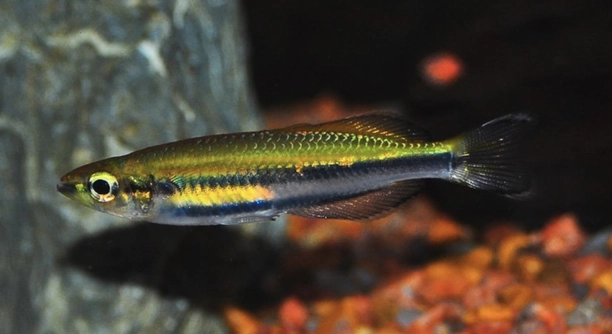
Are your rainbowfish showing torn or frayed fins, leaving you worried about their overall health and wellbeing? Fin damage is a common issue in home aquariums, affecting both young and adult rainbowfish alike.
Fin damage in rainbowfish can result from poor water quality, aggressive tank mates, nutritional deficiencies, stress, infections, or physical injuries. Each factor impacts the delicate fin tissue, often causing tears, fraying, or discoloration that compromises fish health.
Understanding the causes behind fin damage can help you take preventive measures and maintain a healthy, vibrant aquarium for your rainbowfish to thrive.
Poor Water Quality
Poor water quality is one of the leading causes of fin damage in rainbowfish. High levels of ammonia, nitrites, or nitrates can irritate the delicate fin tissue, making it more prone to tearing and fraying. Even small fluctuations in pH or temperature stress the fish, weakening their immune system. Filtration systems that are inadequate or poorly maintained allow debris and waste to accumulate, creating an unhealthy environment. Regular water testing and partial water changes are essential to keep chemical levels in check. Uneaten food and decaying plant matter also contribute to water pollution. By monitoring water conditions consistently, fin deterioration can be minimized. Maintaining stable water parameters helps rainbowfish remain active, healthy, and less prone to infections. Proper tank care supports overall fin regeneration, ensuring the fish continue to display their natural colors and graceful movements without hindrance. Attention to water quality is a simple but critical step in preventing fin damage.
Keeping water clean prevents irritation and supports fin regrowth. Regular testing and partial water changes are key.
Neglecting water quality can lead to long-term health problems. Fish exposed to poor conditions are more susceptible to bacterial and fungal infections. Continuous exposure to pollutants can slow growth, reduce appetite, and stress the immune system, making rainbowfish more vulnerable to disease. Small adjustments, such as adding live plants or using activated carbon, can improve water quality. Consistency is essential; sudden changes in temperature or pH can worsen the problem. A well-maintained tank encourages natural behavior, reduces stress, and promotes fin repair. Observing fish daily for signs of irritation or unusual swimming patterns helps identify water quality issues early. By addressing these factors, you create a safe, stable habitat that allows rainbowfish to thrive and recover from minor fin damage without persistent complications. Prevention through proper maintenance is far more effective than treatment after damage occurs.
Aggressive Tank Mates
Aggressive tank mates can injure rainbowfish by nipping or chasing them, often targeting fins. Fin damage caused by other fish can range from minor tears to significant fraying, leaving rainbowfish vulnerable to infection.
Physical injuries from aggression may take time to heal and can stress the fish. Rainbowfish in mixed tanks may hide or reduce activity, impacting their overall health.
Observing interactions is crucial. Some species are naturally territorial or fin-nipping, which can escalate in confined spaces. Ensuring compatible tank mates, providing adequate hiding spots, and keeping a balanced population helps reduce aggression. Even playful chasing can damage delicate fins, so spacing and visual barriers are important. Regularly checking fins for small tears or ragged edges allows early intervention, such as isolating injured fish until healed. Aggression management prevents recurring injuries, lowers stress, and maintains a peaceful environment where rainbowfish can swim freely and show their natural colors. Choosing the right companions and designing the tank thoughtfully makes a noticeable difference in fin health and overall behavior.
Nutritional Deficiencies
Rainbowfish lacking essential nutrients often show fin deterioration. A diet low in proteins, vitamins, and minerals can weaken fin tissue, slowing repair and making fins more fragile over time.
Consistent feeding of high-quality foods supports healthy growth. Flakes or pellets designed for rainbowfish should be supplemented with occasional live or frozen foods like brine shrimp, daphnia, or bloodworms. Vitamins such as A, C, and D, along with omega fatty acids, are crucial for fin regeneration. Nutritional gaps can lead to faded colors, slower swimming, and overall reduced vitality. Observing eating habits helps ensure each fish gets enough food, preventing dominance by more aggressive feeders. By balancing diet and variety, fin health is maintained, and rainbowfish can resist minor injuries more effectively, promoting faster recovery and stronger tissue.
Supplementing standard food with occasional fresh or frozen options improves fin condition. Vitamins and minerals strengthen tissue and prevent tearing. Proper feeding routines reduce stress and support immune function.
Monitoring diet ensures all fish receive enough nutrients. Overfeeding can pollute water, while underfeeding weakens fins. Rotating food types and providing a mix of plant-based and protein-rich items creates a well-rounded diet. Nutritional deficiencies may not appear immediately but can accumulate, gradually weakening fin edges. By observing growth, color vibrancy, and activity levels, it becomes easier to identify and correct gaps. Providing proper nutrition supports natural healing, enhances immune response, and reduces susceptibility to infection. Balanced feeding practices also maintain energy levels and encourage active swimming, which is important for overall fin development. Consistency in diet plays a key role in sustaining healthy, intact fins for rainbowfish.
Stress and Overcrowding
Overcrowded tanks increase stress, causing rainbowfish to damage their fins. Stressful conditions make fish more prone to fin nipping and slower recovery.
High-density aquariums reduce swimming space and create constant competition for food and territory. Frequent disturbances from other fish, sudden environmental changes, or excessive handling amplify stress levels. Fish under stress often hide, lose appetite, and show frayed or clamped fins. Adding more space, decor, or hiding spots can reduce tension. Properly managing population density ensures rainbowfish can swim freely, feed properly, and recover from minor injuries without further complications. Stress management supports immune function and overall fin health.
Bacterial and Fungal Infections
Bacterial and fungal infections can quickly damage rainbowfish fins. Small tears or injuries can become infected, causing fraying, discoloration, and tissue decay.
Early detection is key. Infected fins may appear white, cloudy, or ragged. Treating infections promptly with appropriate medications prevents further deterioration and protects the fish’s overall health.
Physical Injuries
Rainbowfish can sustain physical injuries from sharp decorations, rocks, or rough handling. Such injuries often result in torn fins or bleeding tips. Maintaining smooth surfaces and careful interaction reduces accidental damage and supports recovery.
Genetic Factors
Some rainbowfish are genetically predisposed to weaker fins. Breeding lines with thin or delicate fin structures are more prone to tearing, even in ideal conditions.
Environmental Stressors
Sudden changes in water temperature, pH, or lighting can stress rainbowfish. Stress weakens fins, slows healing, and increases vulnerability to infections. Maintaining stable conditions supports fin integrity and overall fish health.
What are the first signs of fin damage in rainbowfish?
The first signs of fin damage are usually small tears or fraying at the edges of the fins. Fins may look uneven, ragged, or slightly discolored. In some cases, the tips may appear whitish or cloudy, indicating potential infection or tissue stress. Observing fish daily helps catch early damage before it worsens.
How can I prevent fin damage in my aquarium?
Maintaining clean water, providing a balanced diet, and ensuring compatible tank mates are essential for prevention. Avoid overcrowding and sharp decorations that can tear fins. Regular monitoring and gentle handling reduce stress and physical injuries. Preventing fin damage is much easier than treating it once it becomes severe.
Are certain species more prone to fin damage?
Yes, some rainbowfish species or breeding lines have naturally thinner or longer fins, which are more fragile. Delicate fins are easier to tear from nipping, rough decorations, or minor stress. Understanding your species’ fin characteristics helps you set up a safer tank and reduce injury risk.
Can fin damage heal on its own?
Minor tears and fraying can often heal if water quality is stable and fish are not stressed. Healing depends on the extent of damage and absence of infection. Supplementing with proper nutrition and maintaining a calm environment supports tissue regrowth and prevents further deterioration.
What role does diet play in fin health?
Diet is crucial for strong, resilient fins. Rainbowfish need a variety of protein, vitamins, and minerals to support tissue repair. Including high-quality flakes or pellets, along with occasional live or frozen foods, ensures balanced nutrition. Nutrient-rich diets improve immune response and speed up fin regeneration.
How do I treat bacterial or fungal infections on fins?
Infections often appear as white, fuzzy, or cloudy edges on fins. Isolate affected fish if possible and treat with aquarium-safe antibacterial or antifungal medications. Maintaining excellent water quality during treatment is vital. Early intervention prevents spread and helps fins recover fully.
Can aggressive tank mates cause permanent fin damage?
Repeated nipping or chasing from aggressive fish can lead to long-term fin fraying. While minor damage may heal, continuous attacks prevent recovery and increase infection risk. Ensuring compatible tank mates and providing hiding spaces reduces stress and protects fins.
Does stress affect fin condition?
Yes, stress weakens fins and slows healing. Sudden changes in water conditions, overstocking, or frequent disturbances can stress rainbowfish. Stress management, such as stable water parameters and a calm environment, helps prevent tearing and encourages tissue regeneration.
How long does it take for fins to regrow?
Regrowth varies depending on damage severity and care. Minor tears may heal within a few weeks, while extensive fraying can take several months. Consistent water quality, proper diet, and low-stress conditions accelerate recovery and ensure fins regain normal shape and color.
Are there home remedies to speed up fin healing?
Supporting water quality, providing nutritious foods, and reducing stress are the most effective home strategies. Avoid overcrowding and ensure gentle handling. Over-the-counter medications can help if infections are present, but prevention and daily care remain the most reliable methods for healthy fins.
Can I keep damaged fins from recurring?
Yes, by maintaining stable water conditions, providing proper nutrition, and choosing compatible tank mates, you can minimize repeated fin damage. Removing sharp objects, limiting aggressive interactions, and monitoring daily activity helps ensure fins remain healthy over time.
Is fin damage reversible if left untreated?
Minor damage may partially heal naturally, but untreated tears can worsen or become infected. Infections slow regeneration and may permanently deform fins. Prompt attention, proper care, and supportive measures are necessary for full recovery and to prevent lasting harm.
Do water additives help fin regeneration?
Some aquarium additives, like stress reducers or vitamin supplements, can support fin regrowth by improving immune response and tissue repair. They are not a substitute for clean water and proper nutrition but can complement overall care when used correctly.
How often should I inspect my rainbowfish for fin damage?
Daily observation is recommended. Check fins for fraying, discoloration, or unusual movement. Early detection allows prompt action to prevent infection or further injury. Consistent monitoring helps maintain overall health and reduces long-term fin problems.
Can fin damage indicate other health problems?
Yes, damaged fins may signal stress, poor water conditions, or underlying infections. Persistent tearing or discoloration often points to environmental issues or nutritional deficiencies. Treating the root cause is essential to prevent ongoing damage and maintain overall fish wellbeing.
Are certain decorations safer for rainbowfish fins?
Smooth, rounded decorations and soft plants reduce the risk of accidental tearing. Avoid sharp rocks, rough edges, or coarse substrates that can catch fins. Thoughtful tank design minimizes injury and supports natural swimming behavior.
Does temperature affect fin health?
Extreme or fluctuating temperatures stress rainbowfish, making fins more prone to damage and slower to heal. Maintaining a consistent, appropriate temperature range reduces stress, strengthens immune response, and supports healthy fin regeneration.
Can fin rot be prevented entirely?
While complete prevention is difficult, proper water quality, balanced nutrition, and stress reduction significantly reduce the risk. Early detection and care are critical for preventing minor issues from developing into severe rot that permanently damages fins.
How do I know if fin damage is serious?
Serious damage involves extensive tearing, discoloration, or signs of infection like white edges or fraying that spreads quickly. Fish may show lethargy or lose appetite. Immediate intervention with treatment, isolation, and improved conditions is necessary for recovery.
Is isolation necessary for healing fins?
Isolating injured fish can prevent further nipping and reduce stress. A separate tank or partition allows safer healing and easier treatment if infections are present. Isolation ensures undisturbed recovery and better monitoring of fin regrowth.
What long-term care supports fin health?
Maintaining stable water quality, balanced feeding, compatible tank mates, and careful handling supports long-term fin integrity. Regular monitoring, prompt treatment of injuries, and avoiding environmental stressors keep rainbowfish fins healthy and vibrant throughout their lifespan.
Rainbowfish are beautiful and active fish, and their fins play an important role in their appearance and movement. Healthy fins allow them to swim smoothly and display their natural colors. However, fins are delicate and can easily become damaged due to water conditions, aggressive tank mates, nutritional deficiencies, or other stressors. Even minor tears or fraying can make fins more vulnerable to infections and slow down healing. Regular observation of your fish is essential. Noticing small changes in fin condition early allows for timely action, which can prevent more serious problems. Simple steps, such as maintaining clean water, feeding a balanced diet, and creating a calm tank environment, go a long way in keeping fins intact.
Maintaining a proper tank setup is one of the most effective ways to prevent fin damage. Ensuring water quality is stable, including the correct temperature, pH, and low levels of ammonia or nitrites, reduces stress and keeps fins healthy. Overcrowding can lead to constant chasing, which may result in torn fins, so keeping an appropriate number of fish in the tank is crucial. Providing hiding spots and smooth decorations protects fins from physical injuries while giving rainbowfish a place to feel safe. Nutrition is equally important. Rainbowfish require a diet that includes proteins, vitamins, and minerals to support tissue growth and repair. Supplements, live foods, or frozen foods can provide additional nutrients that enhance fin strength. Attention to these factors helps fish recover from minor damage and prevents recurring injuries.
Even with proper care, some fin damage may still occur due to genetics or unexpected stress. Patience is important during the healing process, as regrowth can take several weeks or months depending on the severity of the damage. Avoiding unnecessary handling and monitoring for infections supports recovery. Early treatment of any bacterial or fungal issues is critical to prevent further deterioration. Maintaining consistent routines in feeding, cleaning, and observing fish behavior ensures long-term fin health. While small injuries are common, proper care and attention significantly reduce risks and allow rainbowfish to thrive in a safe and supportive environment. Consistency in care creates a strong foundation for healthy fins, vibrant colors, and active swimming, ensuring your rainbowfish remain healthy and visually appealing over time.

Hello,
If you enjoy the content that we create, please consider saying a "Thank You!" by leaving a tip.
Every little bit helps us continue crafting quality advice that supports the health, happiness, and well-being of pets around the world, for pets of all shapes, sizes, and species.
We really appreciate the kindness and support that you show us!