
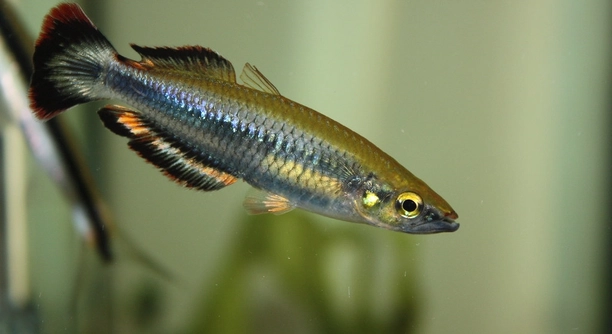
Rainbowfish are colorful and lively fish that many people enjoy keeping in home aquariums. Observing them, you might notice they tend to spend more time in certain corners of the tank than others. Their behavior can seem puzzling at first.
Rainbowfish prefer specific tank corners mainly due to factors such as light intensity, water flow, and perceived safety. Corners often provide a sense of shelter, stable environmental conditions, and reduced stress, making these areas more comfortable for their natural instincts.
Learning why these areas appeal to rainbowfish can improve tank setup and fish care. Small adjustments in placement and environment can make a noticeable difference.
How Light Affects Rainbowfish Behavior
Light plays a big role in where rainbowfish choose to stay in the tank. These fish are sensitive to bright light, which can make them feel exposed and stressed. Corners often have softer lighting or shadows, giving them a sense of security. In tanks with uneven light distribution, rainbowfish tend to gather in areas where the brightness is moderate. Too much direct light can cause them to hide constantly, affecting their feeding and swimming patterns. Adjusting the aquarium lighting to create gentle gradients or shaded areas helps the fish feel more comfortable. Plants or decorations can also diffuse light and create appealing corners. Observing how your fish react to different light levels can guide where to place ornaments or additional lighting. Over time, this can help the rainbowfish settle into consistent spots, making them easier to watch and care for. Proper lighting supports both their health and natural behaviors.
Corners with dimmer light naturally feel safer to rainbowfish, encouraging regular use and reducing stress levels.
Monitoring light in your tank is not just about brightness. The color temperature, duration, and intensity of light influence how rainbowfish interact with their environment. Fish instinctively avoid overly bright areas, so creating shaded zones with plants or decorations can encourage them to explore and stay active. Even minor adjustments, like angling lights or using floating plants, can change how often fish visit certain corners. Observing their patterns over several days helps in identifying the best spots to place hiding areas or feeding zones. Light management also impacts plant growth, water temperature, and algae development, so it is essential to balance all factors carefully. By paying attention to light distribution, you can create a more natural environment that reduces stress, improves health, and encourages normal schooling behavior. Rainbowfish in well-lit yet comfortably shaded areas tend to display more vibrant colors, swim actively, and interact better with other tank mates, making tank observation more rewarding.
Water Flow and Comfort Zones
Rainbowfish often prefer corners with gentle water flow, where they feel stable and less fatigued.
The flow of water in an aquarium influences where rainbowfish spend their time. Strong currents can tire them out, pushing them toward calmer corners. Corners naturally reduce water movement, creating areas that feel safe and easy to navigate. These calm spots allow rainbowfish to rest, feed, and interact with others without struggling against currents. Adjusting filters or using decorations to redirect flow can encourage fish to explore more of the tank. In addition to comfort, water flow affects oxygen levels, waste distribution, and temperature. Corners with moderate flow provide balance, supporting both fish health and tank cleanliness. Understanding how rainbowfish respond to currents helps in arranging the tank efficiently. By creating areas with varying flow, you allow fish to choose what suits them best, supporting natural behaviors. These adjustments are simple but make a noticeable difference in their activity levels, schooling patterns, and overall wellbeing. Proper flow management is key to a harmonious and thriving aquarium environment.
Shelter and Hiding Spots
Rainbowfish are drawn to corners that offer shelter. Plants, rocks, and ornaments create spaces where they feel secure and protected from perceived threats. These hiding spots reduce stress and help them stay calm throughout the day.
Providing natural hiding places improves rainbowfish behavior and overall health. Fish that feel safe are more likely to explore, feed regularly, and display vibrant colors. Corners often serve as the perfect location for these shelters because they are less trafficked by tank equipment and water flow. Arranging decorations in a way that leaves small gaps or caves can mimic natural environments, making rainbowfish more comfortable. Over time, they will return to these corners consistently, using them for resting and occasional social interactions. Observing which spots your fish prefer helps in planning tank layout for optimal comfort. Proper shelter placement ensures fish are less stressed, more active, and maintain strong immunity.
Hiding spots also encourage natural behaviors like schooling and gentle competition. Fish that have safe corners exhibit better mental stimulation and healthier interactions.
Social Dynamics in Tank Corners
Rainbowfish often choose corners based on social interactions. Areas with less traffic allow them to establish personal space while remaining part of the group. This helps reduce aggression and maintain harmony among tank mates.
In a community tank, corners act as micro-environments where rainbowfish can interact selectively. Fish may cluster in certain spots to feel secure yet still observe others. Dominant individuals often occupy more central areas, leaving quieter corners for shy or smaller fish. This natural hierarchy ensures that all fish have space to feed, swim, and rest without conflict. Corners with decorations or plants provide barriers that reduce stress and allow subordinate fish to navigate the tank safely. Observing these patterns reveals how social dynamics influence corner preference. Proper tank design, including multiple corners with shelter and space, supports a balanced social structure. Fish in such environments tend to be calmer, display natural behaviors, and coexist peacefully, improving overall tank health and enjoyment.
Temperature Preferences
Rainbowfish often favor corners where water temperature feels stable. Edges of the tank tend to have less fluctuation, making these spots more comfortable for resting and swimming.
Stable temperatures in corners help rainbowfish maintain energy and reduce stress. Fish are sensitive to sudden changes, so consistent conditions support their health and natural activity.
Feeding Patterns
Rainbowfish often eat in areas where they feel safe and unbothered. Corners with minimal current or foot traffic encourage relaxed feeding habits.
When feeding, rainbowfish prefer corners because these areas allow them to focus without competing aggressively with other fish. Calm spots reduce stress during mealtime, and fish are more likely to finish their food completely. Providing food near corners can also help shy individuals get their share, preventing malnutrition and promoting even growth among tank mates. Proper placement of feeding zones supports both social balance and healthy eating behavior, making tank maintenance easier.
Influence of Tank Size
Larger tanks offer more corners and spaces, allowing rainbowfish to choose spots that suit their preferences. Smaller tanks can limit options, affecting comfort.
Importance of Observation
Watching where rainbowfish spend time reveals their needs. Adjusting tank setup based on behavior can improve health and well-being.
FAQ
Why do rainbowfish always stay in the same corner?
Rainbowfish tend to stay in the same corner because it offers a combination of comfort, safety, and suitable environmental conditions. Stable light, gentle water flow, and natural hiding spots make corners appealing. Fish often return to these areas consistently because it meets their instinctive need for security and reduces stress. Observing which corners your fish favor can help you adjust tank layout, lighting, and decorations to ensure all areas are equally comfortable, encouraging healthy movement and social interaction throughout the aquarium.
Can changing the tank layout affect corner preferences?
Yes, rearranging plants, rocks, or decorations can influence which corners rainbowfish prefer. Fish adapt to new layouts gradually. Some may explore newly created hiding spots, while others may stick to previously safe corners. Providing multiple sheltered corners can reduce competition and stress among tank mates. Small changes in water flow or light can also shift preferences, as fish seek the most comfortable conditions for resting, feeding, and social interaction. Observing their response helps in fine-tuning the environment for better overall tank harmony.
Do all rainbowfish prefer the same type of corner?
Not necessarily. Individual personality, size, and social hierarchy play roles in corner preference. Shyer or smaller fish often choose quieter corners with more hiding spaces, while dominant individuals may occupy more open or central areas. Even within the same tank, some fish may prefer well-lit corners, while others favor dimmer spots. Providing a variety of options ensures every fish has a suitable place to rest and interact safely. Observing these differences is important for maintaining balanced behavior and preventing conflict.
Does water flow influence where rainbowfish gather?
Absolutely. Rainbowfish favor areas with gentle water flow where they can swim comfortably without fighting currents. Strong flow zones are often avoided unless the fish need exercise. Corners naturally reduce water movement, creating calm areas that feel safe. Adjusting filter output or adding decorations to direct flow can help balance activity and relaxation zones within the tank. This supports both physical health and mental well-being.
How important is light in corner selection?
Light intensity and distribution significantly affect corner preference. Rainbowfish prefer corners with moderate light or partial shading, as overly bright areas can cause stress. Dimmer or diffused lighting, achieved through plants or decorations, provides comfort and encourages natural behaviors like schooling and resting. Observing how fish react to light helps identify the best spots for hiding and feeding, promoting overall health.
Will overcrowding change corner behavior?
Yes. Overcrowding increases competition for preferred corners, often forcing shy or smaller fish into less comfortable areas. This can lead to stress, aggressive interactions, and uneven feeding. Providing multiple sheltered corners and adjusting decorations to create separate zones helps reduce conflict and allows all fish to access safe spaces, ensuring a balanced and healthy environment.
Can temperature fluctuations alter corner choices?
Rainbowfish are sensitive to temperature changes. Corners with more stable temperatures are preferred for resting and feeding. Sudden fluctuations can cause fish to move constantly, hide, or become stressed. Using a reliable heater, proper circulation, and monitoring temperature gradients helps maintain comfort and encourages consistent corner usage, supporting long-term health.
How do social dynamics affect corner preferences?
Social hierarchy strongly influences which corners rainbowfish choose. Dominant fish may claim open or central areas, leaving quieter corners for subordinate individuals. Providing multiple hiding spots and corners reduces stress, allowing all fish to interact safely and maintain natural behaviors. Observing patterns over time reveals social structures and helps in planning tank layout.
Can feeding location impact corner use?
Yes. Rainbowfish prefer feeding in corners where they feel secure. Placing food near calm areas reduces stress and allows shy fish to eat without competition. This supports even nutrition, encourages natural foraging behavior, and reinforces positive use of preferred corners.
Are corner preferences permanent?
Corner preferences can change over time due to growth, social shifts, tank rearrangement, or changes in light and water flow. Regular observation ensures the environment continues to meet fish needs and helps prevent stress or aggression. Adjusting tank layout and conditions gradually allows fish to adapt comfortably.
Final Thoughts
Rainbowfish are fascinating to watch because of the small details in their behavior, like preferring certain corners in the tank. These choices are not random. They are influenced by factors such as light, water flow, shelter, temperature, and social interactions. Observing which areas your rainbowfish choose most often can give you insight into how comfortable they feel in their environment. When they consistently gather in specific corners, it usually means those areas meet their needs for safety and calm. By paying attention to these behaviors, you can make small adjustments to the tank that improve their well-being and create a more harmonious aquarium. Even subtle changes, like rearranging decorations, adding plants, or adjusting lighting, can have a noticeable impact on where the fish feel comfortable. Over time, these careful observations and adjustments can help rainbowfish feel secure, allowing them to display natural behaviors like schooling, feeding, and exploring with confidence.
Corners are also important because they provide a sense of shelter that fish instinctively seek. Rainbowfish, like many small tropical fish, have survival instincts that guide them toward safe spots. In nature, they would find cover among plants, rocks, or under ledges to avoid predators. In a home aquarium, corners often replicate these conditions by offering reduced water flow, less direct light, and areas where fish can hide. Providing multiple corners with suitable hiding spaces ensures that all fish, including the more timid or subordinate individuals, have a safe place to rest. This reduces stress, which is essential for maintaining healthy immune systems, vibrant colors, and active behavior. By observing corner preferences, you can learn which areas provide the most comfort and adjust tank elements accordingly. Even small adjustments, like adding a rock formation or a plant cluster, can create a new preferred corner that improves the overall tank environment.
Finally, understanding corner preferences can help with tank management and feeding routines. Fish are more likely to eat calmly in areas where they feel secure, which ensures proper nutrition for all individuals. Corners with stable water conditions, gentle flow, and low stress become natural feeding zones for rainbowfish. Additionally, noticing shifts in corner use can signal changes in water quality, temperature, or social dynamics. By paying attention to these patterns, you can proactively address issues before they impact fish health. Tank layout, lighting, decorations, and flow management all play a role in creating comfortable corners, and small improvements often result in happier, more active fish. Taking the time to observe, adjust, and maintain these preferred areas ensures rainbowfish thrive and display their best colors and behaviors, making the aquarium a more enjoyable and balanced environment overall.

Hello,
If you enjoy the content that we create, please consider saying a "Thank You!" by leaving a tip.
Every little bit helps us continue crafting quality advice that supports the health, happiness, and well-being of pets around the world, for pets of all shapes, sizes, and species.
We really appreciate the kindness and support that you show us!