
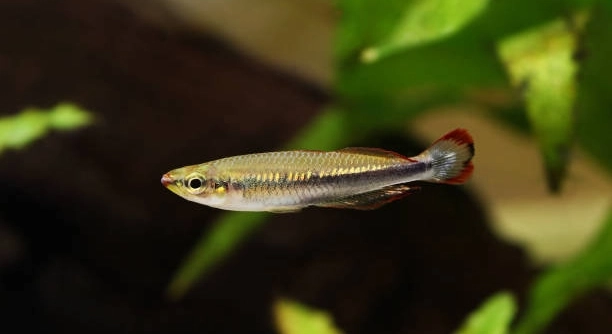
Many aquarium owners notice their fish acting unusually when changes occur in their environment. Stress can affect fish behavior, appetite, and overall health, making it important to find natural ways to soothe them and maintain a balanced habitat.
Seven natural solutions can help calm stressed fish, including adjusting water quality, maintaining stable temperatures, providing hiding spaces, using gentle filtration, offering appropriate nutrition, adding stress-reducing plants, and minimizing sudden environmental disturbances. These methods support fish health and well-being effectively.
These simple strategies can make a big difference in keeping your fish calm, healthy, and more active in their daily lives.
Adjust Water Quality
Maintaining clean and balanced water is essential for your fish’s health. Fish are sensitive to changes in pH, ammonia, nitrite, and nitrate levels. Regularly testing your tank water helps you catch imbalances early. Changing 10-20% of the water weekly keeps toxins low and ensures oxygen levels stay stable. Using a proper water conditioner can remove harmful chemicals like chlorine or chloramine from tap water. Avoid overfeeding, as leftover food can quickly pollute the tank. Gravel or substrate should be gently vacuumed during water changes to prevent debris buildup. Keeping a consistent water temperature also reduces stress. Even small fluctuations can affect fish behavior. Some species are more sensitive than others, so knowing your fish’s specific requirements is helpful. Overall, paying attention to water quality creates a calm environment where fish can thrive, eat well, and display natural behaviors, reducing signs of stress such as hiding or erratic swimming.
Consistent water care prevents health issues and helps fish feel secure in their habitat.
Clean water supports fish health and reduces disease risks. By keeping water stable, you create a peaceful tank environment, encouraging natural activity and feeding habits. Regular checks also help you notice early signs of stress or illness, allowing quick action before problems worsen.
Provide Hiding Spaces
Hiding spaces give fish a sense of security and reduce stress. Plants, rocks, and decorations allow them to retreat when feeling threatened.
Adding caves, driftwood, or dense plant areas creates spots where fish can feel safe. Stress often occurs when fish lack cover, especially in community tanks with more active or aggressive species. Hiding places reduce aggression and provide areas for shy or smaller fish to rest. Plants also improve water quality by absorbing nitrates and offering gentle shade. The arrangement should balance open swimming areas and sheltered spaces, allowing fish to explore without feeling exposed. Observing fish behavior will help you understand which areas they prefer. Some fish may enjoy moving between layers of the tank, while others prefer the bottom or dense plant sections. Using natural materials like rocks and wood makes the tank visually appealing and functional. Over time, fish will become more confident, swim actively, and interact naturally once they feel safe in their environment.
Maintain Stable Temperatures
Fish are highly sensitive to temperature changes. Sudden fluctuations can cause stress, weaken their immune system, and make them more prone to illness. Maintaining a steady temperature within the species’ preferred range is essential for a healthy tank environment.
Using a reliable aquarium heater or thermometer helps ensure the water stays consistent. Avoid placing tanks near windows, vents, or areas with drafts, as these can create sudden shifts. Some fish, like tropical species, need warmer water, while others prefer cooler temperatures. Monitoring the temperature daily allows you to notice small changes early and make adjustments before they affect your fish. Even small fluctuations over time can increase stress, so consistency is key. A stable environment also encourages normal feeding and active swimming, which supports overall well-being and reduces erratic behavior linked to discomfort.
Consistency in temperature promotes natural behavior and helps fish feel secure. Keeping conditions steady minimizes stress and supports long-term health.
Use Gentle Filtration
Strong currents can overwhelm fish, especially smaller or delicate species. Gentle filtration keeps the water clean without creating excessive flow that stresses them.
Position filters so water flow is moderate, and consider using sponge or adjustable filters for sensitive tanks. This helps prevent fish from constantly fighting the current. Filters also remove waste, uneaten food, and debris that can degrade water quality. Regular maintenance ensures filters operate efficiently without creating harsh turbulence. Choosing the right filter depends on tank size, species, and plant coverage. Too much flow can tire fish and lead to hiding or aggression, while too little reduces oxygen circulation. Observing your fish shows how they react to the current, allowing small adjustments. Over time, proper filtration balances water cleanliness with a calm environment, supporting health and reducing stress-related behaviors. A well-filtered tank encourages swimming, feeding, and natural interactions among fish.
Offer Appropriate Nutrition
Feeding fish the right diet is essential for reducing stress. Overfeeding or underfeeding can harm health and create water quality issues.
A balanced diet tailored to the species keeps fish active and healthy. Using high-quality flakes, pellets, or frozen foods ensures they get necessary nutrients.
Add Stress-Reducing Plants
Live plants provide natural hiding spots, absorb toxins, and create a calmer tank environment. Fish feel safer and more comfortable among dense foliage, which encourages natural behavior and reduces erratic movements.
Minimize Sudden Environmental Disturbances
Avoid sudden loud noises, vibrations, or abrupt movements around the tank. Consistency in the surrounding environment helps fish remain calm and less reactive.
FAQ
How can I tell if my fish is stressed?
Stressed fish often show changes in behavior. They may hide more than usual, swim erratically, or hover near the surface. Appetite changes are common, with fish refusing food or eating less. Color fading, clamped fins, and unusual aggression toward other fish are also signs. Observing your fish daily helps you notice these subtle changes early, allowing you to address the causes before they affect long-term health.
Can water changes really reduce stress?
Yes, regular water changes are one of the most effective ways to reduce stress. Replacing a portion of the water removes toxins like ammonia and nitrates that build up over time. Clean water improves oxygen levels and keeps pH and temperature more stable. Partial changes of 10-20% weekly are often sufficient, depending on tank size and fish load. Using a water conditioner ensures tap chemicals don’t harm fish. Consistent maintenance creates a calm environment and reduces disease risk.
Are plants necessary for all aquariums?
While not strictly necessary, plants provide multiple benefits. They offer hiding spots, absorb excess nutrients, and reduce stress by creating natural shelter. Even a few live or artificial plants can help shy or smaller fish feel safer. Fast-growing species can improve water quality by using nitrates. Observing how fish use these spaces helps you decide the best arrangement. Plants also soften light, which can reduce anxiety for light-sensitive species.
Is diet really connected to stress levels?
Yes, nutrition plays a key role. Fish need a diet suited to their species, including proteins, fats, and essential vitamins. Overfeeding can pollute water, while underfeeding weakens the immune system. Offering high-quality flakes, pellets, or frozen foods in proper amounts ensures energy, supports growth, and maintains health. Feeding smaller portions multiple times a day for active species often works best. A well-fed fish shows better color, appetite, and natural behavior, all of which indicate lower stress.
How important is tank layout for calm fish?
Tank layout directly affects fish comfort. Providing both open swimming areas and hiding spots reduces tension. Rocks, caves, and plants allow fish to retreat when threatened. Dense areas give shy fish a sense of security, while open spaces prevent overcrowding. Observing fish behavior helps adjust the layout, ensuring each species has enough territory. Consistent arrangements prevent sudden stress caused by frequent changes. Proper spacing reduces aggression and supports peaceful interactions.
Can water temperature swings really harm my fish?
Yes, sudden temperature changes can stress fish, weaken their immune system, and make them more susceptible to illness. Using a reliable heater or thermometer and avoiding drafts or direct sunlight helps maintain a stable environment. Tropical fish need warm water, while temperate species prefer cooler ranges. Consistency encourages natural feeding and swimming habits. Gradual changes, when needed, are safer than abrupt shifts. Keeping water stable supports health, reduces stress, and helps fish adapt to their tank comfortably.
Do filters affect stress levels?
Filters play a major role in both water quality and stress. Strong currents can overwhelm smaller or delicate species, while gentle filtration removes waste and maintains oxygen. Sponge or adjustable filters are good options for sensitive tanks. Regular maintenance ensures proper flow without creating turbulence. Observing fish reactions to the current allows small adjustments. Proper filtration balances cleanliness and calm conditions, encouraging natural behavior and reducing signs of stress like hiding or erratic swimming.
How can I prevent stress during tank cleaning?
Minimize sudden disturbances by cleaning slowly and removing only a portion of water or debris at a time. Avoid tapping the tank or rearranging decorations abruptly. Keeping cleaning routines consistent and gentle reduces fear responses. Using safe tools and maintaining water parameters afterward ensures a smooth recovery. Fish quickly adapt when cleaning is predictable, and a careful approach helps maintain calm behavior and prevents unnecessary anxiety.
Maintaining a calm and healthy environment for your fish requires attention to several factors. Water quality, temperature, and filtration all play an important role in reducing stress. Clean water removes harmful chemicals and keeps oxygen levels balanced, which helps fish stay active and healthy. Regular partial water changes prevent toxins from building up and create a stable habitat. Consistent temperatures are equally important, as sudden shifts can weaken fish and lead to illness. A reliable heater and thermometer help maintain the right temperature, while avoiding drafts and direct sunlight keeps conditions steady. Filtration keeps the water clean but should be gentle enough to avoid creating strong currents that stress fish. Observing how your fish interact with their environment allows you to make small adjustments that improve their comfort and reduce anxiety.
Providing hiding spaces and natural shelters is another key step in keeping fish calm. Fish instinctively seek places to retreat when they feel threatened or overwhelmed. Rocks, caves, and live plants give them the security they need, while also improving water quality and providing visual interest. Plants and decorations should be arranged in a way that balances open swimming areas with safe hiding spots. Shy or smaller fish benefit from having multiple areas where they can rest without being disturbed by more active tank mates. Over time, fish that feel secure in their habitat display more natural behavior, swim confidently, and eat regularly. A carefully arranged tank reduces signs of stress and encourages healthy interactions between fish, creating a peaceful and stable environment.
Nutrition and daily care are equally important in supporting fish well-being. Feeding the right amount of high-quality food helps maintain health and reduces stress. Overfeeding can pollute the tank, while underfeeding can weaken fish, making them more vulnerable to disease. Observing feeding habits allows you to adjust portions as needed, ensuring all fish receive proper nutrition. Minimizing sudden disturbances, such as loud noises or abrupt movements around the tank, also helps fish feel safe and relaxed. Maintaining a consistent routine for feeding, water changes, and tank maintenance builds stability that fish rely on. When all these factors come together, your fish are more likely to thrive, displaying vibrant colors, natural activity, and overall wellness. Focusing on water quality, habitat structure, temperature stability, and nutrition ensures a calm and supportive environment where fish can live healthily and comfortably.

Hello,
If you enjoy the content that we create, please consider saying a "Thank You!" by leaving a tip.
Every little bit helps us continue crafting quality advice that supports the health, happiness, and well-being of pets around the world, for pets of all shapes, sizes, and species.
We really appreciate the kindness and support that you show us!