
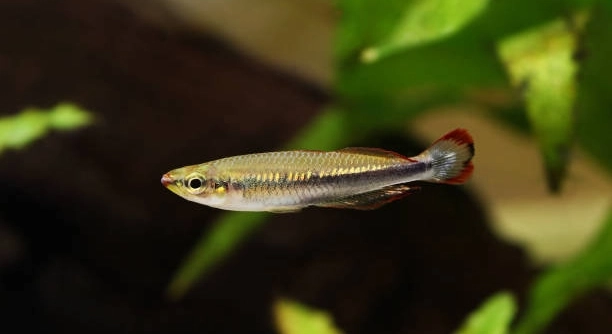
Are your rainbowfish spending more time rubbing against rocks than swimming freely? Observing this unusual behavior can feel concerning, especially when you want your fish to thrive in a healthy, comfortable aquarium environment.
Rainbowfish often rub against rocks due to irritation caused by parasites, poor water quality, or skin conditions. This behavior may also indicate stress or attempts to remove excess slime coat, making it important to address environmental and health factors promptly.
Learning the causes and solutions behind this rubbing behavior can help maintain your fish’s well-being and create a calmer, healthier tank environment for all your aquatic pets.
Common Causes of Rock Rubbing
When I first noticed my rainbowfish rubbing against the rocks, I was worried it was something serious. Often, this behavior is triggered by parasites like ich or skin flukes. Poor water quality can also make fish uncomfortable, leading them to scrape against surfaces to relieve irritation. Hard or sharp decorations in the tank can cause minor injuries that encourage this behavior as well. Even stress from overcrowding, sudden changes in temperature, or aggressive tank mates may make rainbowfish feel the need to rub against rocks. Monitoring their behavior closely and checking for visible signs of redness, spots, or frayed fins can help identify the problem. Adjusting water parameters, performing partial water changes, and observing their interactions can reduce stress. Regular tank maintenance, like cleaning filters and ensuring smooth decorations, helps create a safer environment. Addressing both health and environmental factors together is usually the most effective approach.
Rubbing can indicate both minor discomfort and more serious health issues, so observation is key.
Creating a stable environment involves keeping water temperature and pH consistent, avoiding overcrowding, and ensuring proper filtration. Adding gentle plants or smooth decorations can give rainbowfish safe spaces to explore without risk of injury. Paying attention to diet and avoiding sudden changes in feeding also helps reduce stress-related rubbing. Regular monitoring for parasites or unusual behavior ensures problems are caught early. By combining preventive care with attentive observation, you can maintain a happy and healthy tank that minimizes rock rubbing behaviors in your rainbowfish.
Water Quality and Tank Setup
Clean water is essential for rainbowfish health. Dirty or unbalanced water can irritate their skin, leading to rubbing behavior.
Ensuring proper filtration, regular water changes, and monitoring ammonia, nitrite, and nitrate levels prevents irritation and keeps fish comfortable.
Tank setup also plays a big role. Smooth rocks and rounded decorations reduce the risk of injury. Avoid overcrowding and provide hiding spots to lower stress. A balanced, stable environment encourages natural behavior and minimizes scraping. Regular checks of temperature and pH keep conditions consistent. Choosing the right substrate and carefully arranging decorations ensures rainbowfish have enough space to swim freely. Water movement and aeration should mimic natural conditions to keep them active without stress. Feeding a varied, nutritious diet supports healthy skin and reduces the likelihood of rubbing. Observing your fish daily allows you to catch early signs of discomfort. Combining all these steps maintains an aquarium where rainbowfish feel safe, healthy, and less inclined to rub against rocks.
Parasites and Skin Irritations
Parasites like ich or flukes are common reasons rainbowfish rub against rocks. Small white spots, frayed fins, or visible irritation often accompany this behavior.
Treating affected fish quickly is essential. Medications specific to the parasite type can relieve discomfort, while quarantining sick fish prevents spread. Maintaining clean water and avoiding sudden changes also reduces the risk of infestations. Observation helps catch early signs, and treating the tank alongside the fish ensures a safer environment for all inhabitants. Removing infected decorations and vacuuming the substrate supports recovery and keeps the aquarium healthier overall.
Minor skin irritations can stem from scratches, rough decorations, or chemical residues. Softening water, smoothing surfaces, and avoiding harsh chemicals reduces rubbing. Ensuring a balanced diet with vitamins and trace elements supports skin healing. Frequent water checks and gentle handling prevent further stress or injury, making it easier for rainbowfish to recover naturally.
Stress-related rubbing can occur when rainbowfish feel threatened or overcrowded. Proper tank size, compatible tank mates, and hiding spots help reduce anxiety. Limiting sudden changes in temperature or lighting also minimizes stress responses, keeping fish calmer.
Stress and Environmental Factors
Overcrowding and aggressive tank mates can cause rainbowfish to scrape against surfaces. Space, calm companions, and predictable routines reduce tension.
Creating a calm environment starts with tank layout and decoration choices. Smooth rocks and plants provide safe areas to explore. Controlling lighting and maintaining consistent temperature prevent sudden stress. Observing interactions between fish helps identify aggressors, allowing adjustments before problems escalate. Even minor stress can lead to prolonged rubbing, so prevention is key. Maintaining a stable feeding schedule and avoiding frequent rearrangements further supports well-being. Combined with clean water and adequate filtration, these measures create a more secure, comfortable space for rainbowfish.
Diet and Nutrition
A poor diet can weaken rainbowfish, making their skin more sensitive and prone to irritation. Providing high-quality flakes, pellets, and occasional live or frozen foods keeps them healthy.
Balanced nutrition supports their immune system, helping prevent parasites and skin problems that lead to rock rubbing.
Observation and Early Detection
Regular observation allows you to notice changes in behavior or appearance. Catching problems early prevents serious health issues. Monitoring water parameters, fish activity, and interactions ensures timely intervention.
Treatment Options
Medications and water treatments can relieve parasites or skin infections. Quarantining affected fish prevents spreading issues to healthy tank mates. Proper dosing and following instructions carefully are essential.
Creating a Safe Tank Environment
Smooth rocks, plants, and ample swimming space reduce rubbing and injuries. Avoid sharp decorations and overcrowding to keep rainbowfish comfortable and stress-free.
FAQ
Why is my rainbowfish rubbing against rocks only at certain times of day?
This behavior often relates to changes in light, feeding schedules, or tank activity. Rainbowfish may feel calmer or more active during certain periods, making them more likely to notice irritations or seek relief. Adjusting lighting or feeding times can sometimes reduce this behavior.
Can rough decorations cause permanent damage?
Yes, sharp or rough rocks can scratch fins and scales. Repeated rubbing may lead to minor injuries or infections. Choosing smooth surfaces and observing your fish regularly helps prevent long-term damage.
Are parasites the most common cause of rubbing?
Parasites like ich or skin flukes are frequent causes, but stress and water quality issues are equally important. A combination of clean water, regular observation, and prompt treatment keeps rainbowfish healthy.
How do I check if my fish has parasites?
Look for white spots, redness, frayed fins, or unusual swimming behavior. Sometimes subtle signs appear before rubbing starts. Observing closely and comparing to healthy tank mates helps identify problems early.
Should I isolate fish that rub against rocks?
If rubbing is caused by parasites or infection, isolating affected fish is recommended. A quarantine tank prevents spread and allows easier treatment while monitoring recovery.
Can diet really affect skin irritation?
Yes, poor nutrition can weaken skin and immune defenses. Feeding a balanced mix of flakes, pellets, and occasional live or frozen foods supports overall health and reduces sensitivity.
Does water hardness or pH contribute to rubbing?
Yes, rainbowfish are sensitive to water parameters. Too high or low pH, or improper hardness, can irritate their skin. Regular testing and adjustments help maintain comfort and reduce rubbing.
Is rubbing always a sign of illness?
Not always. Mild rubbing can be normal behavior to remove excess slime coat or explore surfaces. Persistent or aggressive rubbing, however, usually signals a health or environmental issue.
How can I reduce stress in my tank?
Ensure enough space, calm tank mates, hiding spots, and stable lighting and temperature. Stress increases rubbing behavior and susceptibility to parasites or infections. Regular maintenance and gentle handling also help maintain a stress-free environment.
What immediate steps should I take if rubbing increases suddenly?
Test water quality, observe for signs of parasites, and check tank conditions. Isolate affected fish if needed and treat based on the suspected cause. Quick action prevents worsening issues and promotes faster recovery.
Can rubbing be prevented entirely?
Not always, but careful tank setup, smooth decorations, stable water conditions, balanced nutrition, and attentive observation minimize the likelihood. Preventive measures often keep rainbowfish healthy and reduce rubbing behavior significantly.
How long does it take for rubbing to stop after treatment?
It depends on the cause. Parasite treatment may show improvement within days, while stress or water quality adjustments can take longer. Continuous monitoring ensures the fish recovers fully and the behavior subsides.
Are there signs that indicate rubbing is severe?
Yes, excessive rubbing leading to torn fins, open sores, or lethargy signals a serious problem. Immediate intervention, including isolation and treatment, is necessary to prevent infection or further injury.
Can tankmates influence rubbing behavior?
Aggressive or overly active tankmates can stress rainbowfish, causing them to rub against rocks more frequently. Ensuring compatible species and adequate space reduces stress-related rubbing.
Is rubbing more common in certain rainbowfish species?
Some species with more delicate skin or longer fins may be more prone to rubbing. Observing your specific species helps tailor tank setup and care practices to their needs.
Should I change decorations if rubbing continues?
Yes, replacing rough or sharp rocks with smooth alternatives reduces injuries. Adding plants and soft substrates provides safe areas for exploration and helps minimize rubbing behaviors.
Does temperature affect rubbing behavior?
Sudden temperature shifts or inconsistent water temperature can stress rainbowfish and trigger rubbing. Keeping stable temperatures within the species’ preferred range helps reduce irritation and stress-related behaviors.
Are there any natural remedies for skin irritation?
Some aquarists use aquarium salt or herbal treatments, but these must be used carefully to avoid harming the fish. Proper dosing, tank type, and fish species must always be considered before application.
How often should I monitor my rainbowfish for rubbing?
Daily observation is ideal. Quick checks during feeding or tank maintenance help identify changes in behavior or skin condition early, allowing timely interventions to prevent more serious issues.
Can rubbing indicate multiple issues at once?
Yes, it often results from a combination of stress, parasites, poor water quality, or rough decorations. Addressing all possible factors ensures faster recovery and long-term well-being.
How do I maintain a rubbing-free tank long-term?
Regular water testing, careful decoration choices, balanced diet, stress reduction, and attentive observation keep rainbowfish healthy. Preventive measures and consistent care are the most effective ways to minimize rubbing behavior over time.
Is rubbing more common in new tanks?
Yes, new tanks often have unstable water parameters or leftover residues from decorations, which can irritate rainbowfish. Regular monitoring and conditioning new tanks before adding fish reduces rubbing behavior.
Can rubbing indicate boredom or lack of stimulation?
Occasionally, fish may rub or scrape to interact with their environment. Adding plants, hiding spots, and varied swimming areas provides stimulation and reduces repetitive rubbing behavior.
Should I consult a vet for persistent rubbing?
Yes, if rubbing continues despite addressing water quality, parasites, and tank conditions, a vet experienced with fish can diagnose underlying health issues and recommend proper treatment.
Can stress from frequent handling increase rubbing?
Yes, frequent or rough handling causes anxiety, making rainbowfish more likely to rub against rocks. Minimizing handling and maintaining a stable environment reduces stress and related behaviors.
Do juveniles rub more than adult rainbowfish?
Juveniles may rub more due to developing immune systems, smaller size, and sensitivity to environmental changes. Extra attention to water quality, diet, and tank setup helps them adjust safely.
How can I tell if rubbing has stopped?
Look for calm swimming, smooth fins, and absence of scraping against surfaces. Consistent behavior over several days without rubbing indicates recovery.
Rainbowfish rubbing against rocks is a behavior that can signal different issues in an aquarium. It is often linked to parasites, skin irritations, or stress, but it can also happen simply because of rough surfaces or environmental changes. Observing your fish closely helps you identify patterns in their behavior and notice any visible signs of discomfort. Small details, like frayed fins, spots, or unusual swimming, often reveal the cause before it becomes a serious problem. Keeping an eye on daily activity and comparing behaviors among all tank inhabitants can give a clearer picture of what might be triggering the rubbing. Early detection is always easier to manage and prevents minor issues from turning into larger health concerns.
Maintaining good water quality is one of the most effective ways to reduce rubbing behavior. Rainbowfish are sensitive to changes in pH, hardness, and temperature, and even minor fluctuations can irritate their skin. Regular water tests, partial water changes, and a properly functioning filter help keep the tank stable. Tank setup also plays a role in reducing rubbing. Smooth rocks, rounded decorations, and plenty of open swimming space give the fish room to move without scraping themselves. Plants and hiding spots provide areas for relaxation and reduce stress, which is another common reason for rubbing. Feeding a balanced diet rich in nutrients also supports healthy skin and immunity, making the fish less likely to show rubbing behavior from irritation.
Addressing stress and environmental factors is just as important as treating potential health issues. Overcrowding, aggressive tank mates, and sudden changes in lighting or temperature can make rainbowfish anxious. Reducing stress involves creating a calm and predictable environment, giving fish enough space to swim freely, and observing interactions between tank mates. Quarantining sick or newly introduced fish can prevent the spread of parasites and avoid additional stress for the established inhabitants. Regular observation, preventive care, and attention to water quality, diet, and tank layout work together to keep rainbowfish healthy and comfortable. When all these factors are managed, rubbing behavior usually decreases, and the fish can thrive in a safe, balanced, and enjoyable aquarium.

Hello,
If you enjoy the content that we create, please consider saying a "Thank You!" by leaving a tip.
Every little bit helps us continue crafting quality advice that supports the health, happiness, and well-being of pets around the world, for pets of all shapes, sizes, and species.
We really appreciate the kindness and support that you show us!