
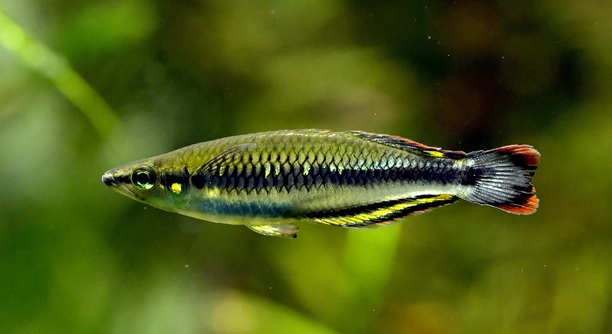
Rainbowfish are popular in home aquariums for their vibrant colors and active behavior. Many fish enthusiasts enjoy observing their playful movements and the way they interact with their environment on a daily basis.
Rainbowfish can develop preferences for certain objects in their tank due to familiarity and environmental enrichment. These attachments are not emotional in a human sense but are responses to consistent stimuli that provide comfort, security, or stimulation within their habitat.
Recognizing these behaviors can help you create a more engaging and comfortable space for your rainbowfish, improving their overall well-being and daily activity levels.
How Rainbowfish Interact with Their Environment
Rainbowfish are naturally curious and active, exploring every corner of their tank. They often swim around plants, rocks, and decorations, pausing near certain objects more than others. Over time, they may revisit these objects frequently. This behavior is not random. Objects that offer hiding spots or visual interest tend to attract repeated attention. The texture, color, and position of items in the tank can influence which objects become focal points. For example, a small cave or a brightly colored ornament may draw them consistently. Observing their preferences can help identify which objects provide comfort or stimulation. Regularly changing the layout can encourage activity but also disrupt attachments, so balance is key. Some rainbowfish may show attachment to objects that resemble natural structures in their habitat, such as stones or logs. These behaviors demonstrate their ability to recognize and interact with familiar surroundings, which supports both physical activity and mental engagement.
These repeated interactions highlight how environmental factors shape rainbowfish behavior and preferences, showing their subtle intelligence and adaptability.
Providing items that they revisit frequently can improve their daily activity and help maintain a stress-free tank environment for longer periods.
Signs Rainbowfish Prefer Certain Objects
Rainbowfish show attachment through repeated visits, hovering, or resting near particular items in the tank.
When rainbowfish consistently return to specific objects, it reflects their preference for stability and comfort. This attachment often manifests as lingering near ornaments, weaving through plants, or resting under rocks. Such behavior can indicate that the objects fulfill a need for shelter or provide visual stimulation. Over time, these preferences become predictable, allowing owners to observe patterns and understand their fish’s habits. Adjusting the tank to include these preferred items can reduce stress, encourage natural behaviors, and support overall health. However, attachment does not mean dependency; rainbowfish will still explore other areas. Monitoring how they interact with their surroundings can help maintain a balanced environment that meets their needs. Observing these behaviors allows owners to enhance tank design thoughtfully, providing enrichment while respecting the fish’s comfort zones and promoting active engagement.
Attachments to objects also offer insight into their behavioral patterns, which can inform better tank management and habitat design for healthier, happier fish.
Factors That Influence Object Attachment
Tank layout and decoration placement play a major role in which objects rainbowfish prefer. Items that provide hiding spots or interesting textures are more likely to attract repeated attention. Fish also respond to stable, consistent objects over time.
Water conditions and tank size can affect how rainbowfish interact with objects. In smaller tanks, objects may feel crowded, while larger tanks allow more freedom to explore multiple areas. Lighting can influence visibility and highlight certain decorations. The type of object matters as well; smooth stones, plants, or caves mimic natural habitats and encourage interaction. Even minor changes in the tank setup can shift their preferences, making observation important to understand their behavior and ensure a balanced environment that supports both activity and comfort.
Individual personality differences also influence object attachment. Some rainbowfish are naturally bolder, exploring new items quickly, while others are cautious, sticking to familiar objects. Age and health can play a role, as younger or more active fish may interact more frequently. Understanding these patterns allows for thoughtful tank arrangements that cater to both activity and comfort. Over time, recognizing preferences helps maintain an engaging and low-stress environment.
Maintaining Healthy Interactions with Objects
Objects should be safe, stable, and easy to clean to support positive fish interactions.
Choosing the right items ensures rainbowfish can explore without risk of injury or stress. Smooth decorations, anchored plants, and non-toxic materials are ideal. Regular cleaning prevents algae buildup and reduces the risk of bacteria, keeping the tank safe. Objects should not overcrowd swimming space, as freedom of movement is crucial for health and natural behavior. Observing how fish respond to new items helps identify which provide stimulation without causing stress or territorial disputes. Rotating or rearranging decorations gradually keeps the environment engaging while respecting their attachments.
Monitoring fish interactions with objects is essential for long-term well-being. Consistent observation allows adjustments to decorations, layout, and enrichment. Understanding their behavior patterns helps prevent stress-related issues, such as hiding excessively or avoiding certain areas. Objects that are frequently used can be emphasized, while underused items can be replaced or removed. Maintaining this balance ensures rainbowfish remain active, mentally stimulated, and comfortable in their environment. A carefully arranged tank enhances both health and behavior, encouraging natural exploration while supporting their subtle attachments to familiar objects.
Choosing the Right Objects
Select objects that are non-toxic and smooth to prevent injuries. Avoid sharp edges or materials that could leach chemicals into the water.
Sturdy decorations that stay in place allow rainbowfish to interact safely. Items that mimic natural habitats, like stones or plants, encourage exploration and engagement.
Observing Behavioral Patterns
Pay close attention to which objects your rainbowfish visit repeatedly. Patterns may indicate comfort or preference for certain shapes, colors, or locations in the tank. Observing these tendencies helps adjust the environment to better suit their needs and support natural behavior.
Adjusting the Tank Gradually
Introduce new objects slowly to avoid stressing the fish. Sudden changes can cause hesitation or avoidance.
Small, incremental adjustments allow rainbowfish to explore safely and gradually accept new elements without disrupting their established routines or attachments.
FAQ
Can rainbowfish really become attached to objects?
Yes, rainbowfish can show attachment to objects in their tank. This attachment is based on familiarity and comfort rather than emotion. They often revisit items that provide shelter, visual interest, or a sense of security. Observing these patterns can help you understand their preferences.
What types of objects do rainbowfish prefer?
Rainbowfish are drawn to items that mimic natural habitats. Smooth rocks, caves, and anchored plants are often favored. Brightly colored decorations can attract attention, but items offering hiding spots or resting areas tend to be revisited more consistently over time. Stability of placement is also important.
How can I tell if my rainbowfish is attached to an object?
Repeated visits, hovering, or resting near a particular item indicate attachment. Some rainbowfish may explore briefly but return to a favored object. Consistent interaction over days or weeks shows preference. Monitoring behavior helps identify which objects provide comfort and stimulation.
Does attachment to objects affect their social behavior?
Attachment does not replace social interaction. Rainbowfish still interact with other fish but may choose to spend more time near preferred objects. Objects can complement social environments by providing a secure area where fish feel safe, supporting both activity and social engagement.
Should I rotate or rearrange objects in the tank?
Gradual changes are best. Sudden rearrangements can cause stress or hesitation. Rotating items slowly allows fish to explore and accept new objects while maintaining familiarity with established favorites. This balance supports mental stimulation without disrupting their comfort zones.
Can rainbowfish become dependent on a single object?
While they may show strong preference for certain objects, rainbowfish do not develop emotional dependency. They continue to explore their environment and interact with other items. Understanding these preferences helps improve tank design and ensures their daily needs are met.
How does tank size influence object attachment?
Tank size affects exploration and interaction. In smaller tanks, objects may feel crowded, limiting movement and choice. Larger tanks provide more freedom to explore multiple objects. Observing which items attract attention can guide optimal placement and support both comfort and activity.
Do all rainbowfish show the same attachment behaviors?
No, individual personality plays a role. Some fish are naturally bolder, exploring new items quickly, while others are cautious and stick to familiar objects. Age, health, and past experiences also influence behavior. Observing each fish helps create a tailored and engaging environment.
Can attachments to objects improve fish well-being?
Yes, attachments provide mental stimulation and security. Familiar objects reduce stress and encourage natural behaviors like hovering, exploring, and resting. Properly selected decorations can enhance activity, support health, and create a more engaging tank environment.
How often should I monitor interactions with objects?
Regular observation is important. Watching daily behavior allows identification of preferences, adjustments to layout, and ensures objects remain safe and engaging. Monitoring helps prevent stress-related issues and supports long-term well-being of rainbowfish in their habitat.
What materials are safest for rainbowfish objects?
Non-toxic, smooth, and durable materials are best. Avoid sharp edges, plastics that can leach chemicals, or objects that may break easily. Anchored plants, ceramic caves, and smooth stones are safe and promote natural interaction without risk of injury or contamination.
Does lighting affect attachment?
Yes, lighting influences visibility and object appeal. Properly lit areas highlight favorite objects and encourage interaction. Too much light can cause stress, while low light may reduce engagement. Balancing light supports both comfort and activity around key tank items.
Can attachments change over time?
Yes, rainbowfish may shift preferences as they age or as tank conditions change. Introducing new objects gradually can refresh interest. Monitoring over time ensures that attachments continue to provide stimulation and support well-being.
Are attachments the same as territorial behavior?
Not exactly. Attachment is based on comfort and familiarity, while territorial behavior involves defending space from other fish. A rainbowfish may spend time near an object without aggressive behavior, showing preference rather than claiming ownership.
How can I enhance attachment safely?
Provide a mix of familiar and new objects, maintain stable placement, and ensure safety. Observing interactions allows adjustments to layout and enrichment. Gradual changes encourage exploration while respecting attachments, supporting both comfort and natural activity patterns in the tank.
Rainbowfish are fascinating creatures, not only for their bright colors but also for the ways they interact with their environment. Observing them can reveal subtle behaviors, including the preference for certain objects in their tank. These attachments are not emotional in the human sense but are based on familiarity and comfort. When a rainbowfish consistently revisits a plant, rock, or decoration, it shows that the object provides some benefit, whether as a hiding spot, resting place, or source of visual interest. Over time, these repeated interactions become predictable, allowing you to understand their habits more clearly. Providing objects that mimic natural structures, such as caves or smooth stones, can help support these behaviors, creating a tank environment that feels secure and stimulating for your fish. Noticing these patterns can make it easier to design a space that balances activity, exploration, and comfort.
Maintaining a healthy tank environment is crucial to supporting these interactions. Objects should be safe, non-toxic, and positioned in a way that does not crowd swimming space. Anchored plants, smooth rocks, and stable decorations encourage exploration without risk of injury. Gradual changes in the layout are better than sudden rearrangements, as rainbowfish may need time to adjust to new items. Observing which objects are favored helps guide these adjustments, ensuring that the tank remains both stimulating and comfortable. Environmental factors like lighting, water conditions, and tank size also play a role in how rainbowfish interact with objects. Larger tanks provide more room to explore and can support multiple areas of interest, while proper lighting enhances visibility and encourages engagement with decorations. Monitoring these factors helps maintain both the physical and mental well-being of your fish.
Understanding rainbowfish behavior can improve your ability to create a supportive and engaging habitat. Recognizing the objects they prefer, the way they explore, and the subtle differences in individual personalities allows for more thoughtful tank management. Some fish may be bolder and interact with new items quickly, while others stick to familiar objects for comfort. Both behaviors are natural and reflect how rainbowfish respond to their surroundings. By observing these patterns and providing safe, enriching decorations, you can encourage healthy activity, reduce stress, and support natural behaviors. A carefully arranged tank that respects these preferences enhances their overall well-being and makes it easier to maintain a balanced, engaging environment. Over time, paying attention to their interactions with objects can offer valuable insights into their needs and habits, helping you create a space where rainbowfish can thrive comfortably.

Hello,
If you enjoy the content that we create, please consider saying a "Thank You!" by leaving a tip.
Every little bit helps us continue crafting quality advice that supports the health, happiness, and well-being of pets around the world, for pets of all shapes, sizes, and species.
We really appreciate the kindness and support that you show us!