
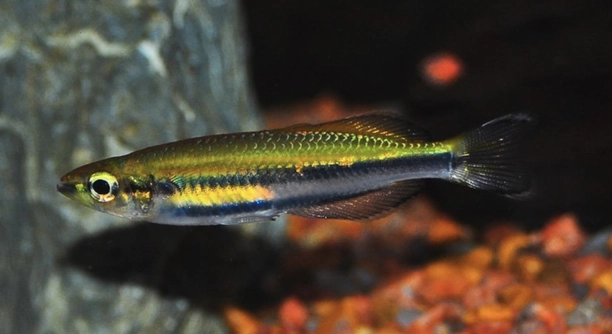
Rainbowfish are vibrant and active fish that many aquarists enjoy keeping. They bring color and movement to any tank, making them a popular choice. Maintaining their health requires attention to water quality and proper feeding routines.
Rainbowfish can survive without live plants in their aquarium, though their overall health and stress levels may be affected. Artificial decorations and proper water maintenance can support their survival, but live plants offer additional environmental enrichment and natural behavior opportunities.
Understanding the role of plants in a rainbowfish tank helps ensure their well-being and longevity, providing insight into creating a more balanced aquatic environment.
Benefits of Live Plants for Rainbowfish
Live plants create a more natural environment for rainbowfish, offering hiding spots and reducing stress. They help maintain water quality by absorbing nitrates and providing oxygen, which supports the fish’s health. Plants also encourage natural behavior, allowing rainbowfish to explore, graze, and interact with their surroundings more comfortably. Watching them swim among the greenery adds a peaceful, calming element to the tank. Over time, plants can reduce algae growth by competing for nutrients, keeping the tank cleaner. They also contribute to the overall balance of the aquarium ecosystem, benefiting all tank inhabitants. For those who appreciate the visual appeal, live plants add texture and color, complementing the rainbowfish’s bright scales. Even hardy plants like Java fern or Anubias can thrive with minimal care while still improving the environment. Including plants can make maintaining the tank simpler while promoting healthier, happier fish.
Even a few live plants can noticeably improve rainbowfish behavior and reduce signs of stress.
Adding live plants is not just decorative. They stabilize water chemistry, offer constant oxygenation, and allow rainbowfish to express natural behaviors. Over time, a planted tank requires less frequent cleaning, and the fish show brighter colors and increased activity. Different plant species provide layers of shelter, letting shy individuals feel secure while more outgoing fish remain visible. Fast-growing plants can absorb excess nutrients, limiting algae blooms that otherwise compete with the fish for space and light. Live plants also create microhabitats, encouraging subtle interactions between fish, such as chasing or schooling in shaded areas. While artificial decorations can mimic hiding spots, they do not contribute to water quality or oxygen levels. Maintaining live plants may require trimming or occasional fertilization, but the benefits outweigh the minor effort. Overall, incorporating a mix of foreground, midground, and background plants can transform a simple tank into a balanced, thriving habitat for rainbowfish.
Alternatives to Live Plants
Artificial plants provide color and hiding spaces without maintenance.
While they lack natural filtration, artificial plants can be combined with good tank practices to create a comfortable environment. Using silk or plastic plants can prevent the tank from looking bare, especially in setups where live plants are difficult to maintain. Some artificial plants have sturdy bases that keep them anchored while fish swim through. They do not compete for nutrients or require trimming, making them ideal for beginners or those with busy schedules. Pairing artificial plants with rocks, driftwood, or caves can mimic natural shelters, offering places for rainbowfish to feel safe. Regular water changes, proper filtration, and attention to water parameters are essential when skipping live plants, ensuring the tank remains healthy. Artificial plants can still encourage mild exploration and reduce stress, though they cannot fully replace the biological benefits of live vegetation. By carefully arranging decorations and monitoring water quality, it is possible to maintain a visually appealing and functional habitat for rainbowfish.
Tank Maintenance Without Live Plants
Without live plants, keeping water quality stable becomes more critical. Regular water changes and proper filtration are essential. Debris and waste can accumulate faster, so careful monitoring of ammonia, nitrite, and nitrate levels is required to maintain a healthy environment for rainbowfish.
Consistent water testing is necessary to prevent sudden spikes in harmful compounds. Without plants to absorb nutrients, leftover food and waste can lead to algae growth and water cloudiness. Using a reliable filter, performing partial water changes weekly, and removing uneaten food promptly can help. Maintaining the right temperature and pH levels also supports rainbowfish health. Even simple tanks require disciplined upkeep to avoid stress and disease.
Skimming the surface and vacuuming the substrate helps reduce organic buildup. Adding mechanical filtration media can capture debris, while chemical media helps remove toxins. Although it takes more effort, a clean tank without plants can still provide a safe, functional habitat for rainbowfish. Careful observation of fish behavior and appearance will indicate when adjustments are needed.
Feeding and Nutrition
Rainbowfish need a balanced diet to thrive, especially without plants in the tank.
High-quality flake food, supplemented with frozen or live foods, provides essential proteins and vitamins. Feeding small portions multiple times a day helps mimic natural grazing and prevents overfeeding, which can compromise water quality. Including occasional vegetable matter supports digestion and overall health.
When live plants are absent, nutritional needs become even more important. Without plant matter in the environment, rainbowfish rely entirely on the food provided. Rotating between flake food, micro pellets, and live or frozen brine shrimp and daphnia ensures variety and adequate nutrition. Some species benefit from finely chopped vegetables like spinach or zucchini, which can be lightly blanched for easier consumption. Monitoring feeding behavior is crucial; healthy fish remain active and maintain bright coloration, while picky eaters or stressed fish may lose weight. Feeding schedules should be consistent, with careful portion control to avoid water contamination and maintain optimal water chemistry for the fish’s well-being.
Choosing Tank Decorations
Decorations can provide hiding spots and visual interest when live plants are absent. Rocks, driftwood, and caves give rainbowfish secure areas to explore, reducing stress and encouraging natural behavior. Arranging decorations thoughtfully ensures open swimming space while maintaining shelter.
Using smooth-edged decorations prevents injury. Avoid sharp or rough materials that could damage fins or scales. Artificial plants or ornaments can fill gaps in the tank and create layered environments, making the space more engaging for the fish. Rotating or rearranging items occasionally can keep the environment stimulating and prevent boredom, supporting healthier activity levels.
Lighting Considerations
Proper lighting supports rainbowfish activity and enhances coloration. Bright but gentle lighting simulates a natural day-night cycle. Too intense light can stress the fish, while too dim lighting may reduce activity and vibrancy.
Monitoring Fish Behavior
Observing swimming patterns and interactions helps detect stress or health issues early. Changes in appetite, color, or activity levels often indicate water quality problems or environmental discomfort. Regular monitoring ensures timely intervention to maintain a healthy tank.
Alternative Oxygen Sources
Air stones or sponge filters can supplement oxygen in tanks without live plants. Proper water movement promotes gas exchange, supporting rainbowfish health and reducing the risk of low oxygen levels.
FAQ
Can rainbowfish survive long-term without live plants?
Yes, rainbowfish can survive without live plants if water quality is properly maintained. Regular water changes, effective filtration, and careful monitoring of ammonia, nitrite, and nitrate levels are crucial. While the absence of plants removes natural filtration and shelter, well-maintained tanks with decorations and hiding spots can still support healthy rainbowfish over time. Consistent feeding, proper oxygenation, and a stable environment help minimize stress and support natural behavior even without live vegetation.
Do artificial plants provide the same benefits as live plants?
Artificial plants mainly offer visual interest and hiding spaces. They do not improve water quality or contribute oxygen like live plants. While artificial plants reduce maintenance and prevent plant decay issues, they cannot replicate the biological benefits that live plants provide. Using artificial plants in combination with proper filtration, water changes, and tank cleaning can create a comfortable habitat, but the ecological balance provided by live plants is missing.
Will rainbowfish show signs of stress without live plants?
Rainbowfish may display subtle signs of stress when live plants are absent, including reduced activity, faded coloration, or hiding more frequently. Lack of natural cover can increase vulnerability, making fish feel exposed. Stress can affect appetite and immune response, so observing behavior closely is important. Adding decorations, caves, and artificial plants helps alleviate stress by providing shelter and visual barriers, improving overall well-being even in plant-free tanks.
Are there specific types of decorations that work best?
Smooth rocks, driftwood, and caves are ideal because they provide shelter and prevent injury. Avoid sharp or rough decorations that could damage fins or scales. Layering items at different heights creates visual depth and encourages natural swimming patterns. Artificial plants with soft leaves can complement the setup, offering extra hiding spots while minimizing maintenance. The goal is to mimic a natural environment as much as possible to support rainbowfish comfort and activity.
How often should water changes be done without live plants?
Water changes should be more frequent in tanks without live plants, ideally 20-30% weekly. Live plants naturally absorb nutrients and reduce waste, so without them, debris and organic matter accumulate faster. Regular water changes help maintain proper pH, oxygen levels, and low nitrate concentrations, which are essential for rainbowfish health. Monitoring water parameters frequently ensures timely adjustments, preventing stress or illness in the absence of live vegetation.
Can rainbowfish thrive on flake food alone without plants?
Flake food can sustain rainbowfish if it is high-quality and nutritionally complete, but variety is beneficial. Supplementing with frozen or live foods, such as brine shrimp or daphnia, ensures adequate protein and stimulates natural hunting behavior. Occasional vegetable matter supports digestion and adds essential vitamins. A balanced diet helps compensate for the absence of plant matter in the tank and supports growth, coloration, and overall health.
Is extra aeration necessary in a plant-free tank?
Yes, additional oxygenation can be helpful because live plants contribute to oxygen levels during photosynthesis. Using air stones, sponge filters, or strong water movement promotes gas exchange and keeps oxygen levels stable. Ensuring proper aeration prevents low-oxygen stress, which can lead to lethargy, rapid breathing, or susceptibility to disease. Monitoring fish activity and respiration helps determine if adjustments are needed.
Do rainbowfish behave differently in planted versus plant-free tanks?
Rainbowfish may be more cautious in plant-free tanks due to limited hiding spots. In planted environments, they often explore more freely and show natural schooling behavior. Providing artificial plants or well-placed decorations can encourage similar activity patterns and reduce stress. While live plants enhance behavioral expression, careful tank design allows rainbowfish to remain active, healthy, and visually appealing without live vegetation.
Can algae become a bigger issue without live plants?
Yes, algae may grow faster without live plants because there is less competition for nutrients. Regular cleaning, controlled feeding, and proper filtration help manage algae growth. Fast-growing artificial plants and decorations do not consume nutrients, so it is important to monitor water chemistry. Maintaining balanced lighting and nutrient levels can reduce algae outbreaks, keeping the tank clean and supporting rainbowfish health.
Are there long-term risks to skipping live plants?
The main risks are increased maintenance demands and potential stress on the fish. Without live plants, nutrient absorption, oxygen production, and natural hiding places are reduced. Fish may be more prone to disease or behavioral issues if water quality fluctuates. Careful tank management, consistent feeding, and well-designed decorations mitigate these risks, allowing rainbowfish to live healthy, active lives without live vegetation.
Final Thoughts
Rainbowfish are resilient and adaptable fish that can live in a variety of tank setups, including those without live plants. While live plants provide natural benefits like oxygenation, nitrate absorption, and shelter, their absence does not automatically mean the fish will struggle. With careful attention to water quality, proper filtration, and regular maintenance, a tank without live plants can still support healthy and active rainbowfish. Artificial decorations, caves, and silk plants can provide visual interest and hiding spots, helping to reduce stress and encourage natural swimming behaviors. By arranging the tank thoughtfully, it is possible to create a comfortable environment where rainbowfish feel secure and display their vibrant colors.
Feeding and nutrition become even more important when live plants are not part of the tank. Rainbowfish rely entirely on the food provided, so offering a balanced diet is essential for their health. High-quality flake food, combined with frozen or live foods such as brine shrimp, daphnia, or bloodworms, ensures they receive sufficient protein and vitamins. Occasional vegetable matter, like finely chopped spinach or zucchini, supports digestion and prevents nutrient deficiencies. Feeding smaller portions multiple times a day helps prevent water pollution, which can quickly become an issue in plant-free tanks. Monitoring fish behavior during feeding also gives insight into their well-being, as changes in appetite or activity can indicate stress or water quality issues that need attention.
Maintaining a plant-free tank requires consistency and careful observation. Regular water changes, substrate cleaning, and monitoring of ammonia, nitrite, and nitrate levels are critical to prevent harmful spikes. Additional aeration, through air stones or sponge filters, can help maintain oxygen levels in the absence of photosynthesizing plants. Observing rainbowfish behavior is an effective way to gauge the overall health of the tank; active, brightly colored fish are a good sign, while lethargy or faded colors may indicate environmental stress. Though live plants offer many benefits, it is clear that rainbowfish can thrive in a well-maintained, thoughtfully arranged plant-free aquarium. Attention to feeding, decoration, and water quality ensures a healthy habitat that supports both the physical and behavioral needs of these colorful and active fish.

Hello,
If you enjoy the content that we create, please consider saying a "Thank You!" by leaving a tip.
Every little bit helps us continue crafting quality advice that supports the health, happiness, and well-being of pets around the world, for pets of all shapes, sizes, and species.
We really appreciate the kindness and support that you show us!