
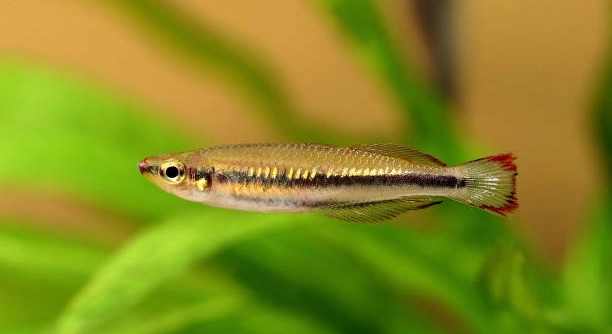
Do you ever notice your rainbowfish lingering in the shadowed corners of your tank, avoiding the brighter areas where light streams in? Their quiet presence in the darker spots can feel puzzling yet familiar.
Rainbowfish often stay in the darkest areas of an aquarium due to their natural instinct for shelter and stress avoidance. Limited light provides a sense of security, reduces predation risk, and helps maintain stable behavioral patterns in a captive environment.
Observing their habits closely reveals subtle cues about their comfort, health, and adaptation to their surroundings, offering valuable insight for a thriving aquatic habitat.
Understanding Their Preference for Shade
Rainbowfish naturally seek areas with less light, especially when adjusting to a new tank. The darker spots give them a sense of safety and help reduce stress. Overexposure to bright light can trigger hiding behavior or erratic swimming. Many aquarists notice that even healthy fish spend most of their time near plants or decorations, where shadows form naturally. Providing areas with varied light levels allows rainbowfish to choose what makes them most comfortable. Additionally, temperature fluctuations often correlate with light intensity, and the shaded parts of the tank tend to remain more stable. Observing their patterns over days helps identify their favored hiding spots. In some cases, the fish may only emerge during feeding or low-light periods. Ensuring gentle, indirect lighting and secure areas for retreat promotes healthier behavior, reduced stress, and better coloration. Their preference is instinctual, not a sign of poor care, but a reflection of their adaptive nature in confined spaces.
Creating shaded zones in your tank can significantly improve their overall activity and well-being.
Keeping plants, driftwood, or rocks in corners not only gives them hiding places but also creates a natural environment that encourages movement and interaction. Fish feel safer exploring when they can retreat quickly if startled. Shaded areas reduce aggressive interactions and mimic their natural habitats, allowing them to exhibit normal social behavior. Observing their daily patterns, such as swimming routes and preferred feeding zones, offers clues to their comfort levels. Adjusting light gradually, instead of sudden changes, prevents stress and supports healthy adaptation. While some species prefer more open water, rainbowfish benefit from layered tank setups. Live plants also improve water quality and provide surfaces for microorganisms, which rainbowfish may feed on. Choosing appropriate substrate, plant density, and ornaments can help balance aesthetics with functional shelter. Maintaining proper water conditions alongside these shaded areas ensures long-term vitality. This combination of security, enrichment, and environmental stability supports the fish’s natural instincts and enhances their overall health.
Feeding and Light Considerations
Rainbowfish may eat more actively in dimmer areas, especially if they feel secure and unthreatened.
Lighting and feeding routines directly influence how often they leave the shadows. Bright overhead lights can discourage feeding, while consistent low-light periods encourage exploration. Monitoring light cycles and adjusting feeding times helps balance nutrition with comfort. Some aquarists prefer morning or evening feedings, coinciding with natural light transitions, allowing rainbowfish to feed confidently. Overfeeding in poorly lit areas should be avoided to prevent water quality issues. Rotating light intensity gradually lets them adapt without stress. Pairing shaded feeding spots with visible food reduces competition and aggression. Proper diet and lighting management are essential for maintaining their coloration, energy levels, and social interaction.
A controlled light schedule ensures rainbowfish experience predictable patterns, promoting overall well-being. Bright lights can overwhelm them, while darkness or shaded areas offer relief. Feeding in secure areas helps reduce stress and encourages natural foraging behaviors. Adjusting light intensity gradually over days allows the fish to acclimate and maintain healthy routines. It also minimizes sudden exposure to bright light that may trigger hiding or aggression. Choosing the right type of lighting and placing fixtures strategically can support both plant growth and fish comfort. Observing their behavior in relation to light helps determine optimal tank setup. Over time, rainbowfish will find preferred zones for resting, socializing, and feeding. Balancing light and shade alongside consistent feeding schedules helps sustain energy, reduce stress, and maintain vibrant colors. By combining natural behaviors with thoughtful environmental adjustments, aquarists can create an engaging and healthy habitat that respects the fish’s instincts while promoting visible activity and well-being.
Tank Setup and Hiding Spots
Providing a variety of hiding spots is essential for rainbowfish comfort. Plants, rocks, and driftwood create shadows and secure areas, allowing them to retreat when stressed or resting. This encourages natural behavior and reduces aggression in social tanks.
Arranging decorations strategically allows rainbowfish to explore while always having nearby shelter. Taller plants near the tank edges create vertical cover, while shorter plants and rocks in the middle offer mid-level hiding areas. Driftwood can serve as both a visual barrier and a resting spot. A well-structured tank prevents dominance issues among fish and allows them to establish territories naturally. Varied hiding options reduce stress, making them more likely to swim openly when they feel safe. Careful attention to spacing and flow ensures that the tank remains navigable, preventing overcrowding while enhancing the environment’s complexity. Maintaining a clean substrate and regular water changes complements these structures, keeping the habitat healthy and inviting.
Even subtle differences in light exposure across the tank influence how often rainbowfish use these areas. They may favor one side during certain times of the day, responding to natural rhythms. Rotating decorations occasionally or adding new elements can encourage exploration and maintain interest. Observing these patterns helps determine if the tank layout meets their behavioral needs. Providing layers of cover also mimics their natural habitats, where light filters through vegetation and rocks. This approach supports calm, balanced interactions among tank mates. Combining visual appeal with functional design improves overall fish health and activity. Ensuring open swimming zones alongside shaded retreats creates a harmonious environment, allowing rainbowfish to express their instincts safely and confidently.
Water Conditions and Light Balance
Stable water conditions are key for rainbowfish comfort. Temperature, pH, and hardness should remain consistent, with gentle filtration that doesn’t create strong currents.
Sudden changes in temperature or chemistry can stress rainbowfish, prompting them to hide more frequently. Ideal temperatures typically range between 24–28°C, with slightly acidic to neutral pH and moderate hardness. Filtration should maintain water clarity while preserving gentle flow. Regular testing ensures parameters remain within acceptable ranges, preventing disease and stress. Shaded areas help buffer light exposure and minor temperature fluctuations. Adding floating plants can diffuse light and create softer zones. Water stability works hand in hand with proper tank structure, encouraging rainbowfish to swim confidently while still having secure areas for retreat. These conditions promote natural behavior, healthy growth, and vibrant coloration.
Balancing light intensity with water conditions directly impacts fish activity and stress levels. Bright lights can cause retreat, while too dim lighting may limit visibility for feeding. Using adjustable lighting allows gradual transitions between bright and shaded areas, mimicking natural light cycles. Maintaining consistent water quality alongside lighting stability supports immune function and reduces susceptibility to disease. Observing rainbowfish during different light phases helps identify their preferred zones. Combining stable conditions with shaded retreats encourages exploration, feeding, and social interaction. Gentle filtration prevents strong currents that might otherwise force hiding. This combination of careful water management and thoughtful light placement creates an environment where rainbowfish feel secure, active, and visually vibrant.
Social Dynamics and Hiding
Rainbowfish use shaded areas to manage social interactions. Subordinate fish often retreat to corners or behind plants to avoid conflicts with more dominant tank mates. This behavior reduces stress and allows them to observe without being threatened.
Providing multiple hiding spots ensures that all fish have safe retreats. Even in small groups, conflicts can arise over territory or food, and shaded areas give them space to decompress. Fish that feel secure are more likely to swim openly and interact positively during calmer periods. Hiding zones also support natural schooling behavior by allowing individuals to regroup safely. A variety of shelters promotes balanced social dynamics, minimizing aggression and encouraging stable relationships within the tank.
Observing Behavioral Changes
Shifts in hiding patterns can indicate changes in health or environment. Increased time in shadows may signal stress, illness, or discomfort. Monitoring these changes allows for timely adjustments in lighting, water conditions, or tank layout.
Lighting Adjustments and Comfort
Gradual light changes prevent sudden stress responses. Rainbowfish adapt better to slowly increasing or decreasing brightness, which mimics natural day and night cycles and helps them regulate activity.
Feeding in Low Light
Rainbowfish may feed more confidently in dimmer areas. Low light reduces competition and creates a sense of security, encouraging natural foraging behavior and balanced nutrition.
FAQ
Why do rainbowfish hide even in a well-maintained tank?
Rainbowfish may retreat to shaded areas even when water quality and temperature are ideal. This behavior is instinctual, as darker spaces provide a sense of security and allow them to observe surroundings without exposure. Hiding helps reduce stress, especially when adjusting to new tankmates or environmental changes.
Can too much light harm rainbowfish?
Yes. Excessive light can increase stress levels, trigger erratic swimming, and cause rainbowfish to hide more frequently. Bright lighting may also affect coloration temporarily and disrupt natural feeding patterns. Providing areas of indirect or diffused light helps them feel secure while allowing normal activity.
How can I encourage rainbowfish to swim more openly?
Introduce multiple shaded spots, plants, and decorations to balance light and cover. Gradually increase light intensity during observation periods so fish feel safe exploring. Consistent feeding routines in partially shaded areas can also encourage them to leave hiding spots.
Do rainbowfish prefer certain plants or decorations for hiding?
They tend to favor dense foliage, tall plants near tank edges, and driftwood that creates natural shadows. Rocks and caves at mid or bottom levels also provide retreat options. The key is layering cover so they can choose different zones for resting or observing.
Is hiding a sign of illness?
Not necessarily. While extended hiding can indicate health issues, rainbowfish naturally seek shaded areas to feel secure. Look for other signs such as loss of appetite, faded coloration, or unusual swimming patterns. Regular observation helps distinguish normal behavior from potential illness.
How does tank size affect hiding behavior?
Smaller tanks can limit available cover, causing fish to spend more time in the same shaded area. Larger tanks allow multiple hiding spots and encourage natural movement. Proper layout, including plants and decorations, ensures all fish have access to secure zones regardless of tank size.
Should I adjust feeding times if my rainbowfish hide?
Yes. Feeding during periods of lower light or near their preferred shaded areas can encourage activity. Small, frequent feedings reduce competition and make fish feel secure while eating. Avoid sudden changes in routine, as consistency helps them establish comfort and predictability.
Does water flow influence hiding behavior?
Strong currents can increase stress, prompting rainbowfish to seek refuge behind plants or decorations. Gentle filtration with moderate flow allows natural swimming patterns without forcing retreat. Observing swimming habits helps determine if adjustments are needed for comfort.
Can rainbowfish get used to bright light over time?
They may adapt gradually if light intensity is increased slowly. Sudden changes can cause stress and prolonged hiding. Combining gradual light adjustments with shaded retreats encourages confidence and natural exploration. Patience is essential for acclimating rainbowfish to brighter areas.
How many hiding spots are enough?
Multiple hiding spots at different levels—bottom, mid, and near the surface—ensure all fish can find refuge when stressed or resting. A mix of plants, rocks, and driftwood creates options for both social and solitary behavior. Observing fish preferences helps fine-tune placement for maximum comfort.
Does tank lighting affect coloration?
Indirectly. Comfortable fish with access to shaded areas often display brighter colors. Stress from constant bright light or lack of cover can dull coloration. Maintaining balanced lighting, along with proper nutrition and water conditions, supports vivid and healthy appearance.
How can I tell if my rainbowfish are comfortable in their hiding spots?
Comfortable fish move in and out of shadows naturally, interact with tankmates without aggression, and feed regularly. They may rest in shaded areas but still explore and swim confidently when conditions are stable. Monitoring their patterns over time indicates comfort levels.
What role do shadows play in social behavior?
Shadows allow subordinate or less confident fish to retreat safely, reducing conflicts. They provide areas to regroup and observe dominant fish without confrontation. Layered hiding options support schooling behavior and help maintain balanced social dynamics in the tank.
Are there specific light types better for rainbowfish?
LED lights with adjustable intensity or spectrum control are ideal. They allow gradual transitions between bright and shaded areas and help mimic natural daylight cycles. Fluorescent lights can work if combined with floating plants or other forms of shade to soften exposure.
Can overcrowding increase hiding behavior?
Yes. Overcrowded tanks limit available space and hiding options, forcing fish into fewer shaded zones. This increases stress, aggression, and health risks. Ensuring adequate tank size and multiple shelters mitigates these issues and encourages normal activity.
How often should I rearrange tank decorations?
Occasional rearrangement can encourage exploration but should be done gradually to avoid stress. Sudden or frequent changes may lead to prolonged hiding and disrupt established territories. Observing how fish respond to new layouts helps determine the best timing for adjustments.
Does tank background color affect hiding?
Darker backgrounds often make fish feel more secure, enhancing the effectiveness of shaded spots. Light-colored backgrounds may reduce the contrast of shadows, making fish feel exposed. Pairing background choice with plants and decorations supports comfort and natural behavior.
Can rainbowfish share hiding spots with other species?
Yes, but compatibility depends on temperament. Peaceful species can coexist in shared shelters, while aggressive or territorial fish may cause stress. Providing multiple options ensures all species can retreat safely when needed, minimizing conflict.
Do hiding spots influence breeding behavior?
Yes. Secure, shaded areas are essential for spawning, as rainbowfish prefer to lay eggs in protected zones. Adequate cover encourages natural mating rituals and increases the chances of fry survival. Observing preferred spots helps optimize breeding conditions.
What is the best way to monitor hiding behavior?
Regular observation during different light phases and feeding times is key. Note which areas fish use most, how often they retreat, and any changes in swimming or interaction patterns. This helps detect stress, illness, or environmental needs early.
Final Thoughts
Rainbowfish have a natural instinct to seek shelter in shaded or darker areas of the tank. This behavior is not a sign of poor care or illness, but a reflection of their desire for safety and security. Providing multiple hiding spots with plants, rocks, and driftwood helps them feel comfortable and allows them to exhibit natural behaviors. Observing where they spend most of their time can offer insight into their preferences and overall well-being. Their choice to stay in darker areas often varies with light intensity, water conditions, and social dynamics within the tank. Recognizing and supporting these instincts is essential for creating an environment that promotes both physical health and emotional security. A tank that combines open swimming areas with shaded retreats provides a balance that encourages exploration without compromising their need for safety.
Lighting plays a critical role in the comfort and behavior of rainbowfish. Bright, constant light can increase stress and lead to prolonged hiding, while gentle, diffused lighting allows them to feel safe while remaining active. Adjustable LED lighting or gradual changes in intensity help mimic natural light cycles and reduce sudden exposure to brightness. Shaded areas created by plants or decorations allow rainbowfish to move freely and choose when to remain in cover or explore open spaces. Feeding in partially shaded zones can also encourage more confident foraging behavior, ensuring all fish have access to food while maintaining their sense of security. Consistency in lighting, feeding schedules, and water conditions helps rainbowfish establish routine behaviors and reduces unnecessary stress. Over time, fish in supportive environments will display more natural swimming patterns, stronger coloration, and healthier social interactions.
Understanding water conditions and social dynamics further enhances the well-being of rainbowfish. Stable temperature, pH, and hardness are essential, as sudden changes can prompt stress-related hiding. Gentle filtration prevents strong currents that may force retreat while maintaining water quality. Social interactions can influence hiding behavior, as subordinate fish often seek shelter to avoid conflicts with dominant individuals. Multiple hiding spots reduce aggression, allow safe observation, and encourage schooling behavior without causing stress. Careful tank arrangement that considers both security and open swimming space ensures balanced social relationships and healthy activity. Observing fish regularly, adjusting light gradually, maintaining water quality, and providing layered hiding options creates a comfortable habitat where rainbowfish can thrive. Supporting these natural behaviors is key to fostering a vibrant, active, and healthy aquarium environment.

Hello,
If you enjoy the content that we create, please consider saying a "Thank You!" by leaving a tip.
Every little bit helps us continue crafting quality advice that supports the health, happiness, and well-being of pets around the world, for pets of all shapes, sizes, and species.
We really appreciate the kindness and support that you show us!