
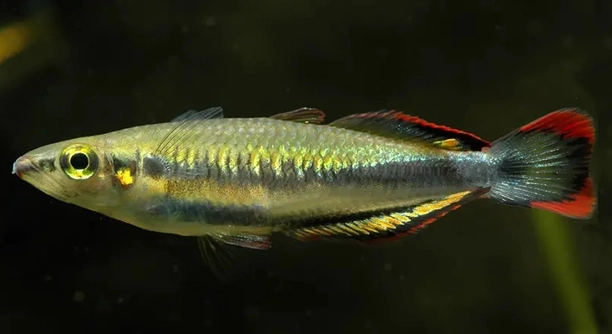
Do you love keeping rainbowfish but struggle to find the right tankmates that coexist peacefully? Mixing species can be tricky, and even experienced aquarists sometimes make mistakes that affect fish health and behavior.
Many aquarists commonly select incompatible species or overcrowd tanks when housing rainbowfish. Errors such as ignoring water parameter compatibility, mismatching temperaments, or failing to provide sufficient hiding spaces often lead to stress, illness, and aggressive interactions among tankmates.
Understanding these common mistakes can help you create a harmonious environment for your rainbowfish and ensure the long-term health and wellbeing of all your aquatic companions.
Overcrowding the Tank
Keeping too many fish in a single tank is one of the most common mistakes with rainbowfish. Overcrowding increases stress levels, reduces oxygen availability, and can cause aggressive behavior. Rainbowfish need space to swim freely and establish territories. Without enough room, their natural behaviors are restricted, which can lead to health issues. Overcrowding also makes it harder to maintain water quality, as waste accumulates more quickly. Filters can only do so much, and frequent water changes may become necessary. Smaller tanks are especially prone to these problems, so careful planning is essential before adding multiple species. It is also important to consider the adult size of rainbowfish when calculating the proper number of fish per tank.
Limiting the number of tankmates helps maintain cleaner water and reduces stress-induced illness among rainbowfish.
Providing ample space encourages active swimming and natural interactions. It also allows each fish to display its full coloration and reduces the risk of aggressive encounters. Careful attention to tank size ensures rainbowfish thrive physically and mentally, making them more vibrant and healthy over time.
Choosing Aggressive Tankmates
Selecting aggressive or territorial species can lead to constant harassment of rainbowfish. Aggressive tankmates often chase, nip fins, and intimidate rainbowfish.
Rainbowfish are generally peaceful, so pairing them with larger or dominant fish can cause injury and chronic stress. Aggression can stunt growth, suppress appetite, and lead to disease due to weakened immunity. Even if aggressive fish appear calm at first, territorial disputes can emerge quickly. Compatibility should be evaluated based on temperament, activity level, and swimming zones within the tank. Some species may tolerate rainbowfish temporarily but become problematic during breeding periods or as the fish grow. Avoid mixing rainbowfish with fin-nipping cichlids or boisterous barbs. Instead, choose species that occupy similar swimming areas and have compatible temperaments. Observing interactions in smaller groups before full introduction can prevent long-term stress. Ensuring rainbowfish coexist peacefully requires planning, patience, and a commitment to monitoring behavior regularly to maintain a balanced, healthy tank.
Ignoring Water Parameters
Maintaining proper water parameters is essential for rainbowfish health. pH, temperature, and hardness levels must be compatible with all tankmates to prevent stress and disease. Regular testing helps catch issues early and ensures a stable environment.
Rainbowfish thrive in slightly alkaline water with moderate hardness. Sudden changes in temperature or pH can shock their system, making them susceptible to illness. Tankmates that require very different conditions can create conflict, as some species may not tolerate the same water chemistry. Monitoring water parameters consistently, using a reliable test kit, and making gradual adjustments when needed helps maintain stability. This consistency promotes healthy growth, vibrant coloration, and overall well-being, preventing long-term stress or chronic conditions.
Providing a balanced environment requires paying attention to both the needs of rainbowfish and their tankmates. Compatible water conditions reduce aggression, encourage active swimming, and support reproduction. Stability is key for long-term tank health. Regular water changes, careful acclimation of new fish, and consistent monitoring ensure all species coexist comfortably. Understanding and maintaining these parameters is essential to prevent avoidable stress-related illnesses.
Overlooking Hiding Spaces
Rainbowfish need adequate hiding spots to feel secure. Without shelters, they may become stressed, hide constantly, or display aggression toward each other.
Providing decorations such as plants, rocks, or driftwood creates areas where rainbowfish can retreat when threatened or during rest. Hiding spaces help establish territories and reduce direct competition, especially in community tanks. Open swimming areas combined with shelters allow fish to express natural behavior while feeling safe.
Insufficient hiding spaces can also increase conflicts with tankmates. Even peaceful fish may act aggressively if they feel exposed. Structured environments balance safety with open areas for swimming. This encourages social interaction without constant stress. By thoughtfully arranging the tank, rainbowfish can explore freely, maintain their health, and display their full coloration. Consistent observation ensures all fish utilize hiding spots effectively and reduces the risk of injury.
Feeding Conflicts
Rainbowfish can be outcompeted at feeding time if tankmates are overly aggressive or fast eaters. Unequal access to food may lead to malnutrition and stunted growth.
Providing multiple feeding spots and monitoring portions ensures all fish get enough nutrition. Consistent feeding routines help maintain health and reduce stress among rainbowfish.
Incompatible Schooling Habits
Rainbowfish are active schooling fish and feel safest in groups. Keeping too few can cause stress and lethargy. They rely on a group for social interaction and security.
Ensuring a proper school size is critical for their mental and physical well-being. Small groups may become shy, hide frequently, or display erratic behavior. A minimum of six rainbowfish is generally recommended, though larger schools provide better social dynamics. Proper schooling reduces aggression among tankmates, encourages natural swimming patterns, and helps maintain vibrant coloration. Observing behavior over time allows adjustments to group size or tank layout, ensuring all fish remain active and healthy.
Neglecting Tank Maintenance
Regular cleaning and water changes are essential. Poor maintenance can lead to waste buildup, disease, and stress among rainbowfish and their tankmates.
FAQ
What tankmates are safe for rainbowfish?
Peaceful community fish are generally safe companions. Species that share similar water parameters and activity levels, such as danios, tetras, and smaller livebearers, tend to coexist well. Avoid aggressive or fin-nipping fish that may harass rainbowfish. Observing initial interactions helps confirm compatibility before full introduction.
How many rainbowfish should I keep together?
Rainbowfish are schooling fish and feel most comfortable in groups. A minimum of six is recommended to encourage natural swimming behavior and reduce stress. Larger groups create more stable social dynamics, promote activity, and help maintain bright coloration. Small numbers can lead to hiding, lethargy, or erratic behavior.
What is the ideal tank size for rainbowfish?
Tank size depends on the species, but most rainbowfish require at least 30 gallons for a small school. Larger species or bigger groups need 50 gallons or more. Adequate space reduces aggression, allows natural swimming, and prevents overcrowding-related health issues.
How often should I test water parameters?
Testing water weekly is a good practice. Monitor pH, temperature, hardness, and ammonia levels consistently. Sudden changes in water chemistry can stress rainbowfish and their tankmates. Using reliable test kits and making gradual adjustments helps maintain a stable and healthy environment.
Can rainbowfish live with cichlids?
Most cichlids are territorial and aggressive, making them poor companions for rainbowfish. Some very peaceful, small cichlid species may coexist in larger tanks with ample hiding spaces, but caution is needed. Observing interactions carefully is essential to prevent injury or stress.
What should I feed rainbowfish in a community tank?
Rainbowfish thrive on a varied diet, including high-quality flakes, pellets, and occasional live or frozen foods. Providing balanced nutrition ensures vibrant colors and good health. Feeding in multiple locations prevents competition and ensures all fish receive adequate portions.
How do I reduce stress in rainbowfish tanks?
Maintaining stable water parameters, proper group size, hiding spaces, and compatible tankmates reduces stress. Avoid sudden changes, overhandling, or overcrowding. Regular water changes and a predictable feeding schedule also support calm, healthy fish.
Why are my rainbowfish hiding constantly?
Hiding behavior often indicates stress, poor water conditions, or incompatible tankmates. Ensure proper schooling, sufficient hiding spots, and peaceful companions. Checking water quality and observing social dynamics can help identify and correct the underlying problem.
How do I introduce new fish to a rainbowfish tank?
Acclimate new fish slowly using drip or floating methods to prevent shock from temperature or pH differences. Quarantine new arrivals when possible to reduce disease risk. Introduce small numbers at a time and monitor interactions carefully.
What signs indicate aggression or illness?
Fin nipping, chasing, loss of appetite, color fading, or lethargy can signal aggression, stress, or disease. Early observation allows intervention, such as separating aggressive fish, adjusting tank layout, or improving water quality. Prompt action prevents worsening health issues and protects the entire community.
How often should I clean the tank?
Partial water changes of 20-30% weekly help maintain cleanliness. Removing uneaten food and debris prevents ammonia spikes. Cleaning filters according to manufacturer guidelines ensures efficient filtration without disrupting beneficial bacteria. Regular maintenance supports long-term health and stability.
Can rainbowfish breed in a community tank?
Breeding is possible if water parameters, tank size, and hiding spaces meet their needs. Eggs may be eaten by tankmates, so providing spawning mops or separate breeding tanks increases survival. Monitoring pair behavior helps identify compatible breeding partners.
Do rainbowfish need special lighting?
Moderate lighting enhances colors and supports live plants. Too much light can stress fish, while too little can dull coloration. Simulating natural day-night cycles promotes regular activity and healthy behavior patterns.
Is it okay to mix different rainbowfish species?
Mixing species is possible if water parameters and temperament are compatible. Closely related species with similar sizes and behaviors are safer to house together. Avoid pairing highly aggressive or territorial species with peaceful types to reduce stress and injury risk.
How do I prevent fin damage in a community tank?
Avoid fin-nipping species and provide ample space for swimming. Structured environments with plants or decorations reduce direct competition. Maintaining a proper school size, stable water, and compatible tankmates also minimizes aggression and fin injuries.
What is the best temperature range for rainbowfish?
Most rainbowfish prefer 74-78°F. Consistent temperatures support metabolism, immune function, and natural activity. Sudden fluctuations can cause stress and increase susceptibility to illness. Using a reliable heater and monitoring regularly ensures stability.
Can rainbowfish tolerate brackish water?
Rainbowfish generally prefer freshwater, though some species tolerate slight brackish conditions. Maintaining appropriate salinity levels and monitoring behavior is important, as excessive salt can stress or harm them. Freshwater setups are safer for long-term health and growth.
How do I know if my rainbowfish are happy?
Active swimming, bright coloration, social schooling behavior, and consistent feeding indicate healthy, stress-free fish. Hiding occasionally is normal, but persistent lethargy, aggression, or pale colors suggest environmental or social issues that need addressing.
What decorations are best for rainbowfish tanks?
Plants, driftwood, and rocks provide hiding spaces and territorial boundaries. Open swimming areas combined with decorations allow natural behaviors. Avoid overcrowding the tank with obstacles, as rainbowfish need room to swim and display vibrant colors.
How do I handle sick fish without stressing the tank?
Isolating sick fish in a quarantine tank reduces disease spread. Treating with appropriate medication while maintaining water quality helps recovery. Avoid disturbing healthy fish unnecessarily and monitor all tankmates for signs of illness during treatment.
Can rainbowfish live with shrimp or snails?
Small, peaceful invertebrates like snails and certain shrimp species usually coexist well. Ensure tankmates are not aggressive toward invertebrates, and provide hiding spaces. Monitoring behavior helps prevent predation or stress among smaller tank inhabitants.
How often should I feed my rainbowfish?
Feed two to three times daily in amounts they can consume within a few minutes. Avoid overfeeding, which can degrade water quality. A balanced diet of flakes, pellets, and occasional live or frozen foods maintains health and coloration.
What is the lifespan of rainbowfish in a well-maintained tank?
Most species live 5-8 years with proper care. Maintaining water quality, proper group size, nutrition, and compatible tankmates supports longevity. Regular monitoring and preventive care help rainbowfish reach their full lifespan while remaining healthy and active.
Can stress affect rainbowfish coloration?
Yes, stressed fish often lose vibrancy, appear pale, or hide frequently. Providing stable water conditions, compatible companions, proper schooling, and sufficient space helps maintain bright, healthy colors. Stress reduction directly improves their appearance and overall health.
How do I acclimate rainbowfish to a new tank?
Float the bag in the tank to match temperature, then gradually add tank water to the bag over 30-60 minutes. Slowly releasing fish reduces shock from temperature and water chemistry changes, supporting a smooth transition.
Are live plants necessary for rainbowfish tanks?
Live plants provide hiding spaces, improve water quality, and create natural boundaries. While not strictly necessary, plants enhance security, reduce stress, and support healthier social behavior and vibrant coloration among rainbowfish.
What should I do if my rainbowfish are stressed?
Check water parameters, provide hiding spots, ensure proper school size, and verify tankmate compatibility. Reducing overcrowding, improving diet, and maintaining stable conditions often restores calm behavior and natural activity.
How do I introduce new tankmates safely?
Acclimate newcomers slowly, monitor behavior, and provide hiding areas. Introducing compatible fish in small numbers minimizes aggression and allows rainbowfish to adjust gradually, preventing stress and injuries.
Is it normal for rainbowfish to jump?
Rainbowfish can jump, especially when startled or during feeding. A tight-fitting lid or hood prevents escapes. Providing adequate swimming space and a calm environment reduces the likelihood of jumping accidents.
Can rainbowfish adapt to slightly different water conditions?
Some adaptability exists, but sudden or extreme changes can cause stress or illness. Gradual adjustments and careful monitoring help rainbowfish acclimate safely to new water parameters without long-term harm.
How do I encourage natural behavior in rainbowfish?
Provide open swimming space, a proper school size, hiding areas, and compatible companions. Balanced lighting and consistent feeding routines support natural activity, social interaction, and vibrant coloration, keeping rainbowfish healthy and visually appealing.
What are the signs of overfeeding in rainbowfish?
Uneaten food, cloudy water, and bloated fish indicate overfeeding. Overfeeding increases waste, decreases water quality, and can lead to obesity or digestive issues. Feed measured portions and remove excess food promptly to maintain a clean, healthy tank.
Can rainbowfish live in a planted tank?
Yes, they thrive in planted tanks. Plants provide hiding spots, create natural boundaries, and improve water quality. Combining open swimming areas with plants encourages healthy behavior and reduces stress among rainbowfish.
How do I prevent disease in a rainbowfish community tank?
Regular water changes, proper feeding, compatible tankmates, and quarantine for new fish reduce disease risk. Monitoring water parameters and observing behavior ensures early intervention when issues arise, maintaining a healthy environment for all fish.
Are rainbowfish sensitive to tank vibrations or noise?
Yes, excessive vibrations or loud noises can stress rainbowfish. Position the tank in a quiet, stable area to reduce disturbances and maintain a calm environment that promotes natural behavior and coloration.
What is the best substrate for rainbowfish tanks?
Fine gravel or sand works well, allowing natural foraging behavior without injuring delicate fins. Avoid sharp or rough substrates that could damage fish. Substrate choice also influences plant growth and overall tank aesthetics.
How do I know if my tank is overcrowded?
Signs include aggressive behavior, hiding, stunted growth, poor water quality, and frequent stress. Calculating fish volume relative to tank size and observing interactions ensures proper stocking levels for rainbowfish and tankmates.
Can rainbowfish live in a community with bettas?
Bettas can be aggressive, particularly males, making them risky companions. Peaceful, non-fin-nipping species are safer alternatives. Close observation is required if a betta is introduced to ensure rainbowfish safety.
How do I handle aggression among rainbowfish?
Separate aggressive individuals if needed, provide hiding spaces, and ensure proper group size. Adjusting tank layout or rearranging decorations can reduce territorial disputes and restore harmony.
Are rainbowfish compatible with goldfish?
Goldfish have different temperature and water requirements, making them unsuitable tankmates. Rainbowfish prefer warmer, slightly alkaline water, while goldfish thrive in cooler conditions, increasing stress and health risks for both species.
How do I prevent fin rot in rainbowfish?
Maintain clean water, avoid aggressive tankmates, and provide a stress-free environment. Regular observation and prompt treatment of early signs help prevent fin rot and ensure healthy fins over time.
Can rainbowfish coexist with snails?
Most snails are peaceful and pose no threat. They help clean the tank and are generally ignored by rainbowfish, making them suitable tankmates for maintaining a balanced ecosystem.
What is the best way to monitor rainbowfish health?
Observe behavior, coloration, appetite, and swimming patterns daily. Regular water testing and attentive care allow early detection of stress, illness, or environmental problems, supporting long-term health and well-being.
How long does it take for rainbowfish to acclimate to a new tank?
Acclimation usually takes several days to a week. Proper introduction, stable water parameters, and monitoring for stress or aggression ensure a smooth transition and promote healthy adaptation.
Can rainbowfish tolerate mild fluctuations in temperature?
Minor, gradual fluctuations are tolerated, but sudden changes can stress fish and cause illness. Maintaining consistent temperature with a reliable heater is essential for stability and overall health.
How do I know if rainbowfish are eating enough?
Healthy rainbowfish are active, alert, and feed consistently. Unequal growth, weight loss, or pale coloration can indicate insufficient feeding, requiring adjustments to diet or feeding method.
Are rainbowfish schooling patterns affected by tank layout?
Yes, open swimming space combined with hiding spots encourages natural schooling. Poor layout can lead to crowding, stress, and uneven social interactions, affecting overall behavior and health.
What is the ideal pH range for rainbowfish?
Rainbowfish thrive in slightly alkaline water, typically pH 7.0-8.0. Stable pH supports metabolic function, coloration, and overall health. Sudden deviations can cause stress and increase disease susceptibility.
Can rainbowfish live with shrimp species?
Peaceful shrimp, like Amano or cherry shrimp, generally coexist well. Provide hiding areas to protect smaller shrimp from curious fish. Monitoring behavior ensures compatibility and safety for both species.
How often should I replace filter media?
Follow manufacturer recommendations. Regular replacement maintains effective filtration without disrupting beneficial bacteria. Cleaning or replacing media at proper intervals helps keep water clear and stable for rainbowfish and tankmates.
Do rainbowfish need supplemental vitamins?
A varied diet usually provides sufficient nutrients. Occasional supplementation can help maintain vibrant coloration and overall health, particularly during periods of stress, growth, or breeding.
What is the best way to handle a sick rainbowfish?
Quarantine the fish, maintain clean water, and provide appropriate treatment. Minimize stress, monitor closely, and isolate if necessary to prevent disease spread and promote recovery.
Can rainbowfish live with schooling tetras?
Yes, tetras with similar size and temperament are compatible. Ensure water parameters align, and provide sufficient space to prevent stress or competition, promoting peaceful coexistence.
How do I prevent algae buildup in rainbowfish tanks?
Moderate lighting, regular water changes, and avoiding overfeeding help control algae. Introducing algae-eating species, like snails or small shrimp, can assist in maintaining a clean environment.
What is the best diet ratio for rainbowfish?
A balanced mix of flakes, pellets, and live or frozen foods ensures optimal growth, coloration, and health. Varying protein and vegetable content provides complete nutrition and prevents dietary deficiencies.
How do I encourage breeding in rainbowfish?
Provide clean water, ample hiding spots, compatible pairs, and slightly warmer temperatures. Healthy, stress-free fish with proper nutrition are more likely to spawn successfully.
Can rainbowfish live in low-light tanks?
They can survive, but moderate lighting enhances coloration, supports plant growth, and encourages natural activity. Low light may reduce vibrancy and alter behavior patterns.
How do I prevent stress during tank maintenance?
Perform gradual water changes, avoid sudden temperature shifts, and limit disturbances. Clean filters and substrate carefully to maintain stability while minimizing stress for rainbowfish.
Are rainbowfish compatible with danios?
Danios generally coexist well due to similar activity levels and temperament. Ensuring adequate space and monitoring interactions prevents minor aggression and maintains harmony within the tank.
How do I acclimate rainbowfish to new water chemistry?
Gradually mix tank water with transported water over several hours. Slow acclimation prevents shock, reduces stress, and helps fish adapt safely to new chemical conditions.
Can rainbowfish tolerate slightly hard water?
Yes, most species tolerate moderate hardness. Maintaining stable water conditions ensures health and reduces stress, supporting growth, coloration, and natural behaviors.
How do I maintain a healthy rainbowfish community tank?
Ensure compatible tankmates, proper school size, stable water parameters, sufficient hiding spots, and balanced nutrition. Regular maintenance, observation, and preventive care support harmony and long-term health.
What is the maximum number of rainbowfish in a 50-gallon tank?
A 50-gallon tank can accommodate about 10-12 medium-sized rainbowfish comfortably. Maintaining proper group size and swimming space prevents overcrowding and stress, ensuring a healthy community.
Can rainbowfish live with guppies?
Yes, guppies are peaceful and compatible if water conditions match. Ensure ample swimming space and observe interactions to prevent occasional fin-nipping or competition for food.
How do I handle aggressive behavior between rainbowfish?
Separate aggressive individuals, provide hiding spots, adjust group size, and rearrange tank decorations. Monitoring behavior consistently prevents stress and ensures a balanced, harmonious environment.
Are rainbowfish sensitive to chemical additives?
Yes, harsh chemicals, medications, or cleaning agents can stress or harm rainbowfish. Always follow proper dosing instructions and avoid sudden chemical changes in the tank.
How often should I observe rainbowfish behavior?
Daily observation helps detect stress, illness, or aggression early. Regular monitoring allows timely intervention to maintain health, social harmony, and overall well-being in the tank.
Can rainbowfish live with mollies?
Mollies generally coexist well, sharing similar water parameters and temperaments. Adequate space and proper feeding practices prevent competition, allowing both species to thrive peacefully.
How do I reduce fin-nipping in rainbowfish tanks?
Avoid aggressive tankmates, provide hiding spaces, maintain proper school size, and ensure adequate swimming areas. Observation and adjustments to layout or stocking prevent persistent fin damage.
What is the best lighting schedule for rainbowfish?
12 hours of light and 12 hours of darkness simulates a natural day-night cycle. Consistent lighting promotes activity, coloration, and overall health without causing stress or algae overgrowth.
How do I prevent rainbowfish from jumping out of the tank?
Use a tight-fitting lid or hood. Reducing stress, providing adequate swimming space, and minimizing sudden disturbances decreases the likelihood of jumping accidents.
Can rainbowfish live with plecos?
Small, peaceful plecos are generally compatible. Ensure adequate space and provide hiding spots to prevent territorial disputes or stress for both species.
How do I maintain vibrant colors in rainbowfish?
Balanced nutrition, stable water conditions, proper lighting, and stress reduction support vibrant coloration. Providing a suitable environment and compatible tankmates enhances natural colors over time.
Are rainbowfish suitable for beginner aquarists?
Yes, with proper research, tank setup, and maintenance, rainbowfish are manageable. Their peaceful nature, schooling behavior, and adaptability make them rewarding for attentive hobbyists.
How do I handle water parameter fluctuations?
Gradually adjust pH, hardness, or temperature to prevent shock. Consistent monitoring and careful acclimation reduce stress and maintain healthy rainbowfish and tankmate interactions.
Can rainbowfish coexist with gouramis?
Peaceful gourami species may coexist if space and water parameters are suitable. Monitor interactions to prevent territorial disputes, particularly with larger or aggressive gouramis.
How do I encourage social behavior in rainbowfish?
Maintain proper school size, provide hiding spots, and ensure compatible tankmates. A well-structured environment and consistent feeding routines promote natural interaction and schooling behavior.
What are the most common health issues in rainbowfish?
Fin rot, ich, stress-induced disease, and nutritional deficiencies are common. Preventive care
Rainbowfish are lively and colorful additions to a community tank, but they require careful attention to thrive. Many mistakes made with tankmates can be avoided by planning ahead and understanding the natural behavior and needs of rainbowfish. Proper tank size, compatible species, and sufficient hiding spaces are fundamental for maintaining a peaceful environment. Overcrowding or introducing aggressive fish often leads to stress, illness, or even injury. Monitoring water parameters, such as pH, hardness, and temperature, is also essential to ensure all fish share a suitable habitat. When these factors are carefully managed, rainbowfish display vibrant colors, active swimming, and healthy social interactions, creating a balanced and visually appealing aquarium.
Feeding and nutrition play an equally important role in rainbowfish health. Incompatible or overly competitive tankmates can cause some fish to miss meals, resulting in stunted growth and weakened immune systems. Offering food in multiple locations and maintaining a balanced diet of flakes, pellets, and occasional live or frozen foods ensures that all rainbowfish receive adequate nutrition. Regular observation during feeding times helps identify if any fish are being outcompeted. Consistent feeding routines, combined with clean water and proper maintenance, reduce stress and allow rainbowfish to thrive. Even small changes, like adjusting the number of fish or the placement of decorations, can significantly improve overall health and social harmony.
Finally, creating a stable and enriching environment is key to long-term success. Providing structured areas for swimming and hiding, maintaining proper group sizes, and introducing new fish slowly reduces stress and aggression. Regular cleaning, monitoring water quality, and observing fish behavior help prevent illness and detect early signs of problems. Rainbowfish are naturally active and social, and when given the proper conditions, they exhibit lively schooling behavior and vibrant coloration. Paying attention to these details not only ensures the well-being of rainbowfish but also supports a harmonious community tank where all species can coexist peacefully and healthily.

Hello,
If you enjoy the content that we create, please consider saying a "Thank You!" by leaving a tip.
Every little bit helps us continue crafting quality advice that supports the health, happiness, and well-being of pets around the world, for pets of all shapes, sizes, and species.
We really appreciate the kindness and support that you show us!