
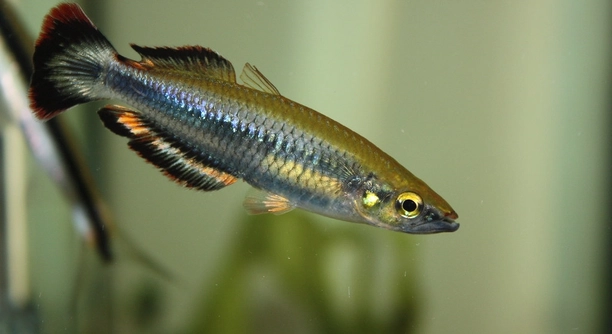
Rainbowfish are small, colorful freshwater fish that brighten up any aquarium. They often show calm behavior after meals, leaving many hobbyists noticing long periods of stillness. Observing these moments can reveal interesting aspects of their natural habits.
Rainbowfish remain still after eating primarily to aid digestion. This stationary behavior allows energy to be focused on breaking down food efficiently. Reduced movement minimizes stress and prevents potential harm, supporting their overall health and well-being in their aquatic environment.
Understanding this behavior helps aquarists ensure proper feeding routines and maintain a healthy environment for their rainbowfish. These simple insights can improve care and enhance the fish’s daily life in the tank.
Digestive Patterns of Rainbowfish
Rainbowfish often pause after eating as part of their natural digestive rhythm. After consuming food, their bodies direct energy toward breaking down nutrients efficiently. Movement slows because excessive activity can interfere with digestion and may even cause discomfort. This stillness is more noticeable in smaller species, as their metabolic rate is faster. Aquariums with strong currents can amplify the effect, making fish appear more motionless than they actually are. Observing the fish over time shows that these pauses are temporary and usually last a few minutes to an hour, depending on the amount of food consumed. Feeding smaller portions more frequently can reduce long stationary periods and prevent overfeeding. The fish may also rest near plants or decorations, which offer a sense of security while they digest. Their colors remain vibrant even when still, showing that this pause is a healthy and normal part of their routine.
This resting behavior is essential for proper nutrient absorption and overall health in rainbowfish.
When rainbowfish are still after eating, it is often because they are actively digesting. Staying motionless helps prevent stress and supports a steady metabolic process.
Factors Influencing Post-Feeding Stillness
Water temperature significantly impacts how rainbowfish behave after meals. Cooler water slows metabolism, extending digestion time and increasing stillness, while warmer water accelerates processing. Feeding schedules also matter, as irregular or heavy feedings can lead to longer resting periods, whereas smaller, consistent meals support normal activity. Tank layout contributes as well; hiding spots and gentle currents allow fish to remain calm while digesting, while crowded or highly active environments can cause stress, prompting erratic movement or reduced eating. Diet type plays a role, too. Protein-rich foods demand more energy to break down, often resulting in longer pauses, whereas lighter vegetable matter is processed more quickly. Understanding these factors helps maintain healthy feeding habits and prevents unnecessary worry. Observing rainbowfish consistently provides insights into their preferences and responses, allowing caretakers to tailor conditions for optimal well-being and sustained vibrancy. Proper monitoring ensures the fish remain active, healthy, and visually stunning throughout daily activities.
Signs of Healthy Digestion
Rainbowfish that digest well remain calm and show consistent breathing. Their fins may gently flutter, and they often stay near mid-tank or slightly lower areas. This behavior indicates that they are processing food efficiently without stress, maintaining energy for normal activity once digestion is complete.
Observing their behavior after meals helps identify whether they are healthy. Fish that digest properly will return to normal swimming patterns within a reasonable time. Lack of movement combined with unusual coloration or floating near the surface could signal digestive issues. Providing a balanced diet and avoiding overfeeding reduces these risks. Regularly checking water quality also supports digestion, ensuring the fish’s environment remains stable. Proper lighting and gentle currents can further encourage normal eating and resting patterns, supporting overall vitality in the aquarium.
Even minor changes in behavior after feeding can indicate digestive adjustments. Sudden inactivity or staying at the tank bottom for extended periods may mean that the fish are responding to new food types or temperature shifts. Keeping a feeding log and observing patterns over days helps track normal responses. Providing familiar foods and maintaining consistency in meal timing reinforces healthy digestion. Plants and decorations also offer secure spots where rainbowfish can rest safely. Understanding these cues allows caretakers to respond quickly if issues arise, ensuring the fish remain comfortable and active.
Tips to Encourage Activity After Feeding
Offering smaller, frequent meals helps prevent prolonged stillness after eating. Feeding at regular times creates a predictable routine that the fish can adjust to, reducing stress and supporting steady digestion.
Providing a variety of foods ensures balanced nutrition, which supports energy levels and post-feeding activity. High-quality flakes, pellets, and occasional live or frozen foods offer essential nutrients without overloading the digestive system. Observing how rainbowfish respond to each type can help fine-tune feeding strategies. Water temperature should remain stable, as fluctuations can slow digestion and increase inactivity. Gentle tank currents encourage movement without causing stress. Arranging plants and hiding spots allows fish to rest securely while digesting. Over time, these practices help rainbowfish return to normal swimming faster after meals, supporting overall health and vitality in the aquarium.
Common Misunderstandings
Many people think rainbowfish staying still after eating is a sign of illness. In reality, this behavior is often normal and part of their natural digestive process, especially when food intake is moderate and the environment is stable.
Another misconception is that constant movement indicates health. Some stillness is beneficial, allowing the fish to conserve energy and process food efficiently. Overreacting to this calm behavior can lead to unnecessary stress in the tank.
Feeding Frequency and Its Effects
Feeding rainbowfish too much at once can lead to long periods of inactivity and potential digestive strain. Smaller, more frequent meals promote steady digestion and maintain energy levels. Observing how quickly fish resume swimming after eating helps determine the right portion size. Balanced nutrition ensures healthy growth and coloration. Varying the diet with high-quality flakes, pellets, or occasional frozen foods supports proper nutrient absorption. Overfeeding not only increases stillness but can also affect water quality, leading to other health issues. A controlled feeding routine encourages normal behavior, helping rainbowfish stay active and comfortable in their tank.
Monitoring for Digestive Issues
Sudden lethargy or floating at the surface after eating may signal digestive problems. Observing these patterns early allows for prompt intervention.
FAQ
Why do rainbowfish stay still right after eating?
Rainbowfish remain still after meals to aid digestion. Moving too much immediately after eating can interfere with nutrient absorption and place stress on their bodies. This pause allows energy to focus on processing food efficiently, which supports overall health and prevents digestive discomfort.
How long should rainbowfish stay still after a meal?
Typically, rainbowfish will remain calm for a few minutes up to an hour, depending on the amount and type of food they consumed. Smaller meals are digested faster, while protein-rich or larger portions can extend the resting period. Consistency in feeding schedules helps regulate this behavior.
Is stillness after feeding a sign of illness?
Not usually. Healthy rainbowfish naturally pause after eating. Illness may be suspected only if stillness is accompanied by other symptoms, such as faded color, clamped fins, rapid gill movement, or floating at the surface for long periods. Regular observation helps distinguish normal behavior from health issues.
Does water temperature affect post-feeding stillness?
Yes. Cooler water slows metabolism, extending digestion time, while warmer water accelerates it. Keeping the temperature stable within the recommended range for rainbowfish ensures normal digestion and prevents prolonged inactivity. Sudden temperature changes can stress the fish and impact feeding behavior.
Can overfeeding cause rainbowfish to stay still longer?
Overfeeding often results in extended stillness because the fish’s digestive system needs more time to process excess food. Frequent small meals are preferable to large ones, helping maintain normal activity levels and preventing digestive stress or water quality problems in the tank.
Do different types of food affect how long rainbowfish stay still?
Yes. Protein-rich foods, such as live or frozen small insects, require more energy to digest, leading to longer pauses. Flakes and vegetable-based foods are processed faster, resulting in shorter periods of inactivity. A varied diet ensures balanced nutrition and supports healthy digestion.
Is it normal for rainbowfish to rest near decorations after eating?
Absolutely. Rainbowfish often seek secure spots near plants or ornaments while digesting. This behavior provides safety and comfort, reducing stress while their body focuses on breaking down nutrients. Observing this behavior is a sign of a well-adjusted fish.
How can I encourage activity after feeding?
Feeding smaller, more frequent meals helps. Maintaining consistent feeding times and providing gentle water currents encourages normal swimming. Ensuring the tank is not overcrowded and offering enough space for movement also supports activity after meals. Proper care creates a comfortable environment for digestion and energy recovery.
When should I be concerned about prolonged stillness?
If rainbowfish remain inactive for hours, show color changes, lose appetite, or display abnormal swimming patterns, it may indicate a problem. Checking water parameters, feeding habits, and looking for signs of illness can help address potential issues early, preventing serious health consequences.
Can observing post-feeding behavior improve overall care?
Yes. Monitoring how rainbowfish behave after meals provides insights into their health, diet, and comfort in the tank. Adjusting feeding routines, water quality, and tank setup based on these observations ensures fish remain active, healthy, and vibrant. Consistent attention improves long-term well-being.
Do rainbowfish ever move while digesting?
They may make small movements, such as gentle fin fluttering or short swims, but they generally remain calm. Minimal activity allows digestion without stress. Excessive swimming immediately after eating is unusual and could indicate either stress or overfeeding.
How does tank setup affect post-feeding stillness?
A well-arranged tank with hiding spots, plants, and gentle currents encourages secure resting areas. Overcrowding or strong water flow can increase stress, causing erratic swimming or reluctance to feed. Proper tank layout supports normal post-feeding behavior and overall health.
Are younger rainbowfish more active after eating than adults?
Juvenile rainbowfish tend to resume swimming faster because their metabolism is higher and they digest smaller amounts of food more quickly. Adults may require longer resting periods, especially after larger meals, which is a normal difference related to age and size.
Can supplements or special foods change post-feeding behavior?
Some fortified or enriched foods may require extra digestion time, temporarily increasing stillness. Monitoring how fish respond to new foods helps determine whether this behavior is normal or indicates digestive stress. Adjustments in diet quantity or type can restore normal activity patterns.
How important is observing stillness for aquarium management?
Watching post-feeding behavior is a simple but valuable tool for maintaining tank health. It provides early indicators of dietary issues, water quality problems, or illness. Paying attention to these patterns helps caretakers make informed decisions that keep rainbowfish active, healthy, and comfortable in their environment.
Can multiple fish in one tank affect post-feeding stillness?
Yes. Social dynamics, competition, or overcrowding may cause some fish to delay feeding or move more than usual. Ensuring adequate space and balanced feeding routines helps all fish digest efficiently while maintaining normal post-feeding behavior. Observing interactions provides insight into tank harmony.
Does lighting impact post-feeding activity?
Bright or inconsistent lighting can stress fish, affecting digestion and stillness. A stable light cycle with moderate brightness encourages calm post-feeding behavior. Fish feel secure resting in consistent lighting conditions, supporting both digestion and daily activity routines.
Is it necessary to track post-feeding stillness over time?
Tracking behavior over days or weeks reveals patterns that indicate normal digestive responses or potential issues. A simple log of feeding times, portions, and observed stillness helps caretakers adjust routines and ensure rainbowfish remain healthy and active consistently.
Do rainbowfish ever digest while swimming actively?
Some minimal swimming may occur, but vigorous activity during digestion is uncommon. Excess movement can stress the fish and slow nutrient absorption. Most rainbowfish prefer stationary periods after eating to focus energy on processing food efficiently and safely.
Can environmental stressors increase post-feeding inactivity?
Yes. Poor water quality, strong currents, loud vibrations, or sudden changes in temperature can cause extended stillness after meals. Maintaining stable conditions and a low-stress environment supports normal digestion and helps rainbowfish recover energy promptly.
Does social hierarchy affect digestion and stillness?
Dominant fish may eat first and rest in safe spots, while subordinate fish might eat later or stay alert longer. Providing multiple feeding areas ensures all fish can eat comfortably and digest without interference, reducing stress-related stillness.
Are there differences between species of rainbowfish regarding post-feeding stillness?
Yes. Some species are naturally more active and resume swimming sooner, while others are calmer and may stay still longer after eating. Understanding species-specific tendencies helps tailor feeding routines and tank management for optimal care.
Can supplements like vitamins or probiotics reduce post-feeding stillness?
Supplements can support digestion and nutrient absorption, potentially reducing extended inactivity, especially if fish have minor digestive difficulties. Observing responses after introducing these aids helps assess their effectiveness and adjust feeding strategies accordingly.
How does age influence post-feeding stillness?
Younger rainbowfish digest quickly and resume activity faster, while adults may need more time to process larger meals. Age-related metabolism changes are natural and should be considered when planning feeding routines and portions.
Is stillness after eating more noticeable in small tanks?
Yes. Limited space may make stationary behavior more apparent. In larger tanks, fish can spread out while resting, so stillness is less obvious. Regardless of tank size, the behavior is normal and beneficial for digestion.
How often should I check on rainbowfish after meals?
Observing for 10–15 minutes after feeding is usually sufficient to monitor normal digestion. Frequent checks help identify abnormal behavior early without stressing the fish, ensuring they remain comfortable and healthy.
Does water pH or hardness affect post-feeding stillness?
Extreme pH or hardness levels can stress rainbowfish, impacting digestion and causing extended inactivity. Maintaining recommended water parameters ensures normal metabolic processes and minimizes unnecessary stillness, supporting overall health and vitality.
Can diet variety influence post-feeding behavior?
Offering a mix of protein, plant matter, and occasional live or frozen foods helps maintain balanced nutrition. Consistent diet quality supports healthy digestion, reducing prolonged stillness while promoting energy recovery and normal swimming patterns.
What is the best way to encourage normal activity after feeding?
Feed smaller, regular meals, maintain stable water conditions, provide hiding spots, and ensure gentle currents. Monitoring responses and adjusting routines as needed helps rainbowfish remain active, healthy, and comfortable, supporting overall well-being in the tank.
Final Thoughts
Rainbowfish staying still after eating is a normal and natural part of their behavior. This quiet period allows them to digest food efficiently, conserving energy while their bodies process nutrients. Observing this calm behavior can provide insight into their health and comfort within the aquarium. It is not a sign of laziness or illness in most cases, and recognizing this pattern can help caretakers feel more confident about their fish’s well-being. Over time, noticing how rainbowfish respond to meals and the length of their resting periods can help identify what is typical for each individual fish.
Proper feeding habits are essential to support healthy digestion and reduce unnecessary inactivity. Providing smaller, frequent meals instead of one large portion allows rainbowfish to absorb nutrients more effectively and avoid digestive strain. It is important to maintain a balanced diet with high-quality flakes, pellets, and occasional live or frozen foods. Each type of food affects digestion differently, so observing how long fish remain still after eating can indicate whether portions or types of food need adjustment. Consistency in feeding times helps rainbowfish establish a routine, making them more relaxed and predictable in their behavior, which also contributes to overall tank harmony.
Environmental conditions play a significant role in post-feeding behavior. Water temperature, quality, and gentle currents influence how quickly rainbowfish digest their meals and return to normal activity. Stable water conditions reduce stress and support regular metabolism, while sudden changes in temperature or poor water quality can prolong inactivity. Tank layout, including plants and hiding spots, offers security during digestion, allowing fish to rest without feeling threatened. Regular monitoring of their behavior, along with proper maintenance of water conditions and feeding routines, ensures that rainbowfish remain healthy, active, and comfortable in the aquarium. Understanding these factors allows caretakers to provide the best care, supporting both the fish’s immediate needs and long-term vitality.

Hello,
If you enjoy the content that we create, please consider saying a "Thank You!" by leaving a tip.
Every little bit helps us continue crafting quality advice that supports the health, happiness, and well-being of pets around the world, for pets of all shapes, sizes, and species.
We really appreciate the kindness and support that you show us!