
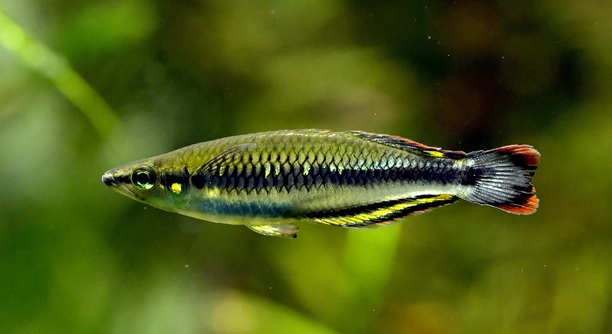
Do you love keeping rainbowfish in your aquarium but notice some seem more prone to illness than others? Observing their behavior and health can reveal subtle signs that their immune systems might be under stress.
Rainbowfish immune systems can be weakened by poor water quality, inadequate nutrition, overcrowding, temperature fluctuations, stress from frequent handling, exposure to pathogens, and insufficient hiding spaces. Each factor disrupts natural defenses, making them more susceptible to disease and infection.
Understanding these risks is essential for maintaining a healthy aquarium. We will examine the key factors that influence your rainbowfish’s well-being in detail.
Poor Water Quality
Maintaining clean water is essential for rainbowfish health. Dirty or poorly filtered water can increase ammonia, nitrite, and nitrate levels, which directly impact their immune systems. High ammonia can damage gills and skin, making it easier for infections to take hold. Regular water testing and changes help keep conditions stable. Chlorine or chloramine in tap water can also harm rainbowfish if not treated properly. Even small fluctuations in pH can cause stress, lowering immunity over time. Overfeeding contributes to waste buildup, worsening water quality. Using a reliable filtration system, performing partial water changes weekly, and monitoring water parameters ensures your fish remain healthy. Avoid overcrowding as it increases waste, further affecting cleanliness. Clear, stable water conditions reduce stress, prevent illness, and support natural defenses. Rainbowfish thrive in consistent environments, and careful attention to water quality can make a significant difference in their overall well-being.
Proper water management prevents many health problems before they start. Clean water supports stronger immune systems and reduces stress in your rainbowfish.
Neglecting water quality is one of the most common reasons rainbowfish fall ill. Pollutants and fluctuating parameters weaken their defenses, increasing vulnerability to infections. Even slight contamination can trigger long-term health issues if not addressed. Using water conditioners and testing kits regularly helps maintain balance. Aquariums with consistent water flow and filtration reduce harmful bacteria buildup. Avoid sudden water changes, as drastic shifts in temperature or pH can cause shock, further lowering immunity. Keeping substrates and decorations clean prevents decay and algae growth that affect water chemistry. Proper feeding routines reduce leftover food that decomposes and pollutes the tank. A stable, clean environment allows rainbowfish to focus energy on growth, reproduction, and maintaining a healthy immune system. Observing your fish for early signs of stress, such as unusual swimming or hiding, helps catch problems before they escalate. Regular attention to these details ensures long-term health and vitality in your aquarium.
Inadequate Nutrition
Feeding rainbowfish an unbalanced diet weakens their immune response. Lack of variety can lead to deficiencies in vitamins and minerals critical for disease resistance.
A proper diet should include high-quality flakes, pellets, and occasional live or frozen foods to provide necessary nutrients.
Rainbowfish require proteins, fats, vitamins, and minerals in appropriate amounts. Diets limited to a single type of food often lead to weakened immunity and stunted growth. Including a mix of foods helps replicate their natural feeding habits and supports overall health. Vitamins like C and E, along with trace elements such as zinc and selenium, are crucial for immune function. Live foods, like brine shrimp or daphnia, offer enrichment and promote natural foraging behavior. Overfeeding or underfeeding can also disrupt nutrient balance, making fish more prone to illness. Observing eating habits ensures each fish gets sufficient nutrition. Feeding small amounts multiple times daily prevents waste accumulation and keeps water cleaner, indirectly supporting immunity. By maintaining a varied, nutrient-rich diet, rainbowfish stay more resilient to disease and better equipped to recover from stress or minor infections.
Overcrowding
Too many fish in one tank increases stress and weakens immune systems. Overcrowding leads to competition for food, limited hiding spots, and poor water quality, all of which compromise rainbowfish health.
High-density tanks make it easier for diseases to spread. When rainbowfish are crowded, they often become stressed, which reduces their natural defenses. Limited space can trigger aggressive behaviors, further injuring or stressing individuals. Overcrowding also produces more waste, increasing ammonia and nitrate levels that directly harm gills and overall health. Even with strong filtration, excessive population density overwhelms the system, making it difficult to maintain optimal water conditions. Providing adequate space and observing social interactions helps keep fish calmer and less prone to illness. Proper stocking levels are essential to prevent both stress-related issues and the rapid transmission of pathogens within the aquarium.
Reducing crowding improves water quality and lowers stress, allowing rainbowfish to maintain stronger immune responses. It supports healthy behavior and reduces the likelihood of disease.
Temperature Fluctuations
Sudden changes in temperature stress rainbowfish and weaken their immune systems. Maintaining a stable, suitable temperature is critical for their overall health and vitality.
Rainbowfish are sensitive to temperature swings, which can occur from poor heating or external room changes. Rapid increases or decreases in water temperature disrupt metabolism, slow immune responses, and increase susceptibility to infection. Even small fluctuations over time can cause chronic stress, lowering disease resistance. Using a reliable heater, thermometer, and avoiding exposure to drafts or direct sunlight ensures stable conditions. Gradual adjustments are essential when changing tank temperature for maintenance or acclimating new fish. Consistency in temperature supports natural behavior, feeding, and immune function, allowing rainbowfish to thrive without unnecessary stress.
Long-term exposure to fluctuating temperatures leads to weakened health and frequent illnesses. Maintaining steady warmth ensures rainbowfish remain active, resilient, and less prone to disease.
Frequent Handling
Handling rainbowfish too often causes stress and weakens their immune systems. Even gentle netting or moving can trigger a stress response that lowers disease resistance.
Limiting handling to necessary situations, like tank maintenance or medical care, helps fish remain calm. Stress-free environments support stronger immunity and healthier behavior.
Exposure to Pathogens
Rainbowfish exposed to harmful bacteria, parasites, or fungi are more likely to develop illnesses. Poor quarantine practices or introducing infected plants and fish can spread disease rapidly. Maintaining clean equipment, using quarantine tanks, and monitoring new additions prevents infections. Healthy fish are less likely to succumb when pathogens are minimized.
Insufficient Hiding Spaces
Lack of hiding spots increases stress, which weakens immunity. Rainbowfish need plants, decorations, or rocks to retreat and feel secure.
Providing adequate shelters reduces stress, supports natural behavior, and helps maintain a strong immune system.
How can I tell if my rainbowfish’s immune system is weak?
Signs of a weakened immune system in rainbowfish include lethargy, loss of appetite, faded coloration, and unusual swimming patterns. Fish may also hide more than usual or display clamped fins. Frequent minor infections, like fin rot or fungus, are another indicator that their defenses are compromised.
What water parameters are ideal to keep rainbowfish healthy?
Rainbowfish thrive in stable water with a temperature between 24–28°C (75–82°F), pH around 6.5–7.5, and low levels of ammonia, nitrite, and nitrate. Consistent water changes, proper filtration, and regular testing prevent stress and immune suppression. Avoid sudden changes in temperature or chemical composition to maintain strong immunity.
How often should I feed rainbowfish to support their immune system?
Feeding rainbowfish small portions two to three times daily ensures they receive adequate nutrition without overloading the tank with waste. A varied diet of high-quality flakes, pellets, and occasional live or frozen foods provides essential vitamins and minerals, particularly vitamin C and E, which are critical for immune health.
Can overcrowding affect rainbowfish immunity?
Yes, overcrowding increases stress, limits oxygen, and promotes rapid disease transmission. Each fish requires sufficient space to swim and hide. Overcrowded tanks have higher waste levels, which degrade water quality, further suppressing immunity. Maintaining proper stocking density and providing hiding spaces reduces stress and improves overall health.
Do temperature changes really impact immune strength?
Rainbowfish are sensitive to temperature fluctuations. Rapid increases or decreases in water temperature can stress fish, reducing their ability to fight infections. Consistent temperature, monitored with a reliable heater and thermometer, supports metabolism, feeding, and natural defenses. Gradual adjustments are crucial during seasonal changes or tank maintenance.
How important are hiding spaces for rainbowfish health?
Hiding spaces reduce stress, which is directly linked to immune function. Plants, rocks, or decorations allow fish to retreat when feeling threatened or overwhelmed. Tanks lacking adequate shelters increase anxiety and susceptibility to disease. Providing multiple hiding options ensures rainbowfish feel secure and maintain stronger immunity.
Should I quarantine new fish before adding them to my tank?
Quarantining new fish for at least two weeks prevents the introduction of pathogens. New arrivals may carry bacteria, parasites, or viruses that stress established fish and weaken their immune systems. Monitor quarantined fish for illness and treat if necessary before joining the main aquarium. Clean equipment and avoid cross-contamination during this period.
What role does water quality play in preventing disease?
High water quality directly supports rainbowfish immunity. Ammonia, nitrite, and nitrate buildup damages gills and skin, leaving fish vulnerable to infections. Regular water changes, proper filtration, and careful feeding routines maintain a healthy environment. Consistency prevents stress-related illnesses and supports natural defenses.
Can stress from handling weaken immunity?
Frequent or rough handling causes immediate stress, lowering disease resistance. Limiting handling to essential activities like medical care or tank maintenance helps fish remain calm. Gentle techniques and minimizing disturbance support long-term health and reduce vulnerability to infections.
Are there supplements that boost rainbowfish immune systems?
While a balanced diet is most important, vitamin-enriched foods or occasional supplements can support immunity. Vitamins C and E, along with trace minerals, enhance resistance to disease. Supplements should complement, not replace, high-quality feeding and proper tank management practices.
How often should I monitor rainbowfish for signs of illness?
Daily observation is ideal. Watch for changes in behavior, coloration, or appetite, as early detection allows prompt treatment. Regular checks, combined with water testing and tank maintenance, ensure that minor problems do not escalate into serious health issues.
Can stress from other fish affect immune strength?
Yes, aggressive or overly active tankmates can stress rainbowfish. Stress suppresses immune function, making fish more prone to infection. Providing adequate space, monitoring social interactions, and separating aggressive fish help maintain a calmer environment and support immunity.
How can I prevent fungal or bacterial infections in rainbowfish?
Maintaining stable water conditions, avoiding overcrowding, providing a balanced diet, and quarantining new fish reduce infection risk. Clean tanks and equipment prevent pathogen buildup. Observing fish for early symptoms allows quick intervention and minimizes the impact on their immune systems.
Do rainbowfish need varied diets to stay healthy?
A varied diet is essential. Different foods provide a range of nutrients that support immune function. Incorporating flakes, pellets, and live or frozen options ensures rainbowfish get proteins, vitamins, and minerals necessary for growth, energy, and disease resistance. Repetition of a single food type can cause deficiencies and weaken immunity.
What are the long-term effects of ignoring immune system stressors?
Ignoring stressors like poor water quality, temperature fluctuations, overcrowding, or improper nutrition leads to chronic illness. Repeated infections, stunted growth, and shorter lifespans are common outcomes. Proactive management and monitoring prevent long-term health decline and maintain vibrant, active fish in the aquarium.
Maintaining rainbowfish health requires careful attention to multiple factors in their aquarium environment. Immune systems are fragile and can be affected by seemingly small issues, such as water quality, temperature changes, and stress from handling or overcrowding. Consistent care and observation are key to preventing illnesses before they start. By monitoring water parameters regularly, keeping the tank clean, and providing proper nutrition, you can reduce the likelihood of disease and support your rainbowfish’s natural defenses. Ensuring stable and appropriate conditions allows rainbowfish to thrive, display vibrant colors, and maintain active behaviors, which are all signs of strong immune health.
Balanced nutrition is another cornerstone of maintaining immunity in rainbowfish. A diet limited to one type of food can lead to deficiencies in essential vitamins and minerals, weakening disease resistance. Offering a mix of high-quality flakes, pellets, and occasional live or frozen foods provides the nutrients necessary for growth, energy, and immune function. Vitamins such as C and E are particularly important for supporting their defense systems. Feeding in controlled portions multiple times a day helps prevent overfeeding, which can affect water quality and further compromise immunity. Paying attention to how each fish consumes food ensures that all individuals receive adequate nutrition and stay healthy over time.
Stress management plays a critical role in long-term rainbowfish health. Stressors such as overcrowding, lack of hiding spaces, exposure to pathogens, or sudden environmental changes can suppress the immune system and make fish more susceptible to infections. Creating a calm and stable environment reduces anxiety and supports natural behavior. Providing adequate hiding places, monitoring social interactions, and quarantining new fish before introducing them to the main tank can minimize stress-related problems. By addressing these factors, you can maintain a strong, resilient population of rainbowfish and prevent the negative consequences of chronic stress. Consistent care and attention to their environment, nutrition, and social needs are essential for promoting overall well-being and immune strength.

Hello,
If you enjoy the content that we create, please consider saying a "Thank You!" by leaving a tip.
Every little bit helps us continue crafting quality advice that supports the health, happiness, and well-being of pets around the world, for pets of all shapes, sizes, and species.
We really appreciate the kindness and support that you show us!