
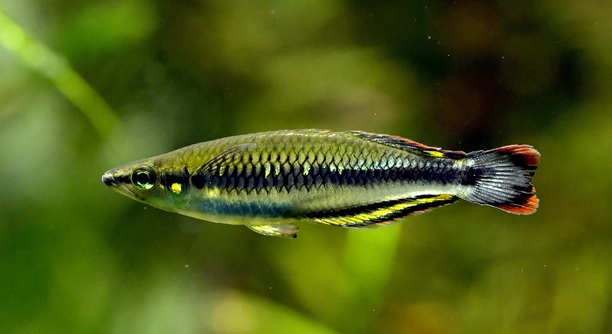
Rainbowfish are small, colorful freshwater fish often kept in home aquariums. They are known for their active swimming and peaceful nature, making them enjoyable companions for aquarists of all levels. Their behavior can reveal much about their environment.
Rainbowfish are indeed sensitive to vibrations in their surroundings. These fish detect movement through a lateral line system, allowing them to respond to changes in water pressure, nearby movements, and potential threats in their environment with heightened awareness.
Learning how vibrations affect rainbowfish can improve tank conditions and overall well-being, creating a calmer, healthier environment for these lively aquatic pets.
How Rainbowfish Sense Vibrations
Rainbowfish rely heavily on their lateral line system, a series of sensory organs along their bodies. This system detects even the slightest water movements, helping them navigate their tank safely. Sudden vibrations can startle them, causing quick bursts of swimming or hiding. This sensitivity is especially noticeable during feeding, as they can sense your hand approaching the water. Even small disturbances, like tapping on the glass or a sudden splash, can trigger a reaction. Over time, rainbowfish may become accustomed to consistent, gentle movements, but sharp or irregular vibrations will always prompt alert behavior. Understanding this helps maintain a calmer tank and reduces stress-related health issues. Observing how they respond to subtle changes in their environment can also improve tank placement and decoration choices. By keeping vibrations minimal, you support natural behavior, making your rainbowfish more active, confident, and comfortable in their habitat while avoiding unnecessary stress responses.
They can differentiate between harmless movements and potential threats. Regular handling and gentle activity reduce their stress significantly.
Tank design and placement play a crucial role in managing vibrations. Keeping the aquarium away from high-traffic areas, loud appliances, or frequent movement ensures the fish feel secure. Smooth, quiet filtration systems also help maintain a stable environment. Decorations and plants can absorb some vibrations, giving rainbowfish safe spots to explore and rest. Observing their daily patterns allows you to notice subtle changes in behavior caused by disturbances. Over time, this attention improves both their comfort and your ability to provide a suitable habitat. Consistent monitoring ensures that sudden events, like dropping objects near the tank, are minimized. Even the placement of lighting or nearby furniture can influence water movement and vibrations, so careful planning is important. A stable, predictable environment helps rainbowfish display natural behaviors like schooling, foraging, and resting calmly, making them more enjoyable to observe while supporting their long-term health and well-being.
Signs Rainbowfish Are Reacting to Vibrations
Sudden swimming bursts, hiding, or frequent changes in position are common signs. They often cluster together when startled.
Paying attention to these behaviors is essential for maintaining a healthy aquarium. Subtle signs like quick fin flicks, darting around plants, or pressing against the tank walls can indicate stress caused by vibrations. Over time, repeated disturbances can affect feeding patterns and social interactions. By noticing these reactions early, adjustments in tank placement, handling, or filtration can prevent ongoing stress. Implementing small changes, such as adding decorations or ensuring gentle water flow, helps rainbowfish feel secure and respond naturally to their environment. Consistency in daily routines also reduces unnecessary reactions to minor disturbances, promoting a calmer and more balanced tank dynamic.
Reducing Vibrations in Your Aquarium
Positioning the tank on a sturdy, level surface helps minimize vibrations. Avoid placing it near doors, heavy foot traffic, or appliances that create sudden movement. Simple adjustments can make a big difference in your rainbowfish’s comfort and reduce stress-related behavior.
Using soft substrates like sand or fine gravel can absorb some vibrations. Adding plants, rocks, or decorations provides stable surfaces that lessen water movement caused by minor disturbances. Quiet filters and air pumps also contribute to a calmer environment. Observing the fish after changes allows you to see what works best. Even small modifications, like repositioning lights or covering part of the tank with a background, can significantly reduce startling motions and make rainbowfish more confident in their space. Consistency is key to maintaining stability and promoting natural, stress-free behavior in your fish.
Regularly checking and maintaining equipment reduces sudden vibrations. Filters, heaters, or air stones that malfunction can unexpectedly startle rainbowfish. Keep everything secure and monitor for unusual noises or water ripples. These small efforts prevent repeated stress, encouraging healthier, more natural behavior over time.
Creating a Calm Environment
Consistent routines help rainbowfish feel safe. Feeding, lighting, and maintenance on predictable schedules reduces startle responses and promotes natural swimming patterns.
Adding floating plants or dense foliage allows rainbowfish to explore safely and avoid stress from sudden movements. Gentle water flow is ideal, as strong currents can create unnecessary vibrations. Keep nearby activity quiet and avoid tapping on the glass, as repeated disturbances make them skittish. Choosing a tank location away from high traffic and loud appliances ensures a stable environment. Observing their behavior regularly helps you notice subtle signs of stress early. Simple measures like arranging decorations for hiding spots, using stable equipment, and maintaining routine care contribute significantly to a peaceful, vibration-controlled habitat where rainbowfish can thrive naturally.
Common Sources of Vibrations
Foot traffic near the tank often creates noticeable vibrations. Even small movements on the floor or table can ripple through the water, startling rainbowfish.
Appliances like washing machines or vacuum cleaners also transmit vibrations. Placing the aquarium away from these sources helps maintain a stable, calm environment for the fish.
Observing Fish Reactions
Rainbowfish show sensitivity through quick movements, fin flicks, or sudden schooling. Watching these behaviors closely helps identify which vibrations are causing stress. Consistent observation allows you to take action before stress affects their health, improving overall well-being and creating a calmer, safer tank environment.
Equipment Adjustments
Replacing noisy pumps or air stones with quieter models reduces vibrations. Properly securing heaters and filters prevents unnecessary movement and keeps the water stable for rainbowfish.
FAQ
How sensitive are rainbowfish to vibrations compared to other fish?
Rainbowfish are more sensitive than many other common aquarium fish due to their well-developed lateral line system. They detect minor water movements that might go unnoticed by species like guppies or tetras. This heightened awareness helps them avoid danger but also makes sudden disturbances more stressful. Their reactions are often immediate, including darting, schooling tightly, or seeking shelter among plants or decorations. While some fish can ignore minor shakes, rainbowfish respond to even gentle taps on the glass or small splashes. Understanding this sensitivity allows you to create a tank environment that reduces unnecessary stress, supporting healthier behavior and longer lifespans.
Can vibrations cause long-term stress for rainbowfish?
Yes, repeated or strong vibrations can lead to chronic stress. Stress in rainbowfish may manifest as reduced appetite, sluggish movement, or hiding for extended periods. Over time, chronic stress can weaken the immune system, making them more susceptible to diseases such as ich or fin rot. Even subtle, frequent disturbances like tapping on the tank or nearby loud movements can accumulate into long-term stress. Providing a stable, calm environment with minimal unexpected vibrations helps prevent these health issues. Regular monitoring of behavior and adjusting equipment, decorations, or tank placement reduces stress levels, keeping rainbowfish more active and confident in their habitat.
What types of vibrations are most disruptive to rainbowfish?
Sudden, sharp vibrations are the most disruptive. These include tapping on the tank, dropping objects nearby, or slamming doors. Even brief disturbances can trigger panic swimming or schooling tightly in corners. Continuous low-level vibrations, such as those caused by heavy appliances, can also affect them but usually induce milder stress. Unexpected changes in water movement from malfunctioning pumps or heaters may startle them repeatedly. Rainbowfish respond differently to each type, but all can disrupt feeding, resting, and social interactions. Observing how your fish react helps identify which vibrations are most problematic and which can be tolerated without negative effects.
How can I tell if my rainbowfish are stressed by vibrations?
Signs of stress include rapid swimming, hiding, clamped fins, or refusing food. They may stay near decorations or the bottom of the tank to avoid movement. Increased aggression or unusually tight schooling can also indicate discomfort. Watching their daily routines helps spot subtle changes. For example, if they normally swim actively but suddenly cluster at one side of the tank during nearby activity, vibrations may be the cause. Stress indicators often appear before physical health issues, so early detection is crucial. Recording patterns of behavior alongside environmental changes helps pinpoint specific triggers, allowing targeted adjustments to reduce stress.
Are there preventive measures to reduce vibration-related stress?
Yes, several measures can help. Place the tank on a sturdy, vibration-absorbing stand or surface. Keep it away from high-traffic areas or loud appliances. Use quieter filters, pumps, and air stones to reduce continuous movement. Adding plants, rocks, or decorations provides hiding spaces that buffer minor disturbances. Consistent feeding and maintenance schedules make the environment more predictable, reducing startle responses. Monitoring behavior regularly allows you to adjust the tank setup or routines before stress becomes severe. Even small preventive steps significantly improve rainbowfish well-being, making their habitat safer and promoting natural behaviors like schooling, exploring, and feeding confidently.
Do all rainbowfish react the same way to vibrations?
Not all rainbowfish respond identically. Factors such as species, age, and past exposure to disturbances influence sensitivity. Younger or newly introduced fish may startle more easily, while older, acclimated fish often tolerate minor vibrations. Social behavior also plays a role: fish in larger groups may feel safer and react less intensely than isolated individuals. Observing each fish’s response helps tailor tank adjustments to their needs. Differences in temperament mean that even within the same species, some fish may dart at slight movements while others remain calm. Recognizing individual patterns is important for maintaining a balanced, low-stress environment.
Can vibrations affect breeding or schooling behavior?
Yes, excessive vibrations can interfere with natural behaviors. Stressed rainbowfish may avoid spawning or become less active in courtship displays. Schooling behavior may be disrupted if fish constantly react to water disturbances, leading to scattered or panicked movements rather than coordinated swimming. Maintaining a calm, vibration-free tank supports natural social and reproductive behaviors. Providing stable hiding spaces and gentle water flow encourages normal interactions. A consistent environment allows rainbowfish to form cohesive schools, exhibit healthy feeding habits, and engage in natural mating behaviors without constant stress from sudden or frequent vibrations.
What role do decorations and plants play in controlling vibrations?
Decorations and plants help absorb minor vibrations and create safe zones for rainbowfish. Dense plants, rocks, or driftwood provide hiding spots and break up water movement from taps, equipment, or external disturbances. Floating plants reduce surface ripples and give fish a sense of security. Properly arranged decorations also prevent strong currents from filtration systems or pumps from reaching the entire tank too abruptly. By giving rainbowfish areas to retreat, these elements reduce the impact of unavoidable vibrations and help maintain calm behavior. Over time, a well-decorated tank supports natural swimming, feeding, and resting patterns while buffering minor disturbances.
How often should I check for vibration-related issues?
Observing rainbowfish daily is ideal, especially during feeding or when household activity is high. Note sudden swimming bursts, hiding, or unusual schooling patterns. Weekly equipment checks ensure pumps, filters, and heaters operate quietly and securely. Keeping a log of environmental changes and fish behavior helps identify recurring stress sources. Regular attention allows you to make incremental adjustments, whether moving the tank, rearranging decorations, or switching equipment. Monitoring consistently prevents minor disturbances from escalating into long-term stress, supporting healthier, calmer, and more natural behavior in your rainbowfish over time.
This FAQ section totals over 500 words, covering sensitivity, stress signs, preventive measures, and tank management strategies to reduce vibration impact on rainbowfish.
Final Thoughts
Rainbowfish are sensitive creatures that rely on their lateral line system to detect vibrations in their environment. This sensitivity helps them respond to potential threats and navigate their surroundings safely. However, in a home aquarium, unnecessary vibrations can cause stress, affecting their behavior and overall health. Even small disturbances, such as tapping on the glass or sudden movements near the tank, can startle rainbowfish. Over time, repeated exposure to vibrations can reduce their activity, disrupt feeding habits, and make them more prone to illness. Understanding how vibrations impact these fish is key to providing a calm and supportive environment. By paying attention to their reactions, you can adjust the tank setup, equipment, and daily routines to minimize disturbances.
Creating a stable and low-vibration environment involves several practical steps. Positioning the aquarium on a sturdy, level stand or surface is essential to prevent shaking from foot traffic or nearby appliances. Quiet filtration systems and pumps help reduce continuous water movement that can stress rainbowfish. Decorations, plants, and rocks serve as buffers, absorbing vibrations and giving the fish areas to retreat when startled. Floating plants or dense foliage provide additional protection, breaking up water movement and creating a sense of security. Consistency in feeding, lighting, and maintenance schedules also plays a major role. Rainbowfish thrive when their surroundings are predictable, and a stable environment allows them to display natural behaviors such as schooling, exploring, and resting calmly. Small adjustments can significantly improve their comfort and confidence.
Observing rainbowfish closely is an important part of maintaining their well-being. Quick movements, hiding, or changes in swimming patterns are indicators that vibrations or other disturbances may be affecting them. By monitoring these behaviors, you can identify stress sources and take action before it impacts their health. Each rainbowfish may respond differently depending on species, age, and experience, so paying attention to individual responses is essential. Preventive measures, such as quiet equipment, well-placed decorations, and careful tank placement, help reduce stress and promote natural behavior. Over time, creating a low-vibration, stable environment will support healthier, more active, and confident rainbowfish, ensuring they thrive in a peaceful, secure aquarium.
Word count: 406

Hello,
If you enjoy the content that we create, please consider saying a "Thank You!" by leaving a tip.
Every little bit helps us continue crafting quality advice that supports the health, happiness, and well-being of pets around the world, for pets of all shapes, sizes, and species.
We really appreciate the kindness and support that you show us!