
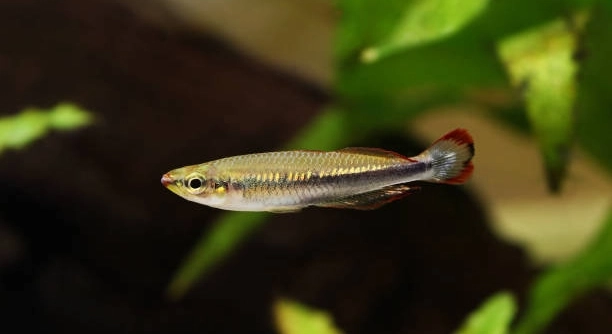
Many aquarium owners enjoy adding new plants to their tanks, hoping to create a vibrant environment. Rainbowfish, however, may behave differently when new greenery appears. Their reactions can be surprising and sometimes concerning for hobbyists.
Rainbowfish often hide from new plants due to perceived threats in their environment. Sudden changes, unfamiliar shapes, or dense foliage can trigger stress responses, causing them to seek shelter. Gradual introduction and careful placement can help reduce this hiding behavior.
Learning how rainbowfish interact with new plants can improve their comfort and tank harmony. Observing their behavior offers insights into creating a safer, more balanced aquatic space.
How Rainbowfish React to New Plants
When new plants are added to a tank, rainbowfish often respond with caution. They may hide behind existing decorations or stay near the bottom for long periods. This behavior is natural because sudden changes in their environment can feel threatening. Even subtle differences in color, texture, or movement can trigger a stress response. Over time, many rainbowfish will explore the new plants once they become accustomed to the change. Observing their initial reactions helps you understand their comfort levels and adjust the placement of plants accordingly. Providing open spaces and gradually introducing plants can reduce stress. Watching them slowly approach new additions is reassuring and shows that they are adapting. Maintaining consistent water conditions and avoiding rapid changes also supports their confidence. Over several days, most rainbowfish will begin swimming more freely and interacting with new plants, signaling that they feel safe in their updated habitat.
Stress from unfamiliar plants can be minimized through slow introduction and careful placement.
Being mindful of how rainbowfish perceive new objects in their tank can prevent unnecessary hiding. Gradual exposure, paired with stable water conditions, ensures a more relaxed and confident fish population. Positioning plants in corners or along the edges allows the fish to explore at their own pace. Avoiding sudden rearrangements keeps the environment predictable, which is critical for their well-being. Dense plant clusters can be balanced with open swimming areas to reduce anxiety. Watching the fish adjust can provide insights into their preferences and help create a more harmonious tank setup. Over time, the rainbowfish will feel secure enough to investigate all areas, including the newly added plants, resulting in a more visually appealing and lively aquarium.
Tips to Encourage Exploration
Placing new plants near existing hiding spots can help rainbowfish feel secure.
Encouraging rainbowfish to explore plants requires patience and observation. Begin by introducing one or two small plants at a time. This prevents overwhelming the fish and allows them to become familiar with each addition gradually. Maintain consistent lighting and water parameters to avoid additional stress, as sudden changes can amplify hiding behavior. Using a gentle flow of water rather than strong currents near new plants helps the fish approach comfortably. Some rainbowfish may need several days to investigate fully, while others adjust more quickly. Providing a mix of dense plants and open swimming space gives them control over where they feel safe, which supports confidence and natural behaviors. Watching their patterns can guide future plant placement and tank design. Over time, a thoughtful introduction strategy can create a more balanced environment, reducing stress and encouraging active interaction with new greenery. Proper care and attention ensure the rainbowfish remain healthy, visible, and comfortable in their evolving habitat.
Adjusting to Plant Changes
Rainbowfish often need time to get used to new plants. Hiding at first is normal. With patience, they gradually explore and interact with the new additions. Consistent care and proper tank setup help them feel safe during this adjustment period.
Introducing plants slowly and observing their reactions can make a big difference. Start with small, less dense plants near familiar areas. Avoid moving other decorations at the same time, as multiple changes can increase stress. Watch how the fish swim and choose hiding spots. Over several days, they usually start venturing into open spaces and near the new plants. Providing stable water temperature, gentle filtration, and consistent feeding routines further supports their confidence. Recording observations can help plan future plant additions and tank layouts.
Some rainbowfish may remain cautious longer than others, but gradual exposure helps most adapt. Ensuring there are safe spaces to retreat allows them to explore at their own pace. Avoid overcrowding the tank with plants, which can make hiding constant and limit swimming. Balancing open swimming areas with plant clusters encourages exploration without causing stress. Monitoring their behavior daily ensures adjustments can be made quickly if they seem overwhelmed. Over time, rainbowfish typically become comfortable, using plants for shelter and resting while enjoying free swimming in open areas.
Supporting Rainbowfish Comfort
Strategically placing new plants can reduce hiding and support natural behavior. Consider both dense areas and open spaces to balance safety and exploration.
Observing rainbowfish responses to new plants provides valuable insights. Some fish may initially remain hidden, while others approach slowly. Allowing time for gradual exploration helps them adjust. Ensuring consistent water parameters, lighting, and gentle currents prevents additional stress. Using familiar decorations near new plants gives a sense of security. Rotating plant placement slightly over time encourages movement without startling them. Attention to their feeding routines and interactions also helps monitor stress levels. Adjusting plant density and position based on behavior ensures comfort and encourages activity throughout the tank.
Creating a balanced tank environment requires careful planning. Too many new plants at once can overwhelm rainbowfish, causing them to remain hidden. Introducing plants incrementally, with stable surroundings and predictable routines, supports confidence. Providing a mix of tall plants for shelter and shorter plants for exploration allows fish to choose their preferred environment. Gentle water flow and consistent temperature help maintain comfort, while avoiding sudden changes keeps stress minimal. Over time, rainbowfish learn to navigate both planted and open areas. Monitoring behavior regularly helps identify preferences and adjust future plant placements. A thoughtful setup ensures the fish feel secure, active, and engaged with their habitat.
Choosing the Right Plants
Not all plants are suitable for rainbowfish tanks. Hardy, slow-growing plants are easier for the fish to adjust to. Avoid overly dense or sharp-leaved plants that may cause stress or injury.
Plants with smooth leaves and moderate height help rainbowfish feel safe. Floating plants can also provide gentle cover without overcrowding the tank.
Gradual Introduction Strategies
Introducing new plants slowly is key to minimizing stress. Start by placing one or two plants near existing decorations. Monitor how the fish respond over several days. If they hide less and begin exploring, more plants can be added gradually. Avoid rearranging multiple decorations simultaneously. Observing behavior daily helps identify if the fish are comfortable or overwhelmed. Using consistent lighting, water parameters, and gentle filtration reduces stress during this period. Providing a mix of open swimming areas and dense plant clusters allows rainbowfish to choose where they feel safest. Incremental adjustments support adaptation and promote a more natural, confident behavior.
Monitoring Fish Behavior
Regularly watch how rainbowfish interact with plants. Changes in swimming patterns or hiding can indicate stress or comfort levels.
FAQ
Why do rainbowfish hide when new plants are added?
Rainbowfish hide when new plants are added because sudden changes in their environment can cause stress. Unfamiliar shapes, colors, or textures may seem threatening. Hiding is a natural defense mechanism. Gradual plant introduction and stable tank conditions help reduce this behavior and make the fish feel secure.
How long does it take for rainbowfish to adjust to new plants?
Adjustment varies depending on the individual fish and tank setup. Some rainbowfish may explore new plants within a day or two, while others may take a week or longer. Gradual introduction, consistent water conditions, and observing their comfort levels speed up the adjustment process. Patience is essential.
Can too many new plants overwhelm rainbowfish?
Yes, adding multiple plants at once can overwhelm rainbowfish. Dense clusters or sharp leaves limit swimming space and increase hiding. Introducing plants gradually and balancing open areas with shelters allows fish to explore at their own pace while staying confident.
Are there specific types of plants rainbowfish prefer?
Rainbowfish tend to respond best to plants with smooth leaves and moderate height. Hardy, slow-growing plants are easier to adjust to. Floating plants can provide cover without crowding. Avoid sharp or spiky plants that can injure the fish or make them feel unsafe.
Should I rearrange the tank when adding new plants?
It is better to avoid major rearrangements when adding new plants. Sudden changes can increase stress and hiding behavior. Gradually placing plants in familiar areas allows rainbowfish to explore without feeling threatened. Small adjustments over time are more effective than large, sudden changes.
How can I tell if my rainbowfish are comfortable with new plants?
Comfortable rainbowfish will gradually leave hiding spots and explore the tank. They may swim near the new plants or interact with them. Active feeding and relaxed swimming patterns indicate they feel secure. Consistent monitoring helps ensure the environment remains stress-free.
Do water conditions affect how rainbowfish react to new plants?
Yes, stable water conditions are essential. Sudden changes in temperature, pH, or filtration can amplify stress when new plants are introduced. Maintaining consistent parameters supports adaptation and encourages fish to explore without fear. Gentle water flow near new plants also helps reduce anxiety.
Can hiding behavior be completely prevented?
Hiding cannot always be fully prevented because it is a natural instinct. However, careful plant selection, gradual introduction, consistent tank conditions, and balanced spaces for swimming and shelter significantly reduce the duration and intensity of hiding. Patience and observation are key.
Should I remove new plants if rainbowfish keep hiding?
Removing new plants is usually unnecessary unless the fish show signs of extreme stress or injury. Often, giving them more time to adjust or rearranging plants slightly for better open space is enough. Most rainbowfish gradually explore once they feel secure.
Do all rainbowfish react the same way to new plants?
No, individual differences exist. Some rainbowfish are more cautious, while others are naturally curious. Tank size, existing decorations, and previous experiences with plants also affect reactions. Observing each fish helps plan plant placement and future introductions effectively.
Can hiding behavior indicate other problems besides new plants?
Yes, prolonged hiding may indicate stress from water conditions, tank mates, or health issues. It is important to monitor water quality, diet, and interactions with other fish. Addressing environmental or health concerns can reduce unnecessary hiding and improve overall well-being.
Is there a recommended number of plants to add at one time?
Adding one or two plants at a time is ideal. This allows rainbowfish to adjust gradually. Overcrowding can restrict swimming space and cause prolonged hiding. Incremental introductions combined with observation help ensure the fish adapt comfortably to the new environment.
How does plant placement affect rainbowfish comfort?
Placing plants near existing decorations or along tank edges provides familiar shelter. Mixing open areas with plant clusters allows fish to choose where they feel safe. Proper placement reduces stress, encourages exploration, and promotes natural swimming patterns. Adjust placement gradually based on observed behavior.
Do rainbowfish use plants for anything besides hiding?
Yes, plants offer resting areas, feeding spots, and visual boundaries. They help reduce stress by providing safe zones and can enhance natural behavior. Rainbowfish may swim through plants, rest among leaves, or use them as cover when interacting with other tank mates.
Can feeding near new plants help reduce hiding?
Feeding near new plants can encourage rainbowfish to explore. Associating the plants with positive experiences, like food, gradually reduces fear. Start with small amounts and monitor how the fish approach the area, adjusting feeding spots as confidence grows.
How often should I check on rainbowfish after adding new plants?
Daily observation is recommended, especially in the first week. Watch for changes in swimming patterns, hiding, and feeding behavior. Frequent monitoring allows quick adjustments in plant placement, water flow, or tank conditions to support comfort and reduce stress effectively.
Are there signs that a plant is causing stress to rainbowfish?
Yes, constant hiding, erratic swimming, or avoiding certain areas can indicate stress. Plants that are too dense, sharp, or overcrowd swimming space may be the cause. Adjusting plant placement or selecting alternative species can improve comfort and encourage exploration.
Can lighting affect how rainbowfish interact with new plants?
Lighting plays a role in comfort levels. Too bright or inconsistent lighting can increase stress, while consistent, moderate lighting helps fish feel secure. Gradually acclimating rainbowfish to changes in lighting along with new plants supports smoother adaptation and natural behavior.
Is it better to add plants to a crowded or empty tank?
Adding plants to an empty or sparsely planted tank is easier for rainbowfish to adjust. Crowded tanks limit swimming space and can increase hiding. Gradual addition to a balanced setup with open areas promotes exploration and reduces stress.
How does tank size influence rainbowfish reactions to new plants?
Larger tanks provide more space for swimming and hiding, making adaptation easier. Smaller tanks with dense plants can feel confined, increasing hiding behavior. Considering tank size when introducing plants helps balance comfort, exploration, and natural behavior.
What is the best approach for long-term plant introductions?
Introduce plants gradually, monitor behavior, maintain stable water conditions, and provide a mix of open and sheltered areas. Observe reactions, adjust placement, and ensure consistency in feeding and lighting. This approach supports confident, healthy rainbowfish and a thriving, visually appealing tank.
Final Thoughts
Rainbowfish are naturally cautious when faced with changes in their environment. Introducing new plants into their tank can trigger hiding behavior as they adjust to unfamiliar shapes, textures, or colors. This response is normal and should not be seen as a problem, but rather as an instinctive way for the fish to protect themselves. Over time, most rainbowfish will grow comfortable and begin exploring the new plants, especially when the additions are gradual and the tank conditions remain consistent. Maintaining a calm environment with stable water parameters, gentle filtration, and predictable lighting helps reduce stress and supports their adjustment period. Providing a balance of open swimming areas and dense plant clusters allows the fish to choose where they feel safe, which is important for their confidence and overall well-being. Observing their behavior closely during this period provides insight into how they are coping with the changes and helps you make adjustments if needed.
Choosing the right plants plays a major role in helping rainbowfish feel secure. Smooth-leaved, slow-growing plants are easier for the fish to navigate and explore. Floating plants or shorter varieties can provide shelter without overcrowding the tank, while tall or dense plants offer hiding spots and resting areas. Avoid sharp or spiky species that could injure the fish or create stress. Gradual introduction is key—placing one or two new plants at a time near familiar decorations allows the rainbowfish to become familiar with them at their own pace. Over several days, they will usually begin exploring and interacting with the new plants, moving between open swimming areas and sheltered spots. Recording their behavior during this period can be useful in planning future plant additions and maintaining a tank environment that supports both safety and freedom of movement.
Patience and consistent observation are essential for maintaining a healthy and balanced rainbowfish tank. Even when the fish hide initially, this is typically a temporary response that decreases as they acclimate. Avoid making sudden changes to the tank layout or water conditions, as this can prolong hiding and increase stress. Providing predictable routines for feeding and care helps the fish feel more secure, encouraging them to explore plants and interact with the environment naturally. Over time, carefully planned plant introductions improve both the aesthetic of the tank and the comfort of the fish. By paying attention to their behavior, making gradual adjustments, and ensuring a supportive environment, rainbowfish will thrive alongside new plants, using them for shelter, rest, and enrichment, while also enjoying open swimming spaces in the tank.

Hello,
If you enjoy the content that we create, please consider saying a "Thank You!" by leaving a tip.
Every little bit helps us continue crafting quality advice that supports the health, happiness, and well-being of pets around the world, for pets of all shapes, sizes, and species.
We really appreciate the kindness and support that you show us!